

If you look at a picture of the ocean floor, you would not easily miss the octopus. This animal with eight arms is one of the most intelligent creatures of the salty waters of the seas and oceans. Octopuses have a bulbous head, and they use it to propel themselves as they swim, with their arms trailing behind like long tentacles. These arms are located around their mouth and have suckers on the underside. They use their arms and suckers to catch and hold their prey.
Octopuses vary in size as well as appearance. One of the most amusing octopus facts for kids is that these creatures use a number of different and interesting ways to escape their enemies. Here is some fascinating information about these remarkable sea creatures.
Body Structure
Octopuses are boneless creatures. They don't have a vertebral column, they are invertebrates. The beak, which is shaped like a parrot's beak, is the only hard structure in their body. Because of this, their bodies are extremely flexible and they can squeeze through incredibly small spaces.
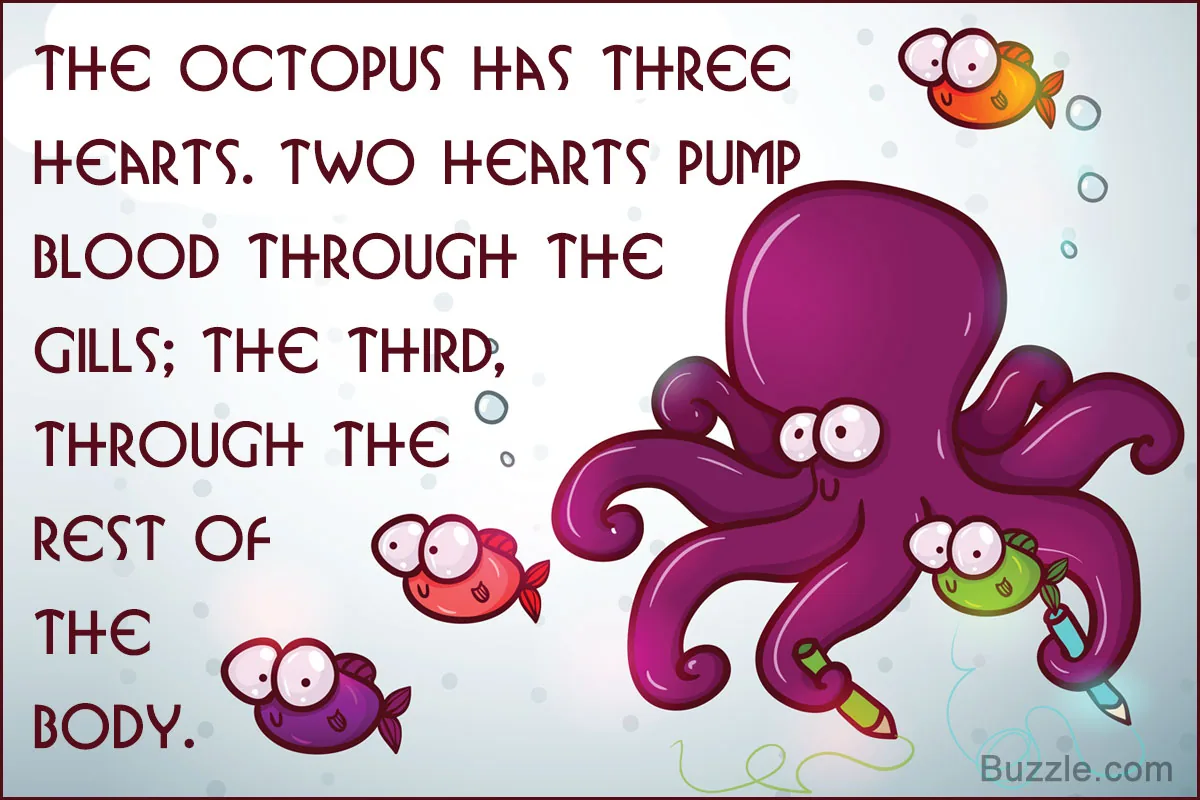
Lifespan
The lifespan of an octopus depends on the species. It may vary from 6 months to a couple of years. The larger ones live longer than the smaller ones. Male octopuses die within a few months of mating, though males of larger species live longer. Females of certain species eat the males after mating. Females die soon after their eggs hatch.
Where Octopuses Live
Octopuses are bottom dwellers. However, when they hatch from the eggs, the young ones swim up to the surface. After floating near the surface with the planktons for about a month, they swim back down to the sea bed.
They may live in holes or crevices of rocks. Some of them create a protective area for themselves by piling up rocks. The Small Atlantic Pygmy octopus is known to inhabit an empty clamshell.
How Octopuses Move
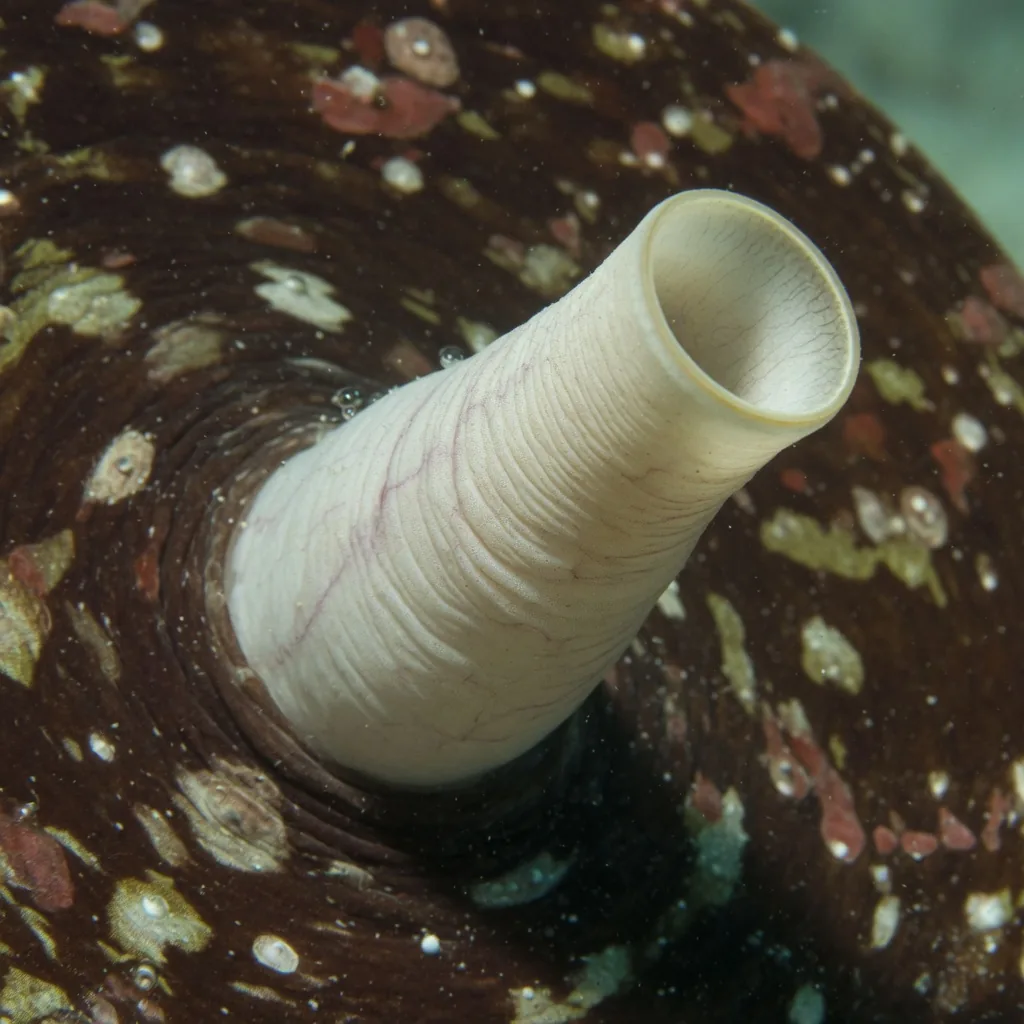
An octopus is excellent at swimming backwards. A muscular tube on the body called the siphon makes this possible. The octopus also breathes through this tube. It sucks water into its body, then blasts the water out through the siphon to move forward, backwards, or sideways. Using its arms, it can also crawl along the ocean floor.
Size: From Tiny to Enormous
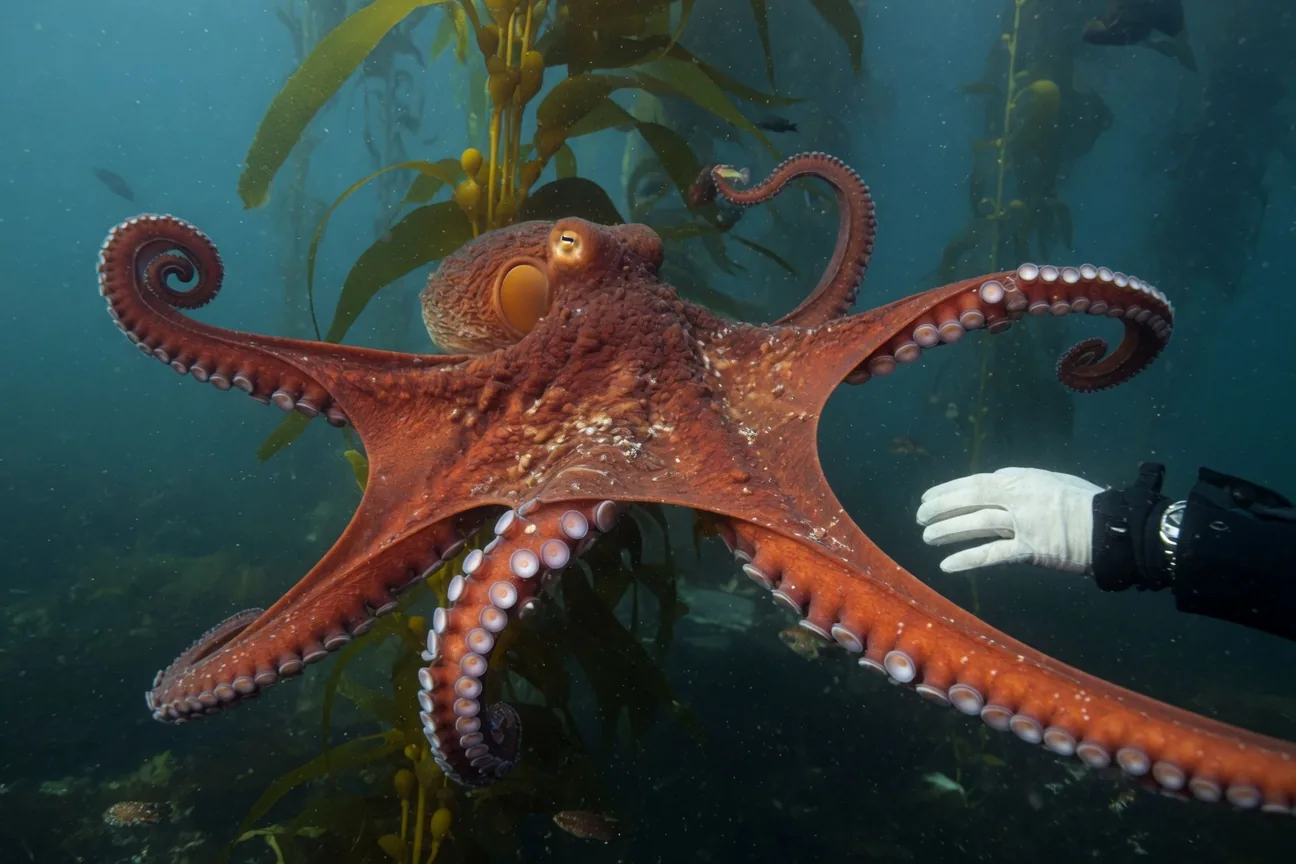
Octopuses vary enormously in size depending on the species. Those found in tropical waters are usually small, while those of the colder seas are larger. The Giant Pacific Octopus is the largest of all and can grow as large as 23 feet across. Most species are much smaller, though.
Females are usually smaller than males, but the Female Blanket Octopus is a remarkable exception. She is 100 times larger than the male, and a staggering 40,000 times heavier!
Hunting and Feeding
Octopuses hunt at night, they are stealth hunters. Their favorite foods are crabs, mollusks, and crayfish. They change their color to blend in with the surroundings and wait for prey to pass by. Each arm has 240 suction cups, which the octopus uses to grab its prey. That means a single octopus has 1,920 suction cups in total!
Octopuses also secrete a nerve poison that stuns their prey. Their venom can be poisonous, and in some cases it can be fatal to humans as well.
Frequently Asked Questions
How many arms does an octopus have?
Eight, the name 'octopus' comes from Greek meaning 'eight-footed'.
What is the only hard part of an octopus?
The beak, shaped like a parrot's beak. Everything else is soft, which is why they can squeeze through tiny spaces.
How large is the biggest octopus?
The Giant Pacific Octopus can grow up to 23 feet across.
How many eggs does a female octopus lay?
Up to 150,000 eggs in two weeks. She guards them for two months and usually dies from starvation soon after they hatch.
Are octopuses intelligent?
Yes, experiments show they can distinguish shapes and patterns and have both long-term and short-term memory.
Take the Octopus Quiz!
5 quick questions. How much do you know about the ocean's eight-armed genius?
Senses: What Octopuses Can (and Cannot) Do
These eight-armed creatures have highly developed eyesight that helps them hunt in the low-light levels of deep water. They also have an excellent sense of touch. They have sensory receptors at the bottom of their suckers that let them taste whatever they touch. However, they are completely deaf.
Eggs and Parenting
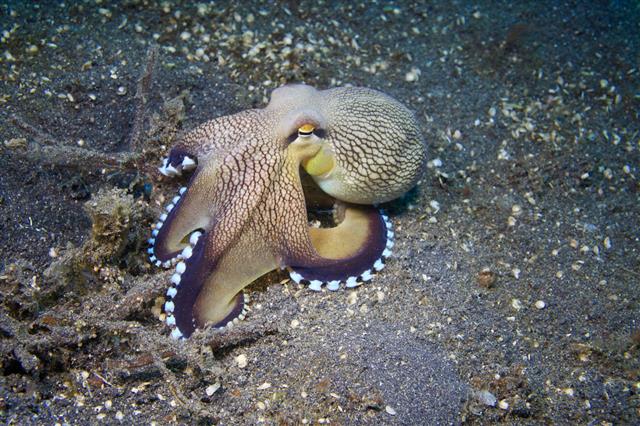
A female octopus lays up to 150,000 eggs in two weeks! She protects the eggs from predators for the entire two months it takes for them to hatch. The mother never leaves to search for food during this time, and she usually dies from starvation after the eggs hatch. As the eggs hatch, the babies are blown out of the den by the mother.
Defense and Intelligence
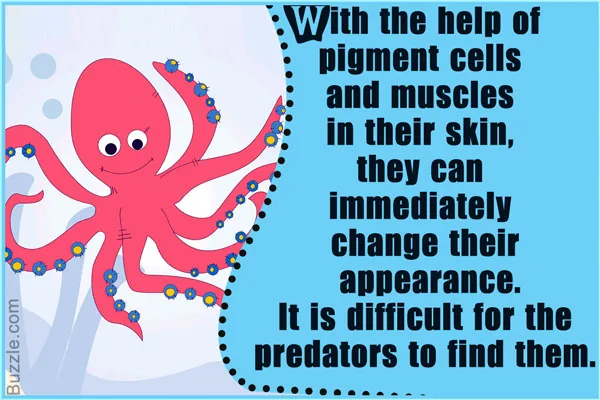
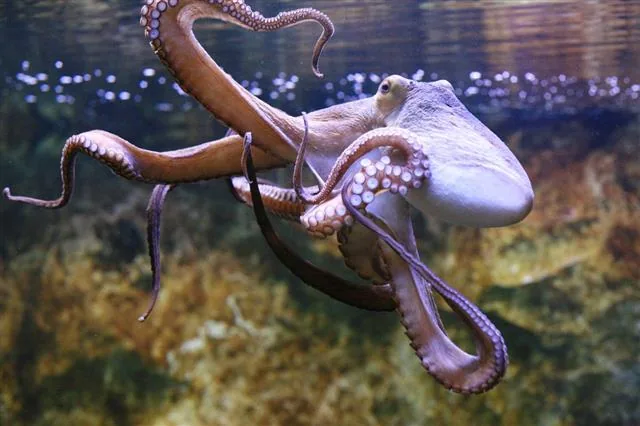
One of the most remarkable things about octopuses is their range of defense mechanisms. They can change the color of their body to blend in with the surroundings, making them nearly invisible to both prey and predators.
Octopuses are very intelligent animals. Experiments have shown that they possess real learning abilities. It is now a well-established fact that they have both long-term and short-term memory.
Explore More Animals
 Lifespan of an Octopus: How Long Do Octopuses Live?On average, an octopus lives 6 months to 5 years. Discover why octopus lifespans are so short, which species lives longest, and the fascinating science behind t
 Squid vs. Octopus: What's the Difference?Squid or octopus? Both are clever cephalopods with three hearts and blue blood, but their bodies, homes, and habits are different. Here's a clear side-by-side
 Amazing Facts About the Mimic OctopusThe mimic octopus was first found in Indonesia in the early 90s and can impersonate more than a dozen sea creatures. Discover amazing facts about Thaumoctopus m
 Fun Facts About the Animal Kingdom That Kids Will EnjoyAre you looking for interesting facts about animals? Can you believe flies have five eyes; two large and three smaller ones? Here are some amazing facts about a
Can You Keep an Octopus as a Pet?
One fascinating fact is that octopuses can be kept as pets. However, keeping one is difficult, these creatures have been reported to escape from supposedly secure tanks due to their intelligence and flexible bodies.

 Fun fact for today!The word "octopus" comes from Greek and means eight-footed!