

The First Geologic Time Period of the Earth
Sometimes it's a wonderful feeling to wonder about the deep past, and by past I don't mean 100 years or 200 years ago, but 460 million years ago! Unfortunately, we have no records of these ages, so we have to depend on scientists who study fossils. In your history and geography classes, you have read about the Ice Age. But have you read about the Precambrian age?
Keep reading and you will find out more about Precambrian organisms. It's surprising to know that some of the animals we see around us today had predecessors that belonged to this period.
The term "Precambrian" refers to the 4 billion years before hard-bodied animals like those we see around us today were even born. This era includes the Hadean period (when the Moon and Earth developed together), the Proterozoic period, and the Archean period. These periods existed for 2000 years each. It was during this time that organisms like algae and bacteria (the single-celled organisms) first started appearing.
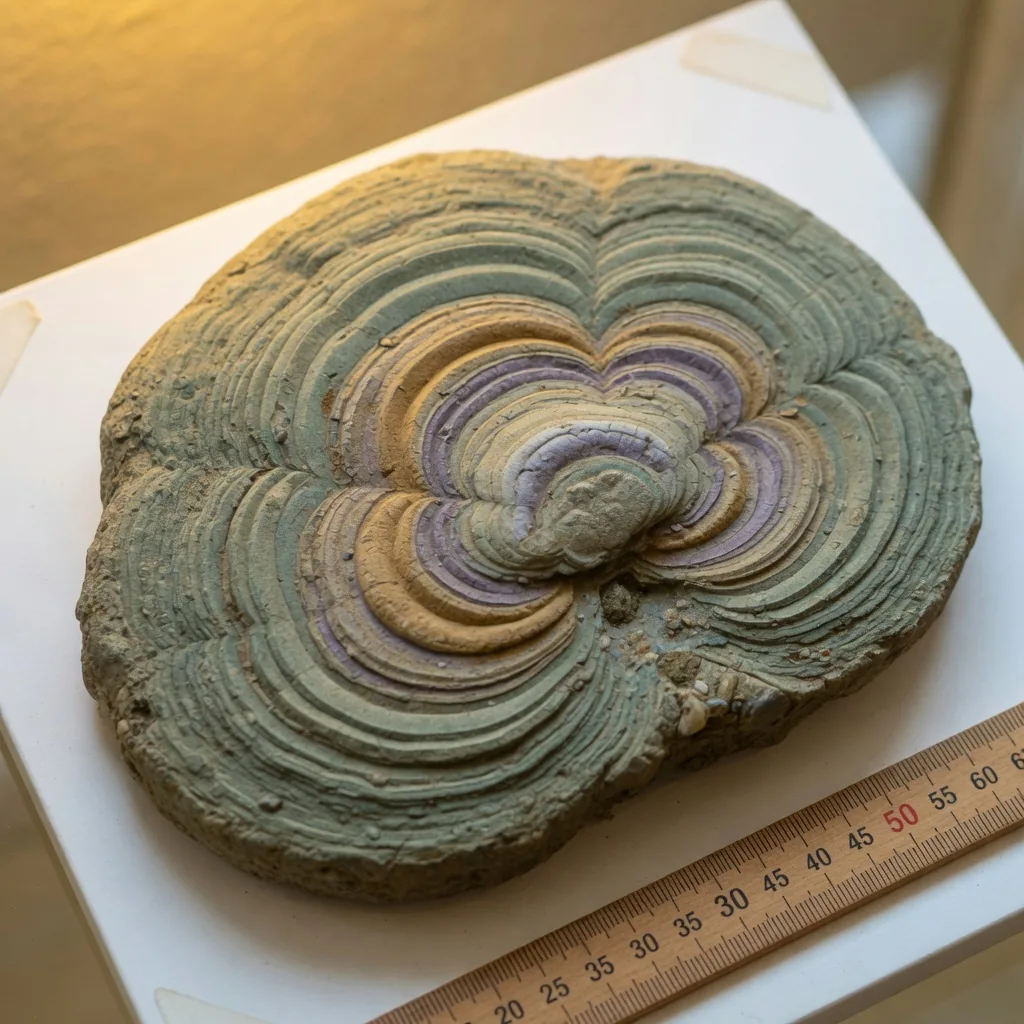
These organisms developed over time. By the end of the Archean period (during the late Precambrian) the new Earth saw the first multicellular animals like jellyfish (yes, jellyfish are very old organisms!), worms, moss, and various other soft-bodied creatures. This period also saw the first multicellular plants, which helped these animals survive by providing oxygen.
Today, we know more about these animals because of fossils. Fossils don't give a perfectly clear picture, but they give us enough information to understand how old the Earth really is.
List of Organisms from the Precambrian Era
Brachiopods
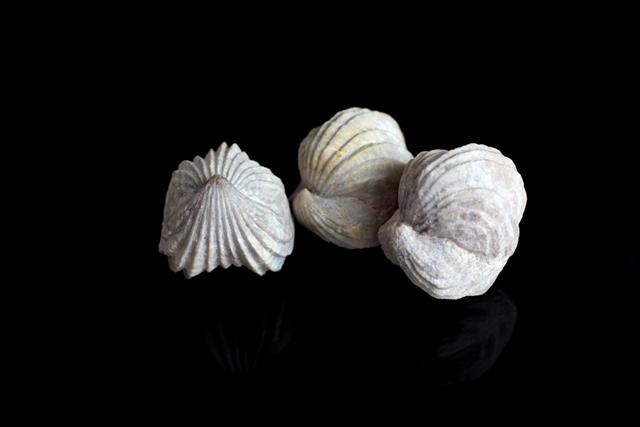
Brachiopods are also known as lamp shells. You will hardly find one even if you visit the deepest part of the ocean. The shells of brachiopods are different from the shells you collect at the seaside today. One side of the shell is an exact copy of the other part, like a mirror image.
Protozoa
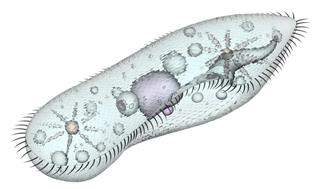
Protozoa are single-celled eukaryotic organisms. You can find them mainly in moist soils, freshwater, and in the oceans. They are mostly parasites and can reproduce even inside the bodies of other animals. Some examples of protozoa are amoeba, euglena, and paramecium.
Arthropods
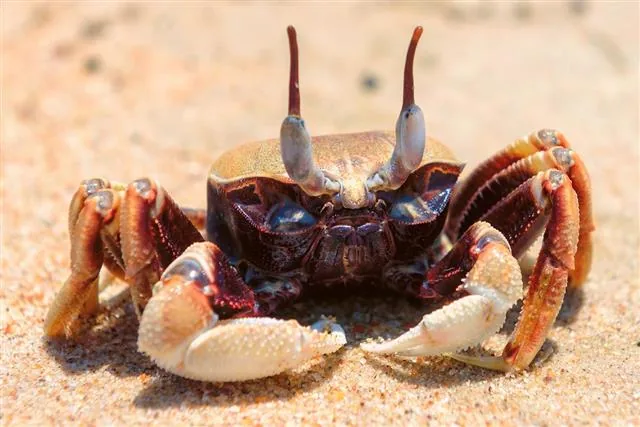
Arthropods have segmented bodies. Some that have existed since the Precambrian era are spiders, crabs, butterflies, and many more.
Annelids
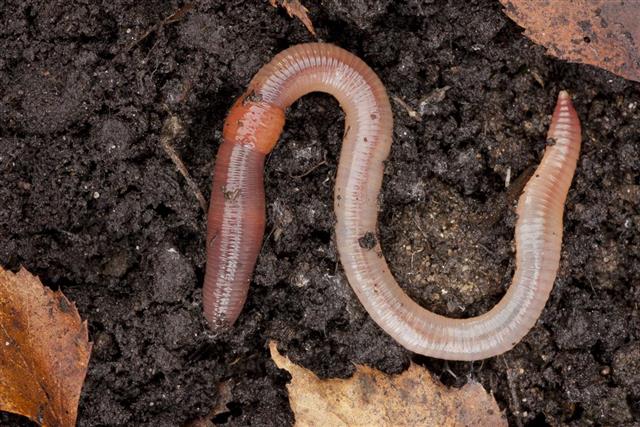
Annelids include various worms with cylindrical bodies, such as earthworms and leeches. You will still find these worms in your garden. They are creepy and crawly, but it's amazing to know they have been around since the Earth was formed!
Take the Precambrian Animals Quiz!
5 quick questions. How much do you know about Earth's oldest creatures?
More Precambrian Organisms
Some of the other animals and organisms from the Precambrian era are:
- Sea pens
- Jellyfish
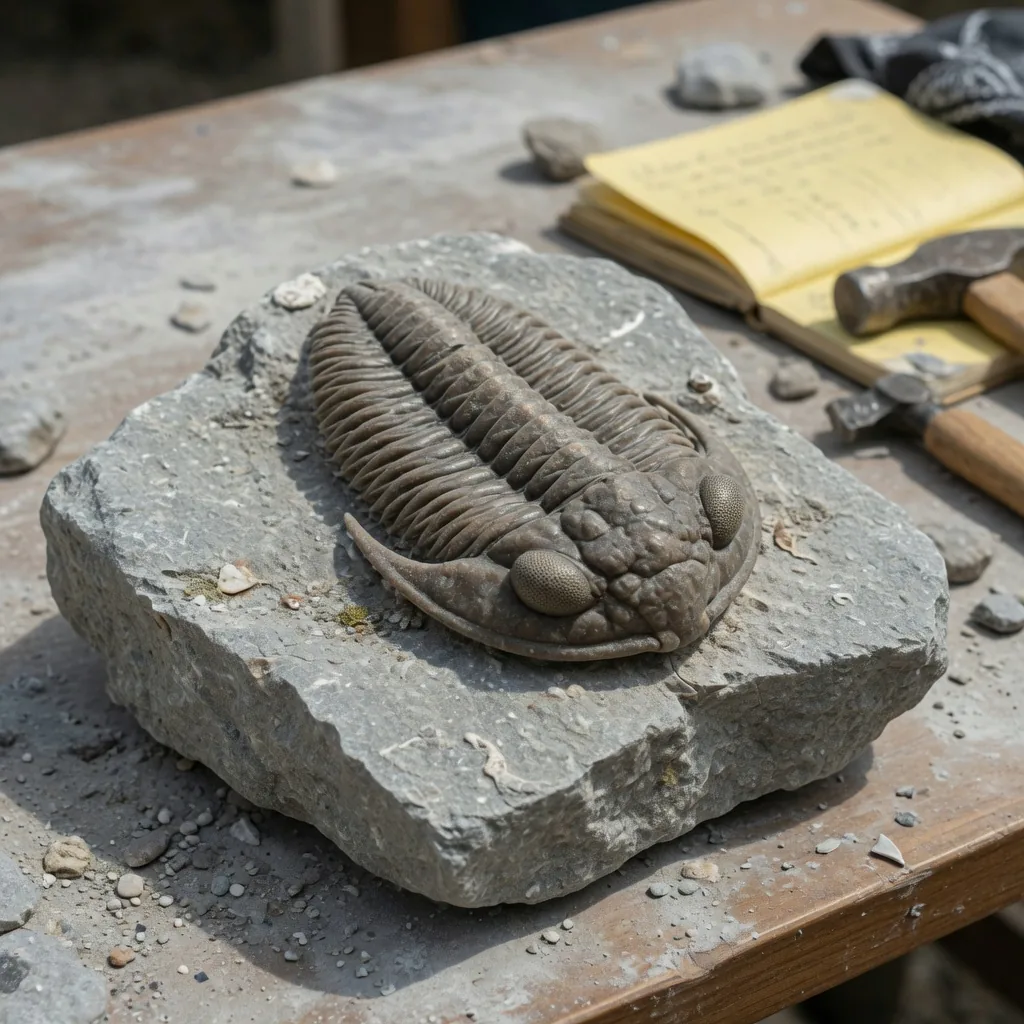
- Trilobites
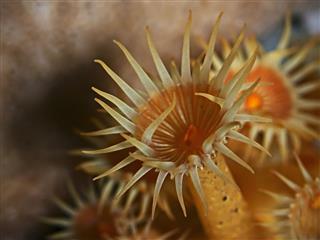
- Cnidarians
- Yeast
- Sponges
- Corals
- Starfish
- Sea cucumbers
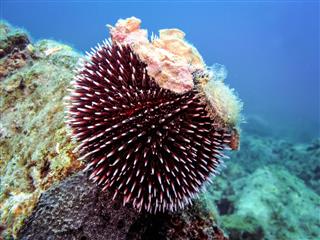
- Sea urchins
- Hydra
- Shells
- Snails
- Clams
- Squids
- Moss
- Stromatolites
- Girvanella
- Blue-green algae
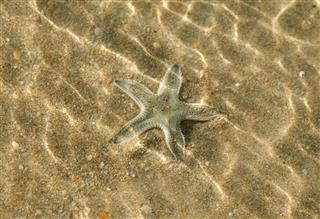
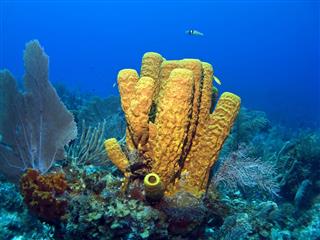
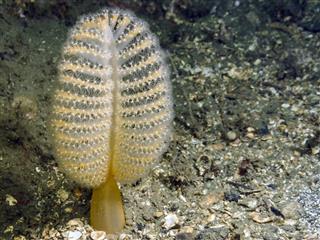
That is an amazing list! The next time you see a starfish or an earthworm, remember, they have been living on this Earth for 400 million years. It sure will make you look at them differently.
Explore More Animals
 Types of JellyfishJellyfish are mysterious ocean creatures, a complete kids' guide to the most popular types, plus how jellyfish live, eat, sting, and survive. From the deadly S
 Starfish Facts for KidsDiscover amazing starfish facts for kids: how they walk on 15,000 tube feet, why they have two stomachs, how they can regrow lost arms, and much more.
 Triassic Period AnimalsIf reading about prehistoric creatures fascinates you, then this article on the Triassic Period animals will definitely make for an interesting read.
 Marine Animals: The Complete Guide to Ocean LifeThe exhaustive list of marine animals begins with microscopic zooplanktons and ends with extremely large whales. In between them, lie millions of species, each

 Fun fact for today!The next time you see a jellyfish, you are looking at one of Earth's oldest animal designs, it has barely changed in hundreds of millions of years.