

Factory farming is a type of farming that raises a huge number of livestock in comparatively tinier spaces, in order to supply them to the livestock market. This is one of the foremost food production methods in the US today. It is true that it is profitable in its own way and has helped increase food production at reasonable prices, but it also has its drawbacks. The idea has been a subject of massive debate — not only in the United States, but all over the world, wherever the practice is used. Before jumping to a conclusion about whether it should exist or not, it helps to read through the advantages and disadvantages of factory farming below.
Quick Snippet: A division of the National Academy of Sciences, the Institute of Medicine, stated in the year 1989, that the antibiotics used in factory farms were responsible for building antibiotic resistance in bacteria, thus rendering the antibiotics ineffective in treating human health ailments.
A Background
- Factory farming, also known as intensive animal farming, took root in the later part of the 19th century.
- With the arrival of the Industrial Revolution, new inventions like antibiotics, pesticides, and artificial synthesizers were on the rise, and these gave a boost to automated farming.
- Gradually, with better farming methods, livestock could be raised indoors, which led to mass production in a shorter time.
- According to reliable sources, more than 50% of the livestock are produced using this method.
- The benefits of intensive animal farming mainly come down to lower cost and increased food production.
- In this method, hens, chickens, cows, calves, and so on are force-fed and painfully bred, which leads to artificial production and environmental hazards too.
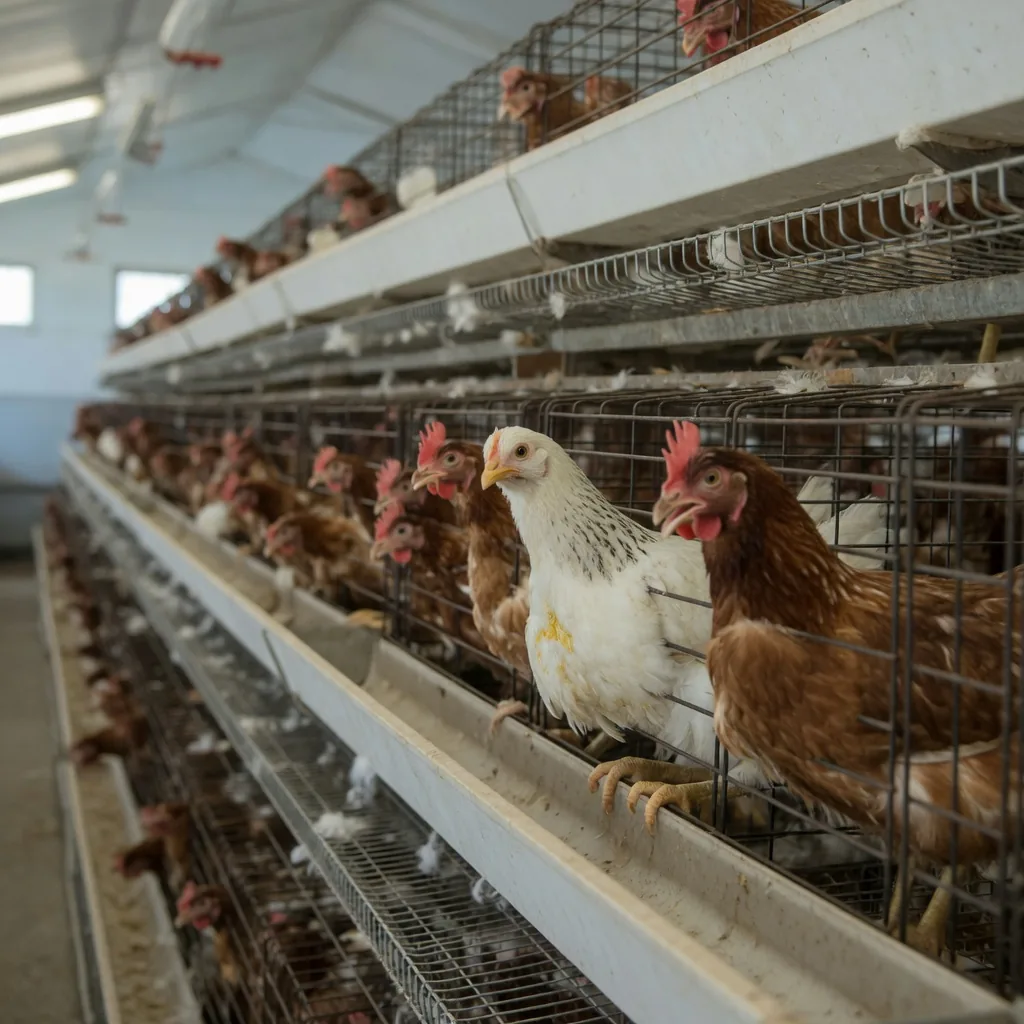
- For instance, hens are crammed into tight, tiny cages and exposed to minimal sunlight, so they will lay more eggs as quickly as possible.
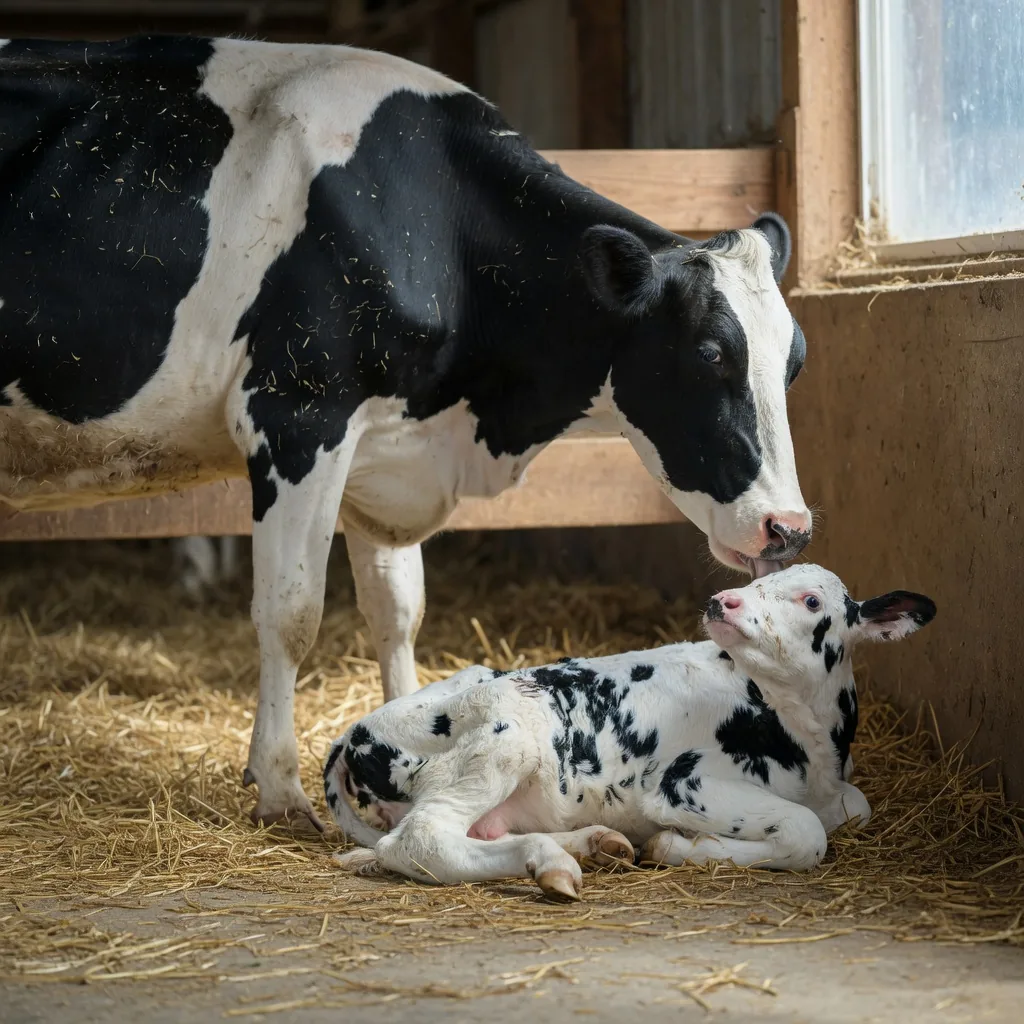
- Newborn calves are believed to be separated from their mother right away and raised separately, so they can be supplied for veal.
- What’s more, the livestock are injected with antibiotics to make them grow faster artificially.
The Big Picture: Pros vs. Cons
The whole debate comes down to a trade-off. Here are the four upsides and four downsides at a glance — we explain each one below.
- ✓Inexpensive — food is cheaper to buy
- ✓Lucrative — farms make a profit
- ✓Efficient — lots of food in little space
- ✓Work opportunities — more jobs
- ✗Substandard quality food
- ✗Health risks from antibiotics
- ✗Global warming & pollution
- ✗Animal cruelty in cramped cages
Pros
Inexpensive
- Lower cost seems to be one of the advantages of factory farming.
- There are huge numbers of mouths to feed, and massive production leads to plenty of poultry and related items being available to buy.
- Since the items are not too highly priced, people are happy to buy them — and in large numbers.
Lucrative
- The business is profitable, again because of the higher production.
- As more and more livestock are raised artificially, more and more eggs, chickens, and beef are out for sale.
- The purchase rate is higher, and even though the food is reasonably priced, it still earns a profit for the farms.
- The producers cash in on the saying that food is the primary reason for survival. With the growing population and its food needs, profits soar high.
Efficient
- Whether it should be labeled ‘efficient’ or not is a matter of personal opinion.
- The reason this word can be used is that the animals are raised in an extremely confined space.
- This means the space used is small compared to the number of livestock raised.
- This, of course, saves a lot of money, since the farms do not have to spend much on maintenance.
- Also, the ways of making meat and eggs are faster, cheaper, and more efficient, which again reduces the cost.
Work Opportunities
- Since the food production is huge, an equal number of staff are needed for the work.
- The business is enormous and needs as many hands as possible to increase the food produced.
- This leads to a growth in jobs in this sector.
- In fact, statistics reveal that the businesses make enough revenue to pay a decent wage and still let the company make a profit.
- They buy subsidies and equipment from local farmers, which boosts those farmers’ livelihoods as well.
Pros or Cons? Take the Quiz!
5 quick questions. See how well you understand both sides of factory farming.
Cons
Substandard Quality
- This is one of the primary disadvantages of factory farming.
- The animals are bred artificially, and since the process is not natural, the end product can be of poor quality.
- Antibiotics are injected into the cows and hens, making them vulnerable to dirt and disease. As a result, the eggs and meat will not be as good.
- The livestock are raised in unhygienic, unsanitary conditions. So it is more than possible that they catch infections and even spread them to the rest of the livestock.
- The products that come from this are of a substandard, low quality, which in the end affects our health as well.
Tremendous Health Risks
- For the same reason mentioned above, factory farming can cause irreparable damage to health.
- Dangerous pathogens, antibiotics, and bacteria lead to increased health risks. In fact, some have predicted that it could lead to diseases like Alzheimer’s.
- The meat is practically medicinal and artificial, with zero nutrients and less taste.
- Since the whole process is artificial, the meat is overloaded with hormones and drugs. The bacteria develop resistance to the antibiotics, which is why many diseases remain untreated.
Global Warming
- The fact that there is practically no maintenance leads to extremely unhygienic conditions.
- The animals’ waste and excreta cause extensive damage to the environment.
- The wastes and manure contaminate the water and air.
- It may also lead to harmful emissions and add to the already increasing global warming.
Animal Cruelty
- This is one of the most obvious, ethical, and yet debatable drawbacks of factory farming.
- The animals are slaughtered to death in the most inhuman way possible.
- The fact that they live in cramped spaces, without a place to move or breathe normally, shows how much torture they endure on a daily basis.
- The unnatural breeding takes a severe toll on their health, leads to early cardiovascular or other diseases, and ultimately causes a painful death.
- The animals are believed to be thought of as just a means of food, instead of being seen as living beings that endure suffering.
The Debate and Related Statistics
- Because of the torturous living conditions and extreme cruelty, factory farming has been opposed by many animal welfare organizations.
- In fact, it has been banned in some countries.
- Supporters of the idea argue that it does provide enough food for the growing population and is more affordable.
- Those who disagree, however, suggest that there are better ways of making food, rather than subjecting animals to this suffering.
- The debate has been going on for quite a while, with no one being able to gain the upper hand.
- Backing up each side is a staggering number of factory farming facts and statistics.
The numbers behind the pros
- Only 3% of factory farms generate 62% of agricultural output.
- The documentary ‘Food Inc.’ states that the top four beef packers of the nation own 80% of the market, while a few decades back the top 5 beef packers owned about 25% of the market. This change has been due to factory farming.
- Egg production has reportedly increased by half over a decade. There seem to be at least 750,000 hens per factory farm in the five states known for stocking the largest flock of poultry.
The numbers behind the cons
- Newborn calves, male or female, are apparently separated from the mother almost immediately after birth.
- Male calves are bred for veal, and are reportedly kept in tiny crates, about 30X72 inches, so that their flesh stays tender.
- More than 80% of the antibiotics used in the US are used to feed the farm animals, to try to keep them healthy.
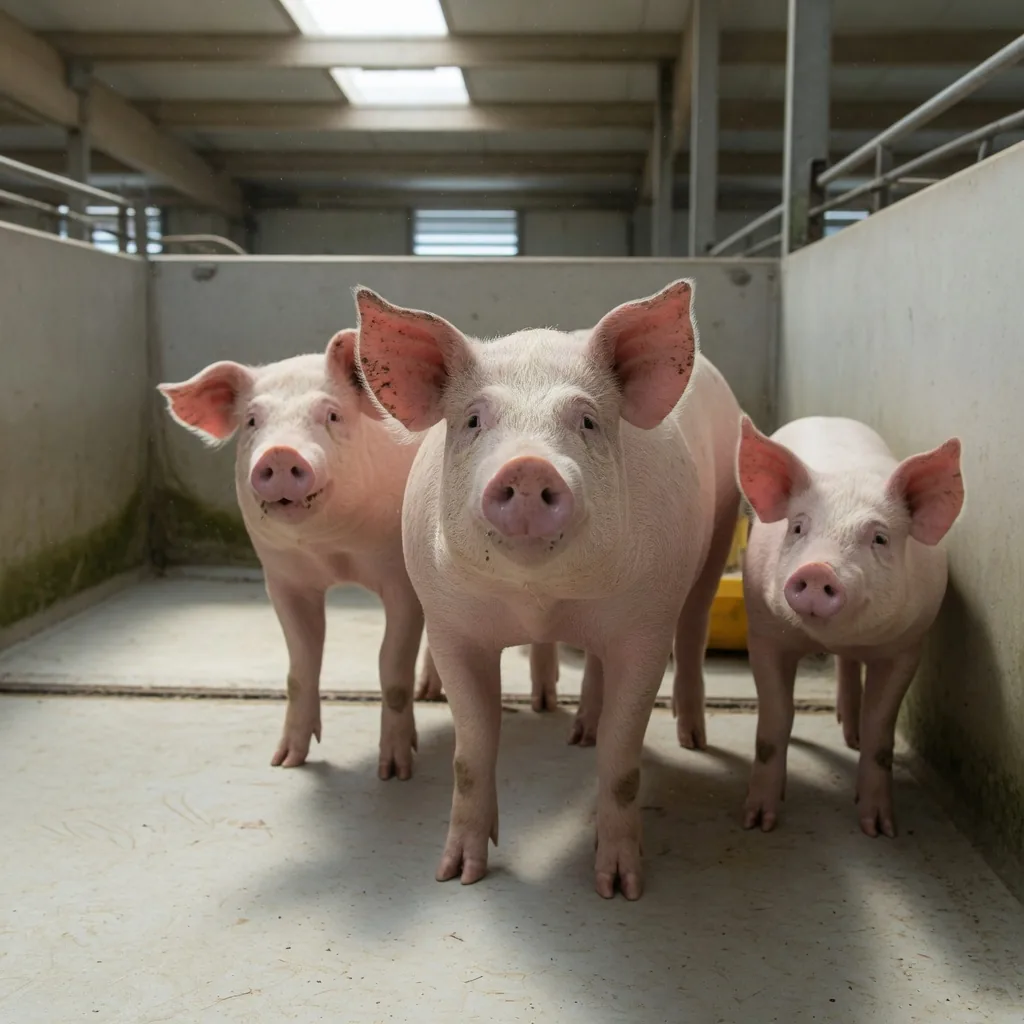
- Pregnant pigs are forced to live in tiny crates, with hardly any space to move around or nurse their piglets properly.
- Research says that about 65% of the pigs tested from factory farms had pneumonia.
- To lessen feather pecking (apparently), all the poultry — chickens, ducks, turkey — have their beaks cut off.
- The waste from factory farming is reported to have polluted the groundwater in 17 states, and an unbelievable 35,000 miles of water bodies in 22 states.
- 5% – 10% of hens are reported to die during the forced molting process.
- Around 70 billion farm animals are now subject to factory farming throughout the world.
Frequently Asked Questions
What is factory farming?
Factory farming, also called intensive animal farming, means raising a very large number of farm animals in a small, restricted space to produce meat, eggs, and milk. It took root in the later part of the 19th century.
What are the main pros of factory farming?
The main benefits are lower cost and increased food production. It is inexpensive, lucrative for the businesses, space-efficient, and creates jobs in the farming sector.
What are the main cons of factory farming?
The main drawbacks are substandard food quality, health risks from antibiotics and bacteria, pollution and global warming, and animal cruelty from keeping animals in cramped conditions.
How many farm animals are raised by factory farming?
Around 70 billion farm animals are now subject to factory farming throughout the world. More than 50% of the livestock are produced using this method.
Why do people argue about factory farming?
Supporters say it provides enough affordable food for a growing population. Opponents say it causes animals to suffer and that there are better ways to make food. The debate has been going on for a long time with no clear winner.
Factory Farming: Pros vs. Cons at a Glance
| What it affects | 👍 Pro side | 👎 Con side |
|---|---|---|
| Price of food | Food is inexpensive, so families can afford more of it. | Cheap food can be substandard and low in quality. |
| Amount of food | More than 50% of livestock is raised this way, feeding a growing population. | Around 70 billion animals worldwide are raised in cramped conditions to make it. |
| Money & jobs | It is lucrative and creates many jobs in the farming sector. | Just 3% of factory farms make 62% of the output, squeezing out small farms. |
| Use of space | Efficient — lots of animals are raised in very little space. | That tiny space means animals can barely move, which is cruel. |
| Health | Keeps a steady, affordable meat and egg supply on the table. | Antibiotics and bacteria raise health risks; more than 80% of US antibiotics go to farm animals. |
| The environment | Produces a lot of food from one place. | Waste polluted groundwater in 17 states and 35,000 miles of water in 22 states, and adds to global warming. |
The positives and negatives above paint a rough picture of factory farming. The truth is that, in its own way, the method has helped make more food available at cheaper prices — but it also causes tremendous pain to the animals, which cannot be ignored. The thought of health risks cannot be avoided either. The topic feels like a vicious circle, with every side holding strong opinions and proof to back them up. Yet if it is discussed at length, a better and more sensible solution can be found.
Explore More Animals
 These Bone-chilling Animal Cruelty Facts Will Move You to TearsAnimal cruelty, often viewed with subdued interest, is perhaps the most neglected fact on a humanitarian level. Learn the facts, the statistics, and what you ca
 Do Zoos Do More Harm Than Good? The Pros and ConsAre zoos good or bad for animals? Weigh the real pros and cons (animal rights, conservation, education, and care) with side-by-side charts, a glossary, and a
 Animal Abuse & Cruelty Statistics: The Facts, Laws & How to HelpAnimal abuse statistics reveal a grave picture of suffering at human hands, circuses, labs, fashion, fighting and neglect. Here are the key facts, the laws tha
 5 Shameful Reasons Why People Abuse AnimalsThere are many reasons behind animal abuse. It could be done unintentionally or intentionally. But the question is how correct or how wrong it is? Both morally
Factory Farming Glossary
| Word | What it means |
|---|---|
| Factory farming | Raising a very large number of farm animals in a small, packed space to make meat, eggs, and milk in bulk. Its other name is intensive animal farming. |
| Livestock | Farm animals that people raise for food or other products — such as cows, pigs, chickens, and hens. |
| Antibiotics | Medicines that fight bacteria. On factory farms they are given to animals to stop disease and to make them grow faster. |
| Antibiotic resistance | When bacteria are around antibiotics so much that the medicines stop working on them. This can make human illnesses harder to treat. |
| Veal | Meat that comes from a young calf. Calves raised for veal are often kept apart from their mothers in small crates. |
| Animal welfare | How well an animal is treated — whether it is healthy, safe, and able to live without suffering. Welfare groups speak up for farm animals. |

 Fun fact for today!About 70 billion farm animals around the world are now raised on factory farms.