

About the Raccoon Dog
Raccoon dogs have a distinct and rare genealogy that makes them unique from all other canines. These docile animals have several interesting characteristics that make them special.
Also known as Nyctereutes procyonoides, raccoon dogs belong to the Canidae family (the same family as dogs and wolves) and share many of their characteristics and appearance. These animals are both carnivorous and omnivorous mammals. The raccoon dog originated in East Asia, and was later introduced into Central and Western Europe. It has been deemed an invasive species because of the ecological destruction it causes to berry farming. The animal is also a carrier of rabies and tapeworms.
It is the only subspecies remaining from the extinct group of animals known as the Nyctereutes. The Nyctereutes became extinct long before the Pleistocene, which makes the present-day raccoon dog one of the rarest animals in the world, a survivor that has outlasted its entire genus across millions of years.
General Information
This animal is native to China and Japan. It has been introduced into Siberia and Russia for hunting purposes, and has since spread into France, Germany, and Scandinavia.
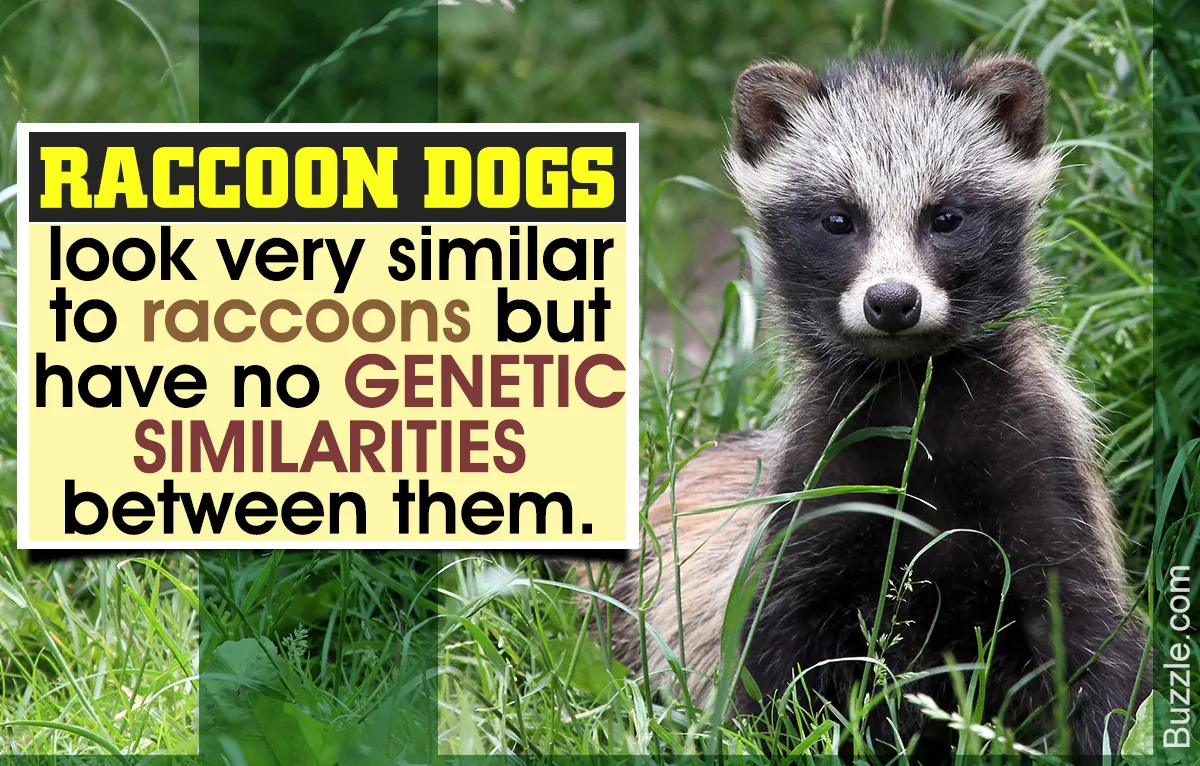
Raccoon dogs look very similar to raccoons, but the two have no genetic similarities. The raccoon dog has comparatively rounder and smaller ears, short legs, and a longer body than a true raccoon.
These animals prefer living in dense woodlands, which is why their habitat has shrunk considerably. As forests have been cleared, raccoon dogs have increasingly moved into areas populated by humans.
They prefer to live near water bodies and are excellent swimmers. Fish and frogs make up a large part of their diet. In the wild, raccoon dogs have a lifespan of 7-8 years, and can live up to 11 years or more in captivity.
A peculiar habit of raccoon dogs is that they will urinate and defecate in one allotted spot, and then cover it by piling mud on top. This is also seen in dogs and some cats. Wolves are the major predators of raccoon dogs, and red foxes are known to kill raccoon dog pups.
Raccoon dogs do not bark. Instead, they growl in a way that sounds like the hiss of a cat. They have a very shrill call but are mostly quiet and docile. A raccoon dog kept as a pet will be gentle and curious. In captivity, these animals rarely hibernate. Because they carry rabies and tapeworms, it is important to keep a pet raccoon dog vaccinated and regularly treated for worms.
Feeding Habits & Hibernation
Raccoon dogs are carnivorous and hunt smaller animals to survive. They eat lizards, rodents, frogs, spiders, and snakes, but also enjoy berries and other fruits.
Their thick coat of fur protects them during winter. They are the only canine-like species that hibernate during winter, and they only do so when food is too scarce to keep them going.
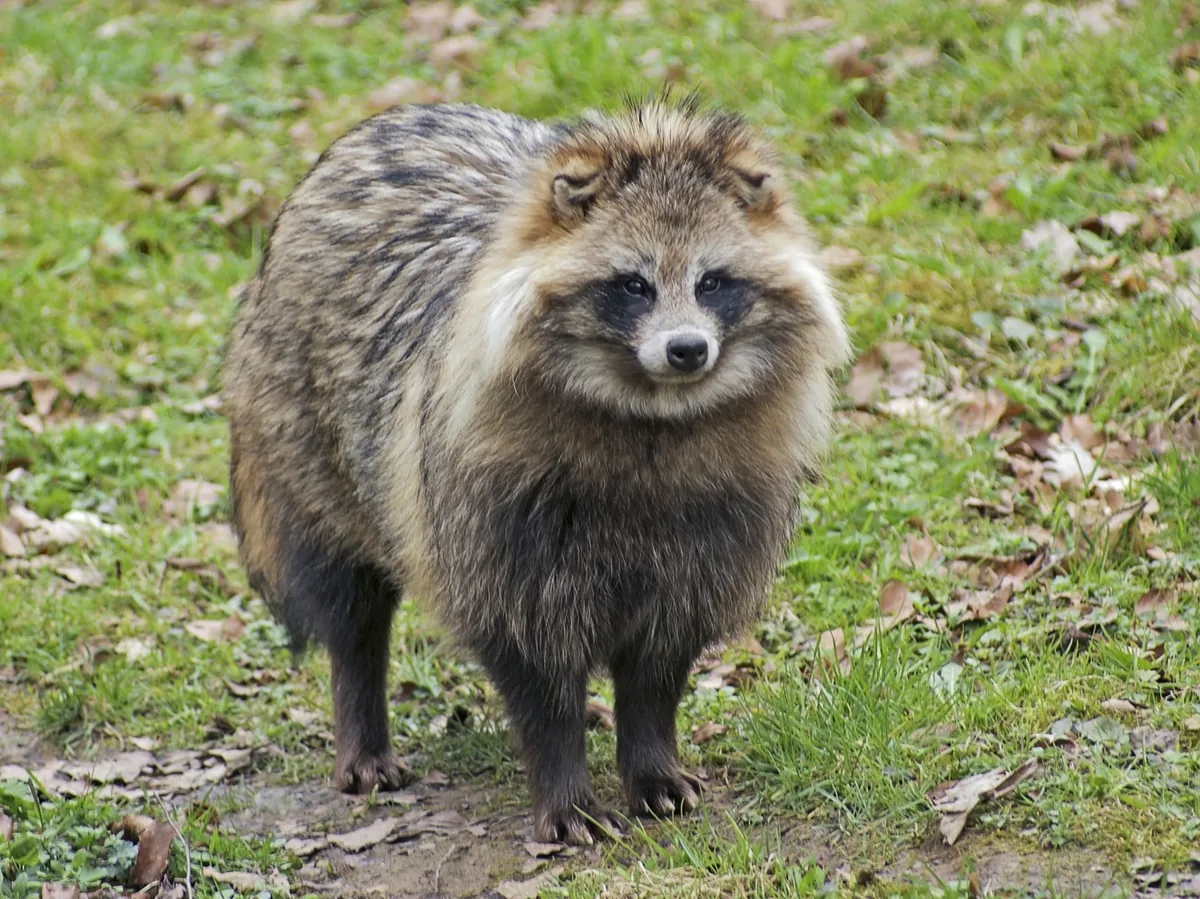
Before winter arrives, raccoon dogs gain 50% more than their normal body weight. They become active again in early February, when the weather grows warmer, and then gradually shed the extra weight.
One of the most remarkable things about raccoon dog hibernation is that it is monogamous, these animals mate for life. The only time one will seek a new partner is if its mate dies or is killed. This bond holds even during hibernation: mates share one den, keep close body contact to stay warm, and groom each other. Dogs do not hibernate, and they are not monogamous, both habits are unusual for any canine.
Frequently Asked Questions
What is the scientific name of the raccoon dog?
Nyctereutes procyonoides, it belongs to the Canidae family but is the only surviving species in the genus Nyctereutes.
Is the raccoon dog actually related to raccoons?
No, raccoon dogs look very similar to raccoons but have no genetic similarities between them. The raccoon dog is a canine; raccoons are procyonids.
Do raccoon dogs hibernate?
Yes, they are the only canine-like species that hibernate during winter, doing so when food is scarce. Mates hibernate together in the same den.
How long do raccoon dogs live?
Raccoon dogs have a lifespan of 7-8 years in the wild. In captivity they can live up to 11 years or more.
Take the Raccoon Dog Facts Quiz!
5 quick questions. How much do you really know about this unique canine?
Reproduction
Raccoon dogs are nocturnal. They forage for food with their mate at night, leaving the den for a few hours. The den is only left unattended when there are no pups inside.
A female raccoon dog can give birth to a litter of 6-8 pups, each weighing about 4 oz at birth. The pups cannot open their eyes until after the first week. They are fed milk until they are 5 weeks old, when the mother begins to wean them. Because the pups are too weak to walk at first, they only emerge from the den after the 3rd week.
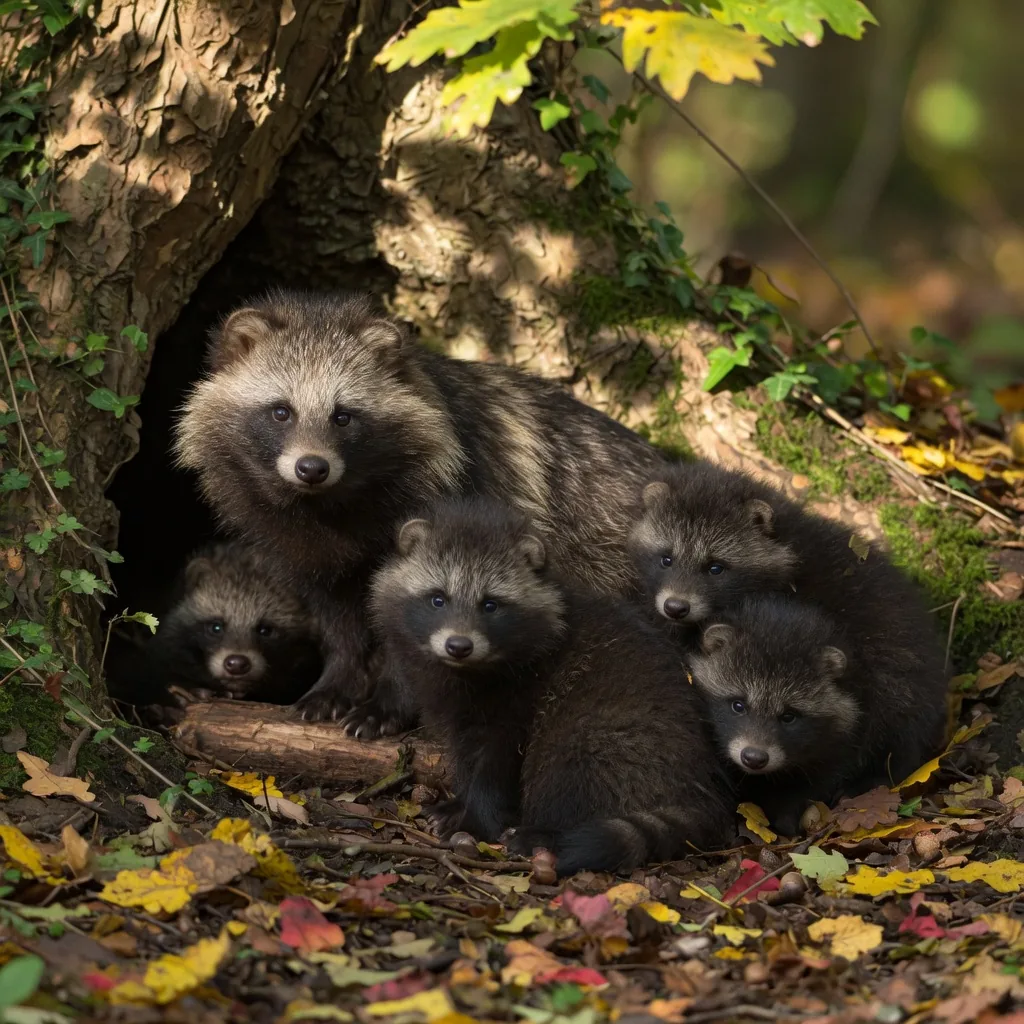
The father forages for food and brings it back for the female and the pups. During the day, the mother leaves the pups in the male's care while she goes out to forage. At night, the male takes over the responsibility of bringing in more food.
Raccoon dogs reach their full growth at the age of 4.5 months. They become sexually mature at 8-10 months.
Explore More Animals
 Wondrous Facts About the Maned Wolf You Probably Never KnewUnlike other wolves, maned wolves do not live in packs and they do not harass human beings. Discover wondrous facts about the 'fox on stilts', and why we need
 Wolverine Animal FactsResembling a small bear, the wolverine is actually the largest species of the weasel family. Discover 10 fascinating facts about this feisty, tough-as-nails cre
 Jaw-dropping Facts About the Red FoxBuilt for speed and known for its clever opportunistic behavior, the red fox is one of the world's most widespread mammals. Discover its habitats, diet, amazing
 Surprisingly Fantastic Facts About the Arctic FoxThe white fox or the arctic fox is found in the cold Arctic region, and can camouflage themselves well into their surrounding. Read on to know more facts about
Hunting & Threats
Raccoon dogs have been hunted across Japan for their fur and body parts, which are believed to have medicinal value. In European countries, they are hunted because of their invasive nature and their appetite for berries, which damages berry crops.
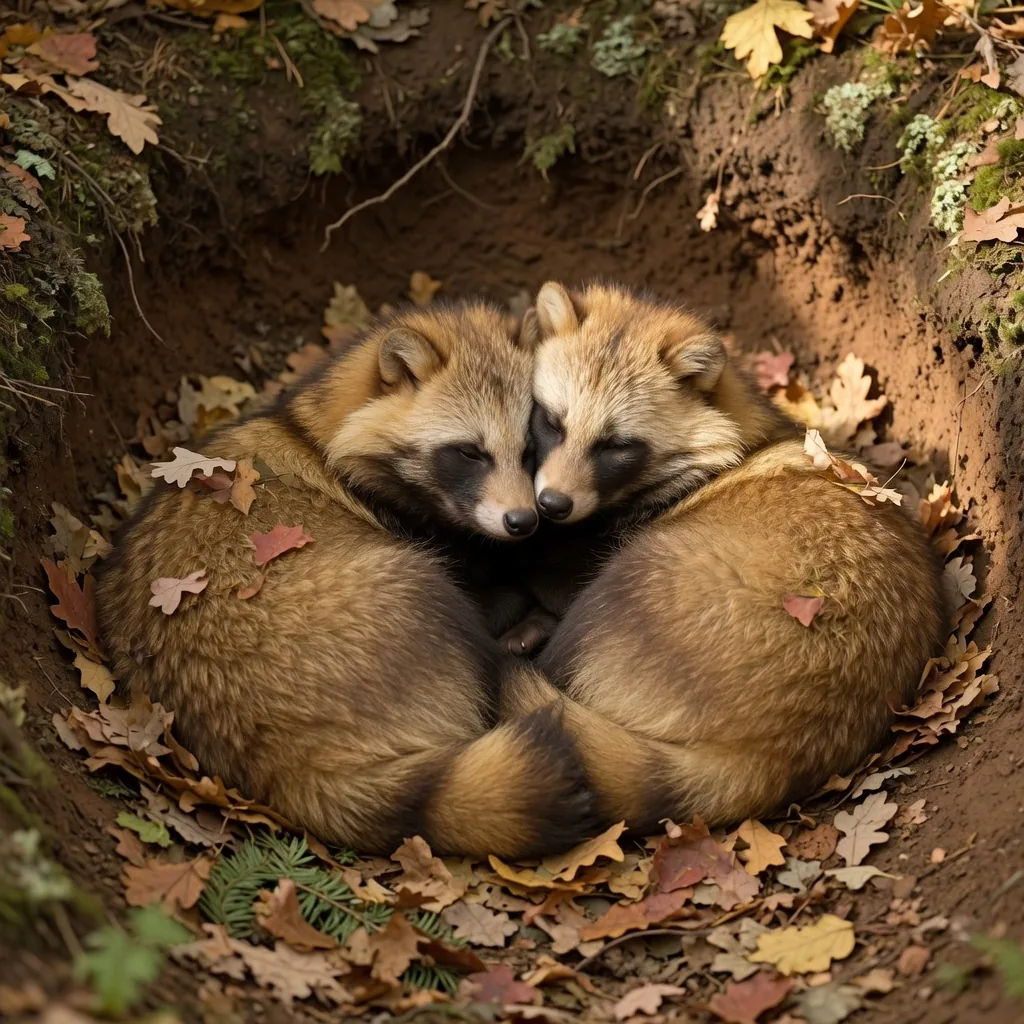

 Fun fact for today!The raccoon dog is the ONLY canine-like animal in the world that hibernates, and it does so curled up with its mate!