

Although a member of the dog and wolf family, the red fox exhibits behavior that mimics those of a cat. That is why it is also known as the "cat-like" canine.
Originally an endemic species of North America, Eurasia and Northern Africa, the red fox (or Vulpes vulpes) can be found around the world in diverse habitats. The red fox is known for its exceptional cleverness, intelligence, cunning, and adaptability. Given these qualities, the animal has earned the name "the fox" in many places.
Habitat
The red fox has diverse habitats in a number of biomes around the world. It may be spotted in forests, grasslands, mountains, and deserts. The animal spends most of its hunting time in marshes and woodlands. Areas choked with weeds and grass are not a favorite spot for the red fox. Instead, it prefers open areas, especially the edges of forests or woodlands.
Appearance
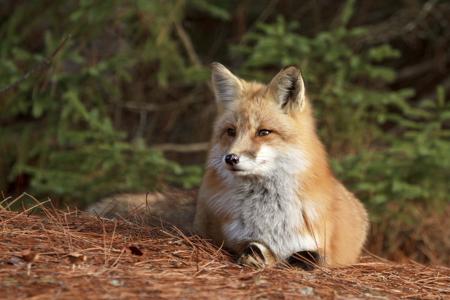
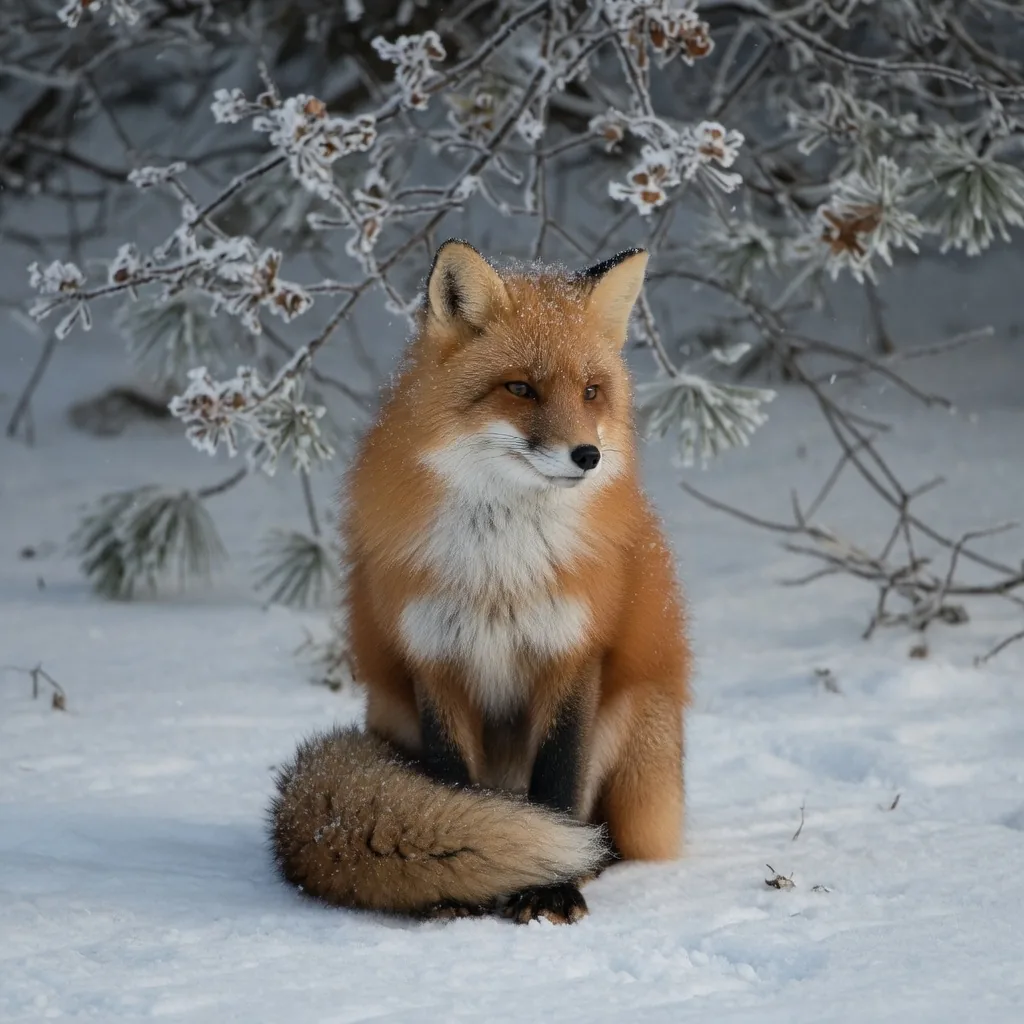
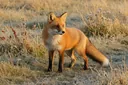
Of all the species of true fox, the red fox is the largest. Although named for its color, the red fox is not always red. Gene mutations have produced varying color phases: reddish brown, gray, gray-brown, blackish-brown, silver, platinum, and amber. Sometimes a red fox can also have black fur with silver highlights.
Diet
The red fox is omnivorous, hunts alone, and lives on a flexible diet, which makes it a highly opportunistic feeder. Its prey may range from insects all the way up to cranes. Invertebrates such as insects, mollusks, earthworms, and crayfish form a major part of the animal's diet. Rodents, rabbits, birds, eggs, amphibians, small reptiles, small fish, and other small game also appear on this hunter's menu, and so do fruits like blackberries, apples, and plums, plus other vegetables.
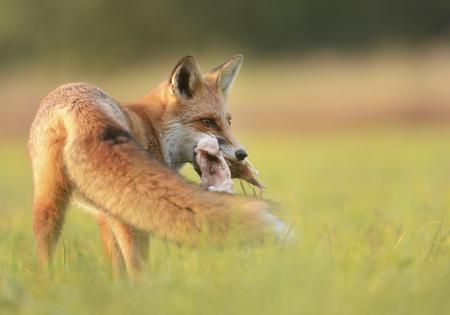
In some areas the fox can live solely on plant food in autumn. Living near human settlements, it has also learned to survive on garbage and pet food.
Take the Red Fox Quiz!
5 quick questions. How much do you know about the world's wiliest canine?
Reproduction
Reproduction depends on where a red fox lives. In the southern regions, the breeding season runs from December to January. In the northern parts, mating season falls between February and April. For central populations, January to February is the ideal time for breeding.

Remarkable Abilities
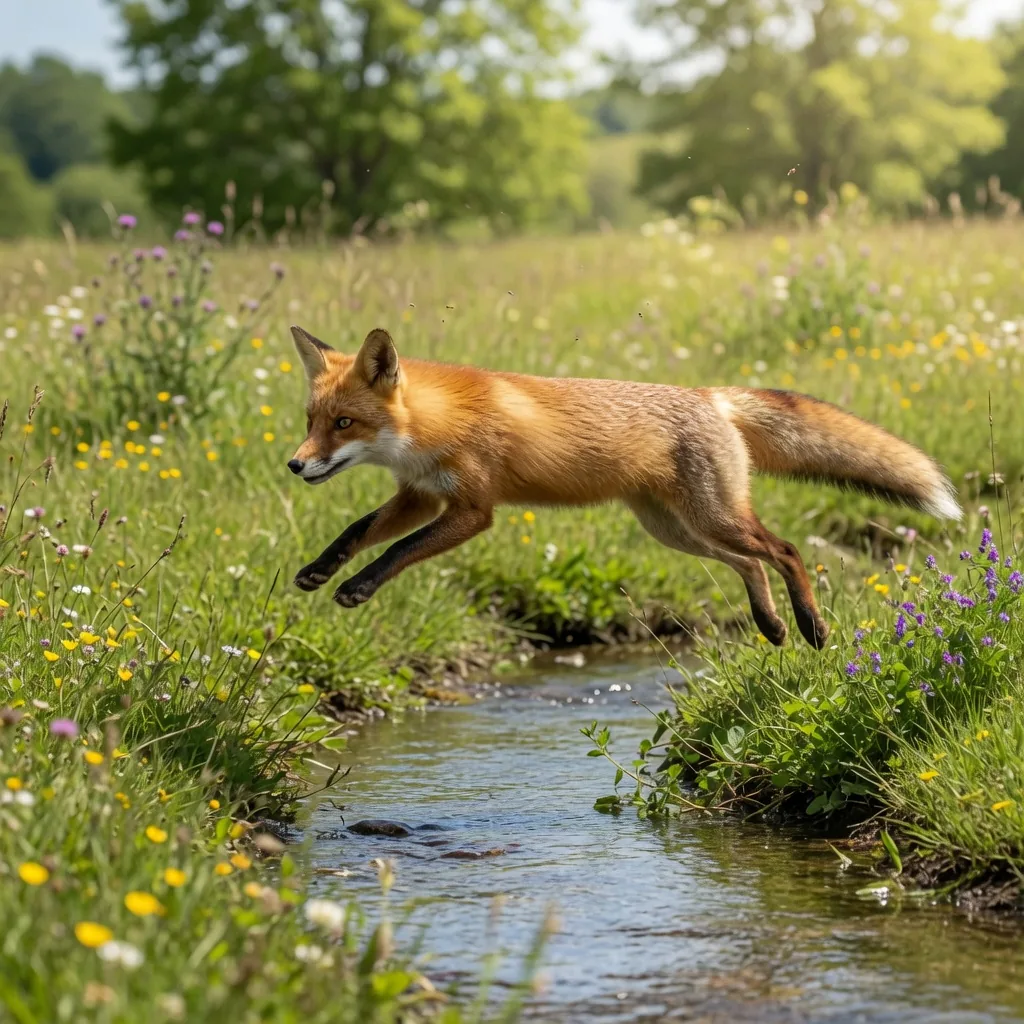
The red fox's bushy tail serves as a balancing tool. Its thick fur also keeps the animal warm in cold weather. The animal is reputed to be one of the major threats to poultry farming.
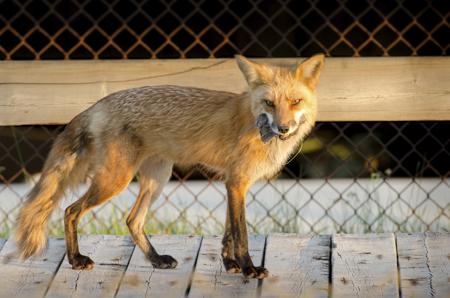
A red fox can easily jump over a fence 2 meters high. It is also capable of swimming. The fox is known to produce 28 different vocal sounds to communicate with its group members.
Frequently Asked Questions
What is the scientific name of the red fox?
Vulpes vulpes
How many sounds can a red fox make?
28 different vocal sounds
Is the red fox endangered?
No, the IUCN lists it as Least Concern and one of the world's 100 worst invasive species
What do you call a group of foxes?
A skulk
Adaptability
Moles may be the last thing a red fox would choose to eat, though it is known to eat almost anything edible. When food is plentiful, the red fox will partially bury the excess, covering it with soil, leaves, or grass and marking the spot with urine. This allows the animal to save food for later.
Group Life and Health
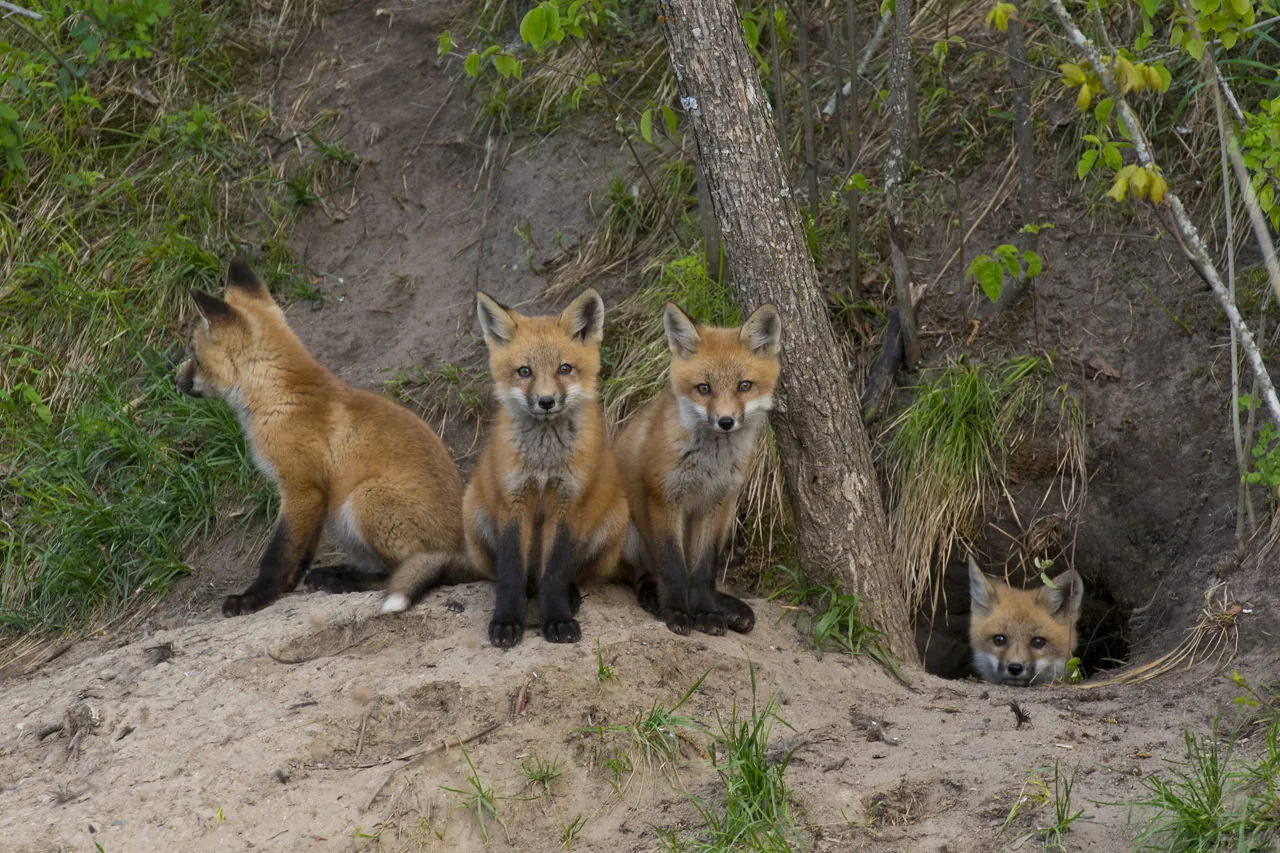
A group of foxes is known as a skulk, and a juvenile is known as a kit. Given the high population of the red fox, its fur has made it popular in the fur trade. Sarcoptic mange is a contagious skin disease the red fox is prone to. It is caused by parasitic mites that embed themselves into the hair follicles or skin of the animal.
Explore More Animals
 Red Fox Habitat: Places Where These Cunning Carnivorans LiveThe red fox lives in grasslands, forests, deserts, icy plains, and even cities. Find out where red foxes live, how they find food, and why they've conquered alm
 Fast Facts About Foxes That Will Leave You SpellboundFoxes are best known as sly creatures; however, these are like any other animal in the wild. Read some interesting facts about foxes and their relationship with
 What Do Foxes Eat? Diet, Hunting Habits & Fun FactsFoxes are omnivores that eat everything from rabbits and mice to berries and earthworms. Discover what foxes eat, how they hunt, and what makes their diet so im
 A Complete List of Different Types of Foxes, With PicturesNot every animal called a fox is a true fox. Meet the 12 true foxes of genus Vulpes (the red, Arctic and fennec) plus the crab-eating, South American, bat-ear

Conservation Status
On the conservation front, the International Union for Conservation of Nature (IUCN) puts the red fox in the list of Least Concern for extinction. In fact, it lists the animal among the world's 100 worst invasive species. Way to go, red fox!

 Fun fact for today!Red foxes can make 28 different vocal sounds, more than most wild mammals!