

Where in the World Does the Red Fox Live?
The red fox is the largest member of the Vulpes genus. It is native to most of North America and Asia (excluding some southern stretches and the arctic region) and to the whole of Europe.
It is also found in the patchy fertile regions of northern Africa, around the Nile and a few places along the Mediterranean coast. South America and Antarctica are the only continents that don't house this gutsy creature.
Since being introduced in Australia in the 19th century, the red fox has become extremely successful there. It now lives on mainland Australia almost everywhere.
What Kinds of Habitats Do Red Foxes Use?
The red fox can be found in grasslands, deserts, thick forests, and icy plains. If that's not impressive enough, it is also very comfortable in urban areas.
This fox prefers areas of lower latitudes. That preference is actually used by other fox species to avoid red fox territories in some regions.
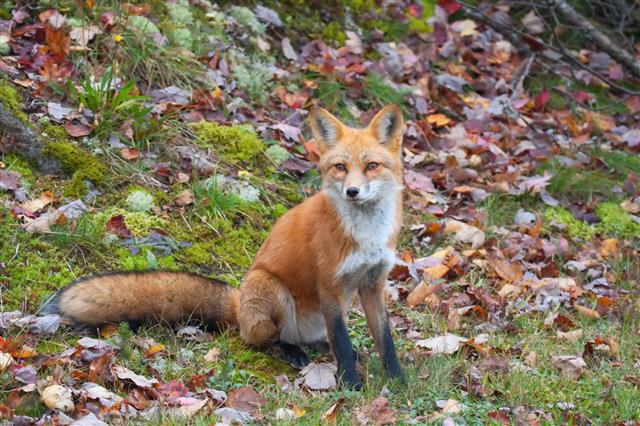
During winter, the red fox spends more time in its den. For the rest of the year, it is mostly out searching for food, usually during the night or in the early morning hours.
What Does the Red Fox Eat?
Red foxes adjust their diet based on where they live. They feed on native rodents and birds, and they also forage for berries and tubers. Their most common prey includes mice, rats, voles, rabbits and hares, and waterfowl. Their favorite plant foods are berries, cherries, apples, plums, acorns, and various tubers.
Frequently Asked Questions
What continents do red foxes live on?
Red foxes live on every continent except South America and Antarctica.
Why were red foxes brought to Australia?
They were introduced in the 19th century for foxhunting, a popular British sport.
Where does a red fox build its den?
Always near a source of water (a stream or pond) and with good drainage.
Is the red fox the most widespread carnivore in the world?
Yes, through its cunning and adaptability, the red fox has become the most populous carnivore in the world.
Life in the City
When living in urban areas, the fox shifts to an almost completely nocturnal life to avoid contact with people.

Because of their closeness to humans in many places, stray fox kits (juvenile foxes) are sometimes adopted as pets. Although they are naturally very afraid of humans, they can form strong bonds with their owners and their pets if they are raised with them from a young age. Once grown, though, they are almost never friendly toward strangers.
Take the Red Fox Habitat Quiz!
5 quick questions. Find out how much you know about where red foxes live.
The Red Fox Den
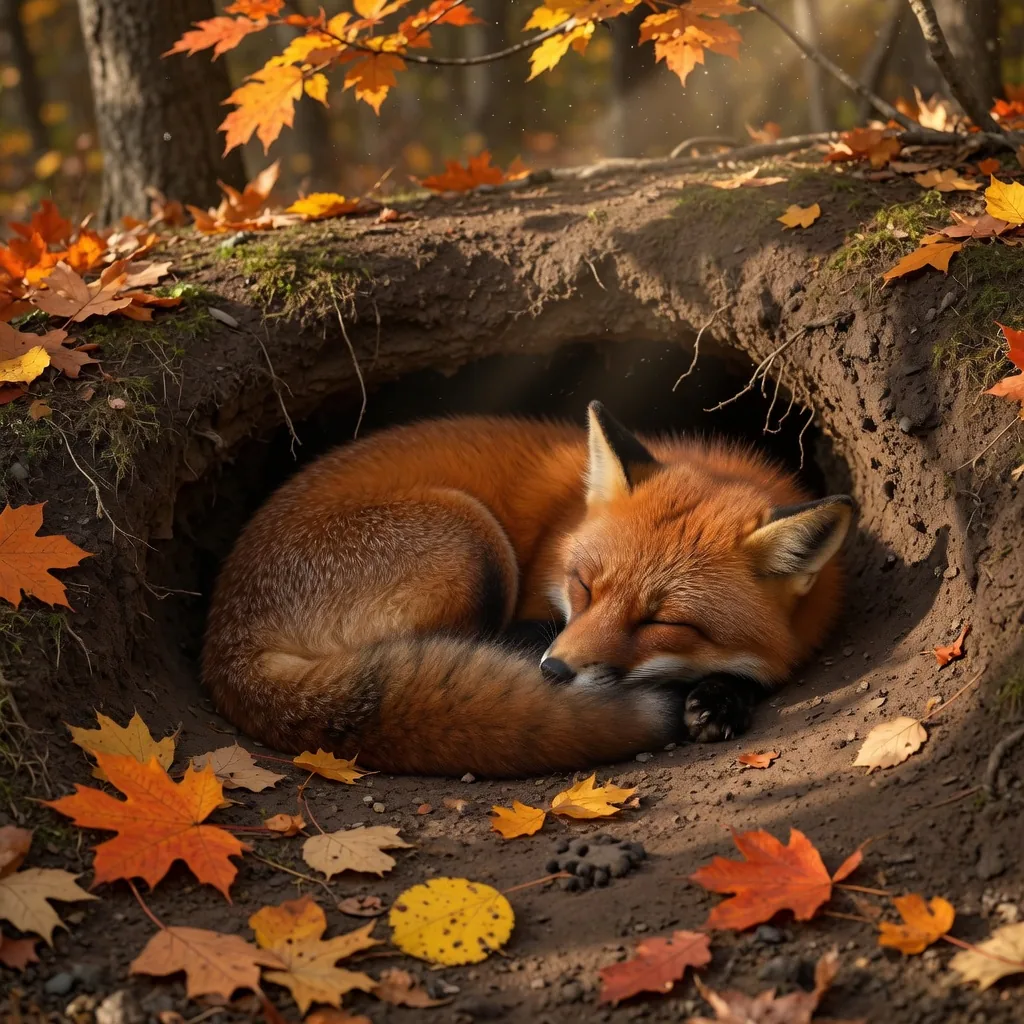
In the wild, the den of a red fox is always near a source of water. This could be a stream or even a pond. Red foxes also choose their dens carefully with an eye on drainage, a very useful trait in areas with heavy rainfall. Red foxes may also use multiple dens, moving between them as needed.
How Red Foxes Deal with Other Fox Species
In most of their range, red foxes dominate other fox species. They are the largest true foxes in the world. The only Vulpes species they cannot dominate is the corsac fox, found in the Central Asia plateaus and mountain ranges.
In many regions, other foxes avoid red foxes by sticking to cliffs or mountains, which the red fox tends to avoid. The arctic fox stays away from the red fox by finding food in regions far colder and sparser than the red fox can tolerate. The edge of the arctic tundra is usually the dividing line between the range of the red fox and that of the arctic fox.
Explore More Animals
 Jaw-dropping Facts About the Red FoxBuilt for speed and known for its clever opportunistic behavior, the red fox is one of the world's most widespread mammals. Discover its habitats, diet, amazing
 A Complete List of Different Types of Foxes, With PicturesNot every animal called a fox is a true fox. Meet the 12 true foxes of genus Vulpes (the red, Arctic and fennec) plus the crab-eating, South American, bat-ear
 Fast Facts About Foxes That Will Leave You SpellboundFoxes are best known as sly creatures; however, these are like any other animal in the wild. Read some interesting facts about foxes and their relationship with
 What Do Foxes Eat? Diet, Hunting Habits & Fun FactsFoxes are omnivores that eat everything from rabbits and mice to berries and earthworms. Discover what foxes eat, how they hunt, and what makes their diet so im
Where Do They Come From?
Historically, red foxes originated in Eurasia, probably around Eastern Europe and the Caucasus, though it could have been much further east. They are believed to have moved to North America less than 200,000 years ago.
Their introduction in Australia came for the purpose of being hunted by the British. Foxhunting (a popular British sport) is why the most dangerous invasive species in Australia came to be there in the first place. Despite being so successful on mainland Australia, red foxes couldn't thrive on Tasmania, presumably due to the overpowering presence of Tasmanian devils.
The red fox is one of the few species not harmed by human activities. It has learned to use human presence to its own advantage. Through its cunning and adaptability, the red fox has managed to populate virtually the entire northern hemisphere, as well as branching out into Australia. It has become the most populous carnivore in the world.

 Fun fact for today!The red fox is the largest member of the true fox genus, and the most widespread carnivore on Earth!