

How Reptiles Are Classified
Reptiles lack the secondary palate that allows breathing while chewing and swallowing. However, crocodiles have a bony secondary palate and turtles have a partial secondary palate.
Living organisms are sorted into groups based on shared features. The animal kingdom is divided into several phyla. Each phylum contains smaller groups called classes, and each class has subdivisions called orders. Each order is divided into families, which in turn contain different genera made up of species.
Reptiles belong to the phylum Chordata in the class Reptilia. That class is divided into four orders: Crocodilia, Rhynchocephalia, Squamata, and Testudines. As the name suggests, Crocodilia includes crocodiles, gavials, caimans, and alligators. Squamata contains snakes and lizards, while turtles and tortoises belong to Testudines. Rhynchocephalia has a single reptile species found only in certain parts of New Zealand, these animals are called tuataras, and they look similar to lizards. In short, the class Reptilia has more than 8,000 species that are all quite different from one another, yet share certain common features.
It is well known that snakes, crocodiles, and lizards are reptiles. But how do you define one? Birds can simply be described as vertebrates with wings. Reptiles are harder to pin down because they have such diverse features across different types. They share some traits with amphibians and some with mammals, but are a distinct and unique group. This article covers the key characteristics common to all reptiles.
Dry Skin with Scales or Scutes
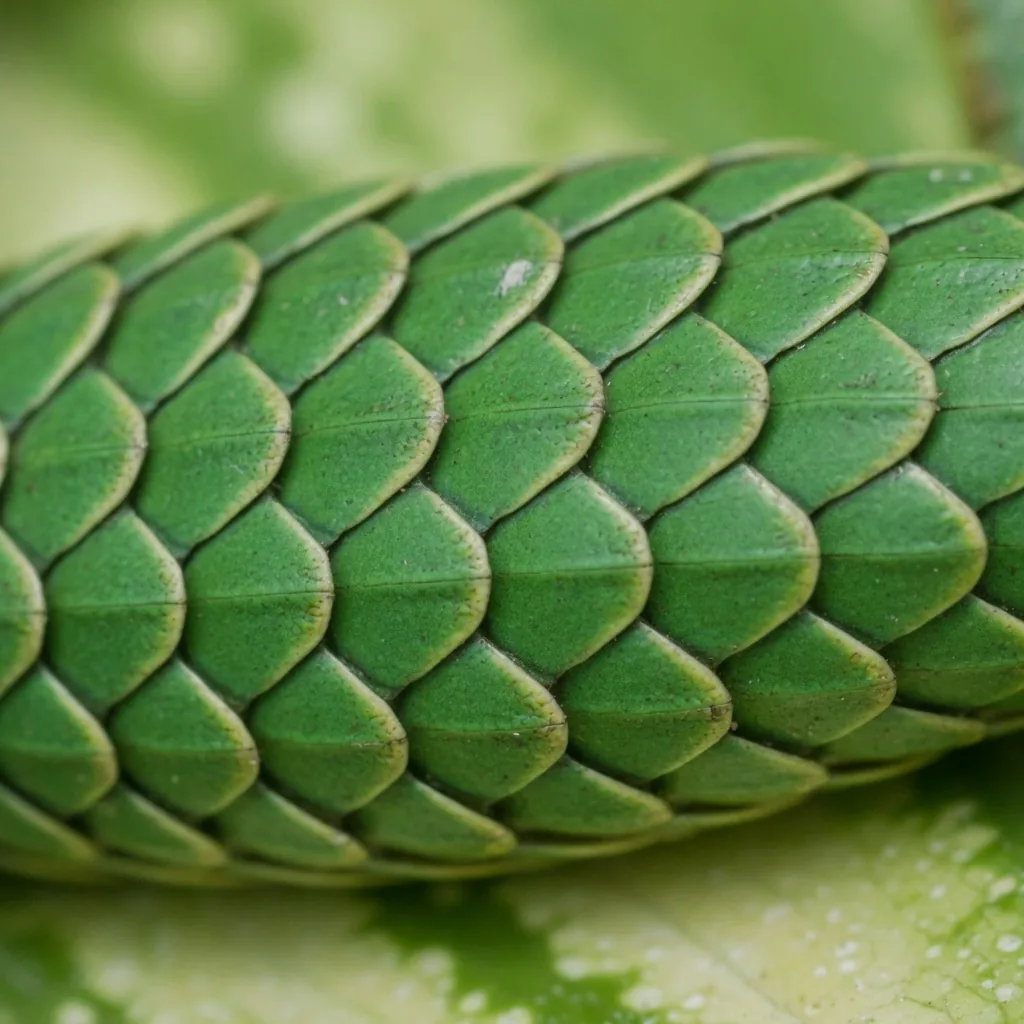
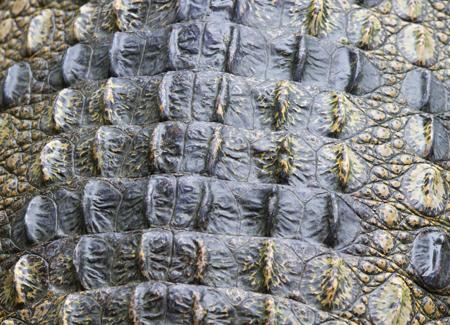
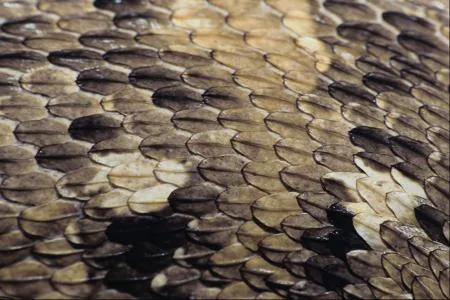
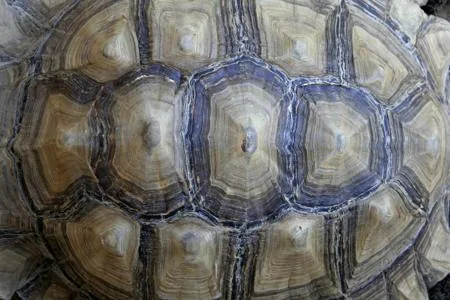
Reptile skin is unique. It lacks feathers, has no hair, and is not moist. It is tough and scaly. Reptiles have dry skin covered with scales or scutes made of keratin. Scales are small, thin, bony plates that develop from the epidermis (the outer skin layer). Scutes are bony structures that form from the deeper dermis layer.
Snakes have both scales and scutes, while turtles and crocodiles have scutes. These structures prevent water loss to a large extent. In lizards, scales can be in the form of keratinized epidermis or in a bumpy, tubercular form. Almost all reptiles have scales or scutes, though non-reptiles like fish share this feature too.
Four Legs, or No Legs
Most reptiles are tetrapods with two pairs of limbs, in other words, they are four-legged animals. There are exceptions, like snakes and certain types of legless lizards. It is believed these legless reptiles evolved from tetrapod ancestors over millions of years. Compared to amphibians, whose legs extend out to the sides of their bodies, reptiles have legs that are angled downward. This lets them lift their bodies off the ground and move faster.
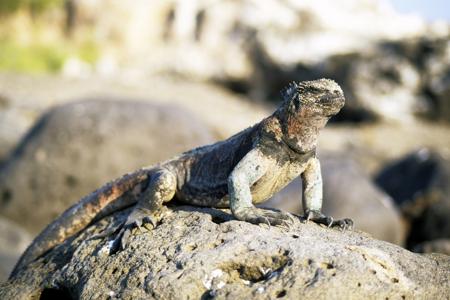
Most reptiles have five clawed toes on each limb. Crocodiles have four digits on their hind feet. In some types of turtles, the digits are fused to form paddle-like flippers.
Ectothermy, Cold-Blooded Bodies
Reptiles are ectothermic animals. They depend on external heat sources to regulate their body temperature, rather than generating heat internally the way mammals do. This is why you see reptiles basking in the sun or burying themselves in warm soil.
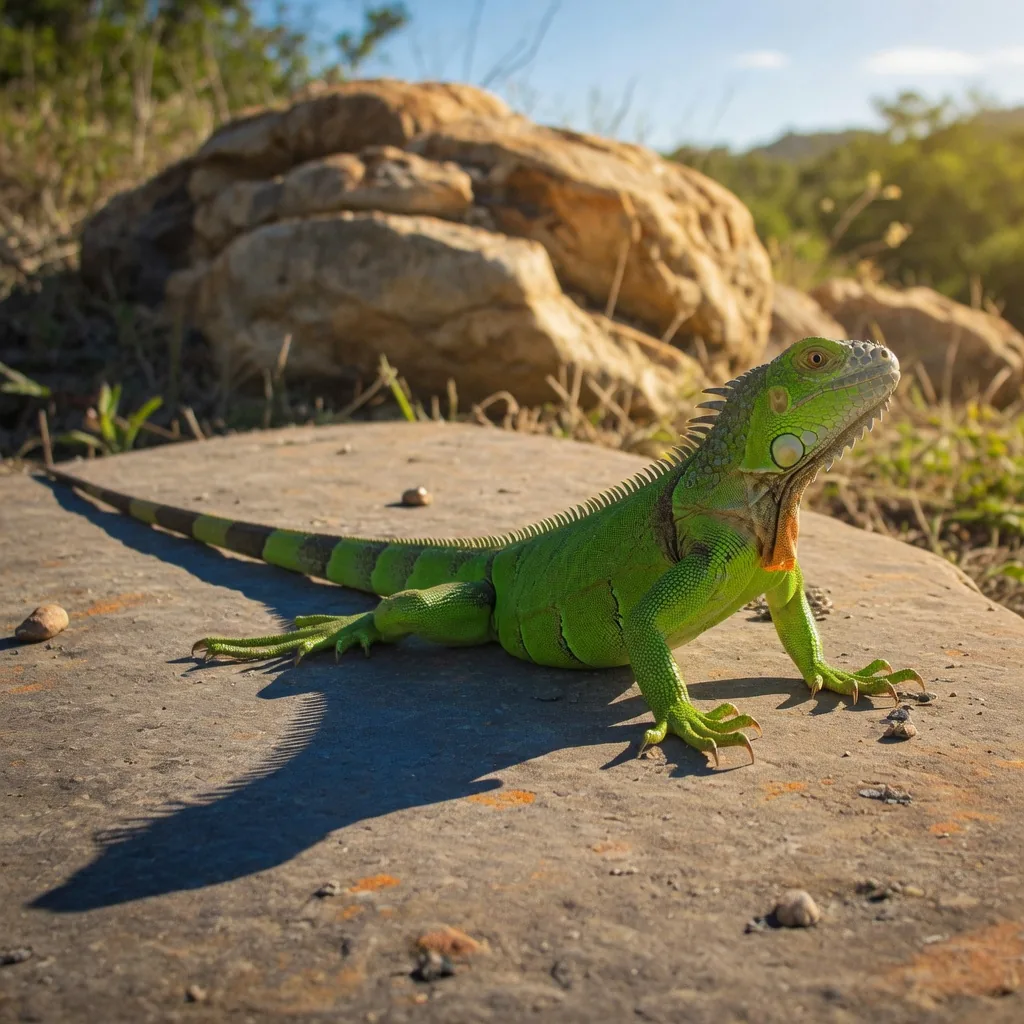
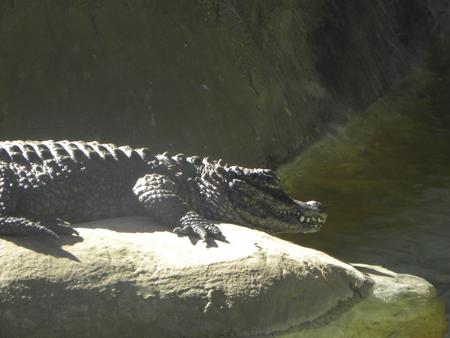
Because of this, reptiles are found in many habitats, including very hot deserts. If temperatures are not favorable, some reptiles prefer hibernation. Their activity level rises and falls with external temperature, they are lively in warm weather and sluggish when it is cold. Unlike endothermic (warm-blooded) animals, reptiles can stay inactive for long stretches and save energy this way. They are also called poikilotherms because their body temperature changes as the environment changes.
Test Your Reptile Knowledge!
5 quick questions about reptile characteristics. How many can you get right?
Internal Fertilization and Amniotic Eggs
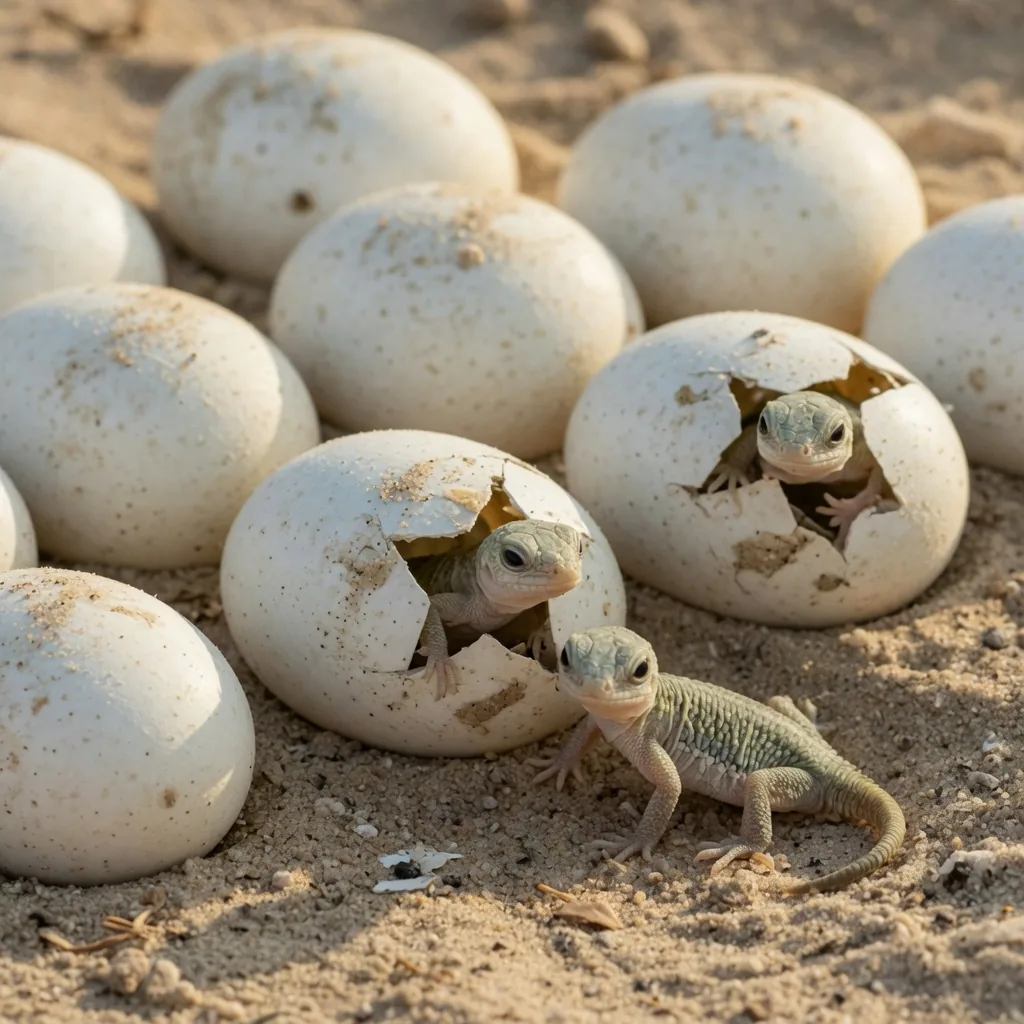
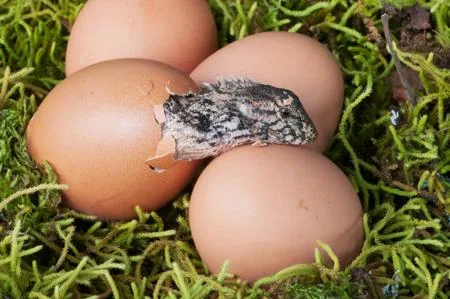
Sexual reproduction through internal fertilization is common in reptiles, and most of them lay amniotic eggs. Some reptiles keep the eggs inside their bodies until they hatch. The tough, leathery shell of a reptile egg protects the developing young. While the yolk provides nourishment, the shell is porous enough to allow oxygen and other gases to pass through. In crocodiles and turtles, the temperature of the eggs during incubation determines the gender of the offspring.

Reptile Bodily Systems
All reptiles except snakes have a bony skull, spinal column, rib cage, and the limb bones that form the framework of their legs. Reptiles also have spinal bones in the pelvic region. They have a well-developed brain and central nervous system. The breastbone protects both the heart and the lungs. Another standout feature of the reptile skeleton is the single ball-and-socket connection at the neck joint that links the skull to the spine.
Unlike amphibians, reptiles do not go through a gill-breathing embryo stage. They breathe with well-developed lungs right from birth. Most reptiles have two lungs, except for some snakes, which have just a single lung. Reptiles have no gills, and breathing through the skin (cutaneous respiration) is negligible.
All reptiles have three-chambered hearts, except crocodiles, which have four-chambered hearts, like mammals and birds. The three chambers consist of two atria that receive blood and one partially divided ventricle that pumps it.
The digestive system of reptiles is similar to that of other vertebrates. However, the gut, urinary ducts, and reproductive organs all lead to one rear chamber called the cloaca, which has a muscular opening at the base of the tail. In reptiles that live in dry regions, water is further absorbed from waste in the cloaca before it is excreted. Most reptiles are carnivorous and have simple digestive systems, while herbivorous reptiles have longer intestines to digest plant matter.
Reptiles have sharp sense organs that help them find food and escape predators. Their eyes are set toward the front of the head to allow binocular vision. Most lizards can move each eye independently, and some have a protective cover above their eyes. Reptile eyes are built for distance vision but can also focus on close objects through muscular movement. Blind snakes are an exception, they lack functional eyes, with only vestigial eyes hidden beneath scales. Most reptiles also lack external ears; the eardrum sits close to their eyes rather than in an ear canal.
This is a general overview of the basic characteristics of reptiles. While these features apply to almost all reptiles, there are many exceptions within such a large and diverse group.
Reptiles are considered the first animals with the ability to live and reproduce entirely on land. They dominated the Earth for over 200 million years and still live on every continent except Antarctica. These animals thrive in a wide range of habitats, ponds, seas, lakes, treetops, deserts, and mountain ranges. Because they are cold-blooded and cannot generate their own body heat, they are absent from the Antarctic region.
Explore More Animals
 Different Types of Lizards: A Field Guide to 26 FamiliesMeet 26 families of lizards - agamas, geckos, chameleons, iguanas, Komodo dragons and more - with photos, where they live, what they eat, and one amazing fact f
 Where Do Crocodiles Live? Habitat, Species & Amazing FactsCrocodiles live near swamps, marshlands, brackish waters, lakes, and rivers across five continents. Meet all the species, learn where each one lives, and discov
 Your Complete Guide to Snake IdentificationIdentify any snake by its length, girth, pupils, pattern, head shape, and tail plates, then learn the warning signs of a venomous one. A clear photo field guid
 Examples of Cold-blooded AnimalsThat the lengthy list of cold-blooded animals is dominated by reptiles and amphibians shouldn't really come as a surprise, considering that nearly all animals i

 Fun fact for today!Reptiles have lived on Earth for over 300 million years, long before the first dinosaurs appeared!