

These days, you can see signs everywhere saying "Just 1411 Left", referring to the tiger population in the Indian subcontinent. Normally, you might groan at seeing the number 1411 on a shopping bill; that sounds like a lot. But when it represents the number of surviving tigers, don't you think it's too small a number for an entire species?
Statistics show that by the end of the last century, Earth had already lost 3 out of 8 tiger subspecies. The three lost forever are the Caspian, the Balinese, and the Javan tiger.
Extinction means that none of the future generations will ever see these animals, they are just names now. It is hard to imagine that this charismatic animal is poisoned, trapped, shot, and killed for monetary gains. Such a miserable death for such a royal being. Substitute human beings in those statistics and imagine how it would feel if there were just 1411 of them left. It sounds like a sci-fi movie, but it is definitely scary. And the scariest part is that somebody else would probably be doing the counting.
The Subspecies
As already mentioned, there are 8 subspecies of tigers, of which 3 are extinct. The names of all 8 are:
- Bengal Tiger
- Indochinese Tiger
- Sumatran Tiger
- Amur/Siberian Tiger
- South Chinese Tiger
- Javan Tiger (extinct)
- Caspian Tiger (extinct)
- Bali Tiger (extinct)
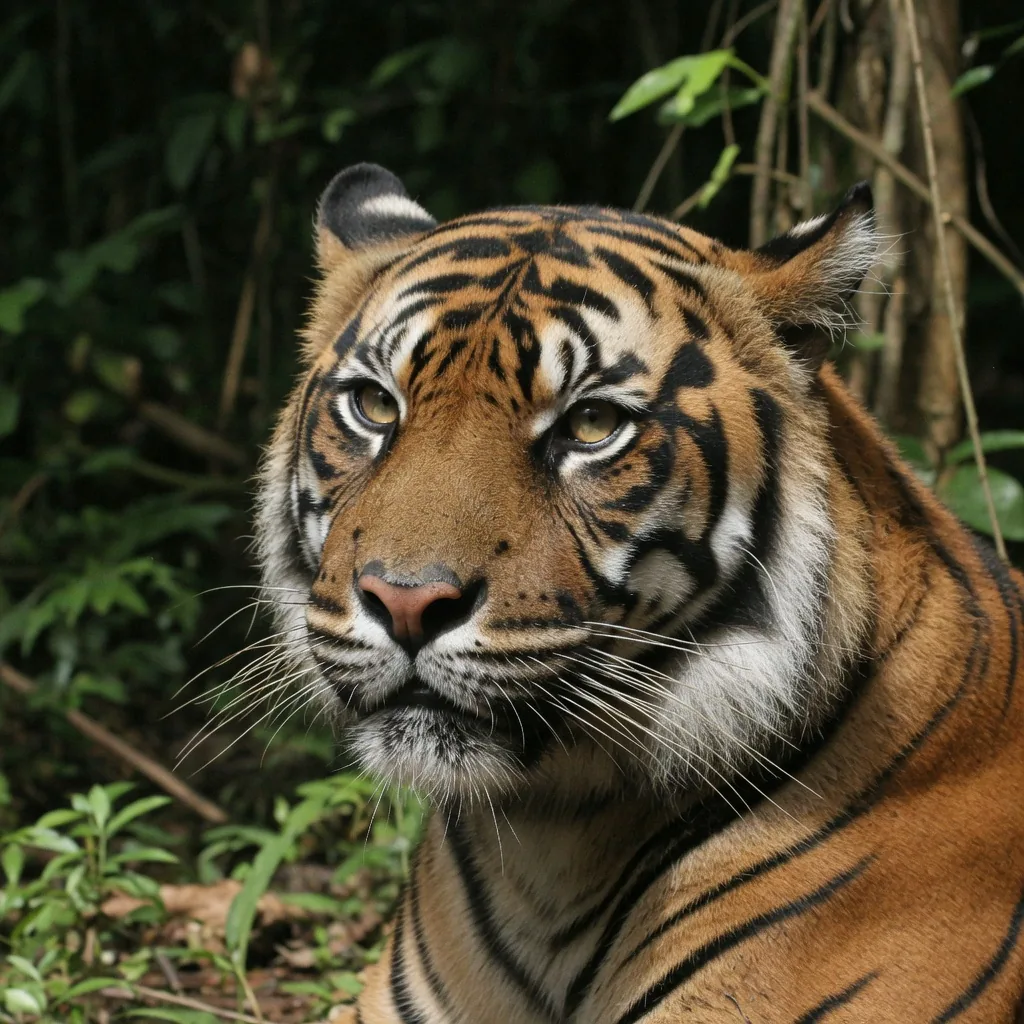
The subspecies without "extinct" after their names are endangered and may soon share that fate, thanks to human beings. Interestingly, scientists have suggested that the South Chinese Tiger is already "functionally extinct."
Classification
- Class: Mammalia
- Order: Carnivora
- Family: Felidae
- Genus: Panthera
- Species: Panthera tigris
Tiger Facts
Physical Characteristics
The tiger is the largest member of the cat family. Its size varies by subspecies and gender. The average height is 3 feet at the shoulder, and 5-7 feet from head to rump. The tail adds another 3 feet. Weight ranges between 175 and 650 pounds depending on the subspecies.
In the Food Chain
The tiger stands at the very top of the food pyramid. It is the unofficial king of the jungle, and its only true enemy is human beings. It hunts everything from a deer to a seal. Its hunting skills are among the best in the animal kingdom, the only ones who defeat it are poachers. Poachers hunt and kill tigers for their fur, teeth, and other parts. Just one kill makes a poacher richer by many folds, so it is difficult to convince people not to kill this animal. What is needed are stricter rules and dedicated activists and forest rangers who make sure this precious creature is not harmed.
World Population
According to statistics, the world population of the tiger in the early 1900s was around 100,000. It fell to about 40,000 by the 1950s. A major crash came in the 1970s, when numbers dropped to just 4000 owing to wide-scale poaching for fur, use in Chinese medications, and some rare delicacies. Even today, people in countries like Korea, Taiwan, China, and India still earn money by killing this magnificent animal. The first step must be stopping the trade in animal fur and body parts, when there is no demand, there will be no killing. Current statistics suggest that there are around 5000-7000 tigers left in the world, of which 1411 are in the Indian subcontinent.
Take the Tiger Quiz!
5 questions. How much do you know about tigers and why they need our help?
Enemies
- Poaching: Killing tigers for their parts has been happening for ages. Some communities use every single part of a tiger once it is killed, and they earn a great deal of money from it.
- Hunting: Hunting tigers used to be a favorite pastime for royalty. Killing a tiger and keeping the head as a trophy is an age-old tradition, and it is still followed in some places.
- Depleting Habitat: Tigers are described as an umbrella species, so protecting them means protecting their entire habitat and the other animals they share it with, including the prey they eat.
- Chinese Medicines: Traditional remedies that use tiger parts have existed for thousands of years. Ironically, there is no scientific proof that they work, yet tigers are still being killed for them.
Save the Tiger from Extinction
Organizations across the globe are working hard to protect this animal. However, given the size of the habitat, it is practically impossible to protect every single animal. Though people are trying, it is still not enough. There are organizations working tirelessly so that each tiger is safe and lives a full natural life.
Governments have banned poaching and created wildlife sanctuaries where tigers can live freely, protected from human beings. But somewhere, the efforts are failing, because of human negligence, and in some places, because of human greed. Corruption has led to cases where the very protectors allowed animals to be killed for money.
So this proves that nothing can defeat the human mind. A tiger will be safe only when human beings understand why it is important and necessary to save it. Building sanctuaries and surrounding them with fences is not enough when one corrupt person can undo all of that in a single night.
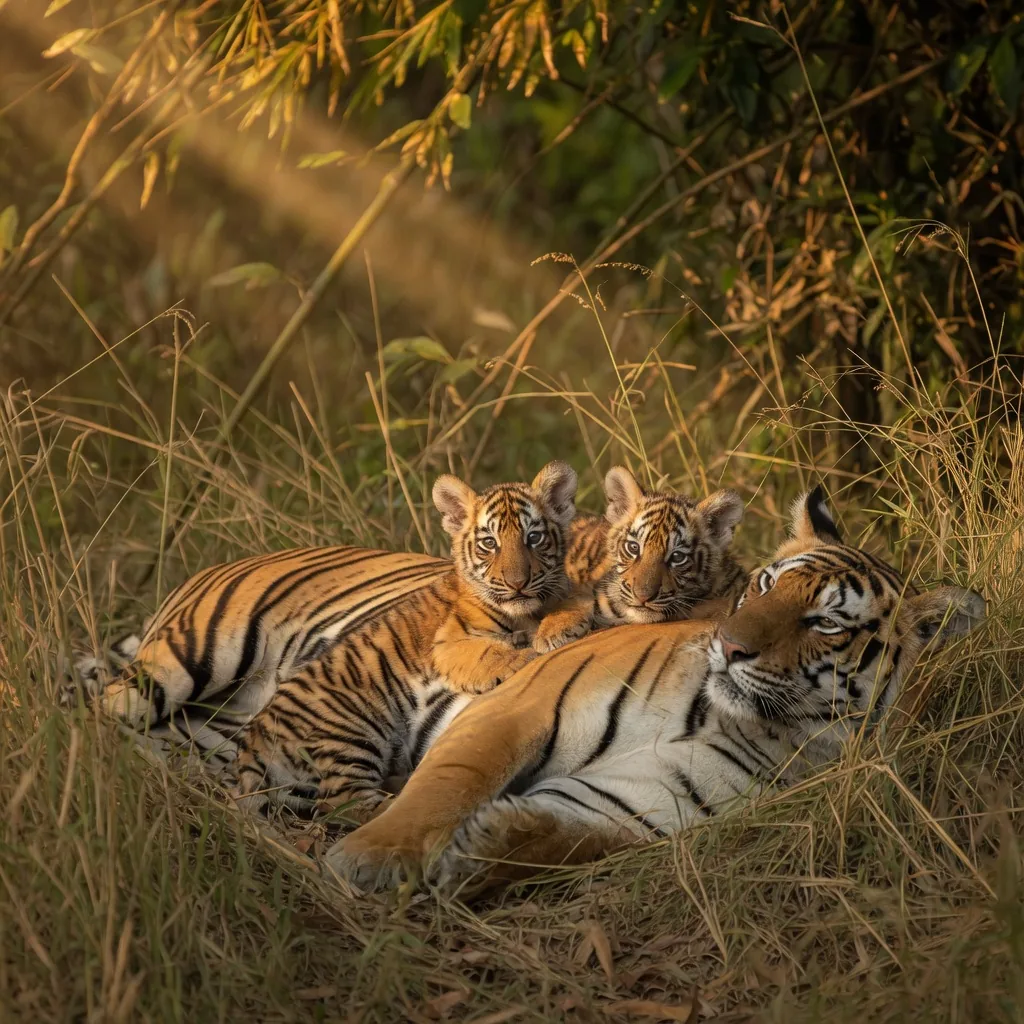
It is high time that all tigers are brought together into high-security protected areas, away from human encroachment. There is no real need to keep them in ordinary zoos and sanctuaries. They would all be better off away from human contact. Some extreme steps are needed so that this animal is protected and bred to increase its numbers.
People need to come together and fight for this species. Normally, we are concerned but we shrug it off, saying wildlife activists will take care of that. What we don't understand is that this animal now needs the help of every single human being. A few hundred people cannot save this species anymore.
We, as co-earthlings of this animal, need to start a revolution so that this king of the jungle can roam freely once again and have no predators. It is time we start doing something. Write about it, donate to the organizations working for tigers, form groups and promote campaigns in support, and most importantly, volunteer to save the tiger from extinction, the organizations need dedicated hands.
Explore More Animals
 Subspecies of Endangered Tigers You Didn't Know About, But ShouldOne of the most majestic animals of all time, the tiger is on the brink of extinction. Discover the surviving subspecies, how many remain, and why tigers are en
 Tiger's Habitat: What do Tigers Eat?Royal in their appearance, tigers are one of the most majestic animals seen in the wild. Here is some information about their habitat and food habits.
 Facts About the Bengal Tiger That Will Leave You FlabbergastedBengal tigers are the second largest big cat on Earth, and one of the most endangered. Discover their stripes, hunting habits, white tiger connection, and how
 Survivors of the Cold: Interesting Facts About Siberian TigersSiberian tigers are the biggest cats on the planet and one of the most endangered. Discover facts about their size, diet, hunting skills, and survival in Russia

 Fun fact for today!In the early 1900s there were around 100,000 wild tigers. Today only about 5,000-7,000 remain.