

Snakes in Indiana
There are roughly 39 taxa of snakes that are native to Indiana. While some prefer wooded areas, others occupy wetlands or marshes. So how many of the 39 are venomous? Only 4. They are:
- Timber Rattlesnake
- Eastern Massasauga
- Northern Copperhead
- Western Cottonmouth
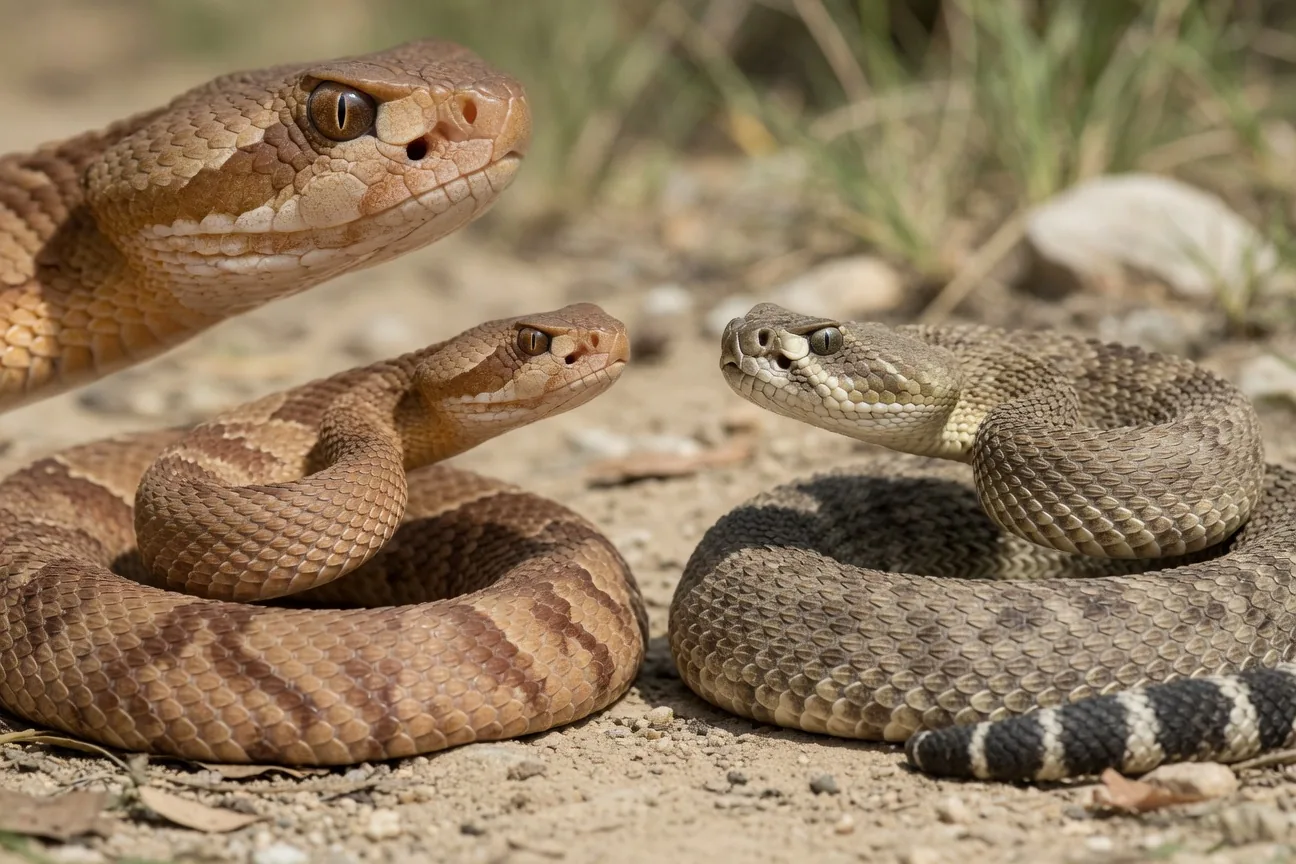
These venomous snakes are all pit vipers. You can often recognize them by the following characteristics. Not every feature will be present on every snake, but together they can really help:
- Heat-sensing pits (behind the nostril)
- Wider heads and narrower necks
- Heavy bodies, they look stout and fat
- Spade-shaped head
- Elliptical pupils
Now for the non-venomous and mildly venomous snakes. Nine snakes are completely non-venomous (all are ratsnakes) and pose no real threat to humans. Another 26 have rear fangs, which can cause mild effects but rarely cause serious harm. This article lists all the snakes found in Indiana.
List of Nonvenomous Snakes in Indiana
The snakes below all appear frequently in Indiana's woodlands, backyards, and waterways. None of them are dangerous. Several are actually common nonvenomous snakes found across eastern North America.
Eastern Hognose Snake (Heterodon platirhinos)
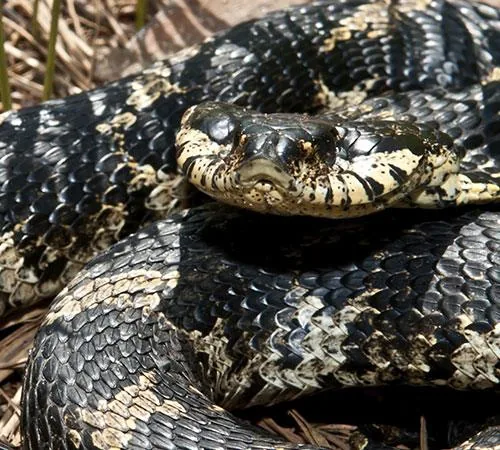
The Eastern Hognose is also called the "puff(ing) adder," but it is a harmless snake. Do not confuse it with the real puff adder, which is a highly venomous viper. That is a totally different species found in Africa. The Hognose gets its nickname by flattening and spreading its neck to look more threatening, pure bluff.
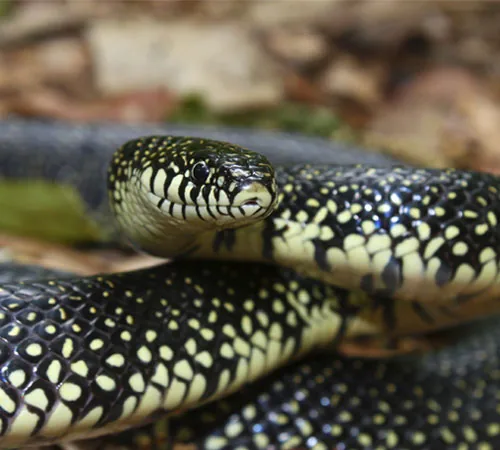
Black Kingsnake (Lampropeltis nigra)
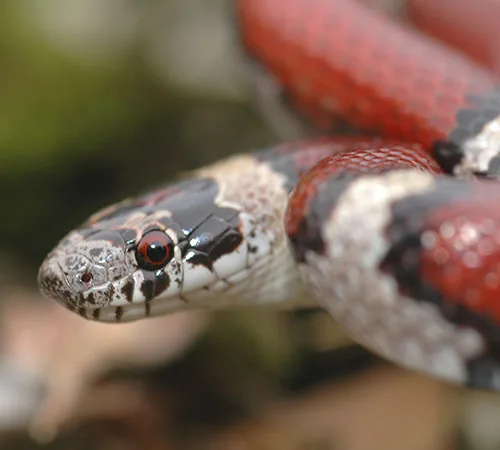
Red Milk Snake (Lampropeltis triangulum syspila)
Eastern Milk Snake (Lampropeltis triangulum triangulum)
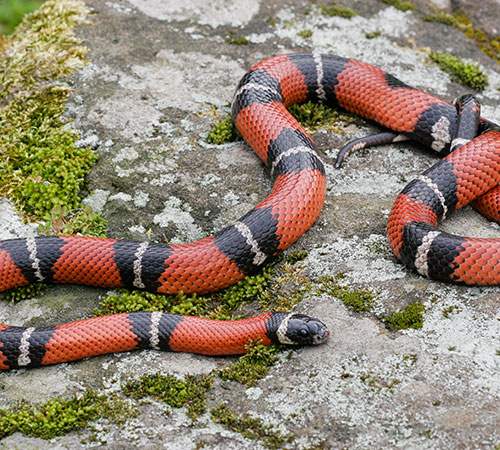
Northern Water Snake (Nerodia sipedon sipedon)
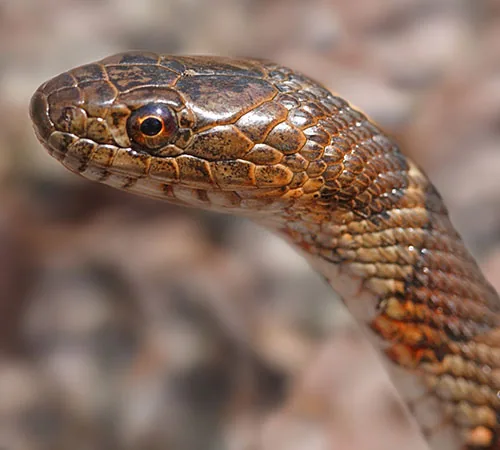
Northern Rough Green Snake (Opheodrys aestivus aestivus)
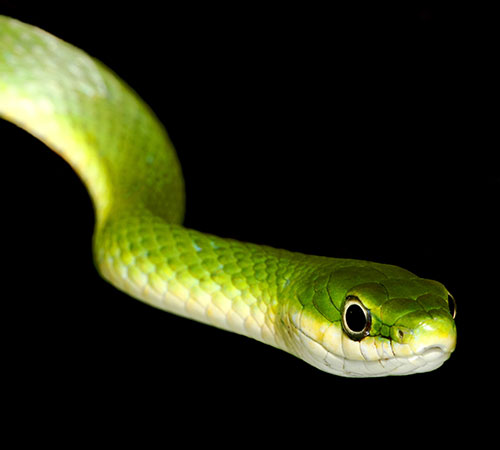
Western Smooth Green Snake (Opheodrys vernalis blanchardi)
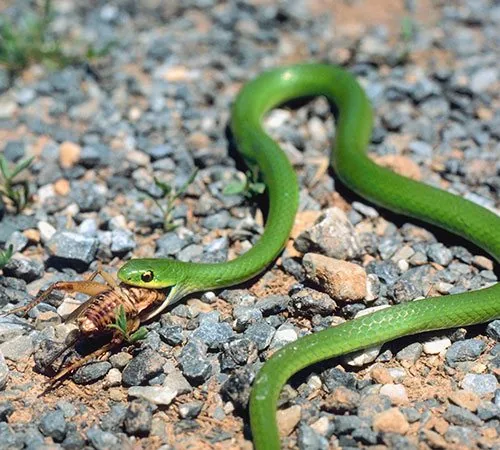
Black Rat Snake (Pantherophis obsoletus)
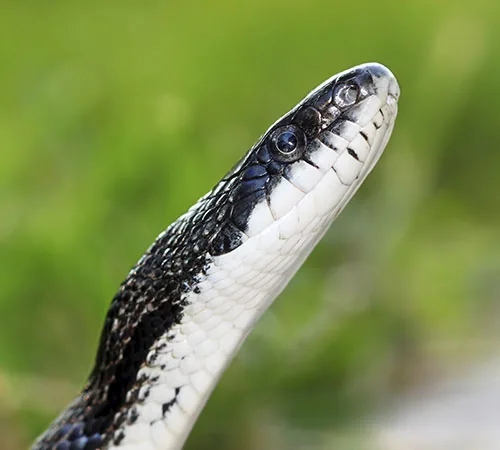
Gray Rat Snake (Pantherophis spiloides)
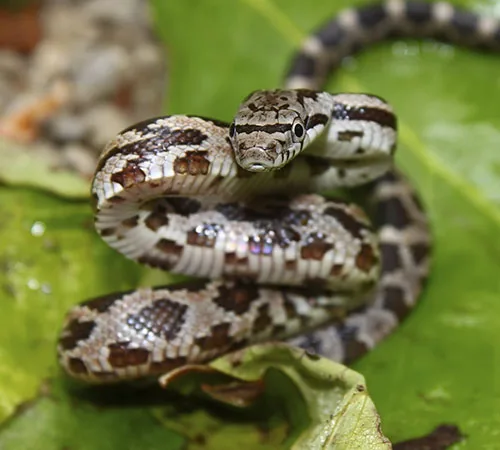
Bullsnake (Pituophis catenifer sayi)
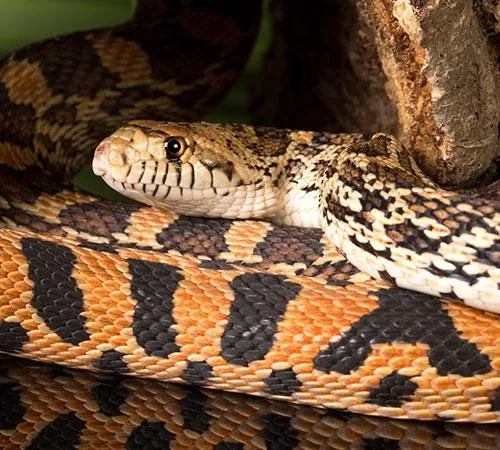
Northern Brown Snake (Storeria dekayi dekayi)
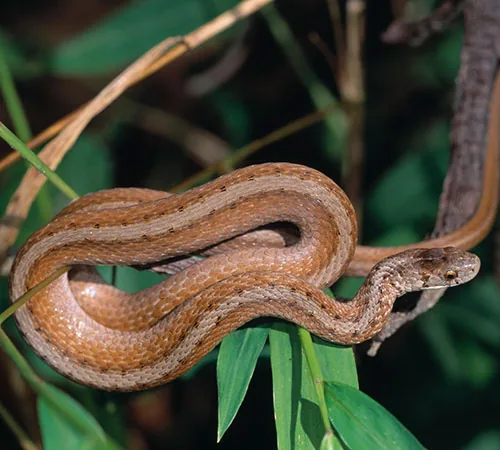
Midland Brown Snake (Storeria dekayi wrightorum)
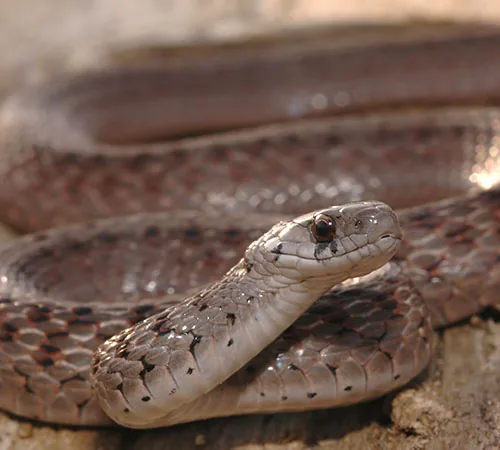
Butler's Garter Snake (Thamnophis butleri)
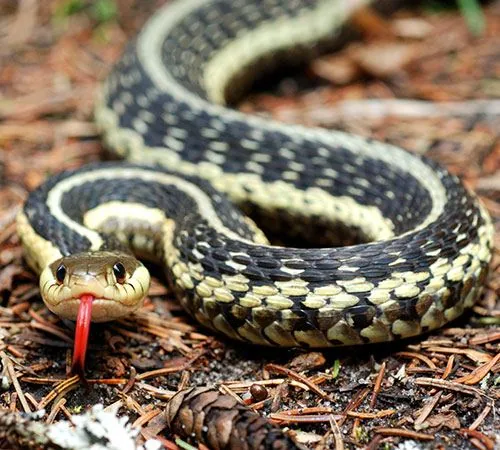
Western Ribbon Snake (Thamnophis proximus proximus)
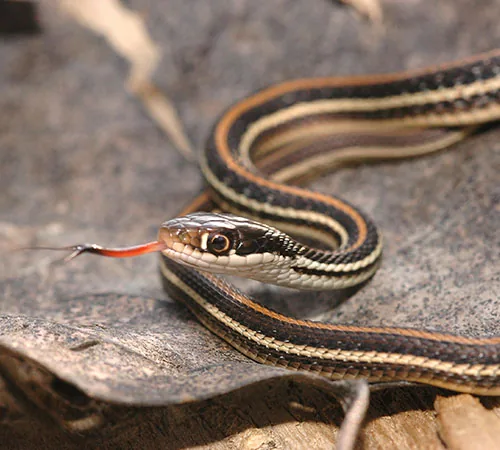
Southern Black Racer (Coluber constrictor priapus)
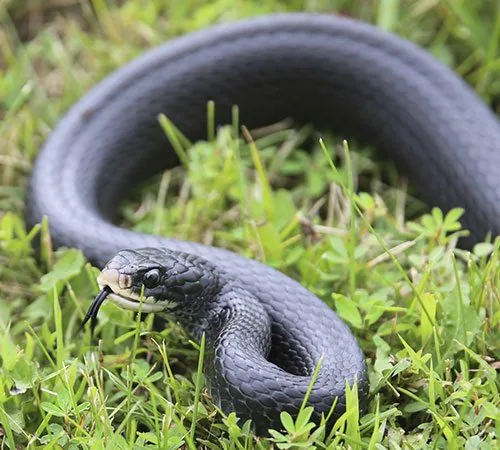
Test Your Indiana Snake Knowledge!
5 quick questions about Indiana's snakes, can you get them all right?
Beyond the species shown above with their own photographs, Indiana's nonvenomous snake list also includes:
- Eastern Garter Snake (Thamnophis sirtalis sirtalis)
- Eastern Ribbon Snake (Thamnophis sauritus sauritus)
- Southeastern Crowned Snake (Tantilla coronata)
- Queen Snake (Regina septemvittata)
- Midland Water Snake (Nerodia sipedon pleuralis)
- Copperbelly Water Snake (Nerodia erythrogaster neglecta)
- Western Mud Snake (Farancia abacura reinwardtii)
- Blue Racer (Coluber constrictor foxii)
- Northern Scarlet Snake (Cemophora coccinea copei)
- Chicago Garter Snake (Thamnophis sirtalis semifasciatus)
- Midwestern Worm Snake (Carphophis amoenus helenae)
- Kirtland's Snake (Clonophis kirtlandii)
- Northern Ringneck Snake (Diadophis punctatus edwardsii)
- Prairie Kingsnake (Lampropeltis calligaster calligaster)
- Northern Diamondback Water Snake (Nerodia rhombifer rhombifer)
- Western Fox Snake (Pantherophis ramspotti)
- Northern Redbelly Snake (Storeria occipitomaculata occipitomaculata)
- Plains Garter Snake (Thamnophis radix)
- Northern Ribbon Snake (Thamnophis sirtalis semifasciatus)
- Western Earth Snake (Virginia valeriae elegans)
List of Venomous Snakes in Indiana
Indiana's 4 venomous snakes are all pit vipers. If you encounter any of these, keep your distance and give them space. They only bite when threatened. Learn more about how to identify venomous snakes before heading into Indiana's wilder areas.
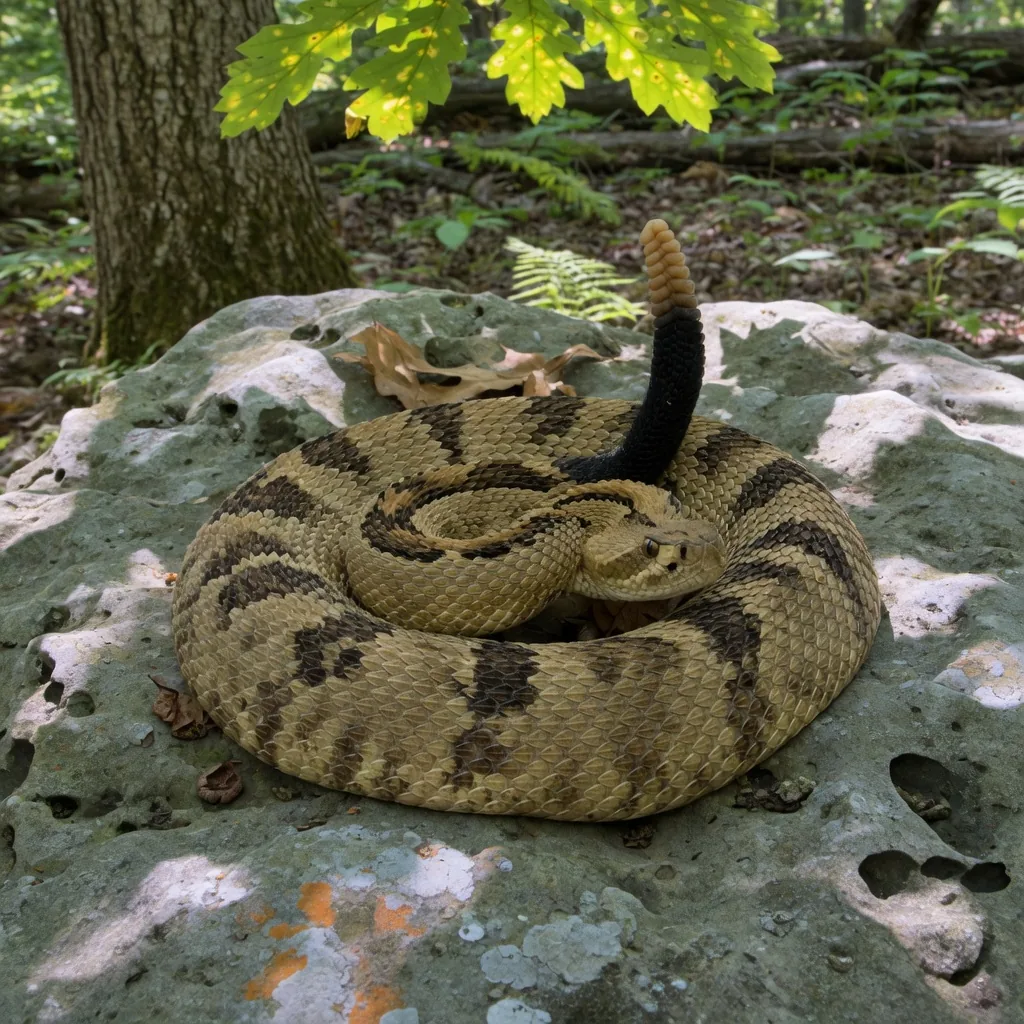
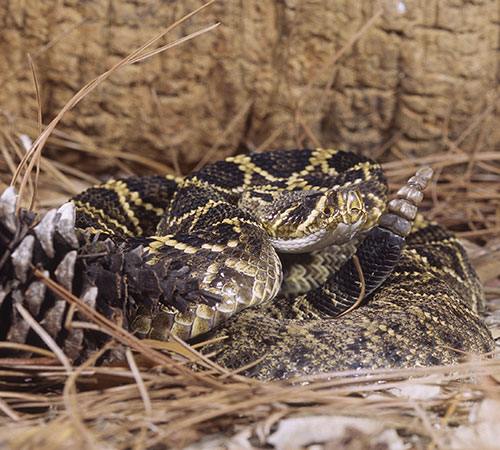
Timber Rattlesnake (Crotalus horridus)
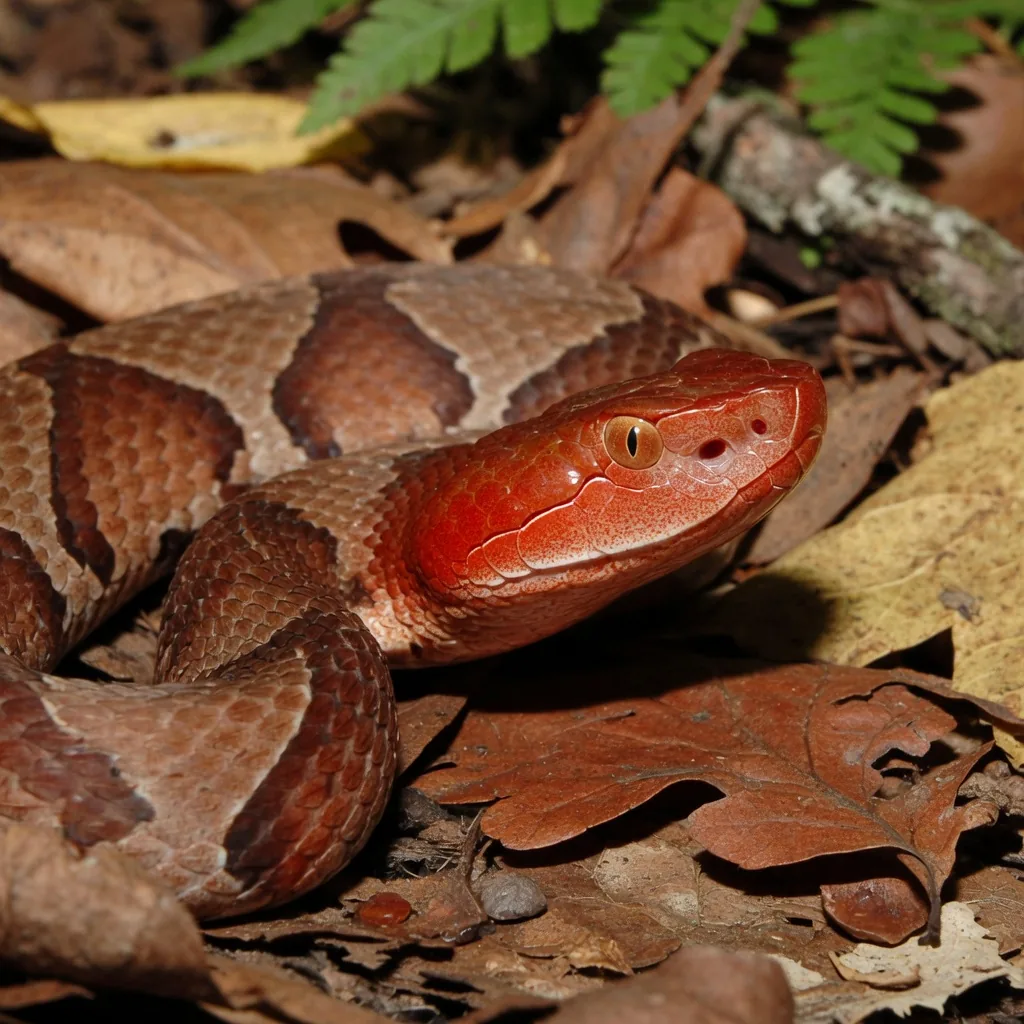
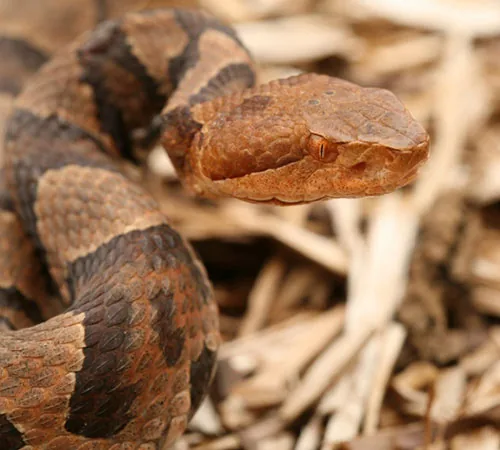
Northern Copperhead (Agkistrodon contortrix mokasen)
Eastern Massasauga Rattlesnake (Sistrurus catenatus catenatus)
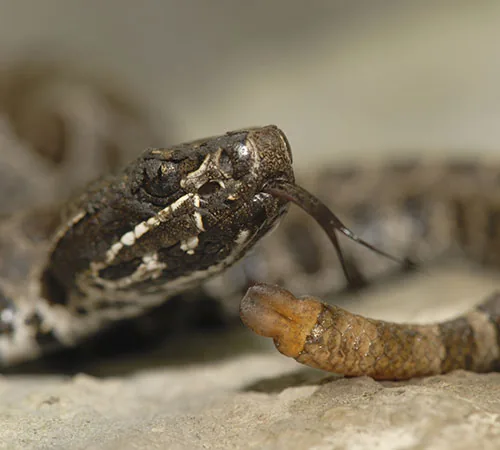
Western Cottonmouth (Agkistrodon piscivorus leucostoma)
The Western Cottonmouth (also called the water moccasin) is Indiana's only semi-aquatic venomous snake. It gets its name from the bright white interior of its mouth, which it displays as a threat warning. It is found in the southern tip of Indiana near the Wabash River floodplains.
Explore More Animals
 Types of Snakes With PicturesMeet every type of snake, from the deadliest venom-injecting cobras and vipers to record-breaking constrictors, tiny thread snakes, and ocean-going sea snakes.
 45 Snake Species That are Found in LouisianaLouisiana is home to 45 snake species, 7 venomous and 38 non-venomous. Discover each one with descriptions, photos, and a Louisiana Snakes quiz.
 Interesting Facts About Blue Racer SnakesThe blue racer snake is found in many parts of the United States, and a limited area of Canada. AnimalSake features some must-know blue racer snake facts.
 List of Nonvenomous Snakes With PicturesMost snakes won't hurt you: about 85% are nonvenomous. Meet pythons, boas, kingsnakes, rat snakes and more harmless snakes, with pictures of each.

 Fun fact for today!Indiana's Eastern Hognose is called a "puffing adder", but it is completely harmless. The real puff adder lives in Africa!