

About Spiders
Spiders are terrestrial arthropods with eight legs, found on every continent except Antarctica. They have the seventh largest diversity of any animal order. There are about 42,000 species of spiders worldwide; America alone had about 3,807 species recorded up to the year 2012.
Some spiders use venom for self-defense or catching prey. But the trait that has fascinated scientists for decades is their spider silk (highly elastic yet extremely strong) used for catching prey, laying eggs, and building their retreats.
A spider's body is made of a head fused to the thorax (called the cephalothorax) and an abdomen. Because their appendages are jointed, they belong to the phylum of arthropods. The tip of each leg, called the tarsus, usually has claws for gripping their web. Their outer skeleton is made of chitin, and they have fangs, which is why they belong to the class of arachnids. In total, 111 families of spiders have been recorded.
Taxonomic Classification of Spiders
- Kingdom: Animalia
- Phylum: Arthropoda
- Class: Arachnida
- Order: Araneae
Georgia's humid and subtropical conditions are ideal for many insects, and so many spider species have made it their home. The state houses more than twenty species, including:
- Green lynx spider
- Black widow spider
- Banded garden spider
- Golden orb weaver
- Zebra jumper
- Orchard orb weaver
- Wolf spider
- Goldenrod crab spider
Classifying Spiders by Behavior
- Diurnal (daytime hunters)
- Nocturnal (night hunters)
- Fishing spiders
- Spitting spiders
- Venomous spiders
- Others
Diurnal Spiders
1. Argiope aurantia, Black and Yellow Garden Spider
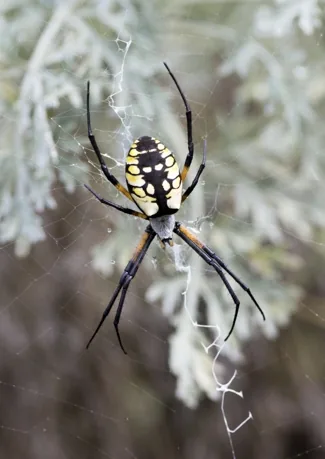
- Family: Araneidae | Genus: Argiope | Species: Argiope aurantia
- Common names: Black and yellow garden spider, Golden orb weaver, Garden spider
- Habitat: Fields, gardens, or forests | Activity: Diurnal
Females are much larger than males. The average female is about 14-28 mm, while males are only 5-8 mm (legs excluded). This spider has eight eyes arranged in pairs: a central pair of median eyes surrounded by three pairs of smaller eyes. Its legs are long relative to the body, and each leg tip has three claws. The first two pairs of legs point forwards; the hind two pairs point backwards.
Females have a rounded black abdomen with bright yellow patterns, and a silvery white carapace. Males are much less colorful, mostly shades of brown. These are typically annual species, and the male usually dies after mating.
2. Argiope trifasciata, Banded Garden Spider
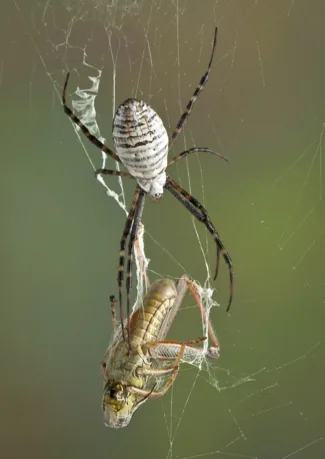
- Family: Araneidae | Species: Argiope trifasciata
- Common names: Banded garden spider, Garden spider
- Habitat: Fields, gardens, or forests | Activity: Diurnal
Females average 10-25 mm; males are about 4-6 mm (legs excluded). Like its cousin, it has eight eyes in pairs, with three claws on each leg tip. The abdomen narrows toward the rear. Female abdomens are yellow or white with black transverse lines; male abdomens are silvery white with hints of gold. Both sexes have a white or silver carapace. They prey on small insects caught in their webs, and, like the garden spider, males die after mating.
3. Micrathena sagittata, Arrow Spider
- Family: Araneidae | Species: Micrathena sagittata
- Common names: Arrow spider, Arrowhead orb weaver
- Habitat: Deciduous forests | Activity: Diurnal
Females are around 8-10 mm; males are around 4-6 mm. They have eight eyes, two close-set pairs of median eyes and lateral eyes placed farther apart. The legs are dark red and proportionate to the body, with three claws each. The abdomen is wide at the rear and carries a pair of dark red spines. It is usually bright yellow, while the cephalothorax is dark red with two bright yellow lines along the sides. Males are typically black.
4. Misumena vatia, Goldenrod Crab Spider
- Family: Thomisidae | Species: Misumena vatia
- Common names: Goldenrod crab spider, Flower crab
- Habitat: On flowers of goldenrod or milkweed | Activity: Diurnal
Females are 6-10 mm; males are only 3-4 mm. Their eight eyes sit in two rows, the lower row slightly curved. In males, the first two pairs of legs are brown while the hind two pairs are yellow. Each leg tip has two claws. Females have a somewhat triangular abdomen, wider at the posterior end, and are usually creamy in color with two magenta or reddish bands running along the sides. Males are more slender with reduced lateral bands. These spiders usually prey on pollinators, and sometimes even eat pollen.
5. Salticus scenicus, Zebra Jumper
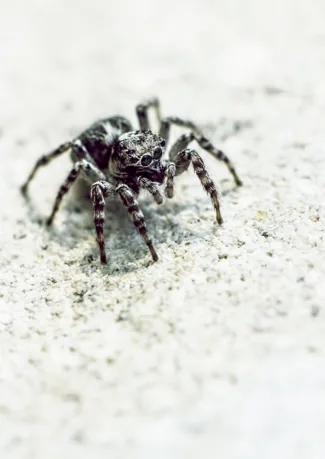
- Family: Salticidae | Species: Salticus scenicus
- Common names: Zebra spider, Zebra jumper
- Habitat: Man-made structures | Activity: Diurnal
Males and females are similar in size, with females slightly larger at about 4-7 mm. They have eight eyes: two positioned towards the back of the carapace, with large median eyes in front. The legs are short and thick with tan and black bands, and each tarsus has two claws. The body is black with golden highlights. Males have large jaws called chelicerae and are darker and more slender than females.
Nocturnal Spiders
6. Tegenaria domestica, Barn Funnel Weaver
- Family: Agelenidae | Species: Tegenaria domestica
- Common names: Barn funnel weaver, Domestic house spider
- Habitat: Man-made structures | Activity: Nocturnal
Females average 6-12 mm; males are 6-9 mm. Eight eyes sit in two rows, the bottom row is straight, the top row curves slightly upward. The long legs have tan and black bands, with three claws on each tarsus. The cephalothorax is pear-shaped, light brown with two dark brown lines running along the thorax. The abdomen is grayish with brown crisscross patterns. Their webs are shaped like a funnel.
7. Cheiracanthium mildei, Yellow Sac Spider
- Family: Eutichuridae | Species: Cheiracanthium mildei
- Common names: Long-legged sac spider, Yellow sac spider
- Habitat: Man-made structures | Activity: Nocturnal
Females are 7-10 mm; males are usually 5-9 mm. Eight eyes sit in two rows, the upper row more curved. The body is widest in the middle and tapers toward both ends, with two claws on each leg tip. They prey on small insects and are often found near outdoor lights.
8. Dysdera crocata, Woodlouse Hunter
- Family: Dysderidae | Species: Dysdera crocata
- Common name: Woodlouse hunter
- Habitat: Garden, field, or forest | Activity: Nocturnal
Females are 12-16 mm; males are 8-10 mm (legs excluded). Unlike most spiders, these have only six eyes arranged close together in a semicircle. The legs are bright orange with two claws each. The cephalothorax is yellowish brown; the abdomen is yellowish brown or gray. They have large chelicerae (fangs), and while they primarily prey on woodlice, they'll catch anything they can.
9. Herpyllus ecclesiasticus, Eastern Parson Spider
- Family: Gnaphosidae | Species: Herpyllus ecclesiasticus
- Common names: Eastern parson spider, Ground spider
- Habitat: Under tree bark or old debris | Activity: Nocturnal
Females are 6.5-12 mm; males are 4.5-6.5 mm. Eight eyes sit in two rows, with the median eyes larger than the rest. The hind two pairs of legs are the longest. The body is blackish brown with silvery white stripes on the abdomen, and two claws on each tarsus. They feed on insects and are often found near outdoor lights.
10. Kukulcania hibernalis, Southern House Spider
- Family: Filistatidae | Species: Kukulcania hibernalis
- Common names: Southern house spider, Crevice weaver
- Habitat: Man-made structures | Activity: Nocturnal
Females (10-25 mm) are much larger than males (9-12 mm, legs excluded). Eight eyes cluster close together. Females are grayish black or dark brown. Males are light brown and are often mistaken for brown recluses. Males are more slender, with three claws on each leg tip.
Georgia Spiders Quiz
5 questions. Can you tell a fishing spider from a wolf spider?
Fishing Spiders
11. Dolomedes triton, Six-Spotted Fishing Spider
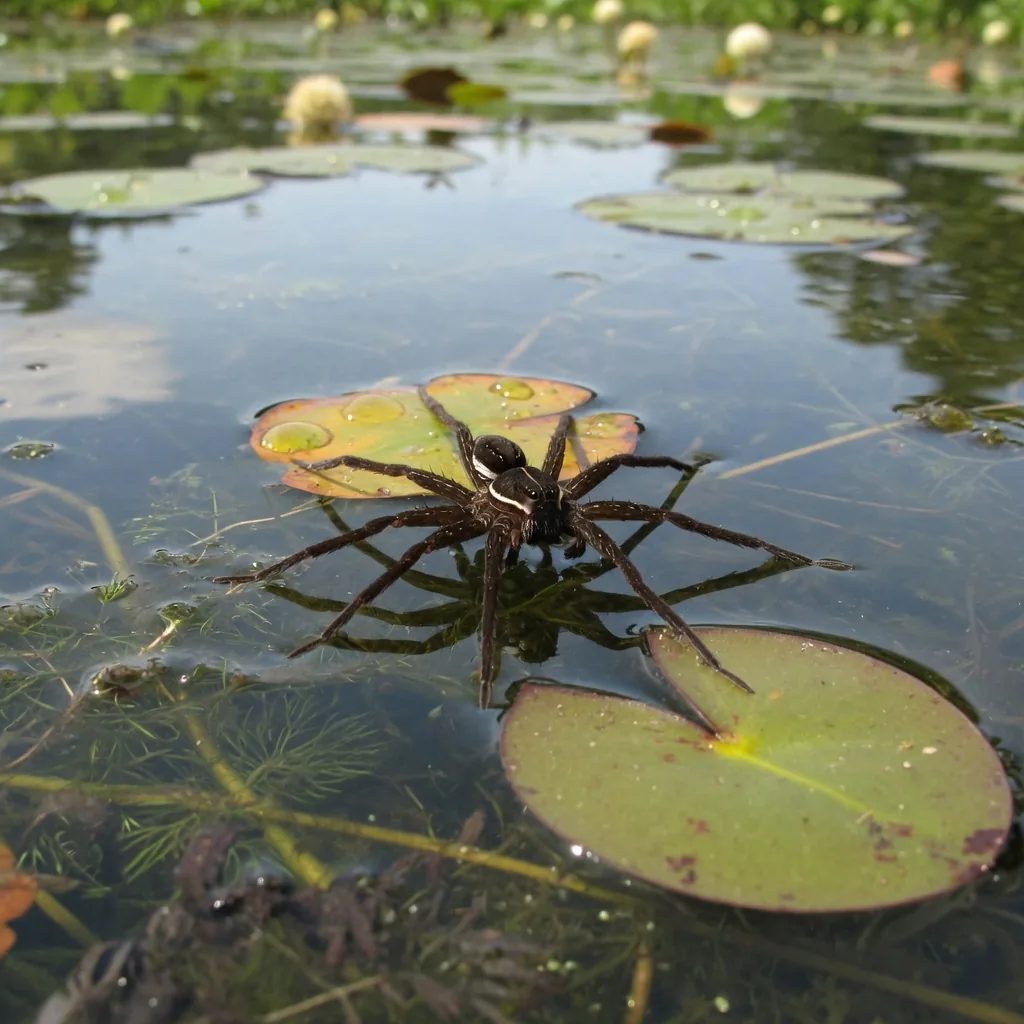
- Family: Pisauridae | Species: Dolomedes triton
- Common names: Six-spotted fishing spider, Raft spider
- Habitat: Margins of water bodies | Activity: Diurnal
Females average 15-20 mm; males are 9-13 mm. Eight eyes sit in two slightly curved rows, with the two pairs of median eyes a little larger. The abdomen is dark brown with a pair of white spots; the cephalothorax is dark brown with white stripes. The sternum has six black spots, that's where the name comes from. These spiders can walk on water and stay underwater for 30-60 minutes. They usually prey on insects and small fish.
12. Dolomedes tenebrosus, Dark Fishing Spider
- Family: Pisauridae | Species: Dolomedes tenebrosus
- Common names: Raft spider, Dark fishing spider
- Habitat: Margins of water bodies | Activity: Nocturnal
Females average 15-20 mm; males are 7-13 mm. Two pairs of eyes are arranged in two slightly curved rows, with the median pair slightly larger. The legs have black and brown bands, with three claws on each tarsus. The body is usually gray with three characteristic "W"-shaped markings. They prey on insects and small fish like minnow. Unlike other fishing spiders, they are not as well adapted to the aquatic habitat. Males are usually killed after mating. Females carry their eggs in their jaws (chelicerae) before laying them in a web.
Spitting Spiders
13. Peucetia viridans, Green Lynx Spider
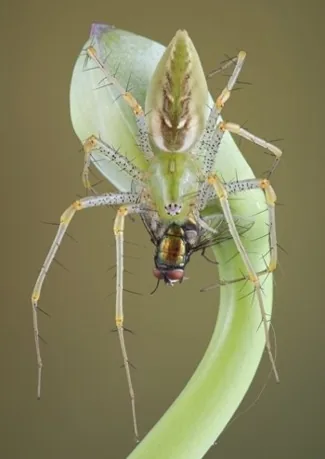
- Family: Oxyopidae | Species: Peucetia viridans
- Common names: Green lynx spider, Lynx spider
- Habitat: Herbaceous gardens, desert conditions | Activity: Diurnal
Females are about 11-22 mm; males are about 8-15 mm. Eight eyes are arranged in an elliptical pattern, two very small eyes at the lower side, two larger lateral eyes, and the rest somewhat oval. The legs are long, thin, and green with conspicuous black spines. The pear-shaped cephalothorax and rounded abdomen are both bright green, with two reddish or deep magenta lines running along the sides of the abdomen. Its diet mostly consists of honeybees and other insects. When attacked, these spiders can spit venom as self-defense.
14. Scytodes thoracica, Spitting Spider
- Family: Scytodidae | Species: Scytodes thoracica
- Common names: Spitting spider, Ornate spitting spider
- Habitat: Man-made structures | Activity: Nocturnal
Females average 4-6 mm; males are 3-5 mm. Six eyes are arranged in three pairs. The legs have bands of tan and brown, with three claws on each tarsus. The body is somewhat arched, with the rounded cephalothorax and abdomen roughly equal in size. A pair of venom glands sits between the cephalothorax and abdomen. When the spider spits, it releases a mixture of venom and glue, which contracts on contact and immobilises the prey. It uses its spit to hunt, not just defend.
Venomous Spiders
15. Hogna carolinensis, Carolina Wolf Spider
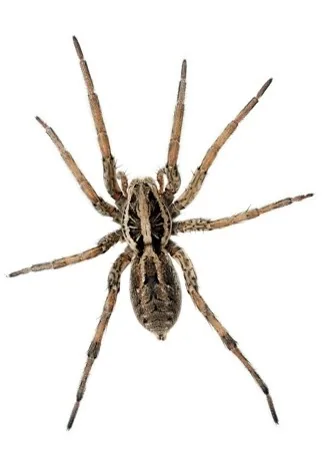
- Family: Lycosidae | Species: Hogna carolinensis
- Common name: Carolina wolf spider, Wolf spider
- Habitat: Arid regions and grasslands | Activity: Nocturnal
These are comparatively large spiders. Females measure about 22-35 mm; males are about 18-20 mm. Eight eyes sit in three rows: four small eyes in the lower row, two large median eyes in the middle row, and two lateral eyes set far apart posteriorly. The legs are long (usually longer in males), with three claws each. The body is grayish brown. The abdomen usually has a long black mark called the cardiac line, and the chelicerae are bright orange. The venom is not lethal but can cause allergic reactions in sensitive individuals, with a painful bite and possible skin reddening. In rare cases it may cause mild fever.
16. Latrodectus geometricus, Brown Widow Spider
- Family: Theridiidae | Species: Latrodectus geometricus
- Common names: Brown widow spider, Geometric button spider
- Habitat: Man-made structures (usually in gardens) | Activity: Diurnal
Females average 7-10 mm; males are just 2-3 mm. Eight eyes sit in two rows, with the lateral eyes far apart. The long legs have light brown bands, with three claws on each tarsus. The female's abdomen bulges and is light brown with black and orange spots, plus white transverse stripes broken in the center. The carapace is dark brown. Both sexes have an orange hourglass on the underside of the abdomen. A large dose of venom could be lethal, but a spider bite delivers such a small amount that it is generally harmless, though it may be painful and leave a mark.
17. Latrodectus mactans, Southern Black Widow
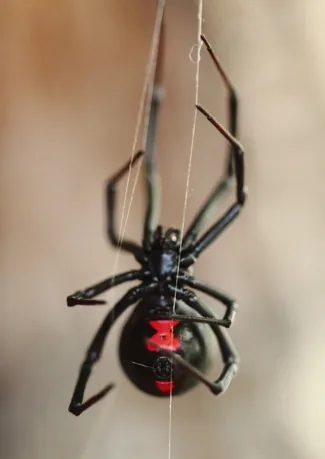
- Family: Theridiidae | Species: Latrodectus mactans
- Common names: Southern black widow, Black widow, Hourglass spider
- Habitat: Man-made structures | Activity: Nocturnal
Females are 8-13 mm; males are much smaller at 3-6 mm. Eight eyes sit in two rows, with lateral eyes set far apart. The legs are long (the third pair is usually the shortest). Females have black legs; males have legs with black and brown bands. The abdomen bulges in females and is slender in males. The body is jet black and waxy. Both sexes have a bright red hourglass on the underside of the abdomen. This spider also feeds on small animals like toad. Its venom is a potent neurotoxin, when it enters the bloodstream it can cause nausea, headache, vomiting, abdominal pain, elevated blood pressure, and fever.
18. Loxosceles reclusa, Brown Recluse
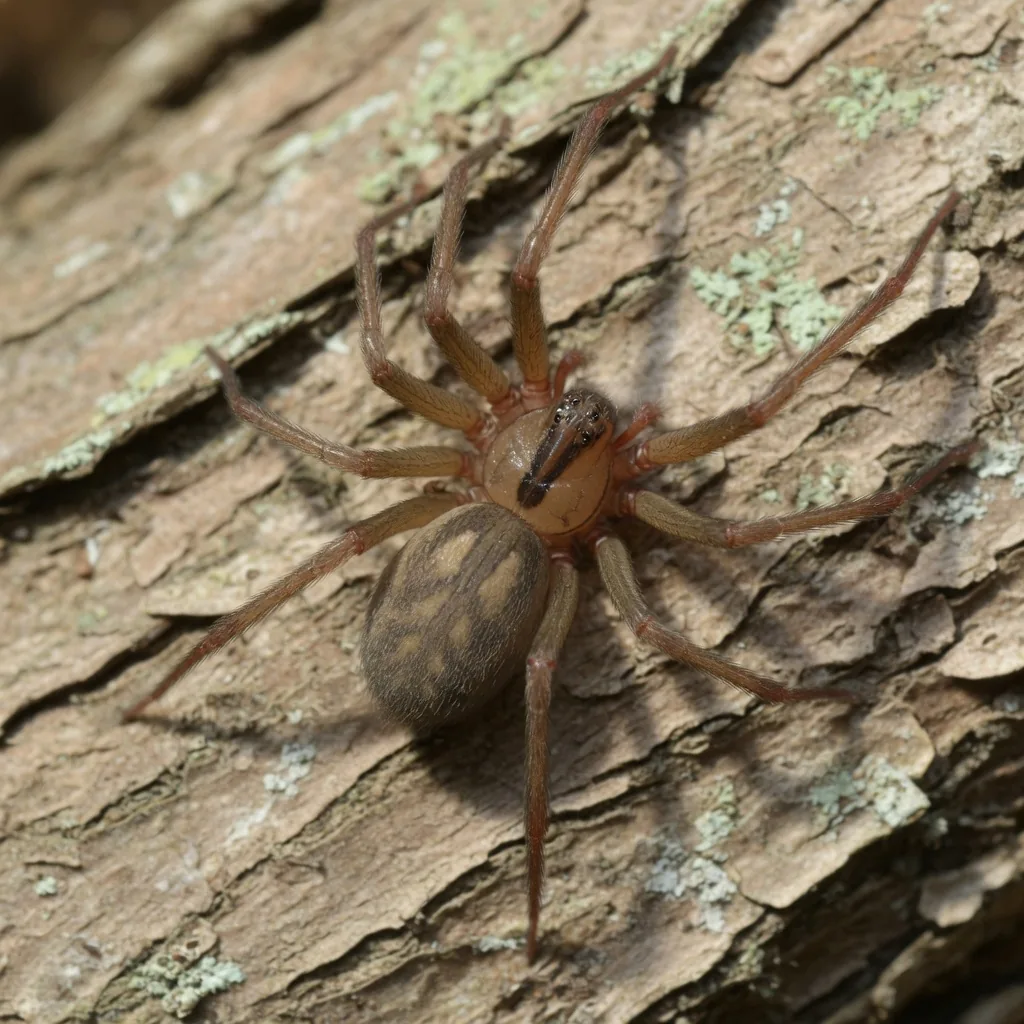
- Family: Sicaridae | Species: Loxosceles reclusa
- Common names: Brown recluse, Brown fiddler, Violin spider, Fiddleback spider
- Habitat: Man-made structures | Activity: Nocturnal
These spiders usually measure 7-12 mm, females around 9 mm, males around 8 mm. They have just six eyes, arranged in three pairs. The second pair of legs is the longest; the third pair is the shortest. Each tarsus has two claws. The body is light brown, with an oval abdomen and a somewhat flattened, pear-shaped cephalothorax. The carapace carries a dark spot shaped like a violin, the key identification mark. In large amounts the venom can be fatal; in smaller amounts it causes redness and sometimes tissue death (necrosis). In rare cases it affects the vascular system and can be lethal. They feed on insects and other spiders.
Explore More Animals
 An Exceptionally Brilliant Guide to Identifying SpidersOther than the 40,000 odd spiders on the planet, there exist thousands of arachnids which are often confused for spiders. Being well-versed with spider traits m
 Banana SpidersBanana spiders are quite fascinating creatures, especially known for spinning impressive webs. This AnimalSake article lists some interesting facts about these
 Unexpectedly Shocking Facts About Black Widow SpidersThe black widow spider is considered the most venomous spider in North America. Discover how to identify them, where they live, how they hunt, and what to do if
 Tiny But Deadly: The World's Most Poisonous SpidersAlmost all spiders possess venom, but only a few can seriously harm humans. Meet the Brazilian Wandering Spider, Sydney Funnel-web, Black Widow, Brown Recluse,
Other Spiders
19. Castianeira longipalpa, Ant Mimic Spider
- Family: Corinnidae | Species: Castianeira longipalpa
- Common name: Ant mimic spider
- Habitat: Close to ground, usually under rocks or old logs
Females average 7-10 mm; males are 5.5-6 mm. Eight eyes sit in two slightly curved rows. The hind legs are the longest, and each tarsus has two claws. Legs are typically black with white or reddish bands. The abdomen is elongated and slender, blackish brown with white and occasional red transverse lines. The carapace is blackish brown, somewhat pear-shaped, and often covered in white or golden hair. These spiders look remarkably like ants and even mimic the way ants walk.
20. Leucauge venusta, Orchard Orb Weaver
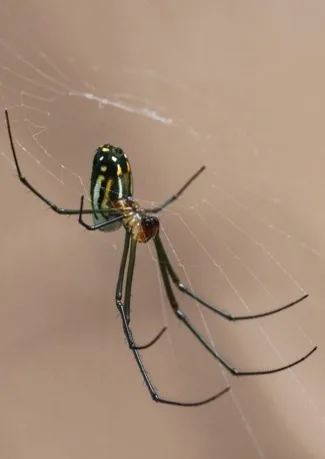
- Family: Tetragnathidae | Species: Leucauge venusta
- Common name: Orchard orb weaver
- Habitat: Gardens and moist places
Females measure 3.5-8 mm; males are about 3.5-4 mm. Eight eyes are arranged in pairs, median eyes are larger and close together, lateral eyes are far apart. The first two pairs of legs are the longest; the third pair is the shortest. Each tarsus has three claws. The carapace is greenish yellow with thin, dark green stripes. The abdomen is elongated and more rounded toward the cephalothorax, projecting above the thorax. The abdomen is brightly colored (usually metallic green with bright yellow and orange markings) and has orange spots on the underside. They feed on insects caught in their webs. Although they are widely spread, little is still known about them; and the more we learn, the more fascinating they seem to be!

 Fun fact for today!Spiders can tune the silk fibers of their webs, different plucks produce different vibrations, telling the spider whether prey is trapped or the web is damaged!