

What Are Amphibians?
Amphibians are tetrapods (four-legged vertebrates) that can live on land and in water at different times. They start their lives underwater and then move onto land as adults. This dual ability to live in both environments gave them their name, derived from the Greek word amphibios, meaning "double life."
Amphibians belong to subphylum Vertebrata of the Chordata phylum. They are cold-blooded, meaning they cannot control their own body temperature and rely on their surroundings to stay warm. Today, over 6,000 species of amphibians exist in the world, and one-third of them are listed as endangered species.
Class Amphibia includes frogs, toads, salamanders, newts, caecilians, and more. In a broad sense, these are grouped into three orders: Anura, Caudata, and Gymnophiona.
Order Anura (Salientia)
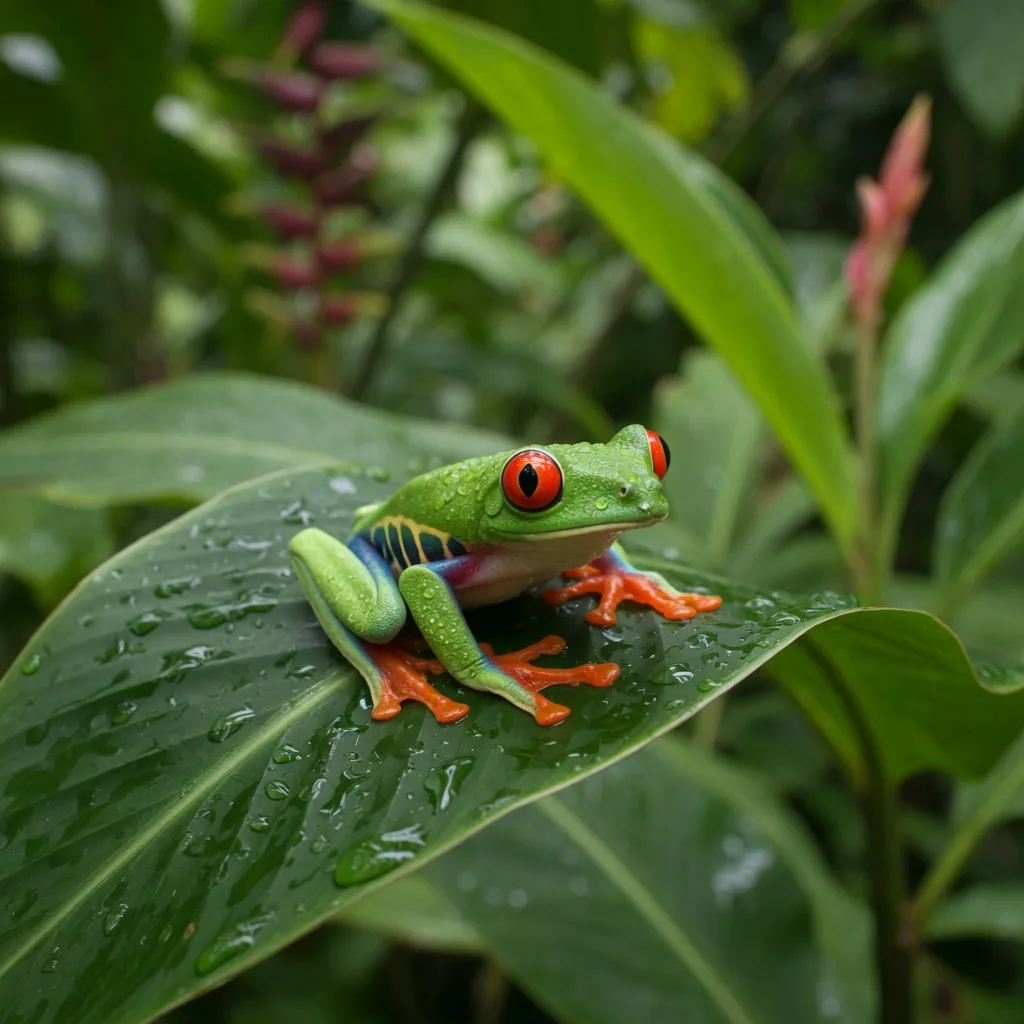
The term "anura" means "absence of tail," which tells you that species in this order lack a tail as adults. Approximately 4,500 species fall under this category, making Anura the largest of the three orders. They are found all over the globe and range from a few millimeters to a foot or two in length.
Species of this order are four-legged, with hindlimbs that are longer than their forelimbs, which helps them climb and leap. They are also external fertilizers, the joining of male and female sex cells happens outside the female's body. These species are vocal too, making a wide range of sounds, from squeaks to barks.
Frogs and toads both belong to this order. While they are similar in many ways, there are some clear differences. Frogs have smooth, moist skin through which they breathe and absorb water. Although they breathe through their skin, they also have lungs. Their bulging eyes are retractable. Frogs have long, webbed hindlimbs for swimming, leaping, and climbing, and they spend a lot of time in water.
Toads, by contrast, have granulous, warty, dry skin, which allows them to live in drier regions. The hindlimbs of toads are short and better suited for walking on land. Toads are tailless throughout their entire lives, whereas frogs have a tail during their tadpole stage that disappears as they grow into adults.
Order Caudata (Urodela)
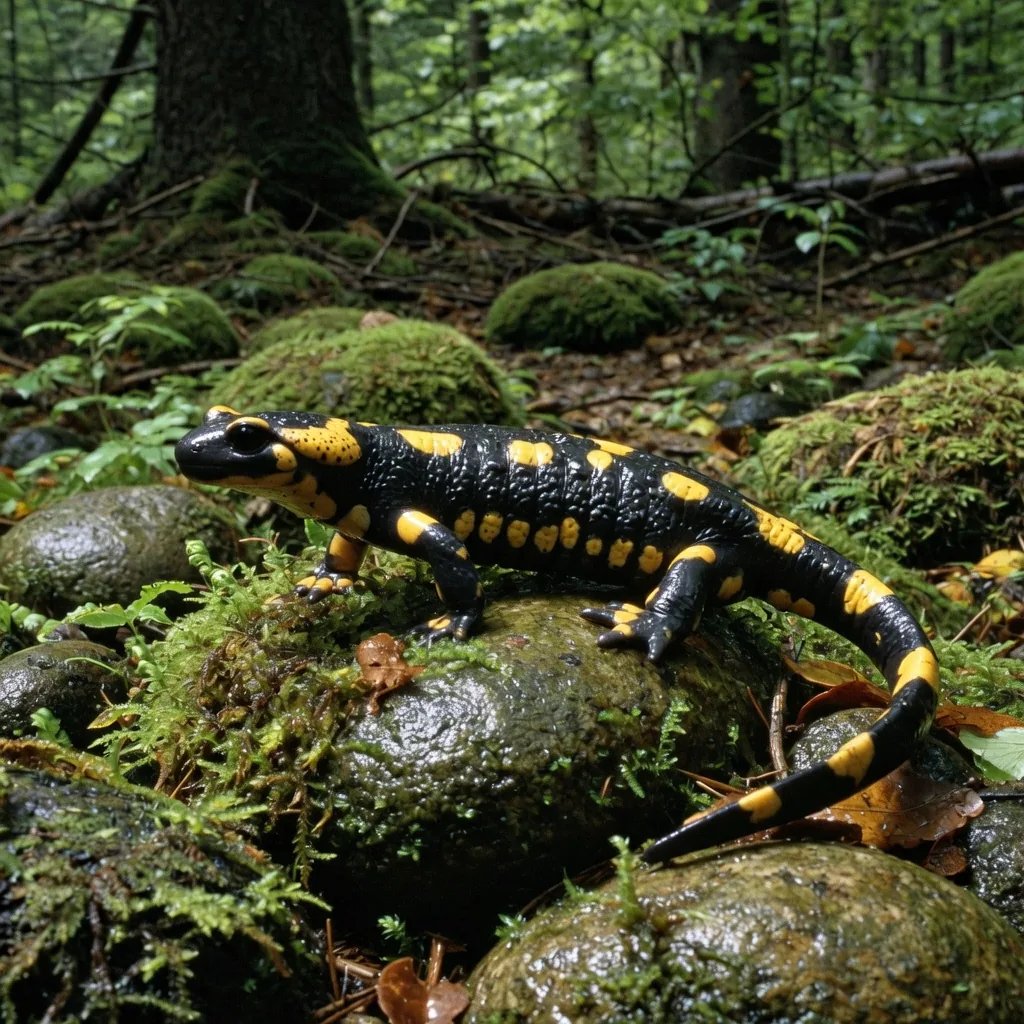
About 600 species of amphibians have been classified under this order, though the count keeps changing as new discoveries are made. The term "Caudata" comes from the Latin word Cauda, meaning "tail." That tells you the key feature: species in this order keep their tails as adults, which is what sets them apart from Anura.
In these species, the tail is roughly as long as the rest of the body. In some, like Oedipina, it is extraordinarily long. Their well-developed tails make them strong swimmers. They also have four equal-sized limbs used for walking, with one notable exception: the siren, which has no hindlimbs and only reduced forelimbs. Unlike frogs, caudates do not leap. They walk, or sometimes run.
Test Your Amphibian Knowledge!
5 quick questions. Can you name the three orders and their key features?
Species in Order Caudata generally cannot vocalize. The lone exception is Dicamptodon ensatus, which makes squeaking noises when provoked. They also vary widely in size: the 6-feet-long Andrias davidianus holds the title of the world's largest amphibian. Salamanders, newts, waterdogs, mudpuppies, sirens, and amphiuma all fall under this order.
The lungless salamander group is the largest within Caudata, containing over half of all known caudate species. Giant salamanders (Cryptobranchidae) and amphiuma (Amphiumidae) are among the smallest families in the order, with only three living species each. The geographic range of these amphibians spans the US and parts of Europe.
Newts and salamanders look similar, but there is a key difference. Salamanders are either completely aquatic or completely land-based. Newts, however, live on land during summer, then return to the water in winter and spring to breed.
Explore More Animals
 Types of Frogs and Toads: A Complete Picture GuideFrom the tiny Paedophryne to the giant goliath frog, discover all the main types of frogs and toads, with pictures, quick facts, and a quiz for kids.
 Frog Habitat Facts With Stunning Pictures of Their DwellingsFrogs are amphibians, which means that they typically live on land but breed underwater. Discover natural frog habitats, the life cycle connection, aquarium set
 Different Types of Lizards: A Field Guide to 26 FamiliesMeet 26 families of lizards - agamas, geckos, chameleons, iguanas, Komodo dragons and more - with photos, where they live, what they eat, and one amazing fact f
 Small But Deadly: 4 of the Most Poisonous Frogs in the WildDiscover the world's most poisonous frogs, from the golden poison frog that can kill 20 humans to the warty cane toad. Learn their habitats, toxins, and how to
Order Gymnophiona (Apoda)
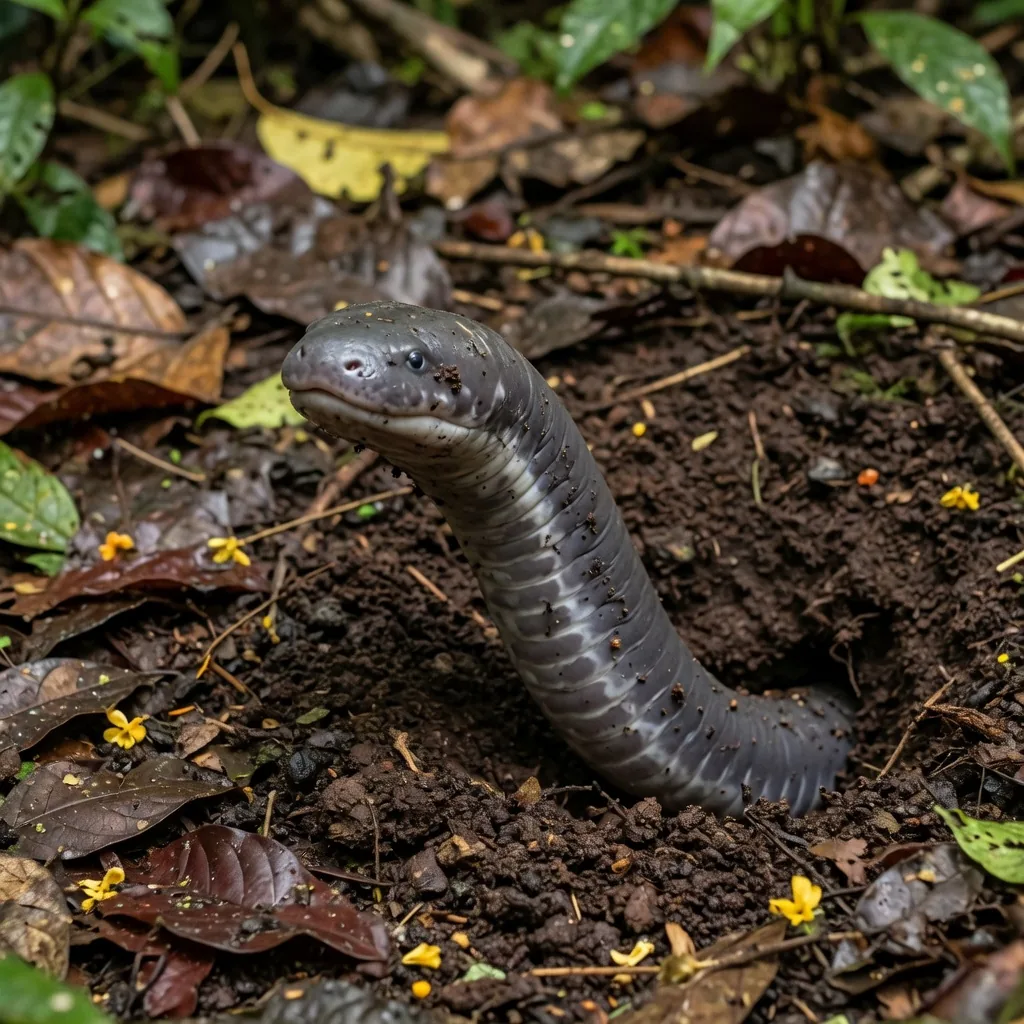
Approximately 50 known species of caecilians make up Order Gymnophiona. These are the least-studied amphibians of the three groups. They are recognized by their long, worm-like segmented bodies and are mostly found in parts of South America, Africa, and Southern Asia. Caecilians have reduced tails and no limbs at all, with family Ichthyophiidae being the lone exception.
Rather than looking like typical amphibians, they resemble eels or earthworms. They live underground and in aquatic habitats. Their highly ossified (hardened) skulls and powerful heads let them burrow deep into the soil, which is why they are seldom seen. They also have nearly non-functional eyes and tiny scales, making them the only amphibian group to have dermal scales.
Amphibians are fascinating creatures with countless remarkable features. Sadly, there is a real risk that many species could fall prey to urbanization, environmental pollution, and other threats, and go extinct before we have even had a chance to study them properly.

 Fun fact for today!The name "amphibian" comes from the Greek word amphibios, meaning "double life"!