

Tigers are the largest cat species and the third largest land carnivore after the Polar bear and the Brown bear. They usually weigh up to 675 pounds and live for around 20 to 25 years. A tigress is usually smaller than the male in all the subspecies, and an adult tiger reaches a body length of around 11 feet.
These animals are known to have the longest canines of the living cats. Their most distinct features are powerful forelimbs and large heads, plus the dark vertical stripes that are unique to each individual tiger, set against their reddish-orange fur.
Habitat and Location
Dense forests with enough cover, access to water, and an abundance of prey are the most important factors that shape a tiger's habitat. Formerly, tigers were found ranging from the forests of eastern Turkey to the Russian Far East, including the western regions of Asia, the Indian sub-continent, Indochina, China, and the southern parts of Indonesia. Today, however, their habitat has been reduced to a mere 7% of that original range.
Sub-species of Tiger
There are nine recognized subspecies of tigers, three of which are now extinct. Different subspecies inhabit different habitats, tropical rainforests, evergreen and temperate forests, and mangrove swamps. The subspecies that are still alive today are the Bengal tiger, Indo-Chinese tiger, South China tiger, Siberian tiger, Sumatran tiger, and Malayan tiger.
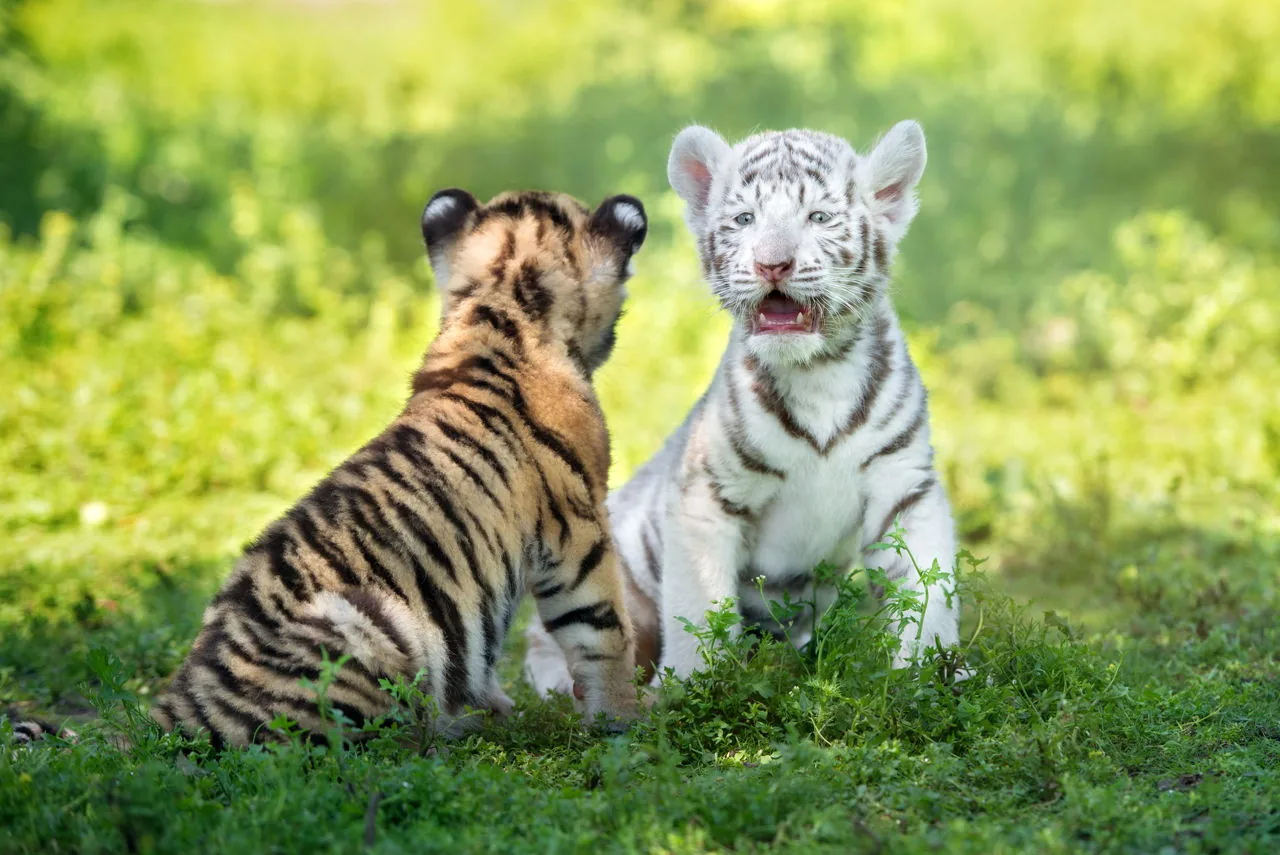
Living Subspecies
- The Sumatran Tiger (Panthera tigris sumatrae) is found on the island of Sumatra in Indonesia.
- The Bengal Tiger (Panthera tigris tigris) inhabits India, Bangladesh, Bhutan, and Nepal.
- The Indochinese Tiger (Panthera tigris corbetti) lives in China, Cambodia, Laos, Vietnam, Thailand, and Burma.
- The Malayan Tiger (Panthera tigris jacksoni) is found only in the south of the Malay Peninsula.
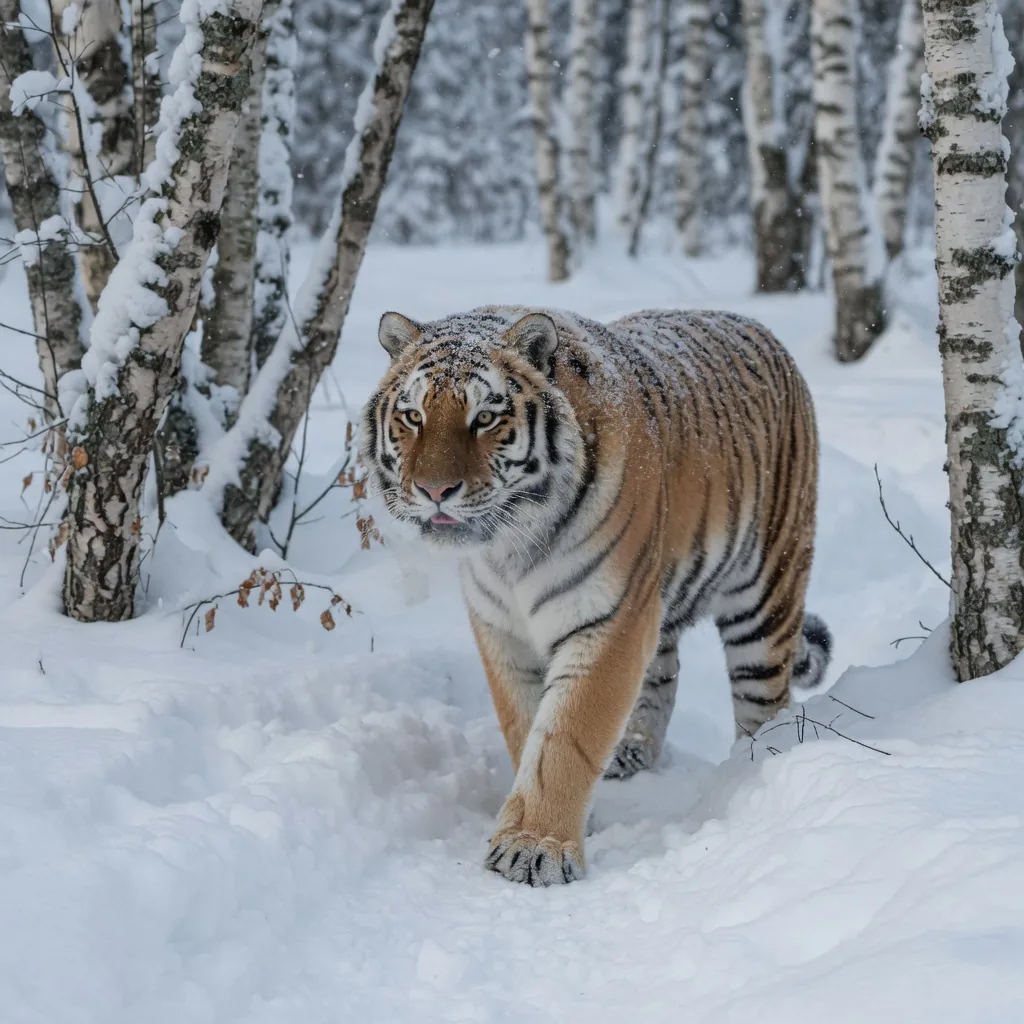
- The Siberian Tiger (Panthera tigris altaica) inhabits south-eastern Russia and northern China. This tiger is also known as the Amur tiger.
- The South China Tiger (Panthera tigris amoyensis) is also known as the Xiamen or Amoy tiger. As the name suggests, this cat is found in the southern region of China.
The Three Extinct Subspecies
The three extinct subspecies are as follows:
- The Javan Tiger (Panthera tigris sondaica) was found exclusively on the island of Java.
- The Bali Tiger (Panthera tigris balica) lived only on the island of Bali.
- The Caspian Tiger (Panthera tigris virgata) lived along the west and south of the Caspian Sea and in Central Asia.
Diet
An adult tiger can consume between 35 to 90 pounds of meat in one go. They mainly feed on animals like deer, antelope, and wild pigs. Sometimes they also prey on other predators like leopards and bears. The diet of each subspecies depends on their region.
The tigers in India prefer sambar, barasingha, chital, and nilgai, whereas the Siberian tiger prefers sika deer, moose, and musk deer. Tigers are opportunistic predators and will happily take smaller prey like monkeys, fish, and hares.
Hunting Strategy
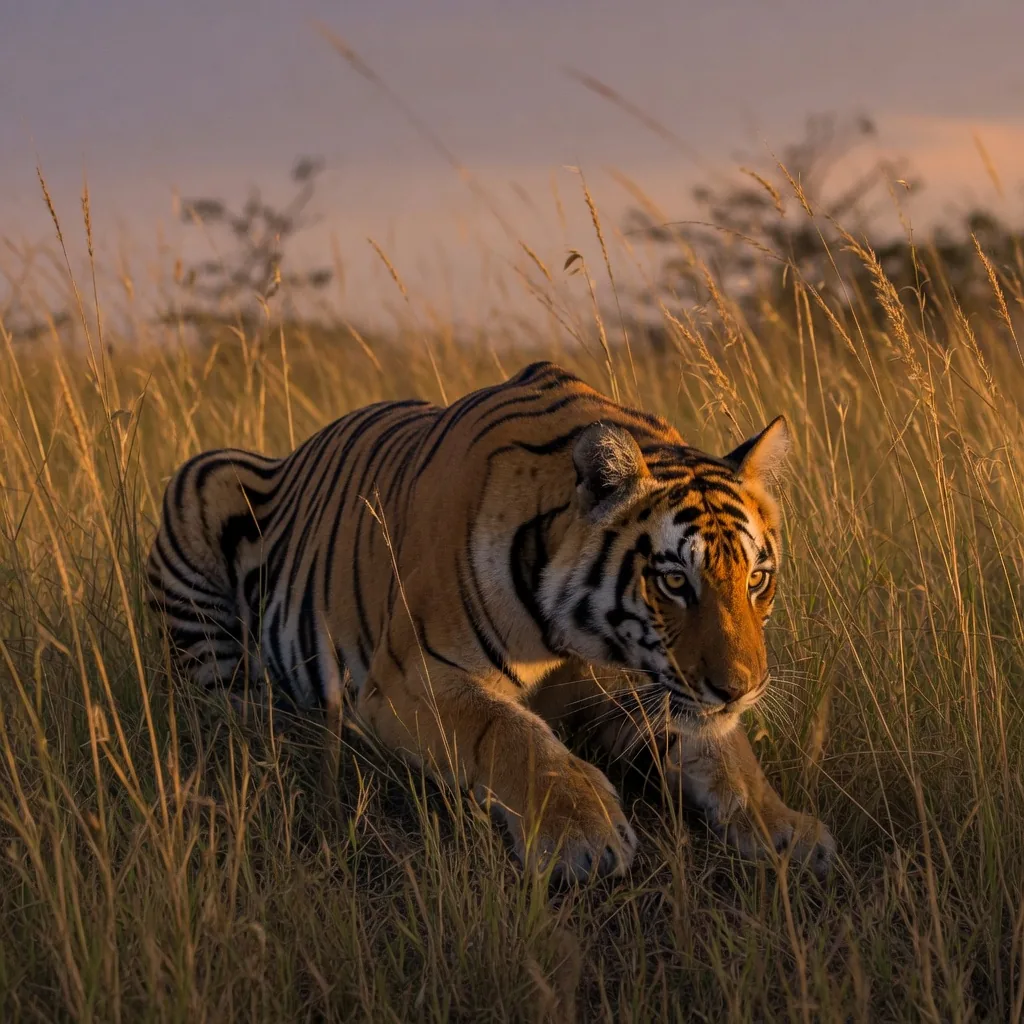
Their main hunting hours range between dusk and dawn. Similar to lions, these animals first stalk their prey, and then chase and attack. Killing the prey typically involves a bite on the throat or the nape, and holding onto the neck in order to strangulate the animal. Their great leaping ability helps them greatly in the hunt.
Tiger Habitat & Diet Quiz
5 questions. How much do you know about where tigers live and what they eat?
Decrease in Habitat
Competition between tigers and humans for land has given rise to a tiger-human conflict. As the number of wild prey decreases, tigers are forced to attack cattle, sheep, and other livestock. This is why the tiger is sometimes called the cattle-lifter or cattle-killer. That conflict threatens the existing tiger population and puts local people at risk too.
Poaching
Poaching for the illegal trade in tiger body parts is also a common cause of population decline. These animals are also killed or captured by humans as retaliation for attacking livestock. Often, the reserves created to protect them are poorly organized and underfunded.
Explore More Animals
 Subspecies of Endangered Tigers You Didn't Know About, But ShouldOne of the most majestic animals of all time, the tiger is on the brink of extinction. Discover the surviving subspecies, how many remain, and why tigers are en
 Survivors of the Cold: Interesting Facts About Siberian TigersSiberian tigers are the biggest cats on the planet and one of the most endangered. Discover facts about their size, diet, hunting skills, and survival in Russia
 Facts About the Bengal Tiger That Will Leave You FlabbergastedBengal tigers are the second largest big cat on Earth, and one of the most endangered. Discover their stripes, hunting habits, white tiger connection, and how
 Save Tigers from ExtinctionTigers are vanishing fast. Learn why only around 5,000-7,000 remain, which three subspecies are already gone, and what you can do right now to help save them.
Conservation Status
Unlike the alarming drop in tiger numbers in past decades, recent years have brought outstanding progress in conservation around the world. The tiger population has grown for the first time in 100 years. Looking at specific countries: India is now home to 70% of the world's wild tigers, thanks to a 30% boost in the tiger population in the last 4 years. Deforestation still continues, but conservation efforts have finally begun to overpower it.
Fortunately, tiger numbers are increasing steadily, not only in India, but also in other parts of the world. Conservation activities and a worldwide awareness campaign have finally paid off. This proves that if humans recognize the tiger's importance and take action, there is real hope for the survival of this royal cat.

 Fun fact for today!Tigers are the largest cat species on Earth, even bigger than lions!