

It's very simple why kids are crazy about dinosaurs, dinosaurs are nature's Special Effects. They are the only real dragons. Kids love dragons. It's not just being weirdly shaped and being able to eat Buicks. It's that they are real.
, Robert T. Bakker
The Triassic Period was the first geological period of the Mesozoic Era, and it lasted from 250 million years ago till 200 million years ago. It was preceded by the Permian period, which was the last geological period of the Paleozoic Era, and was succeeded by the Jurassic Period. The Mesozoic Era was characterized by the emergence and development of the widest variety of dinosaurs on Earth among all prehistoric geological periods. This was also the era by the end of which the maximum number of prehistoric animal species became extinct from the face of our planet.
Triassic Period Climate
Studies by geologists and paleontologists have shown the average climatic conditions of the Triassic Period to have been on the hot and dry side. There are no signs that glaciers existed at either pole. Reddish-hued sedimentary rocks and water-soluble mineral evaporites covered the Earth's surface and crust. During this period, there was only one huge terrestrial mass, located along the median belt of the Earth, with the Equatorial latitude as its approximate center. The climate at the polar extremities of this supercontinent tended toward a somewhat moist and temperate environment.
This landmass has been named Pangaea, meaning all the land. It was so huge that it limited the climatically moderating effects of the global ocean, the single enormous mass of water surrounding it. As a result, the overall climate remained continental in nature, with extreme seasonal variations. The summer was intensely hot, while the winter was chilling. It is the temperate polar regions of this huge prehistoric landmass that encouraged the propagation and evolution of reptilian creatures and coniferous plants.
Animals and Plants of the Triassic
The Triassic flora, as suggested by fossils and other evidence, was composed mostly of plant species belonging to the lycophyta, cycadophyta, ginkophyta, and pteridospermatophyta divisions of the plant kingdom, with seed-producing plants being dominant. The Triassic Period fauna included a large number of species of life forms such as prehistoric amphibians, reptiles, insects, crustaceans, mollusks, mammals, fish, and synapsids. Most of our modern-day animals have descended from some of these creatures.
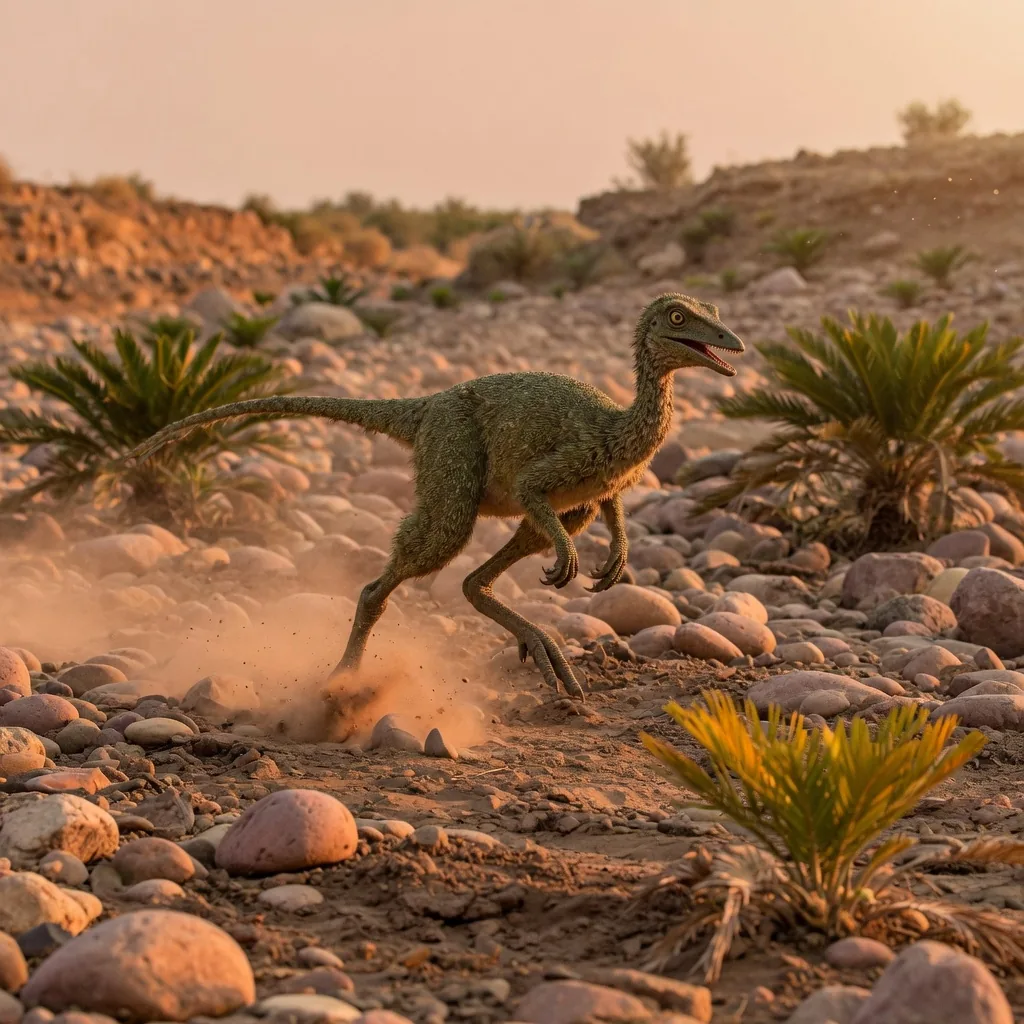
List of Animals that Lived at this Time
Check out the following list of some Triassic Age animals to get an insight into the vast diversity of the now-extinct animals that made up the Triassic fauna.
Amphibians
Triassic amphibians ranged from large flat-skulled predators to early frog-like creatures. Many were much bigger than any amphibian alive today.
- Amphibamus
- Plemmyradytes
- Eoscopus
- Platyrhinops
- Georgenthalia
- Pasawioops
- Micropholis
- Gerobatrachus
- Limnerpeton
- Aphaneramma
- Batrachosuchus
- Bothriceps
- Keratobrachyops
- Koolasuchus
- Compsocerops
- Pelorocephalus
- Siderops
- Capitosaurus
- Cherninia
- Cyclotosauraus
- Deltasuarus
- Eocaecilia
- Eryosuchus
- Gerrothorax
- Koskinonodon
- Kryostega
- Laidleria
- Paracyclotosaurus
- Ferganobatrachus
- Mastodonsaurus
- Metoposaurus
- Microposaurus
- Parotosuchus
- Sclerothorax
- Triadobatrachus
- Uranocentrodon
- Wantzosaurus
- Watsonisuchus
- Wetlugasaurus
- Xenobrachyops
Crustaceans
- Acanthinopus
- Antrimpos
- Ambilobeia
- Cycleryon
- Rosenfeldia
- Eryon
- Knebelia
- Clytiella
- Stenodactylina
- Clytiopsis
- Pustulina
- Enoploclytia
- Protoclytiopsis
- Eryma
- Palaeastacus
- Galicia
- Lissocardia
- Longichela
- Ifasya
- Macropenaeus
- Kazakarthrans
- Satyrocaris
- Leiothorax
- Tetrachela
Fish
- Acrodus
- Beltanodus
- Chanxingia
- Dapedium
- Edaphodon
- Heliocorpion
- Laugia
- Mawsonia
- Perleidus
- Saurichthys
- Sinosaurichthys
- Thoracopterus
- Whiteia
- Xenacanthus
- Zeuchthiscus
- Aellopos
- Birgeria
- Chinlea
- Dicellopyge
- Hybodus
- Lepidotes
- Pholidophorus
- Semionotus
- Ticinepomis
- Wimania
- Alcoveria
- Cleithrolepis
- Diplurus
- Leptolepis
- Listracanthus
- Piveteauia
- Arganodus
- Coelacanthus
- Axelia
- Indocoelacanthus
- Asiatoceratodus
Insects
- Mendozachorista
- Mesotitan
- Mesotitanodes
- Ultratitan
- Prototitan
- Paratitan
- Gigatitan
- Nanotitan
- Ootitan
Mammals
Triassic mammals were tiny, nocturnal creatures, among the earliest ancestors of every mammal alive today, including humans. They were no bigger than a modern mouse.
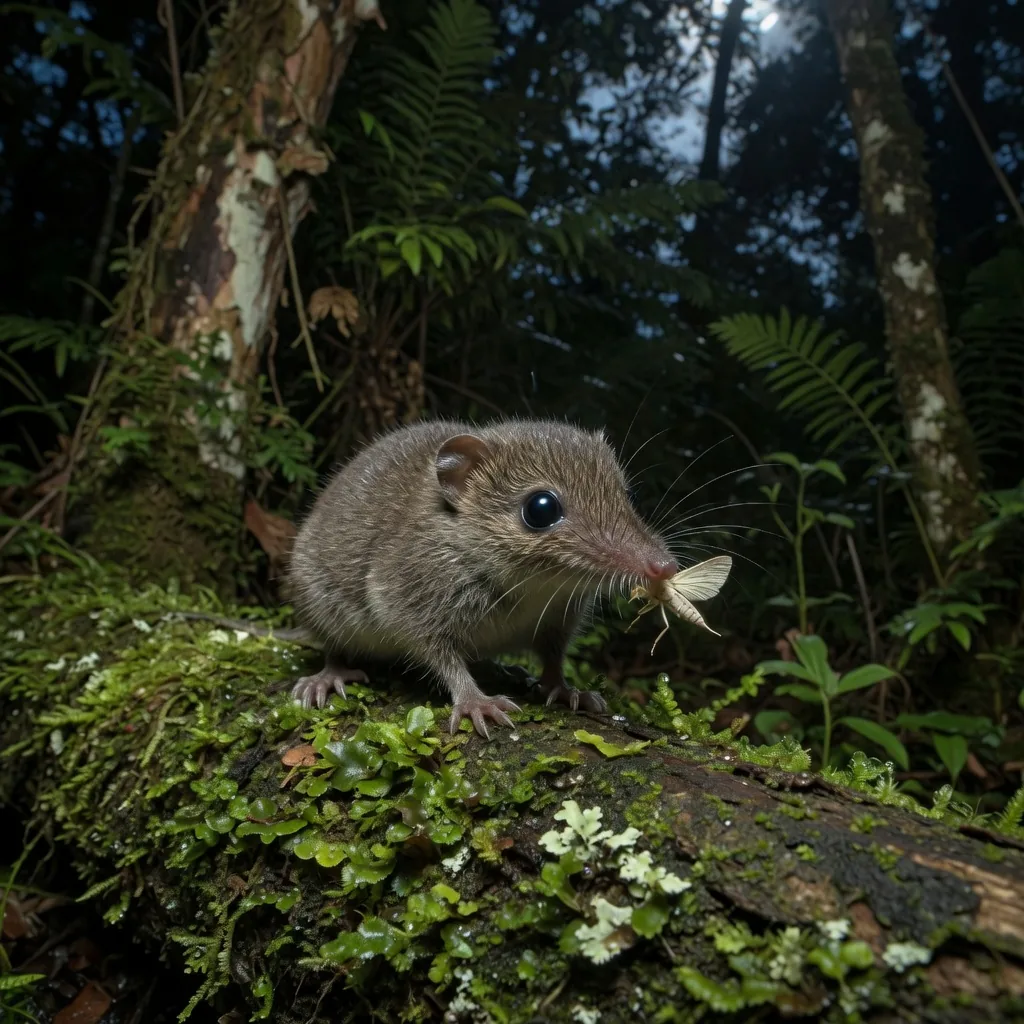
- Adelobasileus
- Eozostrodon
- Haramiya
- Megazostrodon
- Morganucodon
- Sinoconodon
Mollusks
- Araxoceras
- Bellorophon
- Ceratites
- Daonella
- Gervillaria
- Orthoceras
- Pseudotemperoceras
- Solenomorpha
- Whiteavesia
- Aviculopecten
- Claraia
- Oxytoma
Reptiles
Reptiles were the dominant group of the Triassic Period. They ranged from swimming predators like Nothosaurus to gliding creatures and the earliest true dinosaurs.
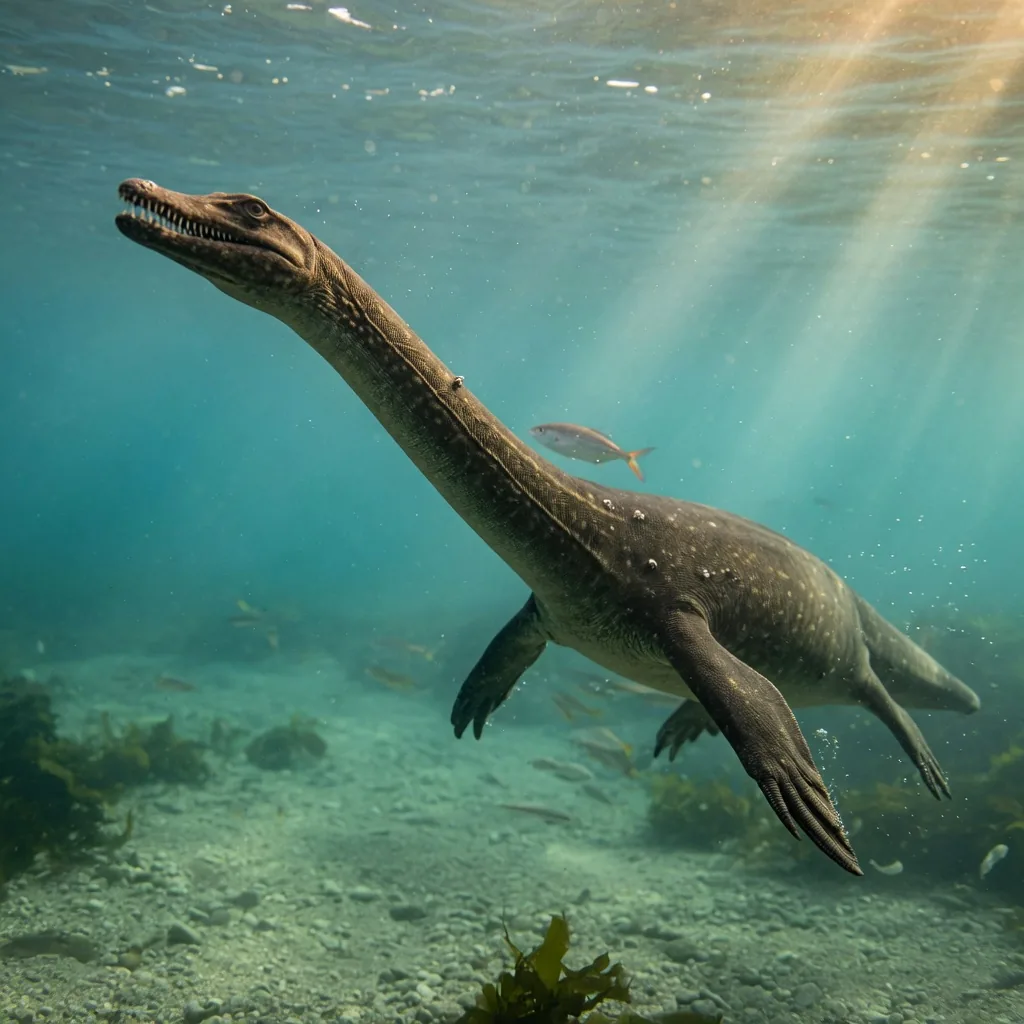
- Arctosaurus
- Bobosaurus
- Crosbysaurus
- Czatkoweila
- Dinocephalosaurus
- Dromomeron
- Erythrosuchus
- Euparkeria
- Fodonyx
- Gwyneddosaurus
- Helveticosaurus
- Hyperodapedon
- Hypuronector
- Icarosaurus
- Koilamasuchus
- Kuehneosaurus
- Lagerpeton
- Lariosaurus
- Macrocnemus
- Megalanacosaurus
- Nectosaurus
- Nothosaurus
- Ornithosuchus
- Pachypleurosaurus
- Phonodus
- Quianosuchus
- Riojasuchus
- Saltopus
- Tricuspisaurus
- Uatchitodon
- Vallesaurus
- Yonghesuchus
Synapsids
Synapsids were a group that bridged the gap between reptiles and mammals. Some, like Lystrosaurus, survived the mass extinction that ended the Permian Period and went on to thrive in the early Triassic.
- Bienotherium
- Chiniquodon
- Diademodon
- Ecteninion
- Galesaurus
- Hahnia
- Ischigualastia
- Jachaleria
- Kannameyeria
- Lystrosaurus
- Massetognathus
- Oligokyphus
- Prozostrodon
- Rabidosaurus
- Stahleckeria
- Traversodon
Explore More Animals
 Types of Dinosaurs: How Each One Got Its NameMeet the different types of dinosaurs and learn the clever way each got its name, from teeth and horns to feet, armor, places and people. A fun, fact-packed gu
 Facts About Triceratops That Will Make Your Blood Run ColdTriceratops was a genus of dinosaurs that prevailed about 68 to 65 million years ago during the Late Cretaceous Period, best known for their striking resemblanc
 Long-Necked Dinosaur Species: An OverviewDinosaurs, the gigantic creatures that existed on Earth millions of years ago, have always fascinated us ever since we knew of their existence. AnimalSake prese
 Top 10 Extinct AnimalsA brief write-up on the top ten extinct animals, from T. rex to Steller's sea cow, detailing how each species disappeared from the planet.
The Dinosaurs of the Triassic
Triassic Period animals include the likes of Agrosaurus, Isanosaurus, Plateosaurus, Melanosaurus, and Eoraptor, which are some of the major dinosaurs of this time. As many as 300 different types of dinosaurs and other animal life forms existed in this period, including mammals, insects, reptiles, amphibians, and others. Most of these life forms are further classified into various different species, taking the count to somewhere around a couple of thousand. The lists above mostly enumerate the generic varieties of life forms under each class of animals.
Take the Triassic Period Quiz!
5 quick questions. How much do you know about the first age of dinosaurs?

 Fun fact for today!As many as 300 different types of dinosaurs and other life forms existed in the Triassic Period!