

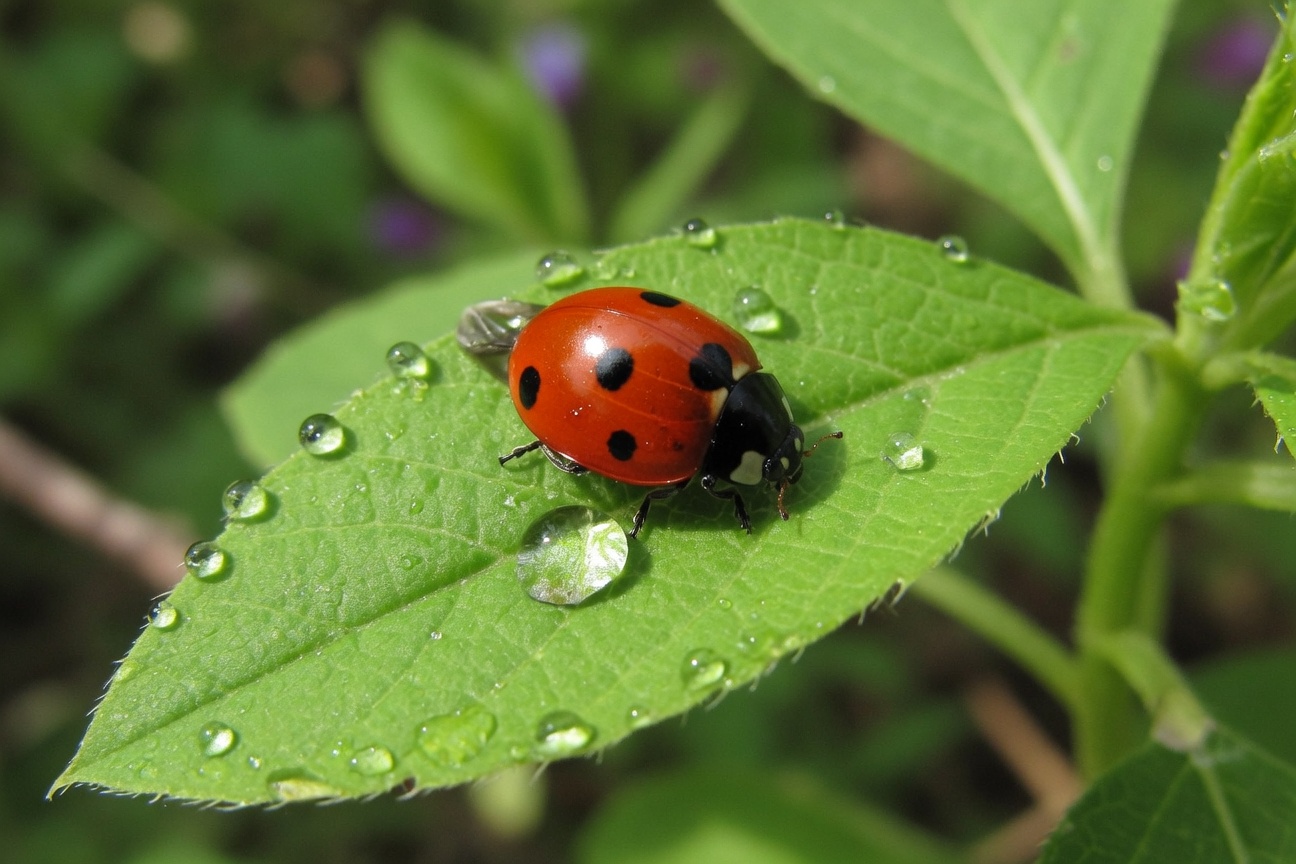
There are approximately 800,000 (documented) species of insects existing on the earth. Among these, beetles are the largest group of insects found. They can be classified as follows:
- Kingdom – Animalia (Animals)
- Phylum – Arthropoda (Arthropods)
- Class – Insecta (Insects)
- Order – Coleoptera (Beetles)
The meaning of Coleoptera is ‘sclerotised/sheathed wings’. Order Coleoptera is subdivided into various suborders such as Adephaga, Archostemata, Polyphaga, and Myxophaga. There are several families categorized under these suborders. There are about 30,000 known species found in USA and Canada.
Beetles can be found in all types of habitats, including terrestrial and freshwater environments. However, they are not found in the sea or polar regions. Most beetles are predators, while some are scavengers and others are parasites. They generally feed on fungi and plants, parasites of vertebrate animals, and other invertebrates. They break down plant and animal debris.
Almost all leaf beetles are leaf feeders, whereas all ground beetles are mostly predaceous. Most members of the lady beetle family (Coccinellidae) are predators. However, few species (including the pestiferous Mexican bean beetle) are plant feeders and the rest are fungus feeders.
Different Species of Beetle
Lady Beetles
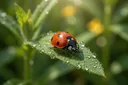
Family: CoccinellidaeLady beetles are also called ladybird beetles or ladybugs. They have an oval or round convex body with bright, contrasting colors. Their elongate larvae are covered with tubercles or spines and banded or spotted with bright colors. There are about 5,000 species of lady beetles found all over the world. Most of them are beneficial predators, while some are phytophagous (plant feeders). The common species are large, red or orange in color with black spots.
Rove Beetles
Family: StaphylinidaeRove beetles belong to family Staphylinidae. It is a huge, diverse group with about 29,000 species. These beetles are small and slender, and are black in color with very short elytra — so their abdominal segments are exposed. Many species of rove beetles are found in areas associated with the ground such as stones, under leaf litter, or in loose soil. Some species of rove beetles are nocturnal. Many species are general predators, while some are scavengers.
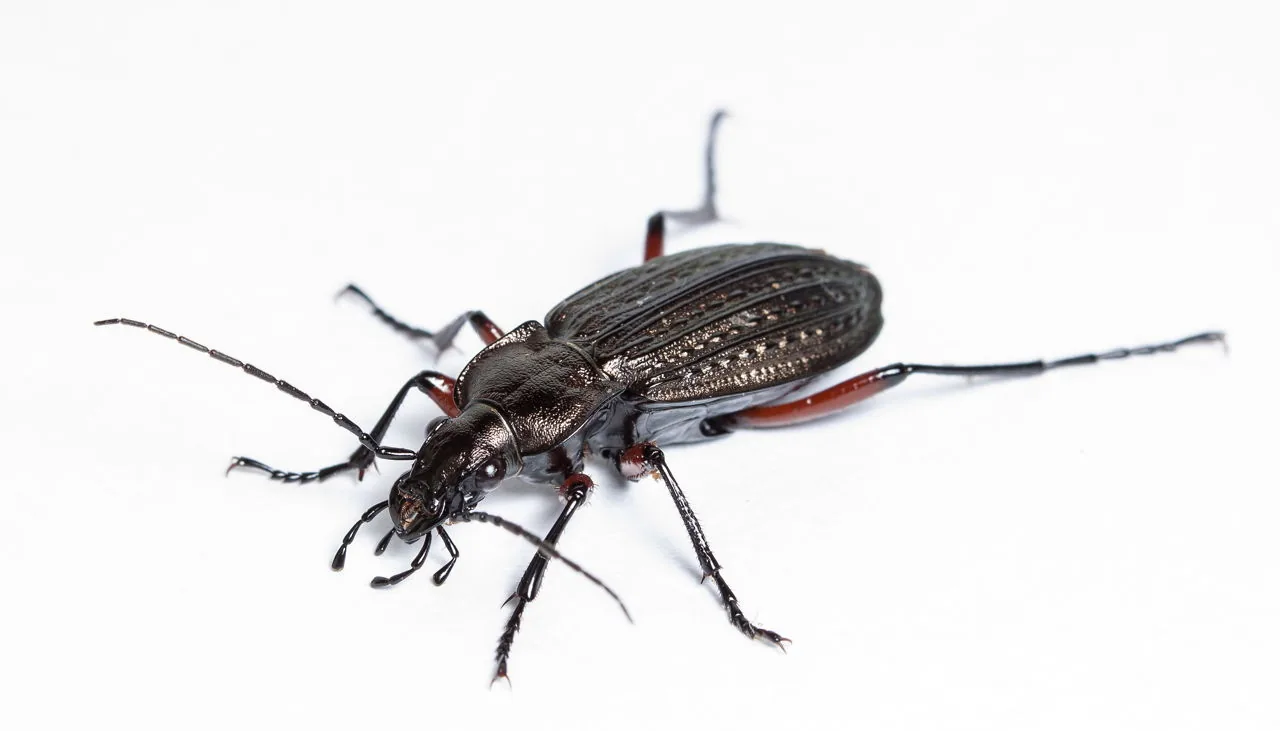
Ground Beetles
Family: CarabidaeGround beetles belong to family Carabidae, which is one of the biggest families of beetles. There are about 40,000 species in this family. They are ¼ to 1 inch or longer in size, and black or brown in color. As the name suggests, they are found in locations related to soil, specifically in damp habitats. Most species are nocturnal — during the daytime, they hide under logs, stones, plant debris, and other hidden places. At night, they climb onto plants and feed on caterpillars and aphids. Most ground beetles have a single generation every year; however, some may complete 2–3 generations. The adults of several species are known to feed on plant materials such as fungi, pollen, and decaying plants. Some feed on seeds, while some are known for damaging agricultural crops.
Soldier Beetles
Family: CantharidaeBelonging to family Cantharidae, soldier beetles have soft, elongated bodies and can mostly be found on flowers. There are approximately 4,500 species of soldier beetles found throughout the world. Some species feed on aphids and other soft-bodied insects. The larvae of most species feed on other insects such as small caterpillars, grasshopper eggs, and maggots.
Fireflies
Family: LampyridaeAbout 2,000 species of fireflies are included in family Lampyridae. They are dark-colored, medium-sized beetles with flexible and soft elytra. They stay on foliage during the daytime and fly at night. They prefer to live in damp places. Their nocturnal larvae feed mainly on slugs and snails. They also feed on leaf beetle larvae, cutworms, earworms, and other soft-bodied insects. Luminescent larvae are also known as glow-worms. The adult beetles use their flashing lights during the mating process.
Leaf Beetles
Family: ChrysomelidaeLeaf beetles cover a large group with about 35,000 species spread worldwide. They have an oval or oval-elongate body with various colors and shapes. Both adults and larvae feed on plants. Adults typically feed on foliage and flowers. When large in number, they remove plenty of leaf tissue and cause significant damage to plants. This group includes several agricultural and garden pests such as bean leaf beetles, corn rootworms, asparagus beetles, cucumber beetles, and others.
Click Beetles
Family: ElateridaeBelonging to the family Elateridae, click beetles are named after the adult’s method of righting themselves. The adult beetles are shiny, slender, and hard-bodied. When on their back, they can snap two parts of the body together, spring up into the air, and land on their feet. These beetles are found on flowers and leaves. Their larvae are known as wireworms and live in the soil, under bark, and in decaying vegetation. Some species are destructive and feed on roots and seeds. Some species are scavengers. Some species are predaceous and feed on insects and other invertebrates.
Scarab Beetles
Family: ScarabaeidaeScarab beetles are included in family Scarabaeidae, with more than 16,500 species found all over the world. This group includes chafers, dung beetles, and others. They have an elongate or oval and convex body. Both adults and larvae are usually plant feeders. Chafers or white grubs are the most significant scarab pests found in gardens. The larvae feed on the roots of grasses and other plants, making them pests of some root crops and lawns. The adults feed on the foliage of various ornamental plants. Some common scarabs are rose chafer, May beetles, Japanese beetles, and June beetles.
Frequently Asked Questions
How many species of beetles are there?
There are over 350,000 species of beetles worldwide, making Coleoptera the largest order of insects. About 30,000 known species are found in the USA and Canada alone.
What do beetles eat?
Most beetles are predators; some are scavengers and others are parasites. They generally feed on fungi and plants, and also on vertebrate animal parasites and other invertebrates. Almost all leaf beetles are leaf feeders, while most ground beetles are predaceous.
Where are beetles found?
Beetles live in all types of habitats, including terrestrial and freshwater environments. However, they are not found in the sea or polar regions.
Characteristics of Beetles
- The size of beetles is variable, ranging from 5⅛ inches (tropical insects) to less than 1/16 inch in length.
- They can be found in water and on land.
- Some species can fly and are identified by their rough, armor-like forewings. These forewings cover and protect their membranous hind wings, which are used for flying.
- Like all arthropods, a beetle has a segmented body. The beetle’s body is divided into three sections: head, abdomen, and thorax.
- From the thorax, three pairs of legs and two pairs of wings arise. They have compound eyes and antennae.
- Beetles are characterized by a hard exoskeleton and forewings (elytra). The exoskeleton is made from several plates called sclerites.
- They are separated by thin sutures, which maintain flexibility as well as create the armored defense for the beetles.
- The forewings/elytra are not used for flying but to cover the hind body and protect the second pair of wings called alae.
- The ground beetles (family Carabidae) and true weevils (family Curculionidae), as well as some cave and desert-dwelling species, are not able to fly. These species have two elytra combined together to form a solid shield over the abdomen.
Some other types of beetles are weevils (family Curculionidae), long-horned beetles (family Cerambycidae), metallic wood-boring beetles (family Buprestidae), belid weevils (family Belidae), wedge-shaped beetles (family Rhipiphoridae), pintail beetles (family Mordellidae), pollen beetles (family Melyridae), jewel beetles (family Buprestidae), and sap beetles (family Nitidulidae).
Explore More Animals
 What Do Fireflies Eat? The Answer Will Blow You AwayFireflies are insects belonging to the Lampyridae family of beetles. Discover what fireflies eat at every life stage, why they glow, and the surprising hunting
 Types of Flying Insects With PicturesThe complete kids' guide to flying insects, every main order from dragonflies and beetles to bees and butterflies, how their bodies and wings work, the species
 A List of Different Types of Ladybugs, With Pictures | Animal SakeRed, orange, yellow, pink and even purple: meet 12 different types of ladybugs in this picture-packed field guide, with each one's color, spots, home and food.
 Outstandingly Interesting Facts About Rhinoceros BeetlesRhinoceros beetles are among the largest insects on Earth, and the strongest animals alive relative to their size. Discover their horns, life cycle, and jaw-dr
More Beetle Families
- Weevils (Curculionidae)
- Long-horned beetles (Cerambycidae)
- Metallic wood-boring beetles (Buprestidae)
- Belid weevils (Belidae)
- Wedge-shaped beetles (Rhipiphoridae)
- Pintail beetles (Mordellidae)
- Pollen beetles (Melyridae)
- Jewel beetles (Buprestidae)
- Sap beetles (Nitidulidae)
Beetle Glossary
| Word | What it means |
|---|---|
| Coleoptera | The scientific order name for beetles, meaning ‘sclerotised/sheathed wings’ in Greek. It is the largest order of insects, with over 350,000 known species. |
| Elytra | The hardened forewings of beetles. They act as a protective shield over the softer hind wings (alae) and abdomen. Elytra are NOT used for flying — they cover and protect while the hind wings do the work. |
| Sclerites | The tough plates that make up a beetle’s exoskeleton, separated by thin, flexible sutures. This design gives beetles both armor-like protection and the flexibility to move. |
| Phytophagous | A scientific word meaning ‘plant-eating’. Some lady beetles are phytophagous — feeding on plants rather than aphids. |
| Wireworms | The larvae of click beetles (family Elateridae). They have a tough, wire-like body and live in soil, under bark, or in decaying vegetation. Some wireworm species are agricultural pests that feed on roots and seeds. |

 Fun fact for today!Beetles are the largest order of insects — with over 350,000 species, one in every four known animal species on Earth is a beetle!