

Unusual Facts About Animals
Mammals
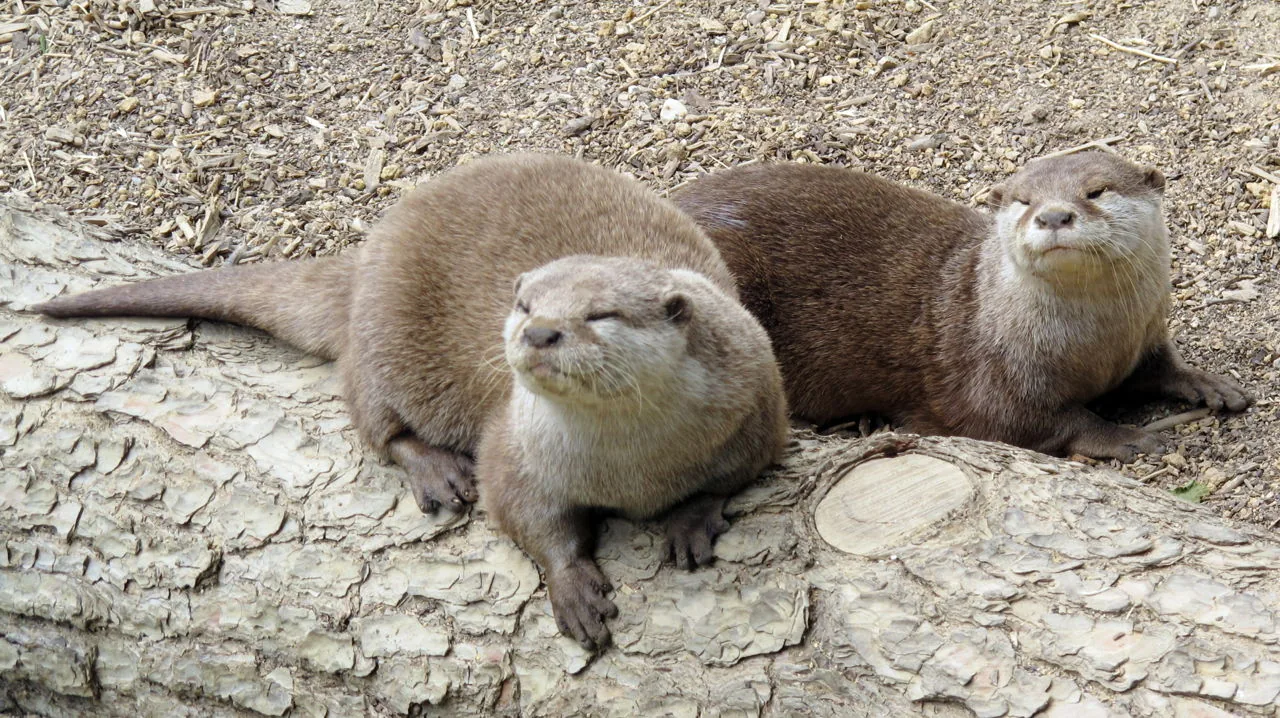
A female ferret will literally die if she can't find a mate after going into heat.
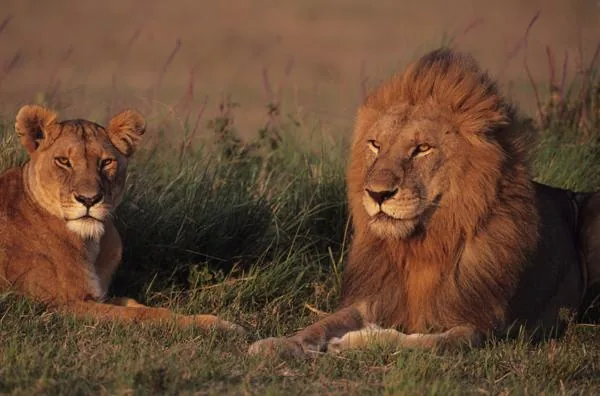
A lion can mate 50 times a day.

Cats can sleep for up to 16 hours a day.

The eyes of donkeys are placed in such a way that they can see all four feet at the same time.
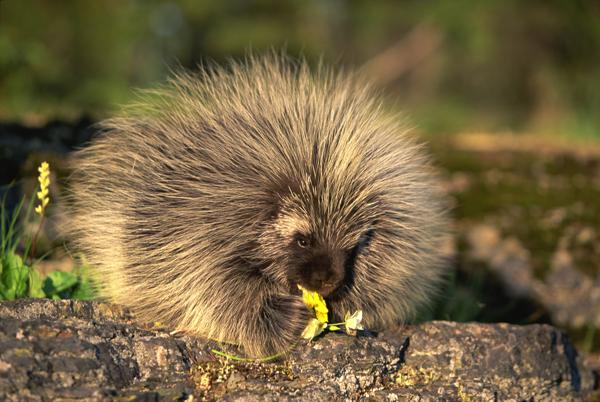
A porcupine has 30,000 quills on average. Its average heartbeat is around 190 beats per minute, which reduces to 20 during hibernation.
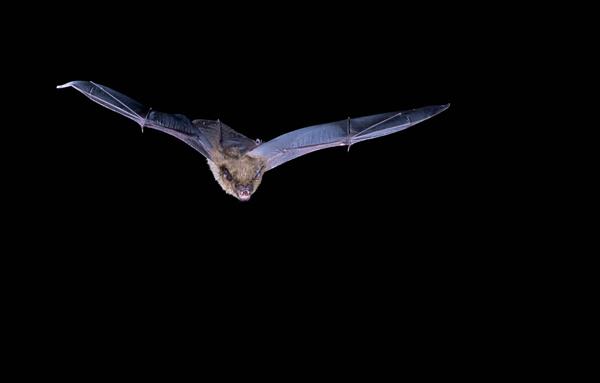
Bats unmistakably turn left when exiting a cave. A brown bat can catch around 1,200 mosquito-sized insects in an hour.
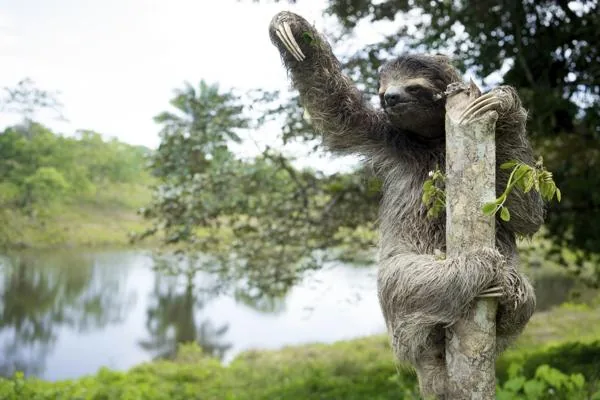
On average, the sloth travels roughly about 15 feet a day.
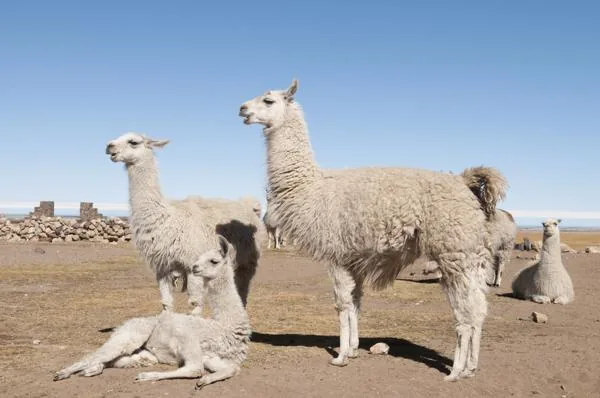
An average male llama weighs up to 375 lb and stands 5-6 feet tall.
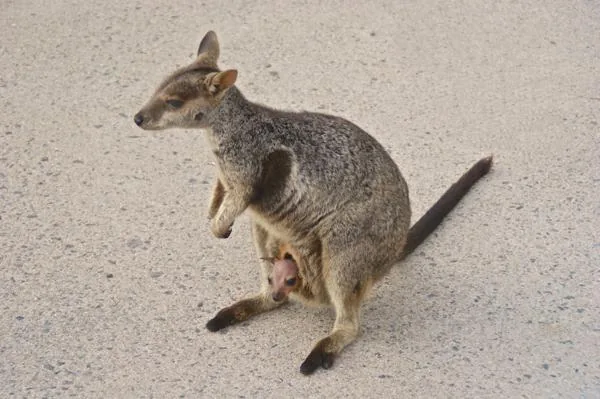
A newborn kangaroo is as small as a coffee bean.

Generally, 95 percent of a panda's diet consists of bamboo.
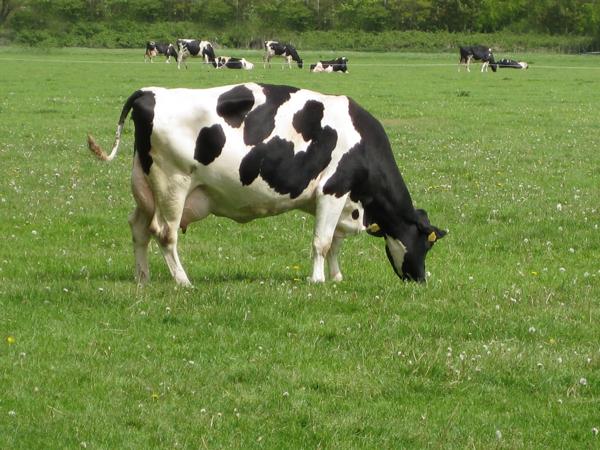
A cow can be led upstairs, but it can't be brought back downstairs.
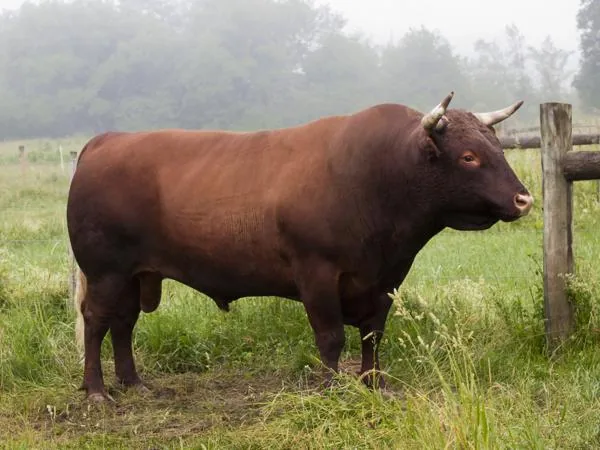
A full-grown bull's average weight is 900 lb.
Take the Unusual Animal Facts Quiz!
5 quick questions. How many of these wild facts do you already know?
Birds
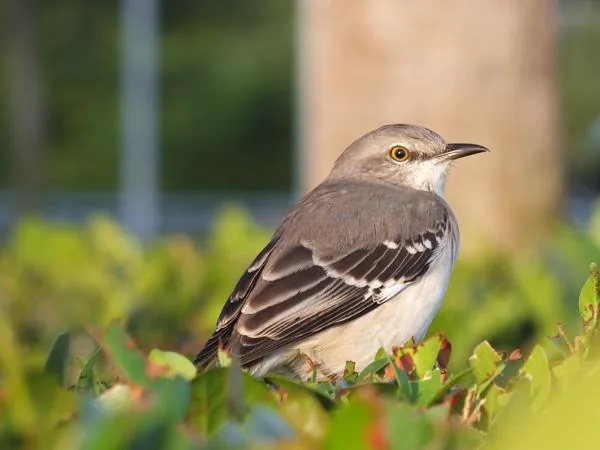
Mockingbirds can imitate the sounds of other birds.
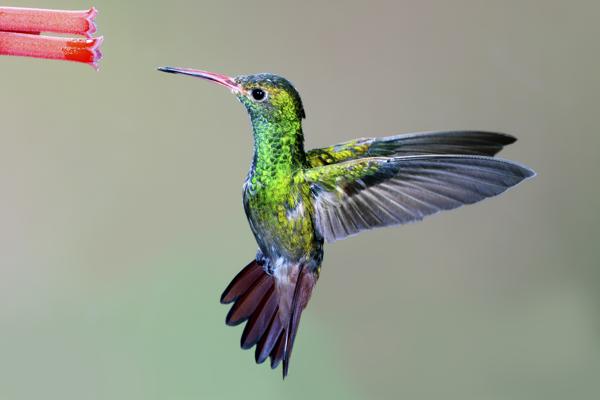
The hummingbird can hover and fly straight up, down, or backward.
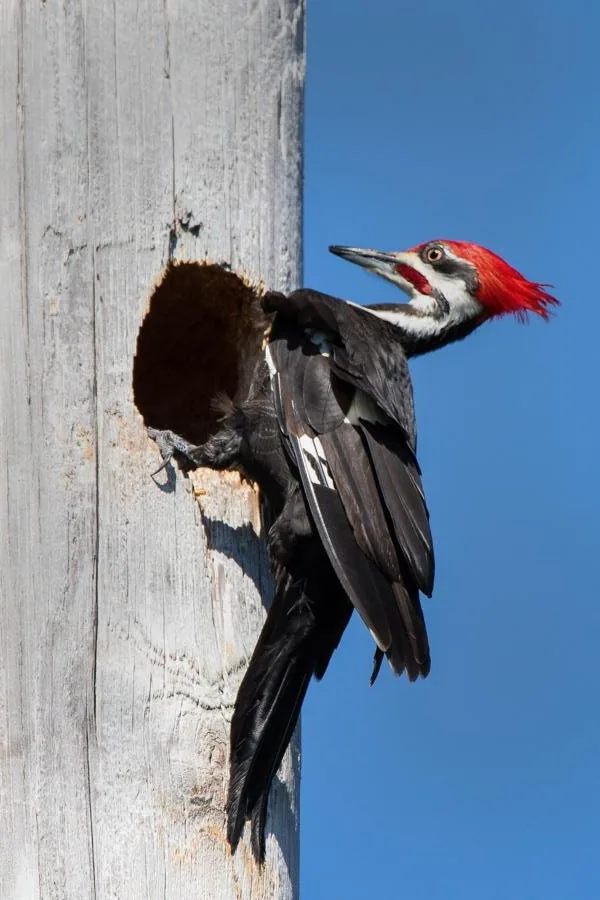
A woodpecker can peck up to 20 times in a second.
Reptiles & Amphibians
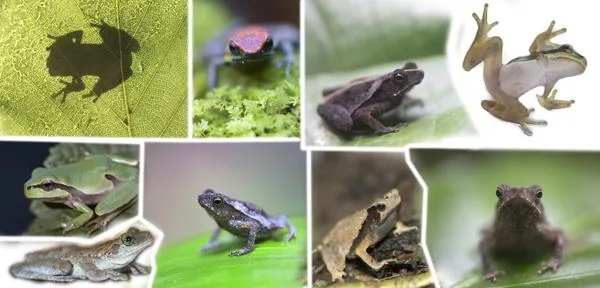
There are around 2,600 known species of frogs. These amphibians are found on every continent of the world, except Antarctica.
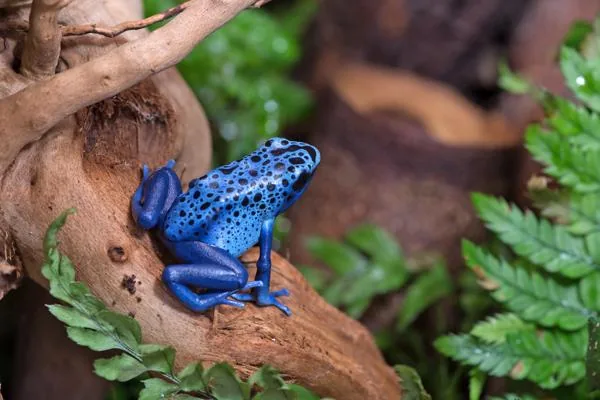
The venom of a poison arrow frog can kill approximately 2,200 people.
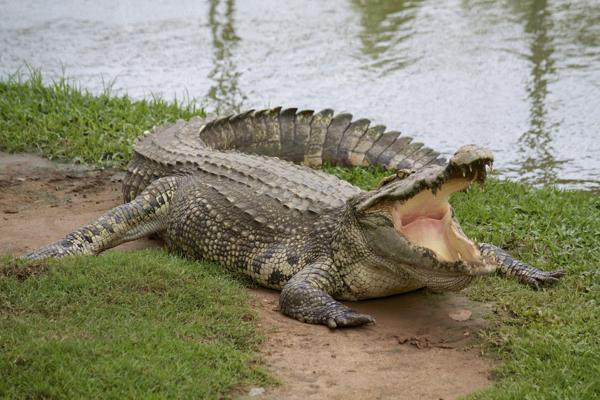
Crocodiles can swallow large stones that stay permanently in their bellies and are used as ballast when diving.
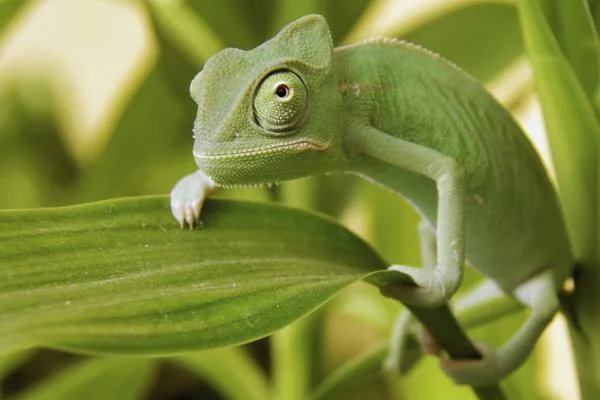
A chameleon can move its eyes in two separate directions at the same time.
Ocean & Water Animals
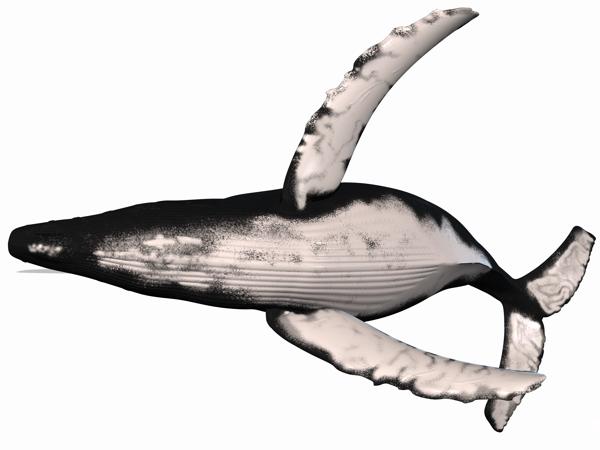
The humpback whale has the longest flippers among marine mammals, measuring up to one-third of its body length.
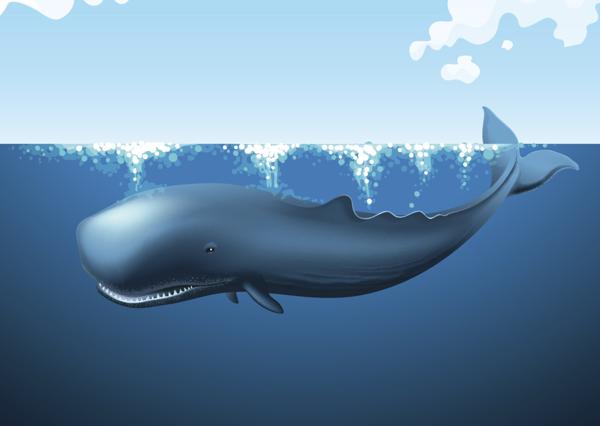
The call of a blue whale reaches up to 188 decibels. It can be heard over hundreds of miles underwater, making it the loudest animal on Earth. In loudness, the whale is followed by the howler monkey.
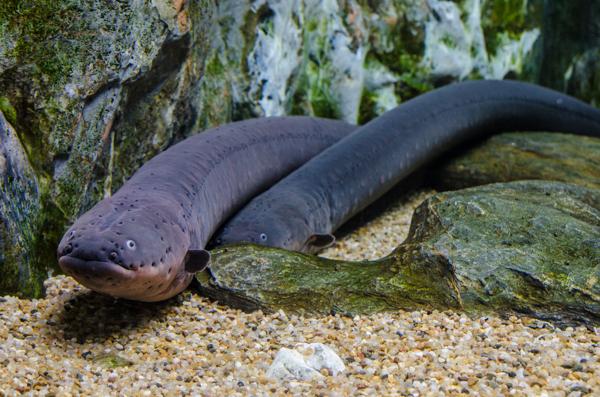
An electric eel can deliver a shock of up to 650 volts. It uses this as a defense mechanism to protect itself from predators.
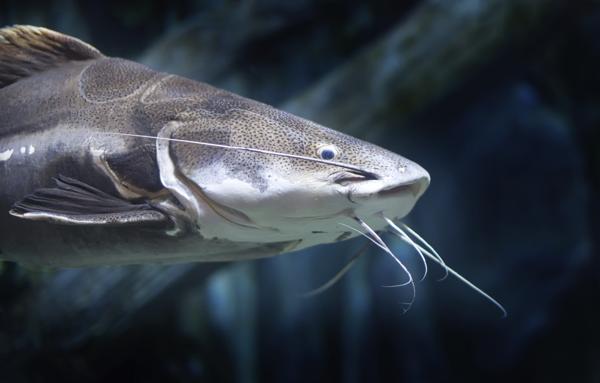
Father catfish keep eggs in their mouth until they are ready to hatch. During this period, which may span several weeks, they do not eat.
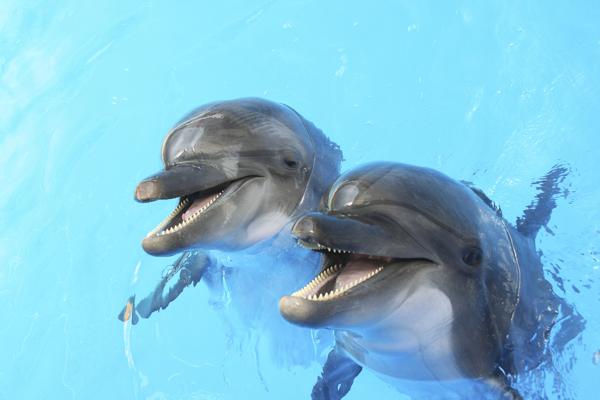
A dolphin consumes food equivalent to one-third of its weight every day.
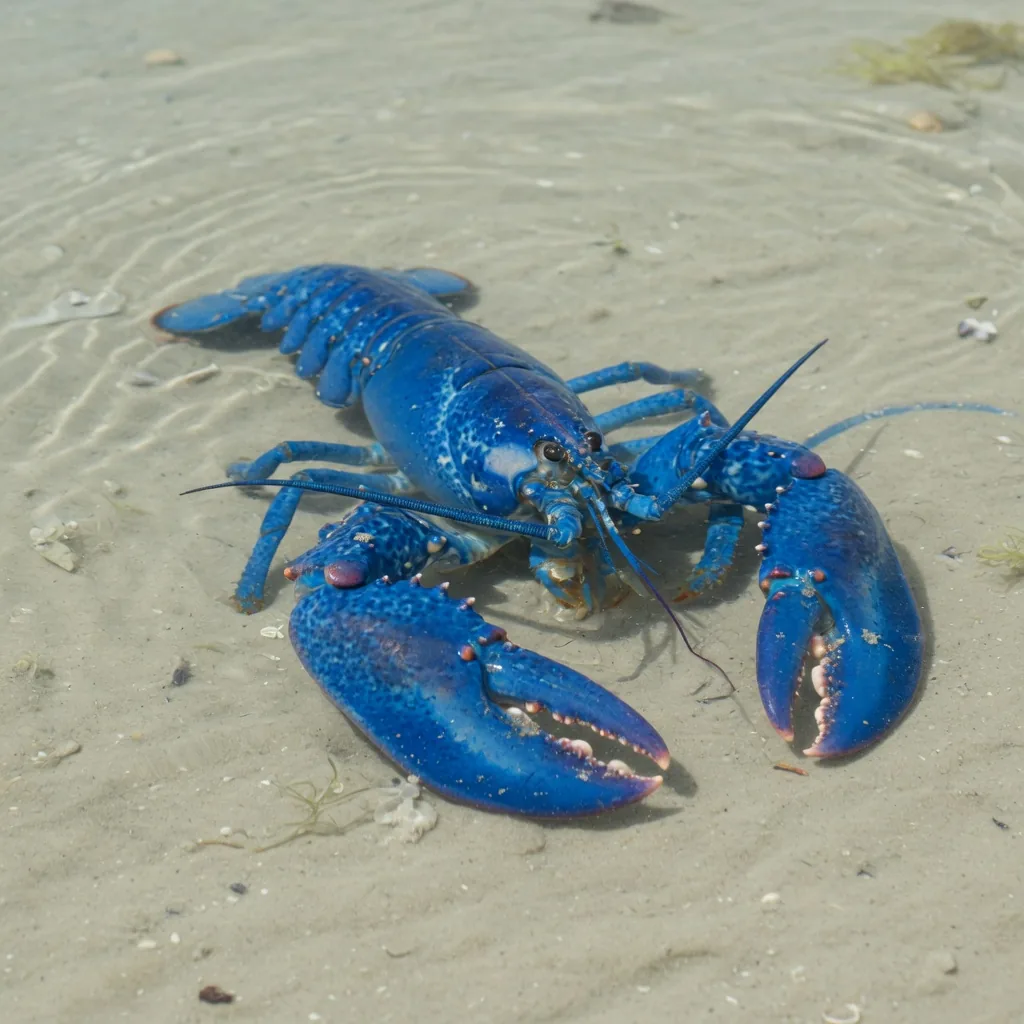
One of every five thousand North Atlantic lobsters is born bright blue in color.
Explore More Animals
 Fun Facts About the Animal Kingdom That Kids Will EnjoyAre you looking for interesting facts about animals? Can you believe flies have five eyes; two large and three smaller ones? Here are some amazing facts about a
 Random Facts About Animals That Will Surprise YouSome really interesting facts about animals that you will enjoy reading. From elephants with 40,000 trunk muscles to hummingbirds that fly backwards, discover
 Unusual and Little-known Facts About MammalsMammals are a class of vertebrates which began to evolve on Earth around 200 million years ago. Discover record-holders, classification, and surprising facts ab
 Nocturnal Animals List: Creatures of the NightMeet the bats, owls, lemurs and big-eyed mammals that hunt and survive in the dark. A complete nocturnal animals list, plus how night creatures find food withou
Insects & Invertebrates
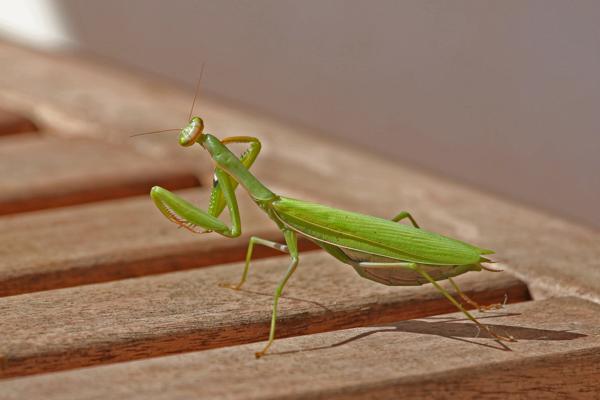
A female praying mantis may eat the male's head just after or even during mating.
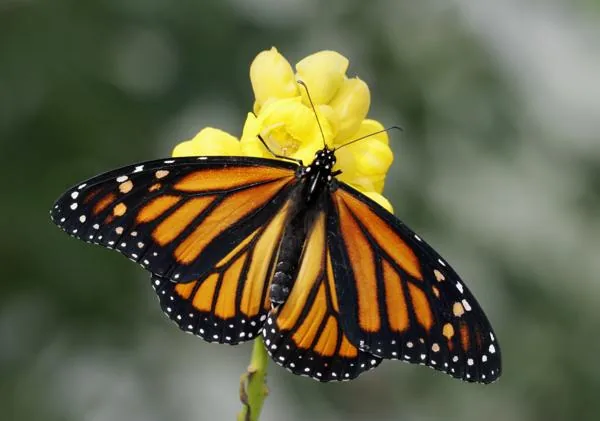
Butterflies use their feet to taste.
Some Other Strange Facts
These animals have extra-strange facts that are harder to believe, but every one of them is true.
- The Black Uakari Monkey travels around 1½ to 2 miles every day on average.
- A female anaconda is 3-5 times bigger than an average male anaconda.
- The rat tops the list of animals that can live without water for a long time. The camel comes second.
- Slugs have four noses, but none of them are visible.
- A cockroach can stay alive for up to nine days without its head, before it dies of hunger.

 Fun fact for today!The liver of a polar bear is so full of Vitamin A that it is extremely poisonous to eat!