

There are around 12,000 different species of ants. Some people say there are actually 14,000 different species. Ants are present all around the world, except for Antarctica, it's simply too cold there. So what food attracts these ants to our kitchens and picnic baskets? And how can you keep them at bay? The following sections provide the answers.
You may have wondered: what do red ants eat, what do black ants eat, do leaf-cutter ants actually eat the leaves they cut? You should know that different species of ants eat different kinds of foods. However, the favorite food item for most ants is anything sweet. Here are the main food sources that give ants their nourishment.
Sweet Foodstuffs
Most types of ants are attracted to anything sweet. Even a single drop of honey or a little jam on the floor is enough to pull them in. They love sweet things so much that they feel an almost magnetic pull toward jam in a sandwich, honey, sugar, lemonade, and similar treats. When ants can't find sweets that we've left around, they go looking for a sweet substance called honeydew, a liquid left behind by other insects.
Honeydew is secreted by aphids (plant-sucking insects) as they ingest the juice of plants. Some ant species even "farm" these aphids, they carry the aphids back to their colonies and look after them just to obtain the honeydew.
Fungus
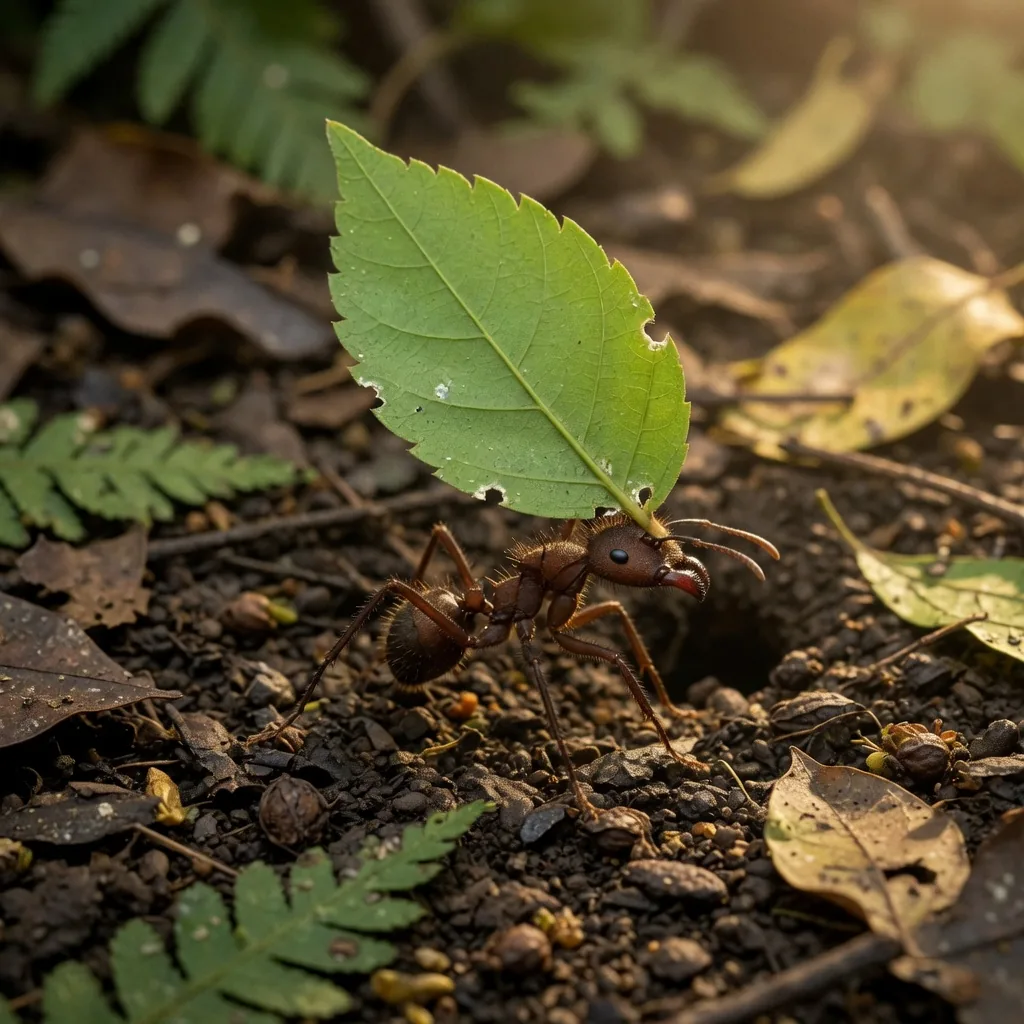
The species called leaf-cutter ants are found in tropical and semi-tropical regions, and can also be found in South and Central America. As the name suggests, leaf-cutter ants cut leaves, but they don't eat them. They carry the leaves back to their underground nests, chew them to a pulp, and store the pulp with ant feces. Fungus grows on this decaying plant matter, and that fungus is what the ants actually eat.
Other Foods
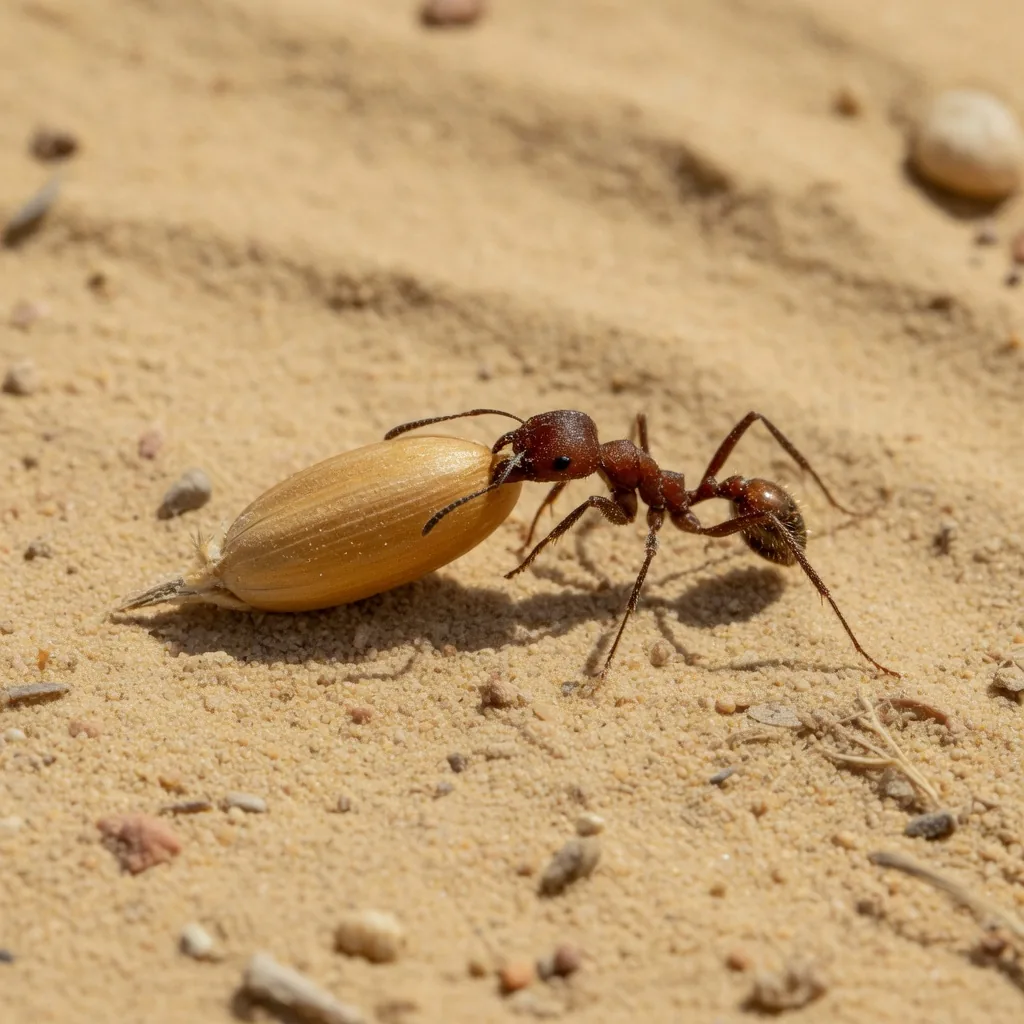
Some species of ants eat the dead bodies of insects much larger than themselves, especially bugs like caterpillars and grasshoppers. Harvester ants are known to collect seeds, store them, and then eat them. Argentine ants, which are natives of Argentina and Brazil and are found sometimes in the US, eat eggs, oil, meat, and almost anything humans leave around. Ants are the number one enemies of termites, and in fact a species of the family, carpenter ants, eat termites.
Test Your Ant Diet Knowledge!
5 quick questions. How much do you really know about what ants eat?
Ant Infestation Prevention Tips
If you want to stop ants from attacking your food or making a mess in the kitchen, try these ideas.
- One natural remedy that works against ants is cloves. Put whole cloves in sugar jars, under counters, and along baseboards. You'll have fewer sugar-seeking ants in your house.
- Another spicy fix is to keep bay leaves in your home. Place them on countertops or anywhere ants-attracting food is stored. You can also carry both cloves and bay leaves in your picnic basket to keep ants away.
- Keep your kitchen sink clean and dry, and wipe countertops with bleach every night to reduce ant numbers.
- Vacuum floor spaces regularly (especially spots where food gets stuck) to minimize their numbers.
- Dispose of garbage bags regularly to prevent ants from finding a food source.
It is not advisable to use powerful chemical pesticides in the kitchen to get rid of ants, as the pesticides might contaminate the food.
Now that you know what ants eat and how to stop them using natural methods, keeping them under control should be much easier. Use the prevention tips above to maintain an ant-free house.
Explore More Animals
 The 6 Types of Killer Ants You Never Knew AboutFire ants, bullet ants, Siafu, and more, meet the six most dangerous ants on Earth and discover what makes them so deadly.
 Do Ants Sleep? The Answer Will Certainly Blow Your MindAnts are always associated with relentless work, but do they ever rest? Discover how fire ant workers power-nap, how queens dream, and why ants hibernate in wi
 What Do Spiders Eat? You Just Can't Guess It!Wondering what spiders eat? These eight-legged hunters spin sticky webs to catch prey, but the answer is stranger than you think. Discover the spider diet, hun
 Really Gripping Facts about AntsAnts could leave humans behind when it comes to organization and teamwork! Discover 5 eyes, trap-jaws, farming, and more, plus a quiz and glossary.

 Fun fact for today!Some ant species farm other insects to get food, just like humans keep cows for milk!