

Cheetah Characteristics and Habitat
One of the four super cats to roam this earth, the cheetah (Acinonyx jubatus), though a member of the cat family (Felidae), is uniquely different from the rest of the cats. Cheetahs are known for their phenomenal speed, but lack the climbing abilities present in other cats. This species is the sole surviving member of the genus Acinonyx. It is considered to be the fastest land animal, clocking speeds of up to 75 mph (120 km/h), though it can achieve this in short bursts and over short distances only. This animal can accelerate from 0 to 60 mph (103 km/h) in three seconds flat, faster than most supercars!
The cheetah is different from other cats in having longer legs and a leaner body. It is also known as the "greyhound" of the cats. Primarily, it is not aggressive but rather shy, preferring flight rather than fight. It has weak jaws and rather small teeth for a carnivorous cat, that's the price it has paid for attaining speed. The cheetah can run and catch almost any prey but cannot fight larger predators, or protect its kills or young cubs.
The distinct features of the cheetah are the long tear-drop shaped lines on both sides of the nose, running from the corners of the eyes to the mouth. The cheetah has black spots measuring from ¾ to 1¼ inches on a tan or buff-colored coat. There are spots on the tail which merge to form four to six dark rings, but no spots on its white belly. The cheetah is also one of the oldest cats around, having first roamed on this earth an astonishing 18 million years ago!
The cheetah is found (or rather, was found) widely across Africa and South Western Asia. Loss of habitat and prey, as well as hunting, has led to a rapid decline in cheetah numbers. Unfortunately, it has all but vanished from Asia and most of Africa, making it a vulnerable species that could soon end up on the endangered animals list. The cheetah thrives where prey is abundant and where there are vast expanses of land. It prefers open areas such as grasslands, semi-desert areas, and thick brush wastelands, though it can also be found in dense vegetation and hilly terrain.
What Do Cheetahs Eat and Drink
Cheetahs, like the other big cats (lions, panthers, jaguars, and leopards), are carnivores surviving in the wild, which means they eat meat, and lots of it. A simple glance at a cheetah's teeth shows you why: large canines for holding and ripping meat from a carcass, and razor-sharp incisors for snipping, slicing, and shearing.
The cheetah eats mostly mammals under 40 kg (88 lb), including deer and antelope such as the Thomson's and Grant's gazelle, the Springbok, and the impala. They also prey on the young of larger mammals such as zebras and wildebeests. When cats hunt in groups, even adult mammals fall prey. In times of scarcity and hunger, warthogs, hares, and guinea-fowl are also on their menu.
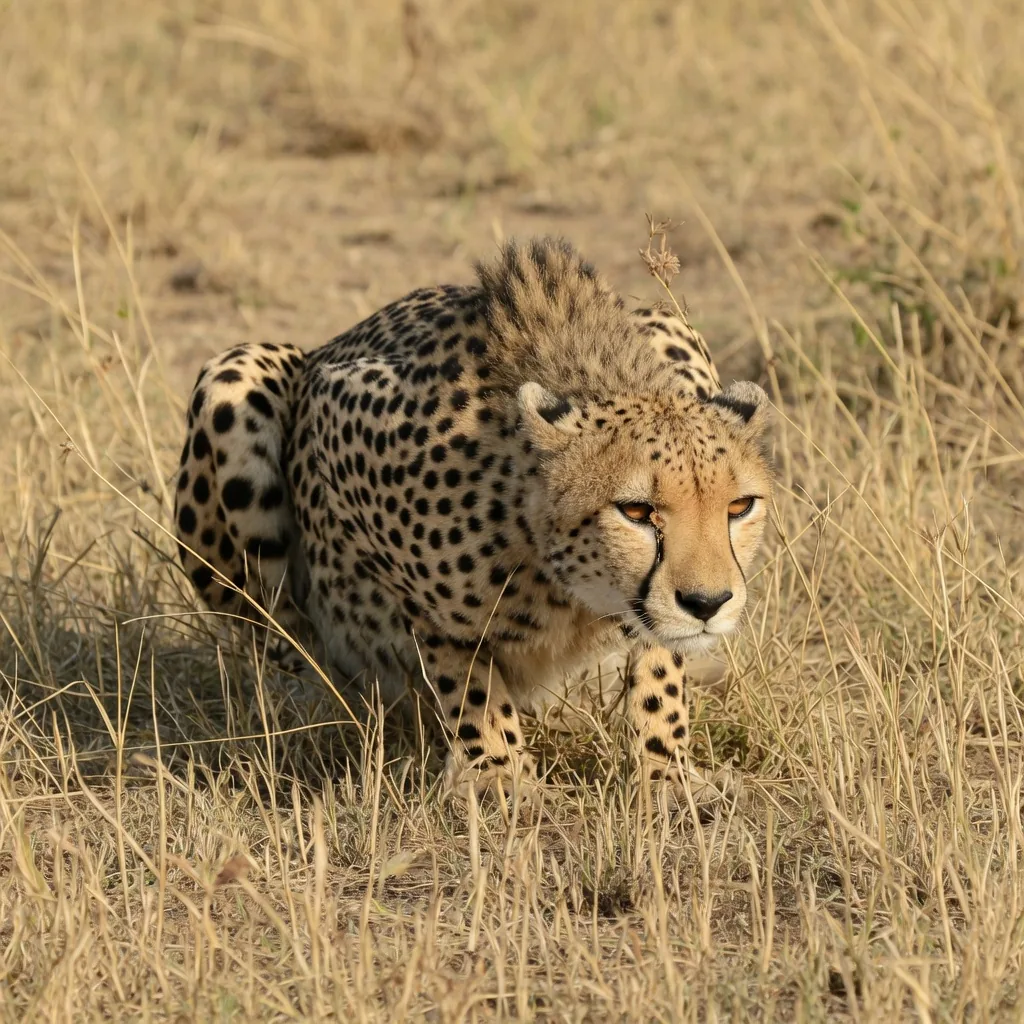
A unique feature of the cheetah is that it is a diurnal hunter, which means, unlike other big cats, it hunts early in the morning or later in the evening. As for what cheetahs drink, nobody has ever seen them drinking anything other than water, so we can safely say that a cheetah drinks water like all other wild cats.
How Cheetahs Hunt
Cheetahs can go two or more days between successive kills. However, females with young cubs try to catch at least one gazelle a day. They differ from other cats in their hunting method, they don't ambush or sneak within springing distance. Cheetahs rely on their vision for hunting rather than scent. The prey is stalked to within 10-30 meters. Then, suddenly, they charge all out.
If they overtake their victim, they bowl it over and strangle it with a bite to the neck. But their prey often escapes. The whole spectacle (thrilling, if brutal) is over in less than a minute. If the cheetah fails to catch its prey quickly, it will give up. The cheetah has an average success rate of about 30%, meaning seven out of ten chases result in failure.
Cheetahs look for animals that have drifted some distance from their pack or group. Unlike most other predators, they do not seek out old or weak animals, they simply target isolated ones.
Frequently Asked Questions
What do cheetahs eat?
Cheetahs eat mostly mammals under 40 kg (88 lb), including Thomson's and Grant's gazelles, springbok, and impalas. In times of scarcity they also eat warthogs, hares, and guinea-fowl.
How fast can a cheetah run?
A cheetah can reach speeds of up to 75 mph (120 km/h) in short bursts, and can accelerate from 0 to 60 mph (103 km/h) in three seconds.
How do cheetahs hunt?
Cheetahs stalk prey to within 10-30 meters, then sprint. They bowl the prey over and strangle it with a bite to the neck. The whole chase is usually over in less than a minute.
Take the Cheetah Diet & Hunting Quiz!
5 quick questions about the world's fastest hunter.
Interesting Facts About Cheetahs
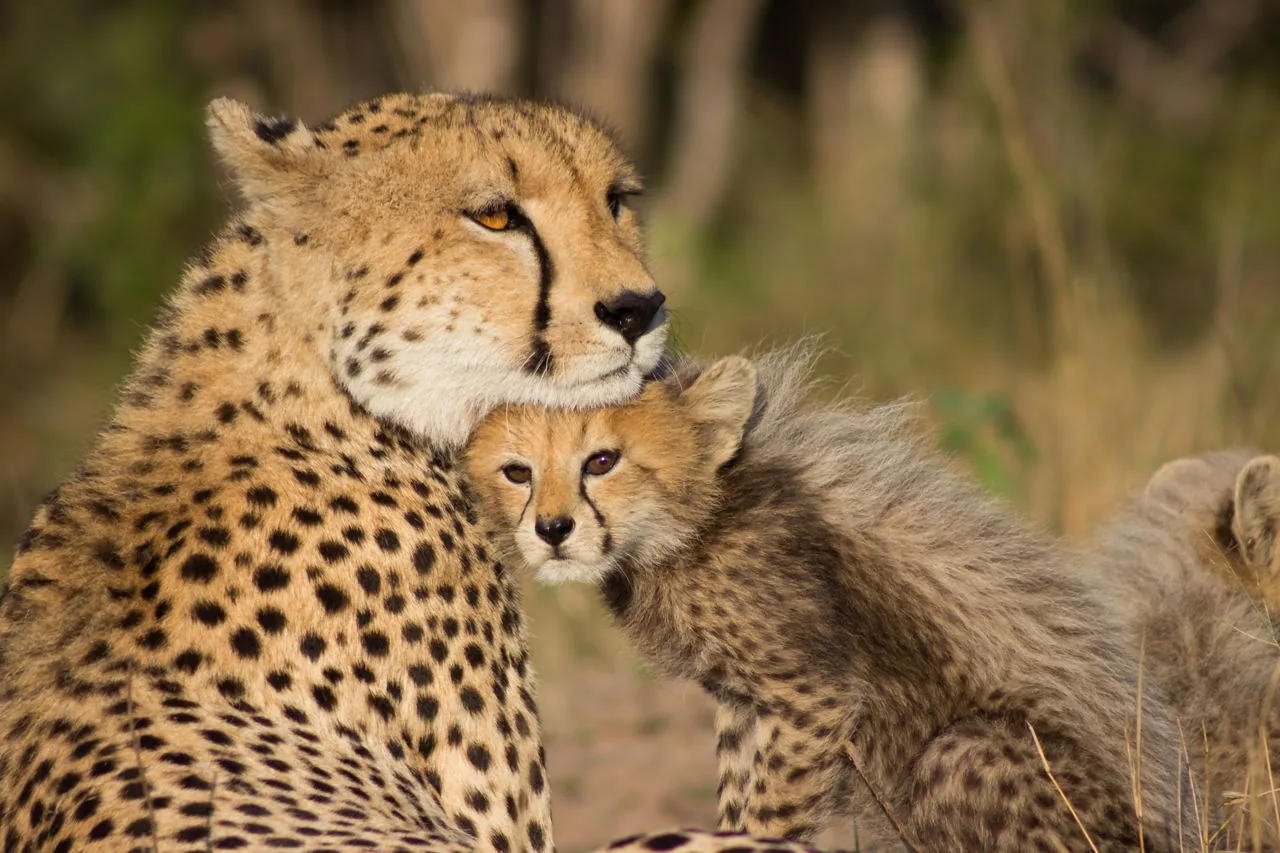
- When cheetahs run fast, they use their tails to help them steer and turn, much like the rudder of a boat.
- Baby cheetahs (called 'cubs') fall prey to lions, leopards, hyenas, wild dogs, and eagles. Mother cheetahs valiantly try to defend their cubs, but are usually unsuccessful. About 90% of cheetah cubs are killed during the first few weeks of life.
- Cheetahs have a unique purring growl, which they let out when annoyed or faced with danger.
- Female cheetahs can have a litter of up to 9 cubs at a time, although the normal litter size is 3 to 5 cubs.
- Cheetahs are often mistaken for leopards. They have no known natural enemies.
- Cheetahs are a species under threat. Loss of natural habitat and hunting by humans are considered the main reasons for their decline.
Cheetahs are beautiful animals and an important part of the food chain, they must be protected. It is the responsibility of us humans to do whatever we can to make sure this species survives. The world of this most magnificent animal of the feline family is fast shrinking. We can help by spreading awareness.
Explore More Animals
 Marvelously Staggering Facts About the CheetahAgile, swift, graceful, lethal...words fail to describe the magnificence of this particular predator from the cat family. A closer run-down of the statuesque ch
 Cheetah vs. Leopard: How to Tell Them ApartCheetah or leopard? Learn the quick clues, spots vs. rosettes, speed, body shape, and habitat, that tell these two spotted cats apart, with a side-by-side cha
 Fastest Animals on Earth That Move at Unimaginable SpeedsDo you know which is the fastest animal on Earth? With quite a few contenders vying for the top spot, the race for the fastest species surely seems interesting.
 Tiger's Habitat: What do Tigers Eat?Royal in their appearance, tigers are one of the most majestic animals seen in the wild. Here is some information about their habitat and food habits.

 Fun fact for today!A cheetah can go from 0 to 60 mph (103 km/h) in just three seconds, faster than most supercars!