

Elephants are easily recognizable thanks to their big ears and long trunks. Despite their weight, they can be very fast and swift. In the forest, healthy adult elephants are the only animals that lions are hesitant to attack.
Elephants are found all throughout Asia, Africa, Europe, and Australia. Because their habitat varies so much, their diet also differs from region to region. They are known to consume several pounds of vegetation daily and feed for 16 hours or more.
Diet of Elephants
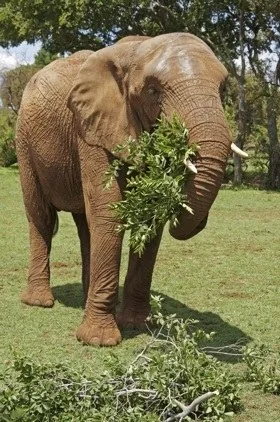
As elephants are both grazers and browsers, finding food is relatively easy for them. They can feed on plants of any size, from grass all the way up to full-grown trees.
In the Wild
Elephants are herbivores. Their food includes leaves, twigs, branches, grass, roots, seeds, fruits (including wild fruits), and flowers. Leaves make up about 50% of an elephant's diet, while the other 50% comes from the items listed above. Elephants don't tend to be fussy eaters, they will happily consume grasses as well as the leaves of large trees.
Tree bark is one of their favorite foods because it contains calcium. It also provides fiber and roughage, which help with digestion. Getting enough fiber is essential to keeping an elephant healthy.
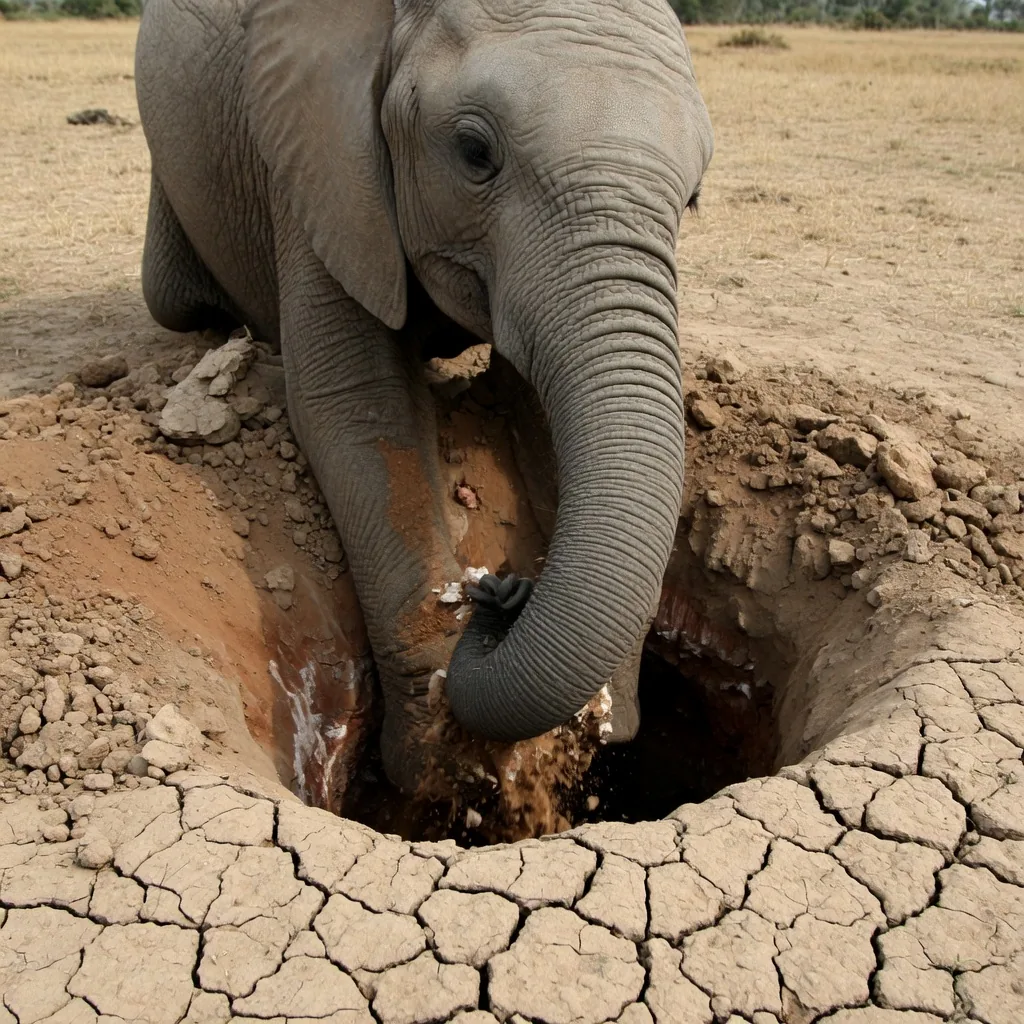
Elephants get their salt and mineral requirements by digging up the soil. They move the soil with their trunks, then pick up chunks and put them in their mouths. This habit leaves deep holes in the ground, but those holes also help other animals meet their own salt and mineral needs, and give smaller animals a safe place to hide.
Because of their huge size, elephants can consume 140 to 170 kilos (300 to 375 pounds) of food a day. They spend nearly 80% of their day eating, which works out to sixteen to eighteen hours. Pregnant females eat even more than the normal quantity.
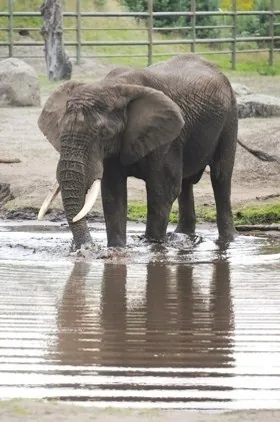
Elephants also need a great deal of water. They generally require between 20 to 30 gallons a day. At times, they can drink up to 40 gallons in a single day. They use their trunks to splash water into their mouths.
Oddly, elephants cannot digest between 30 to 60% of their food. This is true for elephants in the wild as well as in captivity. Because so much passes through undigested, elephants must eat even more to meet their nutritional needs.
Frequently Asked Questions
What do elephants eat in the wild?
Leaves (about 50% of their diet), plus grasses, twigs, branches, roots, seeds, fruits, flowers, and tree bark.
How much does an elephant eat per day?
140 to 170 kilograms (300 to 375 pounds) of food per day, over 16-18 hours of foraging.
How much water do elephants drink?
Generally 20-30 gallons a day, though they can drink up to 40 gallons in a single day.
Test Your Elephant Knowledge!
5 quick questions about what elephants eat, can you get them all right?
In Captivity
In captivity, an elephant's diet needs to be managed carefully. Handlers must avoid giving too much or too little food, as either extreme can make the animals obese or undernourished.
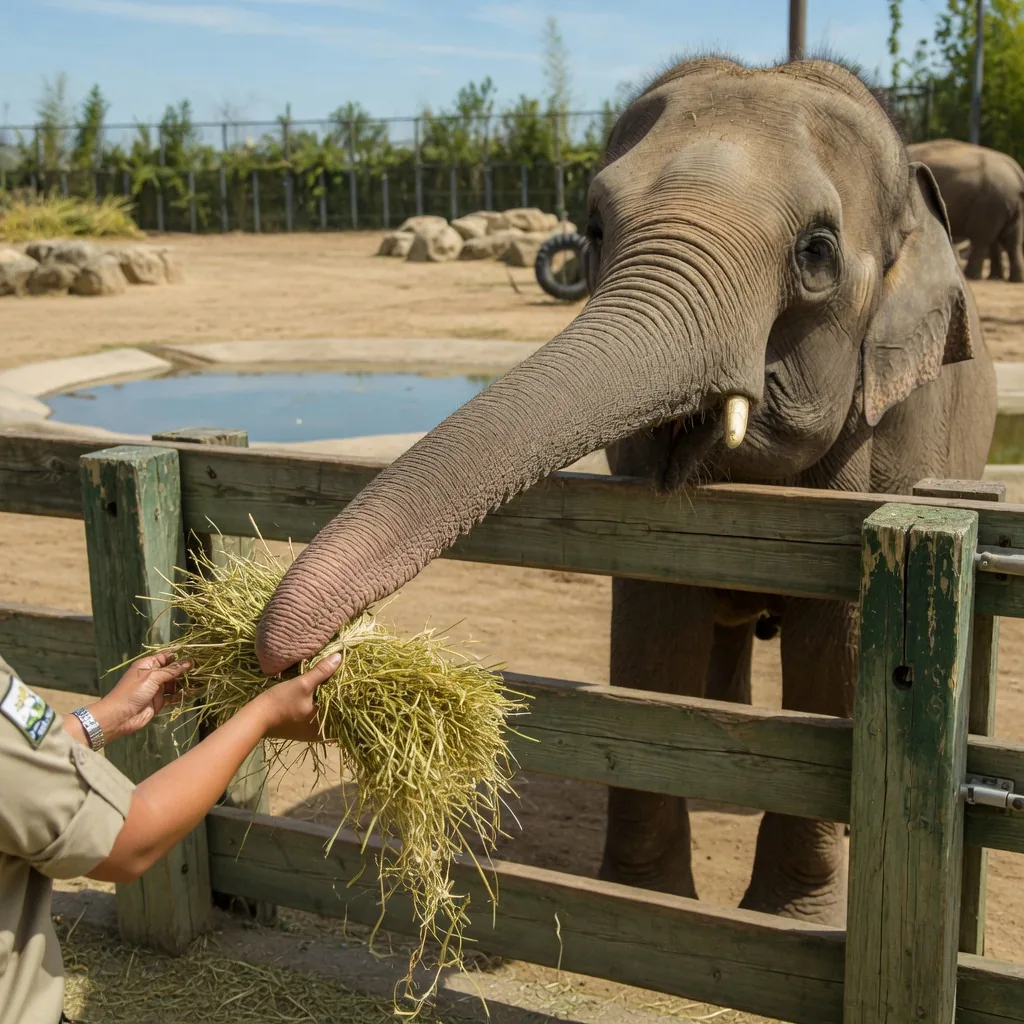
Water: The first and most important part of a captive elephant's diet is water. They must be provided with clean water every day in built-in tanks or large containers. Just as in the wild, the quantity can be adjusted for the season, humidity, and temperature.
Hay: A common staple for zoo elephants is hay. It forms a major part of their diet and is chosen based on the variety best suited to the animals and the nutrition it provides.
Fruits and Vegetables: Zoo elephants also receive fruits and vegetables, which can include sugarcane (a favorite of this mammal), apples, bananas, carrots, tomatoes, parsley, turnips, potatoes, lettuce, cabbage, beet, kale, pears, and more.
Browse: An important food component for zoo elephants is browse, the leaves and bark of trees and shrubs. Browse actually makes up a larger part of their captive diet than fruits and vegetables do.
Other Supplements: Zoo elephants also require pellets or special grains made with essential nutrients. Regular supplements are given to make up for vitamins, minerals, and salts that their diet might otherwise lack.
Habitat
There are only 3 species of elephants still surviving today: the African bush elephant, the African forest elephant, and the Asian (or Indian) elephant. All other species are extinct, some since the last ice age.
Elephants are mainly threatened by human invasion and poaching. The loss of habitat has caused the biggest reduction in their numbers. Elephants need huge areas of forest land so they can take down trees for food. They then leave the area and return once it has re-grown.
Because large land areas are harder to find, conflicts between humans and elephants occur more often. These conflicts lead to loss of lives on both sides, with more elephants losing their lives than humans. You can learn more in our article on African elephant habitat and what makes it so essential to their survival.
Explore More Animals
 Really Astonishing Facts About African ElephantsGentle to some, threatening to others, African elephants continue to be a subject of interest for many animal lovers. This AnimalSake post provides some interes
 Facts About Asian Elephants You Won't Believe You Didn't KnowDid you know that female Asian elephants do not have tusks? And that only some male ones do? Here are some interesting facts about the Asian elephants.
 An A-Z List of Herbivore Animals, With Pictures | Animal SakeFrom antelopes and bison to zebras: meet 28 amazing plant-eating mammals in this A-Z herbivore animals list, with their family, diet, habitat and photos.
 African Elephant Habitat: This is Where These Animals Really BelongThe largest land animal on Earth, the African elephant roams 37 nations across sub-Saharan Africa. Discover the two species, their habitats, and what threatens
Interesting Facts
- Elephants have a very good memory. They can remember events for their entire lives and recall them instantly.
- Their trunks are multipurpose. Elephants use them for breathing, smelling, hearing vibrations, and as a hand. They are often seen rubbing their eyes or grabbing food with their trunks.
- Elephants were once used in warfare across the Indian subcontinent, China, and Persia, where they served as a king's mount. They can cause serious damage to infantry, and cavalry horses fear them greatly.
- Elephants are known to have a very bad temper when provoked and can cause massive destruction in their anger.
- These animals uproot trees, which leads to the growth of new trees and more vegetation. In dry seasons, they use their tusks to dig holes and expose underground water.
- Their teeth do not grow vertically from the gums. Instead, they grow from the back of the jaw and are pushed forward as new teeth grow behind them. When the old teeth reach the front, they fall off. Elephants go through around 5 or 6 tooth cycles in their lifetime. They mostly die of starvation in old age, when they lose their last set of teeth, they can no longer eat.
- Elephants are extremely intelligent, their intelligence is comparable to that of primates. Their brain weighs about 5 kg. They can feel grief, make music, and use tools. They also show strong care for other elephants' calves.
- They share ancestry with mammoths. Many scientists believe elephants evolved from mammoth-like ancestors.
- These animals do not sleep much because they travel great distances while searching for the large quantities of food needed to maintain their massive bodies.

 Fun fact for today!African elephants eat about 660 pounds of food per day. Smaller Indian elephants eat about 330 pounds.