

Meet the Fox
Foxes are carnivorous animals that belong to the Canidae family. They are usually identified by their long, narrow snout and a bushy tail that often looks like a brush. The Vulpes genus is known as the "true fox" group, and there are about 12 species in it. The most common of these is the red fox.
Facts about Foxes
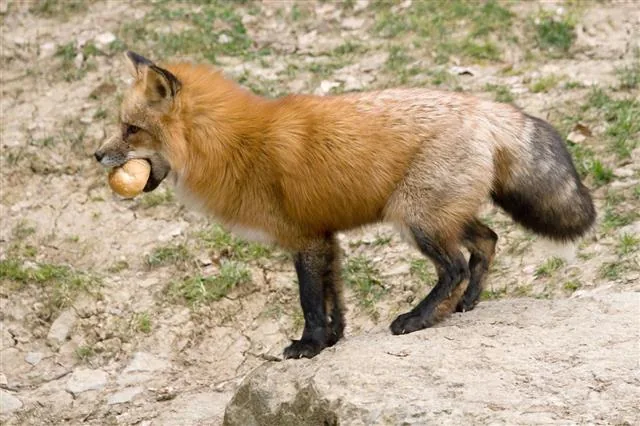
- Foxes are smaller than other members of the Canidae family, wolves, jackals and domestic dogs.
- Male foxes (called Reynards) weigh about 5.9 kg. Female foxes (called vixens) weigh up to 5.2 kg on average.
- All foxes share two features: a distinctive muzzle and a bushy tail. Other traits vary depending on where they live.
- They are opportunistic feeders and live in small family groups. They hunt live prey by pouncing on it and killing it quickly.
Body Adaptations
Along with the features common to all foxes, different species have evolved different bodies for their habitats. The fennec fox, which lives in deserts, has large ears and short fur. The Arctic fox, by contrast, has tiny ears and thick fur to keep warm in freezing temperatures.
Meal Preferences
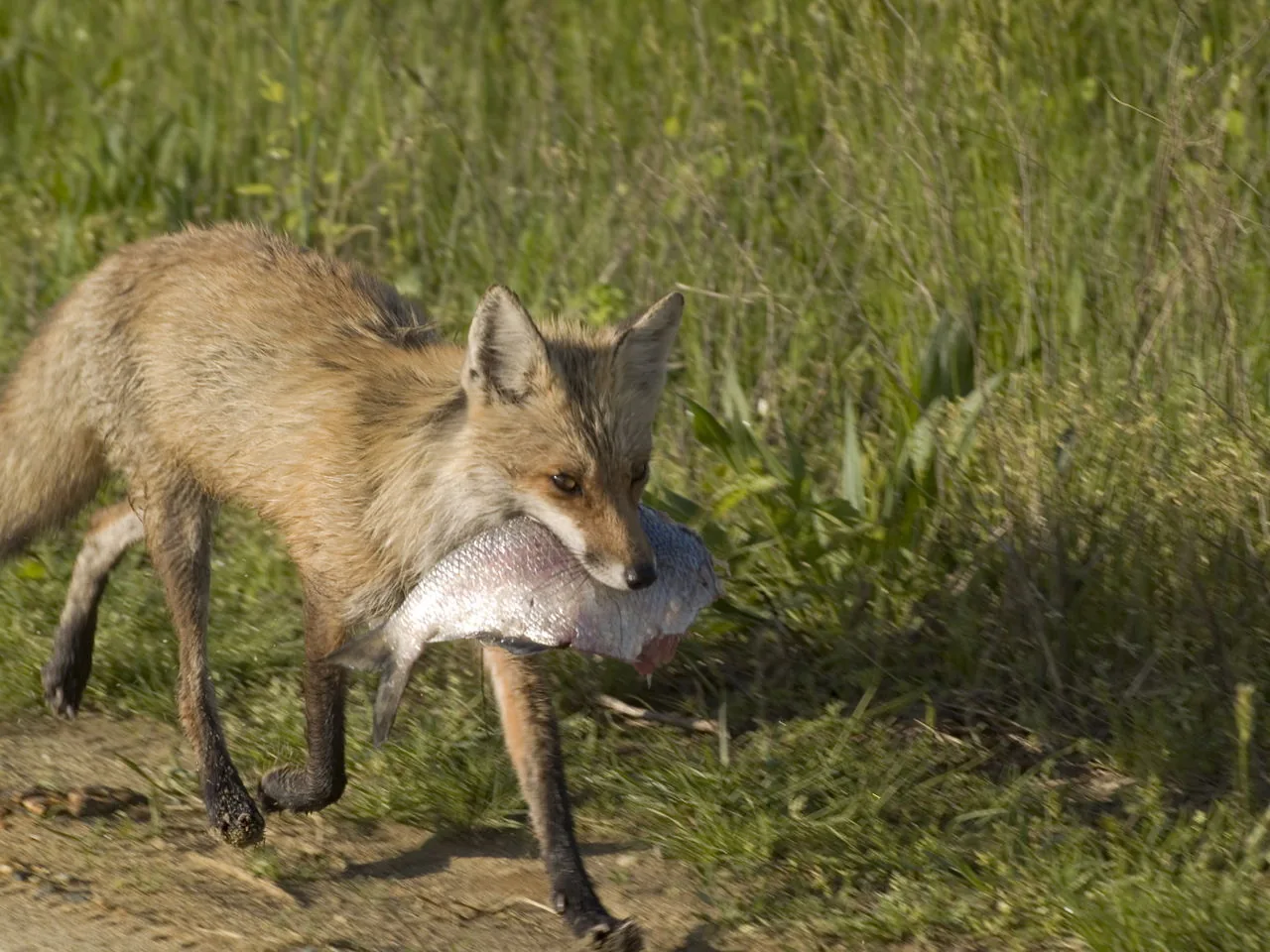
Foxes are often labeled as carnivores, but their wide range of foods makes them true omnivores. They can eat almost anything they find, from a small insect to a large rabbit. It is this flexibility that lets them survive in almost any habitat and season. They rely heavily on invertebrates, and they also eat grasses, berries and fruit. Their favorite fruits are apples, plums and blueberries.
Hunting and Food Habits

Foxes are intelligent hunters, their prey often gets caught very easily. They prefer to hunt alone, but in winter they sometimes form groups for hunting. They are most active around dawn, when prey is easier to surprise. Foxes are very possessive about their food: it is usually the vixen who shares food, either with her cubs or with dog foxes during courtship. If they catch more food than they need, foxes bury the leftovers in holes under the ground to eat later.
Take the Fox Diet Quiz!
5 quick questions. How well do you know what foxes eat?
Arctic Fox Diet

Arctic foxes eat fish, mollusks, small reptiles and sometimes birds. They are also skilled scavengers, they can eat almost anything left over by larger animals like polar bears.
Frequently Asked Questions
Are foxes carnivores or omnivores?
Omnivores, they eat meat, insects, fruit and berries.
How much does a fox need to eat each day?
About half a kilogram of meat, topped up with fruit when prey is scarce.
What is a fox's favorite fruit?
Apples, plums and blueberries.
What do arctic foxes eat?
Fish, mollusks, small reptiles and sometimes birds, plus carrion left by larger predators.
What is the 'mousing leap'?
The red fox's famous hunting move, a high arcing pounce used to catch rodents hiding in grass or snow.
Desert Fox Diet
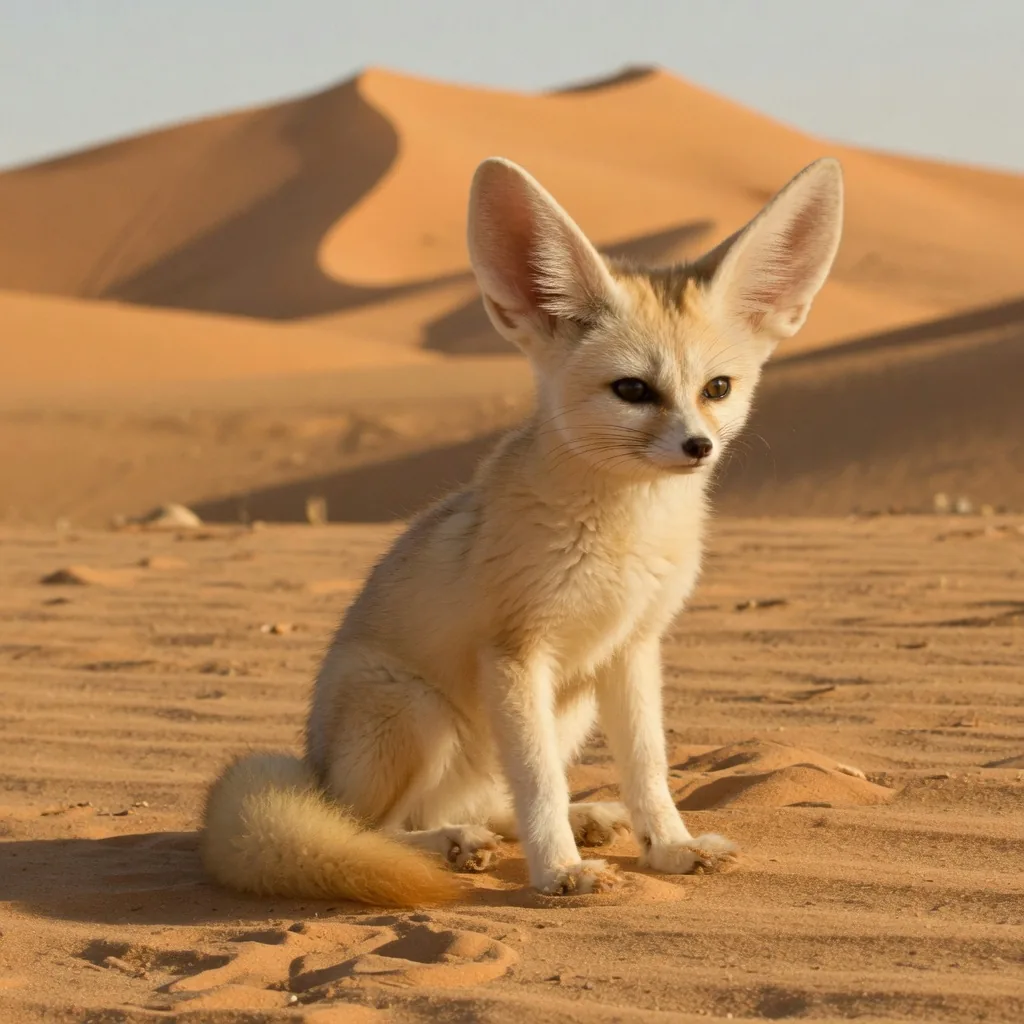
Desert-dwellers like the fennec fox eat whatever the desert offers. They eat rabbits, carrion, earthworms and even insects like grasshoppers.
Daily Food Need
Foxes are hungry animals and need about half a kilogram of meat every day. When they can't find enough meat, they make up the difference with fruit, strawberries and other wild fruits are popular substitutes.
Favorite Foods
Pocket gophers are a favorite target for foxes. Red foxes (the most common species in the world) use their famous "mousing leap" to hunt rodents and mice. They leap high and pounce straight down onto prey hiding in grass or under snow. Hares and snakes are also popular meals when they can be caught.
If Hunting Fails, Scavenging
Birds are not a favorite prey because they are difficult to catch. But foxes will happily feast on leftovers that other animals have abandoned.
So, foxes (though the smallest members of the dog family) are among the smartest. They eat almost anything and are always on the lookout for food. Their wide-ranging diet shows that foxes are not nearly as wild or fussy as people often assume.
Explore More Animals
 Fast Facts About Foxes That Will Leave You SpellboundFoxes are best known as sly creatures; however, these are like any other animal in the wild. Read some interesting facts about foxes and their relationship with
 Jaw-dropping Facts About the Red FoxBuilt for speed and known for its clever opportunistic behavior, the red fox is one of the world's most widespread mammals. Discover its habitats, diet, amazing
 A Complete List of Different Types of Foxes, With PicturesNot every animal called a fox is a true fox. Meet the 12 true foxes of genus Vulpes (the red, Arctic and fennec) plus the crab-eating, South American, bat-ear
 Red Fox Habitat: Places Where These Cunning Carnivorans LiveThe red fox lives in grasslands, forests, deserts, icy plains, and even cities. Find out where red foxes live, how they find food, and why they've conquered alm

 Fun fact for today!Foxes belong to the Canidae family, the same family as wolves, jackals and domestic dogs!