

Size Decides the Menu
Frogs come in very different sizes. The smallest species measures a mere 7.7 mm, while the largest reaches an impressive 13 in. That size difference has a big effect on what they eat. Paedophryne amauensis, the smallest of the lot, feeds on small invertebrates, while the Goliath frog (the largest species) goes as far as eating the young ones of reptiles.
Frogs, Diet and Eating Habits
Frogs undergo metamorphosis during their lifetime. As a frog changes from tadpole to adult, its diet shifts from herbivorous to carnivorous or omnivorous. Tadpoles are herbivores that survive by eating algae. As they grow into adult frogs, they develop limbs, and their gills are replaced by lungs. Their digestive system also changes to suit a meat-based diet, and they begin feeding on a range of organisms, from insects to reptiles.
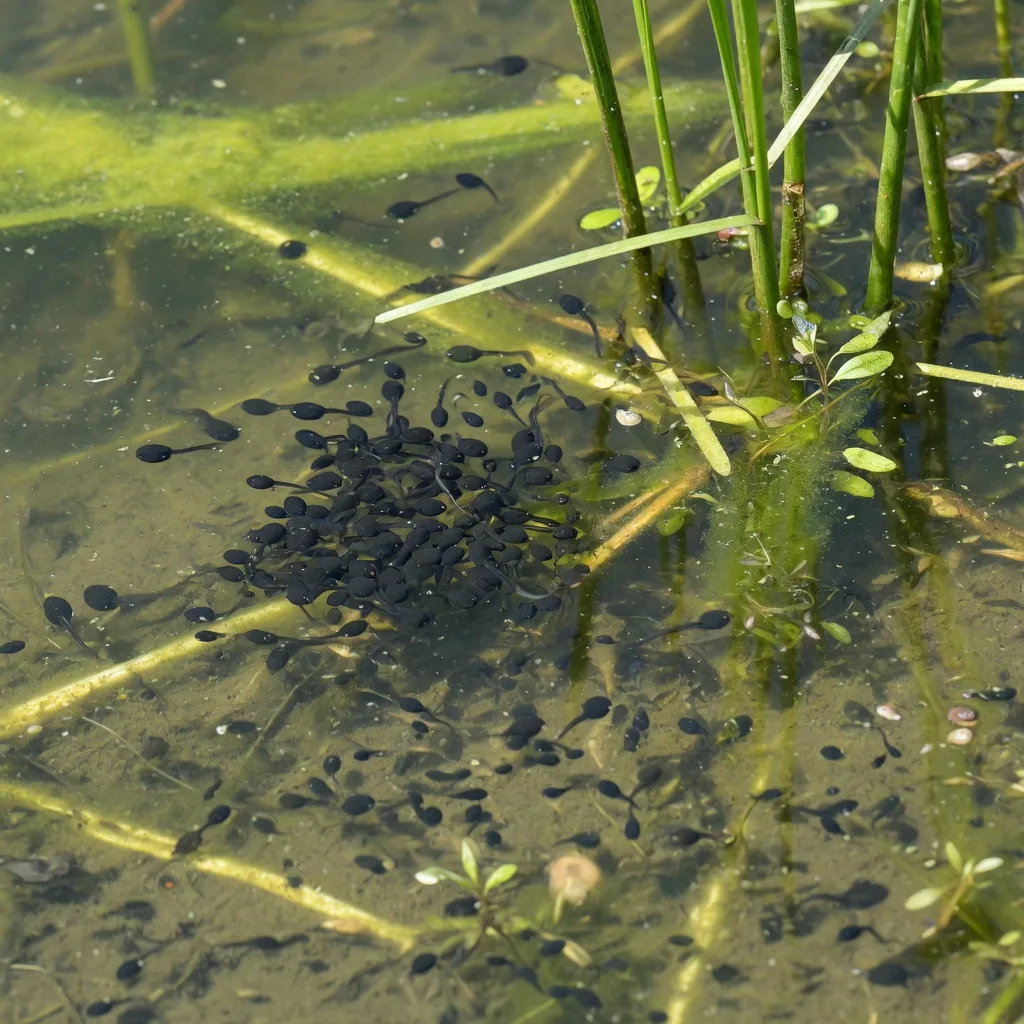
Baby frogs (known as tadpoles) eat pond plants, algae, and other material from the water they are born in. As they grow, they become carnivorous and feed mainly on insects, microbes, and other small organisms. When fully developed, they leave the water, and their food choices multiply with all the insect species available in their native habitat.
How Frogs Hunt
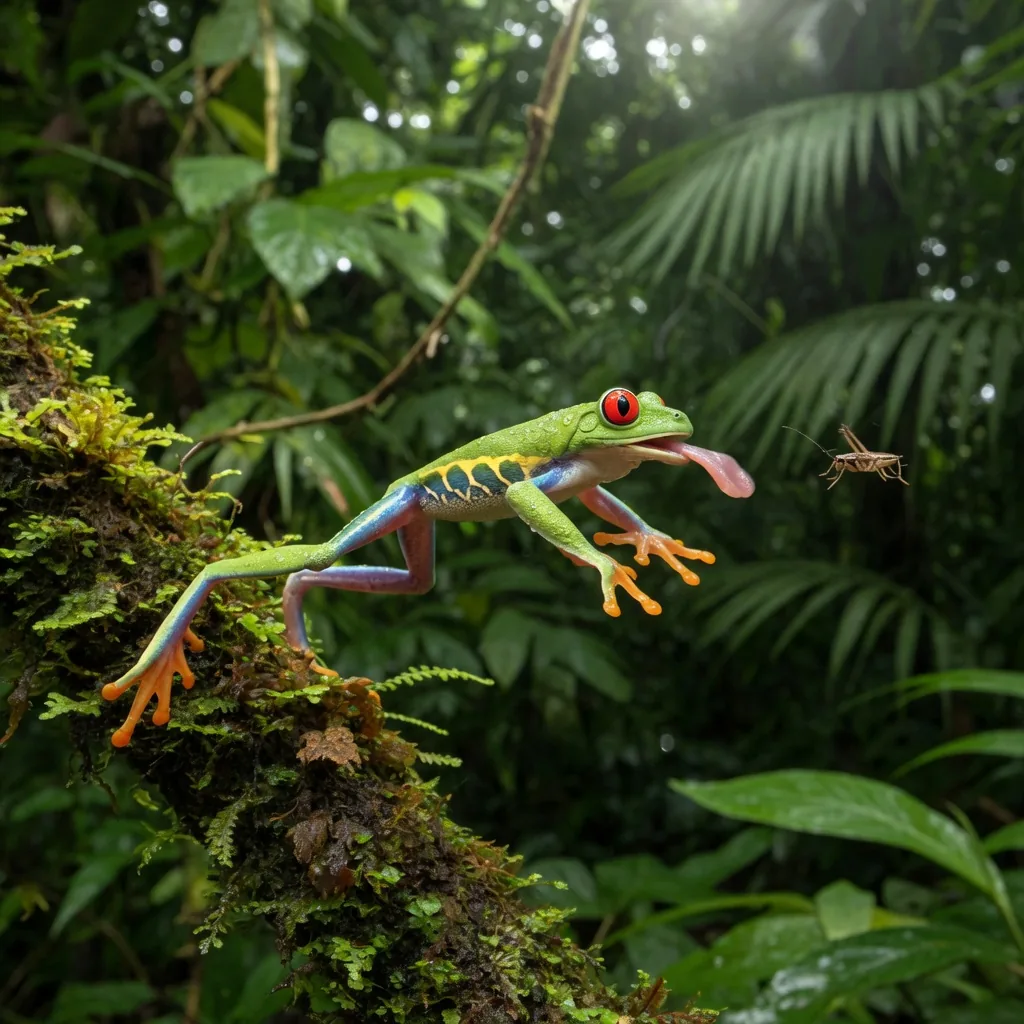
Insects form a major chunk of the frog's diet. Most species have a long, sticky tongue that they use to grab flying insects and eat them. Before you can say "get, set, go," the frog has caught the fly, rolled back its tongue, and gobbled it down. Adult frogs hunt live prey and eat insects, snails, spiders, worms, and small fish. Size is a real advantage here: larger species hunt small reptiles and invertebrates with ease. Species like the Goliath frog are known to feed on young snakes as well.
The Eyes Have It, How Frogs Swallow
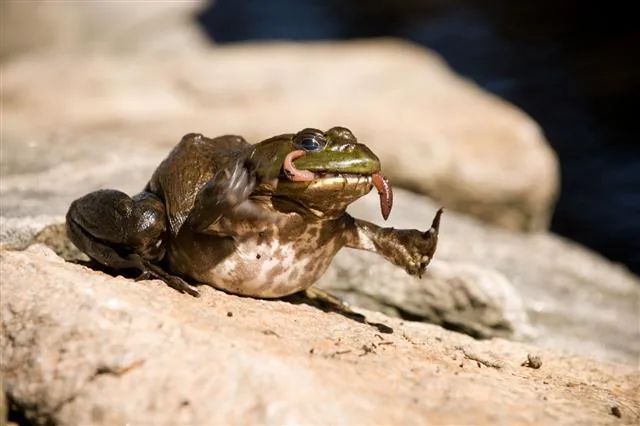
Frogs have to swallow their meal whole because they have no teeth to chew. They use their sticky tongue to catch prey and hold it with their upper jaw. The most interesting part is the way they actually swallow. They use their eyes to help! Watch a frog swallow its food and you will see its eyeballs sink into the socket and then pop right back up. It looks like blinking, but they are actually pushing the food down.
Frequently Asked Questions
What do tadpoles eat?
Tadpoles are herbivores that eat algae and pond plants.
What do adult frogs eat?
Adult frogs are carnivores. They eat insects, snails, spiders, worms, and small fish. Large species like the Goliath frog even eat young reptiles.
Do any frogs eat fruit?
Yes, Xenohyla truncata is the only known frog species that eats fruit as a mature adult.
How do frogs swallow food without teeth?
Frogs swallow prey whole. They use their eyeballs (which sink into the socket) to push food down their throat.
Do frogs eat in winter?
No. Frogs that hibernate stop eating completely in winter. At about 10°C they enter a deep sleep and burrow into soil or mud.
Take the Frog Diet Quiz!
5 quick questions. Can you tell your tadpole from your Goliath?
Hibernation: The Winter Fast
Frogs eat more in summer and spring, and less in winter. Those species that hibernate stop eating entirely in winter. Frogs are cold-blooded animals, and as the temperature drops, their breathing slows gradually. At about 10°C they enter a deep sleep, hibernation. They burrow into soil, hide under a log, or go deep into a pond. Some species, like Rana sylvatica, actually freeze solid in winter, only to come back to life in spring.
Explore More Animals
 Frog Habitat Facts With Stunning Pictures of Their DwellingsFrogs are amphibians, which means that they typically live on land but breed underwater. Discover natural frog habitats, the life cycle connection, aquarium set
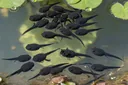 What Do Tadpoles Eat?A tadpole is the aquatic larval stage of a frog or toad. Discover what tadpoles eat in the wild as they develop, and how to feed them in captivity.
 Types of Frogs and Toads: A Complete Picture GuideFrom the tiny Paedophryne to the giant goliath frog, discover all the main types of frogs and toads, with pictures, quick facts, and a quiz for kids.
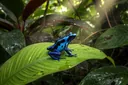 Small But Deadly: 4 of the Most Poisonous Frogs in the WildDiscover the world's most poisonous frogs, from the golden poison frog that can kill 20 humans to the warty cane toad. Learn their habitats, toxins, and how to
Frogs as Pets: What to Feed Them
Frogs make good pets because they are not fussy about their food. Green tree frogs, for example, can survive for about 2½ days without food. They are popular pets not just in the United States but in many parts of the world. If you keep one as a pet, you can feed it crickets, fruit flies, houseflies, moths, and other small insects.
Frogs as Prey
At times, these predators themselves become prey. Crows, gulls, stoats, weasels, badgers, and otters all feed on frogs. Even snakes and other reptiles hunt frogs and toads. Tadpoles and baby frogs are eaten by birds, fish, beetles, and dragonfly larvae. In extreme cases, baby frogs and large tadpoles resort to cannibalism and feed on small tadpoles. Certain species of frogs are also considered delicacies in many cultures around the world.
Habitat and Threats
Frogs need to keep their skin moist, so they prefer wet places like ponds, lakes, and marshlands. (Some species lay their eggs under moist conditions because the eggs dry out easily.) Due to global warming, many moist areas are drying up and frogs are losing their natural habitat. Excessive deforestation and water pollution make things worse, and around ⅓ of all frog species are considered threatened today. If this continues, quite a few frog species could be added to the list of extinct animals over the next couple of years, triggering a domino effect on other species in the ecosystem.
A Frog's Own Words
To sum it up, here is a nursery rhyme that captures the frog's appetite rather well:
"Croak!" said the toad,
"I'm hungry, I think;
Today I've had nothing
To eat or to drink.
I'll crawl to a garden
And jump through the pales,
And there I'll dine nicely
On slugs and on snails."
"Ho, ho!" quoth the frog,
"Is that what you mean?
Then I'll hop away to
The next meadow stream;
There I will drink, and
Eat worms and slugs too,
And then I shall have a
Good dinner like you."

 Fun fact for today!Frogs use their eyeballs to help swallow, they sink into the skull to push food down!