

Jellyfish are ravenous feeders and have a gastrovascular cavity that functions as their stomach. Their mouth is located under their bell-shaped body. Despite the fact that they lack a brain and central nervous system, jellyfish function more efficiently than a whole lot of other organisms on the planet.
What Do They Eat?
With over 200 jellyfish species found in the oceanic waters around the world, it is very difficult to give a single answer to that question. To begin with, jellyfish are carnivores and eat a lot of food. They feed on a variety of zooplanktons and crustaceans, as well as eggs and larvae of other marine organisms. They are passive hunters that drift along the water current, waiting for a potential prey to get trapped in their tentacles.
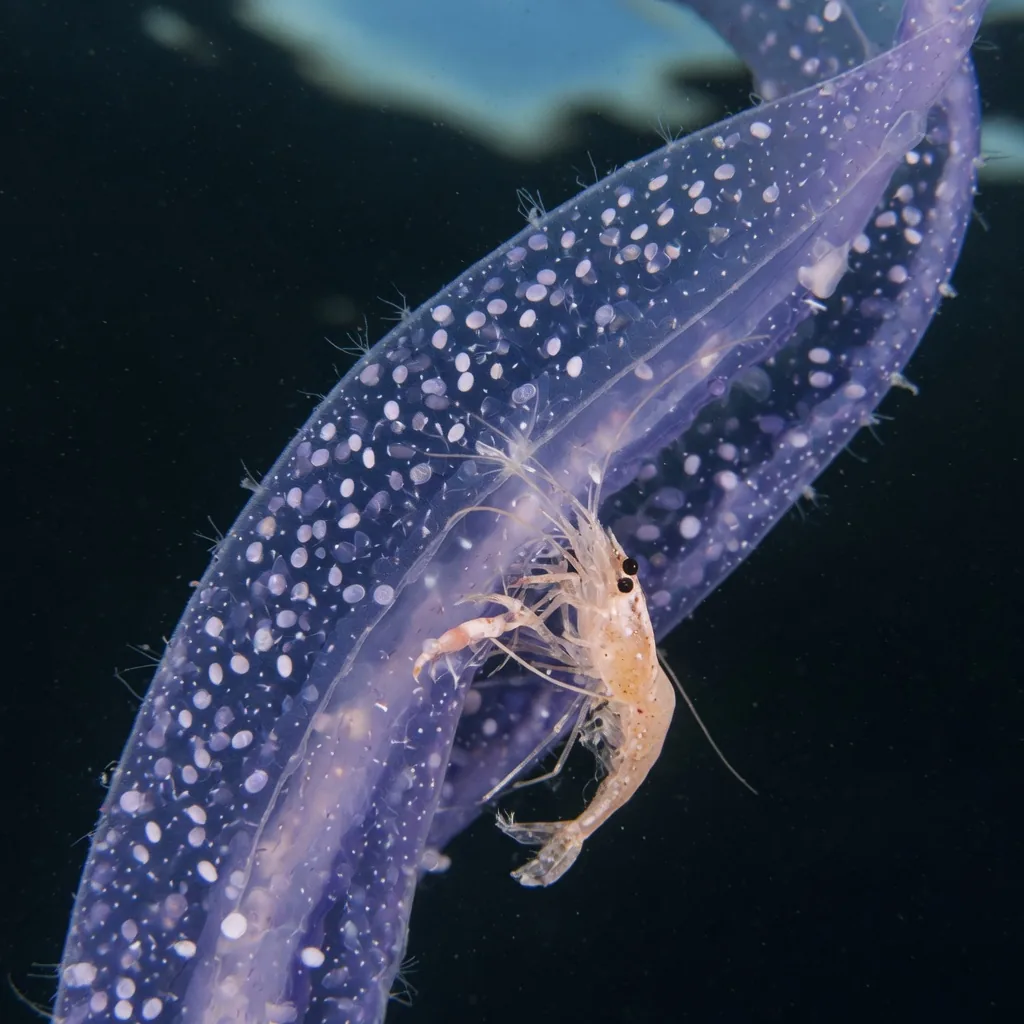
Larger, deadly jellyfish that are aggressive hunters prey on small fish and crustaceans like shrimp, or even other jellyfish. In fact, some species of jellyfish can eat a jellyfish that is as large as themselves.
Spotted jellyfish are filter feeders and consume seawater to absorb their food. They also consume large quantities of useful zooplankton, which can sometimes cause an imbalance in marine life. They also eat eggs and larvae of marine creatures that have huge commercial value.
Feeding a Pet Jellyfish
If you own a jellyfish, you can feed it live food. You can try breeding brine shrimp at home so that you have a long-term supply of live food ready for your pet. You can also get freeze-dried brine shrimp eggs, hatch them in salt water for about 24 hours, and feed them to your jellyfish after separating the larvae from the egg shells. Many public aquariums feed chopped fish and blended krill to jellyfish. If you are a hobbyist, you can even resort to frozen foods specially made for these invertebrates.
Frequently Asked Questions
Are jellyfish carnivores?
Yes, jellyfish are carnivores that eat zooplankton, crustaceans, fish, and other jellyfish.
How do jellyfish catch their prey?
They use tentacles armed with thousands of stinging nematocysts that fire venom into prey on contact.
What are jellyfish made of?
A jellyfish's body is 95% water.
How many jellyfish species are there?
Over 200 jellyfish species have been found in the world's oceans.
Take the Jellyfish Diet Quiz!
5 quick questions. Find out how much you know about what jellyfish eat.
How Do They Catch Their Prey?
Jellyfish use their tentacles to catch prey. Their tentacles contain thousands of nematocysts (stinging cells loaded with venom) or cnidocytes with stinging capsules. Jellyfish have a highly developed nervous system that activates the cnidocytes the instant prey comes in contact with them.
Like a bullet, the nematocysts are shot at the prey. They attach to the prey's skin and release venom. The venom stuns the prey, and then the jellyfish wraps its long tentacles around it and pulls it toward its mouth. The prey is moved to the chamber next to the mouth, where it gets digested and absorbed. Interestingly, the same opening is then used to release waste.
So a jellyfish is, at heart, a meat-eater that feeds on other marine creatures. What's surprising, though, is that it is made up of 95% water, and still has a huge appetite!
Explore More Animals
 Utterly Enchanting Facts About JellyfishThe jellyfish is a unique marine animal, known for its delicate looks, and equally deadly stings. However, there is much more to this sea creature than is appar
 Types of JellyfishJellyfish are mysterious ocean creatures, a complete kids' guide to the most popular types, plus how jellyfish live, eat, sting, and survive. From the deadly S
 What Do Shrimp Eat and How Are They Different from PrawnsShrimp are at the very bottom of the ocean food chain. Find out exactly what shrimp eat at every stage of their life cycle, plus how to tell them apart from pr
 Facts about Cannonball JellyfishSome known and some unheard facts about the cannonball jellyfish have been presented in this article. So prepare to get up-close and personal with this beautifu

 Fun fact for today!A jellyfish's body is 95% water, yet it still hunts and eats every day!