

As many as 160,000 species of moths are believed to exist in the world. Because of this huge variety, you might think it would be impossible to describe their feeding habits in general. The fact, however, is that they have a remarkably simple diet, especially in their adult stage.
Diet of Moths
The nutrients moths need to complete their life cycle are mostly taken in during the larval stage. This explains why moth larvae are voracious feeders. A female moth lays her eggs on either woolen or silk fabrics, or under the leaves of plants, depending on the species. The larva then feeds on those fabrics or leaves before wrapping itself inside a silken case to pupate.
How long that pupal stage lasts also varies by species. In some moths, it can last up to four years. In others, the moth matures into an adult in just 90 days.
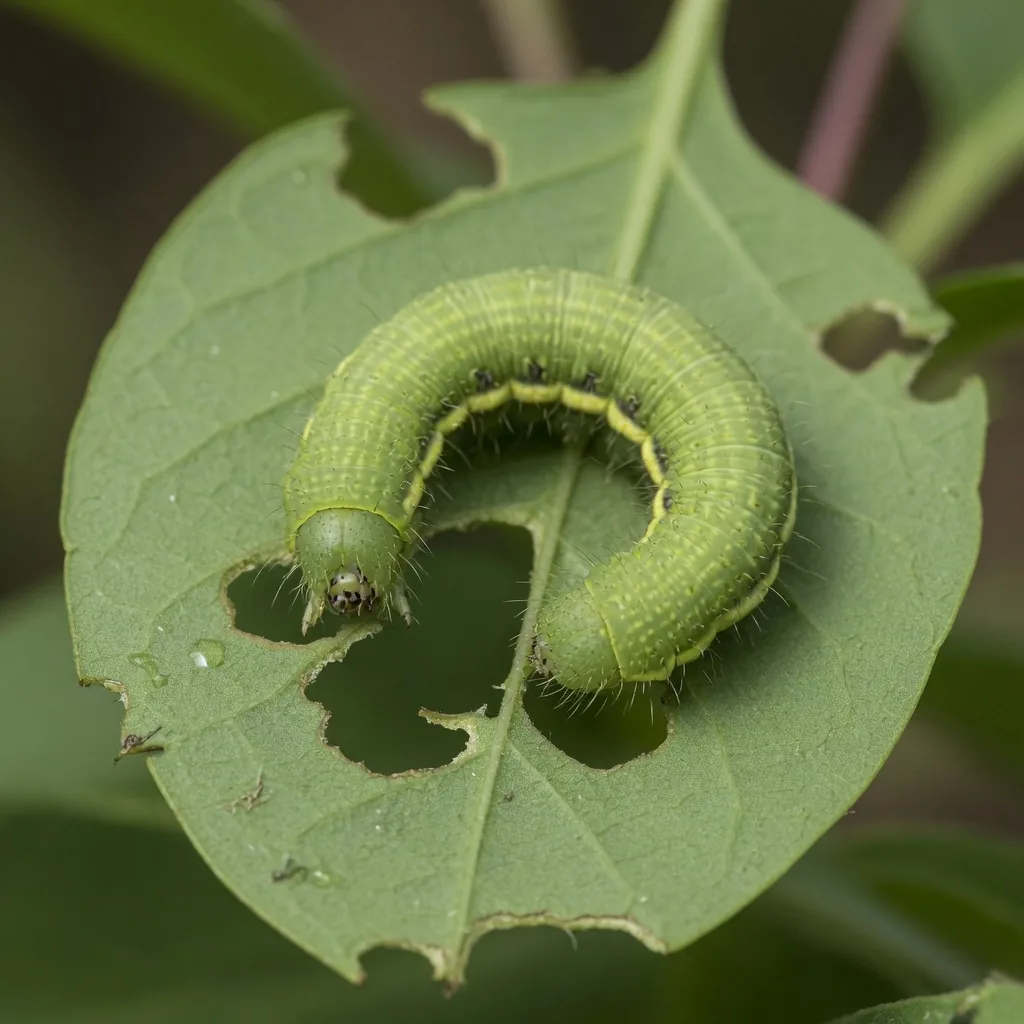
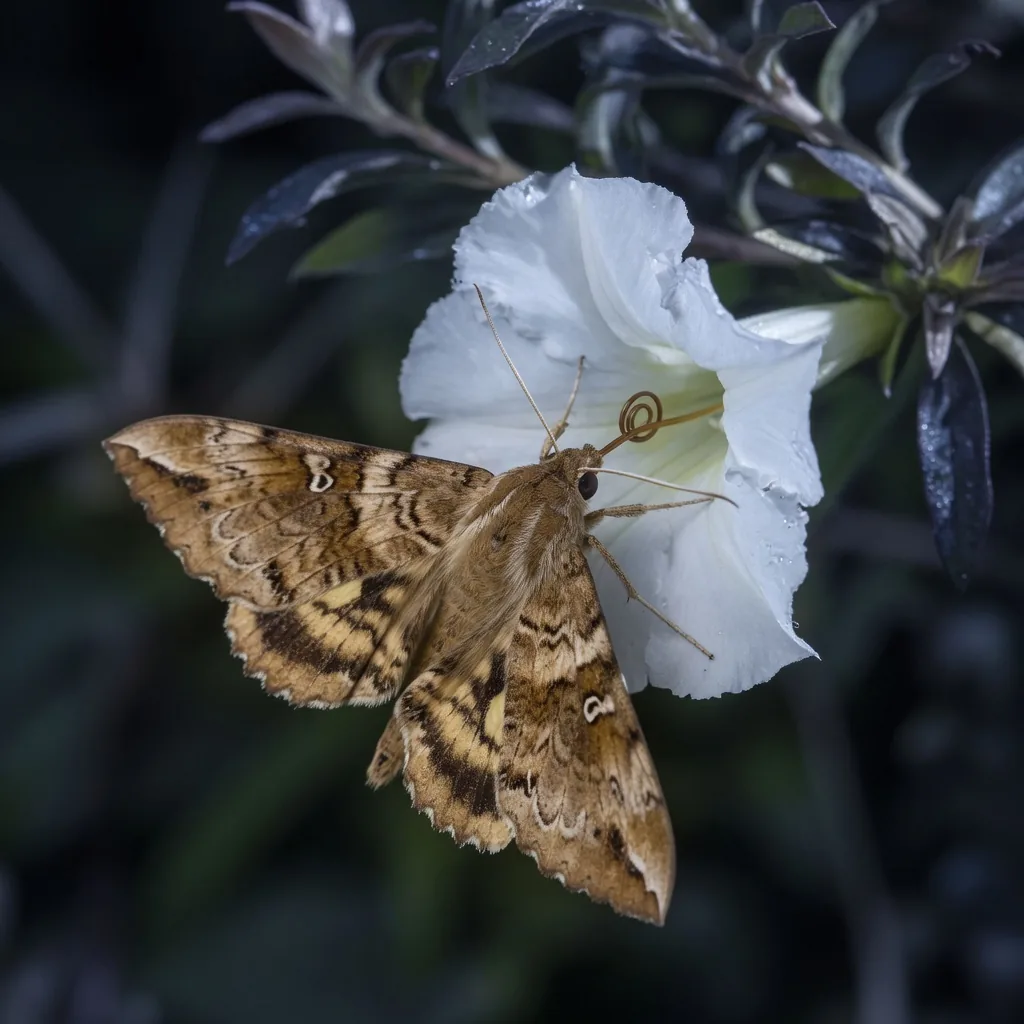
In its larval stage, a moth larva feeds on protein-based materials such as fur, wool, and cotton. An adult moth, on the other hand, feeds on nectar, liquid oozing from fruit, sap, animal wounds, and even animal droppings. Some moth species also sip muddy water to absorb minerals from the soil.
Adult moths feed through a tube-like tongue known as a proboscis. This flexible, hollow organ lets them sip liquids the same way you'd use a drinking straw. The proboscis stays coiled beneath the moth's head when not in use.
Do Moths Eat Clothes?
Moths do not feed on clothes. To be more precise: moths cannot feed on clothes. If they have earned a reputation as cloth-eaters, it is entirely because of their larvae. In their larval stage, moth caterpillars will eat almost anything they come across, including organic fiber like wool, silk, and cotton.
The species most associated with fabric damage is Tineola bisselliella, the common clothes moth. Its larvae chew through natural-fiber fabrics, leaving the tiny irregular holes you might find in a woolen sweater. But by the time the adult moth is fluttering around your wardrobe, it has no interest in your clothes at all.
Frequently Asked Questions
Do adult moths eat clothes?
No, adult moths cannot eat clothes. It is the larva (caterpillar stage) that chews organic fabrics like wool and cotton.
What do adult moths eat?
Adult moths sip liquids through a tube-like tongue called a proboscis: nectar, fruit juice, tree sap, and sometimes muddy water for soil minerals.
How long is the pupal stage in moths?
It varies by species, some pupae mature in just 90 days, while others stay in the pupal stage for up to four years.
It is worth noting that the larval stage of moths is dedicated to eating, while the adult stage is dedicated almost entirely to mating. Many adult moths do not even live long enough to need a full meal, they survive on stored fat from when they were larvae, or take just enough liquid to stay alive while they find a mate.
Explore More Animals
 What Do Crane Flies Eat?Though there are four stages in the life cycle of crane flies, adult or fully grown flies have a very short lifespan during which they seldom feed. AnimalSake g
 Wonderfully Interesting Facts About Luna MothsThe Luna Moth is one of the largest moth species in North America. Discover its lime-green wings, nocturnal habits, short adult life, and the tricks it uses to
 An Awesome Explanation of the Life Cycle of a CaterpillarThe caterpillar life cycle is explained in short in this article, along with some interesting facts about caterpillars.
 What Do Fireflies Eat? The Answer Will Blow You AwayFireflies are insects belonging to the Lampyridae family of beetles. Discover what fireflies eat at every life stage, why they glow, and the surprising hunting
Take the Moth Diet Quiz!
5 quick questions. How much do you know about what moths eat?

 Fun fact for today!Adult moths sip liquids through a tube-like tongue, they can't chew at all!