

A Diet That Depends on Species and Age
The diet of a sea turtle depends on factors like species, habitat, geographical distribution and physical features. Age is also a deciding factor. As hatchlings, sea turtles usually follow a carnivorous diet, fish eggs, seaweed, jellies, pelagic mollusks, crustaceans and hydrozoans. Most species continue to be carnivores into adulthood. However, the hatchlings of a green sea turtle shift from a carnivorous diet to a completely herbivorous one when they reach the juvenile stage. Other adult species, like the loggerhead and hawksbill, prefer a diet linked to their specialized physical features.
Leatherback Sea Turtle
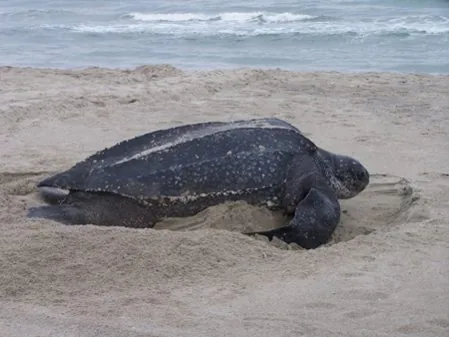
Scientific Name: Dermochelys coriacea
Geographical Range: The population of this species is widely distributed across the waters of Africa, Norway, New Zealand, the Atlantic and the Cape of Good Hope. However, they are most abundant at Rantau Abang beach, Malaysia.
Eating Habits: Leatherback turtles eat jellyfish, tunicates, and other soft-bodied animals. Hard substances can damage their jaws. Leatherback sea turtles have fragile, scissor-shaped jaws. Their mouth cavity and throat have backward-pointing, spoke-like projections that help them swallow slippery prey.
Conservation Status: Critically Endangered
Kemp's Ridley Sea Turtle
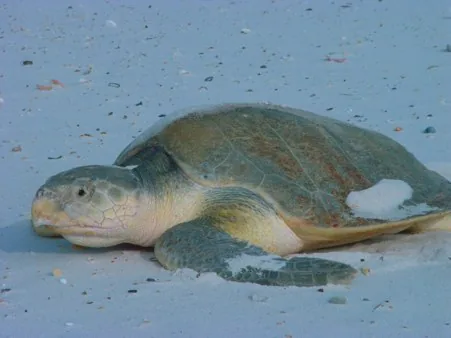
Scientific Name: Lepidochelys kempii
Geographical Range: While prominent residents of the Gulf of Mexico, they are also found in Nova Scotia.
Eating Habits: The jaws of this species, similar to those of loggerheads, are built for grinding and crushing. They feed on crabs, shrimp, mollusks, jellyfish and vegetation. Crabs are their favorite food, these turtles spend much of their time foraging at the muddy bottoms of oceans in search of crabs. When crabs are scarce, they adapt to other food sources like seaweed and sargassum.
Conservation Status: Critically Endangered
Olive Ridley Sea Turtle
Scientific Name: Lepidochelys olivacea
Geographical Range: Prefers the warmer waters of the southern Atlantic, Pacific and Indian Oceans.
Eating Habits: They feed on crabs, shrimp, rock lobsters, tunicates and jellyfish. When these foods are scarce or unavailable they feed on thin, thread-like algae. They have very powerful jaws, which makes them an omnivorous species capable of handling a wide variety of prey.
Conservation Status: Critically Endangered in western Atlantic oceans and threatened in other parts of the world.
Take the Sea Turtle Diet Quiz!
5 quick questions. How well do you know what sea turtles eat?
Green Sea Turtle
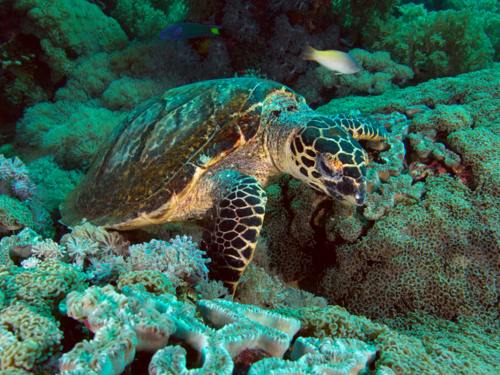
Scientific Name: Chelonia mydas
Geographical Range: Distributed across tropical and temperate waters around the world.
Eating Habits: Green turtles have finely serrated jaws well suited to a vegetarian diet of sea grasses and algae. Since neither food source is enough on its own, a green sea turtle needs to feed on both in large amounts every day. Its head is smaller than those of other species because it does not need to expand its jaws while eating.
Conservation Status: Listed as Endangered in Mexico and along Florida's Pacific ocean beaches.
Loggerhead Sea Turtle
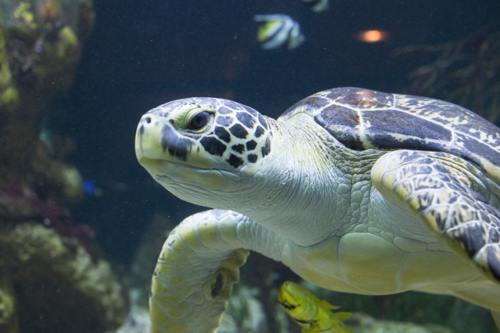
Scientific Name: Caretta caretta
Geographical Range: It dwells in tropical and subtropical ocean waters around the world and in the Mediterranean Sea.
Eating Habits: Loggerhead turtles can comfortably feed on prey animals with hard shell coverings, common examples being crabs, shrimp, mollusks, jellyfish and vegetation. While loggerhead turtles are known for diving deep to the sea floor to find food, they can also feed in shallow coastal waters. The jaws of loggerhead turtles are built for grinding and crushing.
Conservation Status: Listed as Endangered in the U.S.
Frequently Asked Questions
Are sea turtles herbivores or carnivores?
It depends on the species. Green sea turtles are herbivores, leatherbacks eat soft-bodied animals like jellyfish, and species like the Olive Ridley and Kemp's Ridley are omnivores.
What do leatherback sea turtles eat?
Leatherback sea turtles eat jellyfish, tunicates, and other soft-bodied animals. Their fragile scissor-shaped jaws would be damaged by hard food.
What do hawksbill sea turtles eat?
Hawksbill sea turtles eat mainly sponges, shrimp, tunicates and squids. Their narrow heads let them reach food from crevices in coral reefs.
How long have sea turtles existed?
Sea turtles have existed for over 100 million years.
Hawksbill Sea Turtle
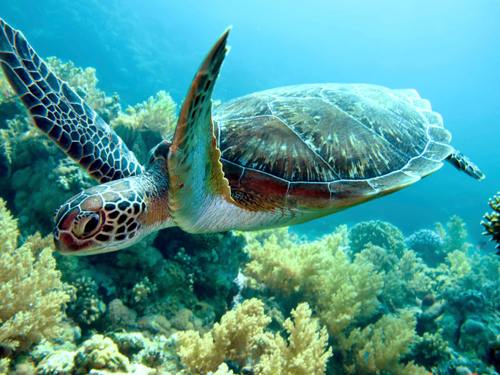
Scientific Name: Eretmochelys imbricata
Geographical Range: Found throughout the Atlantic and Indo-Pacific regions.
Eating Habits: Its diet includes sponges, shrimp, tunicates and squids. A hawksbill is very selective about its food, unless preferred food is unavailable. Its mouth is designed to grab food from crevices in coral reefs. It has an exceptionally narrow head that lets it reach food from these tight spaces. It spends 95% of a day eating.
Conservation Status: Critically Endangered
Flatback Sea Turtle
Scientific Name: Natator depressus
Geographical Range: It inhabits the waters of the northern, northwestern and northeastern coast of Australia, and the Gulf of Papua, New Guinea.
Eating Habits: The feeding habits of flatbacks are yet to be fully determined by the scientific community. So far they have been observed as opportunistic feeders. They eat sea cucumbers, seaweed, cuttlefish, squid, mollusks and soft corals. Their habit of ingesting large amounts of sea grass proves beneficial for creating a healthier ecosystem for other living organisms under water.
Conservation Status: Data Deficient, there is a lack of adequate information about its risk of extinction.
Myths and Symbolism
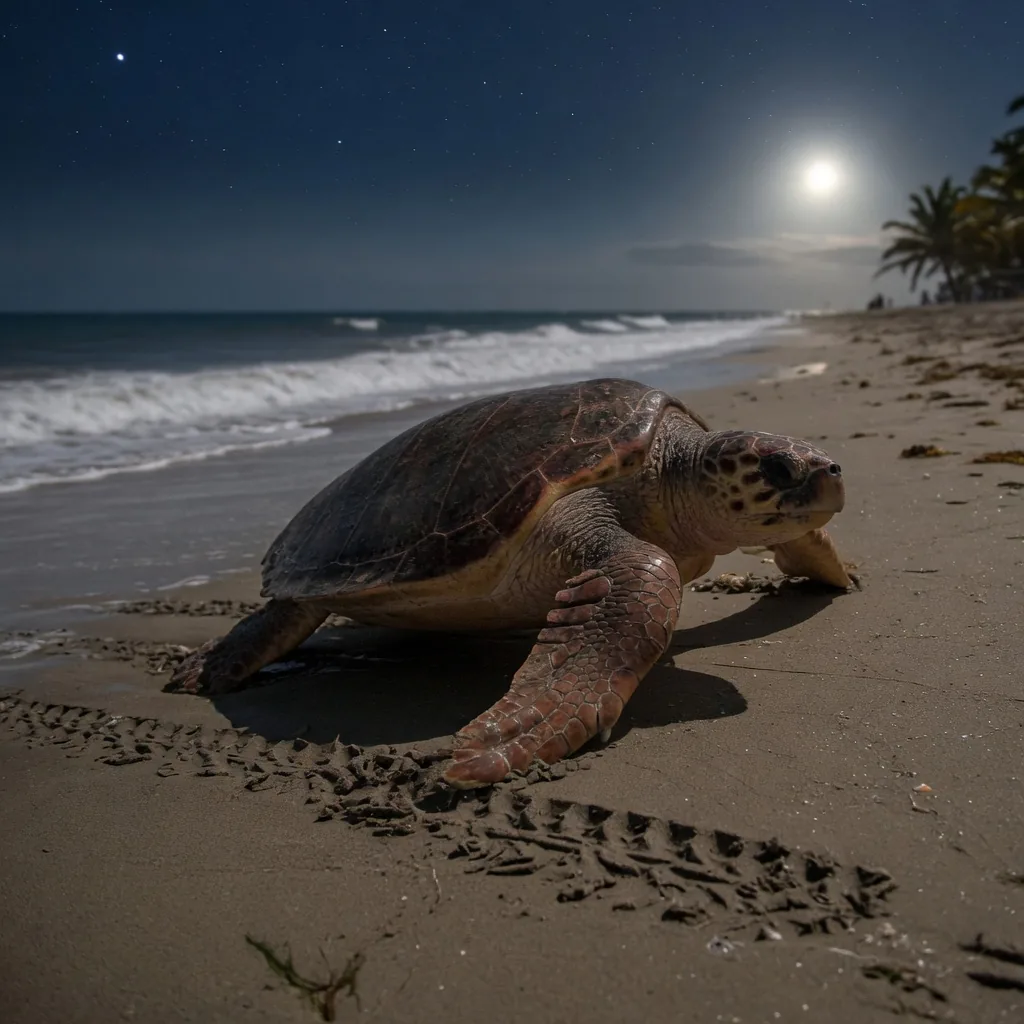
It is believed that a female sea turtle cries on her way back to the sea after leaving her eggs buried in the sand. However, scientific research shows that while there are tears in her eyes, they are simply an outlet for getting rid of the salt water she takes in. These tears also protect her eyes from harmful sand particles.
The Chinese believed that the patterns on a turtle's shell were a charting of the path a soul travels after death. In a similar vein, a native American creation story tells that America emerged out of the mud on the shell of an immense sea turtle.
One of the ten avatars of Vishnu in Hindu mythology, the turtle is said to carry the entire world on its back. Four elephants holding the earth on their backs are in turn standing on the back of a turtle. It is also respected for its wisdom and protective strength.
Some Light on Moonlight
Hatchlings of sea turtles need moon and starlight to find their way to the ocean. For this reason, during the nesting season, beach-side residents are asked to put out their lights. It is the law made by the U.S. government, because man-made light dims the moonlight and causes disorientation in the hatchlings. As a result, hatchlings struggle to reach a safe point in the ocean and many end up wandering on land. They are then either picked up by predatory animals or die of heat in the sun.
Explore More Animals
 Almost Gone! 6 Reasons Why Sea Turtles Are EndangeredSea turtles are beautiful marine reptiles caught worldwide for their flesh and shells. Six of seven species are endangered. Discover the six key reasons why, a
 What Do Crabs Eat? Diet, Body, Food & Amazing Crab FactsWhat do crabs eat, and what makes them so strange? Explore the crab's chewing stomach, body plan, diet, how humans eat crabs, and the weirdest crabs in the ocea
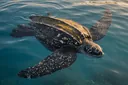 Different Types of Turtles: A Complete List With PicturesFrom giant sea turtles and ancient tortoises to tiny mud and softshell turtles: meet the 14 families and 300+ species of turtle, grouped by type, with photos.
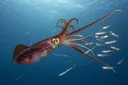 What Do Squid Eat? The Diet of One of the Ocean's Deadliest HuntersSquid are fierce hunters with a parrot-like beak and three hearts. Discover exactly what squid eat (from tiny plankton to whales and sharks) and how they catc
Ancient Animals at Risk
Sea turtles have existed for over 100 million years, yet it is only in the recent past that they have been struggling for survival, partly because humans have added to their woes by fueling global warming and polluting the oceans. Global warming has severely disrupted the natural birth process of sea turtles.
Hatchlings in the developing stage do not have sex hormones, and their gender is determined by the temperature of the sand. Warmer temperatures favor the birth of female hatchlings, while colder temperatures are suitable for males. Because of an exceptional rise in temperature, the birth rate of female turtles is naturally increasing relative to that of male turtles, creating an imbalance in the ecosystem. It is only by changing our ways that we can save one of the oldest existing species.

 Fun fact for today!Sea turtles have existed for over 100 million years, they outlived the dinosaurs!