

Food Habits of Seals
Seals have the physiology to adapt to most kinds of surroundings, which makes them very efficient predators. They can forage for food at great depths, even swimming to the bottom of the ocean at times. They can remain underwater for a very long period, which explains their ability to dive so deep. Seals live most of their lives in water, but give birth on dry land. They are grouped by the kind of ears they have, their ability to survive on land, and the kind of coat they sport.
Around 35 different types of seals are found in places ranging from cold polar regions to warm tropical regions. Most species feed on octopus, squids, shellfish, shrimp, cod, sand eel, herring, sculpin, salmon, flounder, mackerel, whelk, and other crustaceans.
Seals are hunted by predators such as sharks and killer whales. They are also hunted by human beings for their oil, pelt, and meat.
What Do Harp Seals Eat?
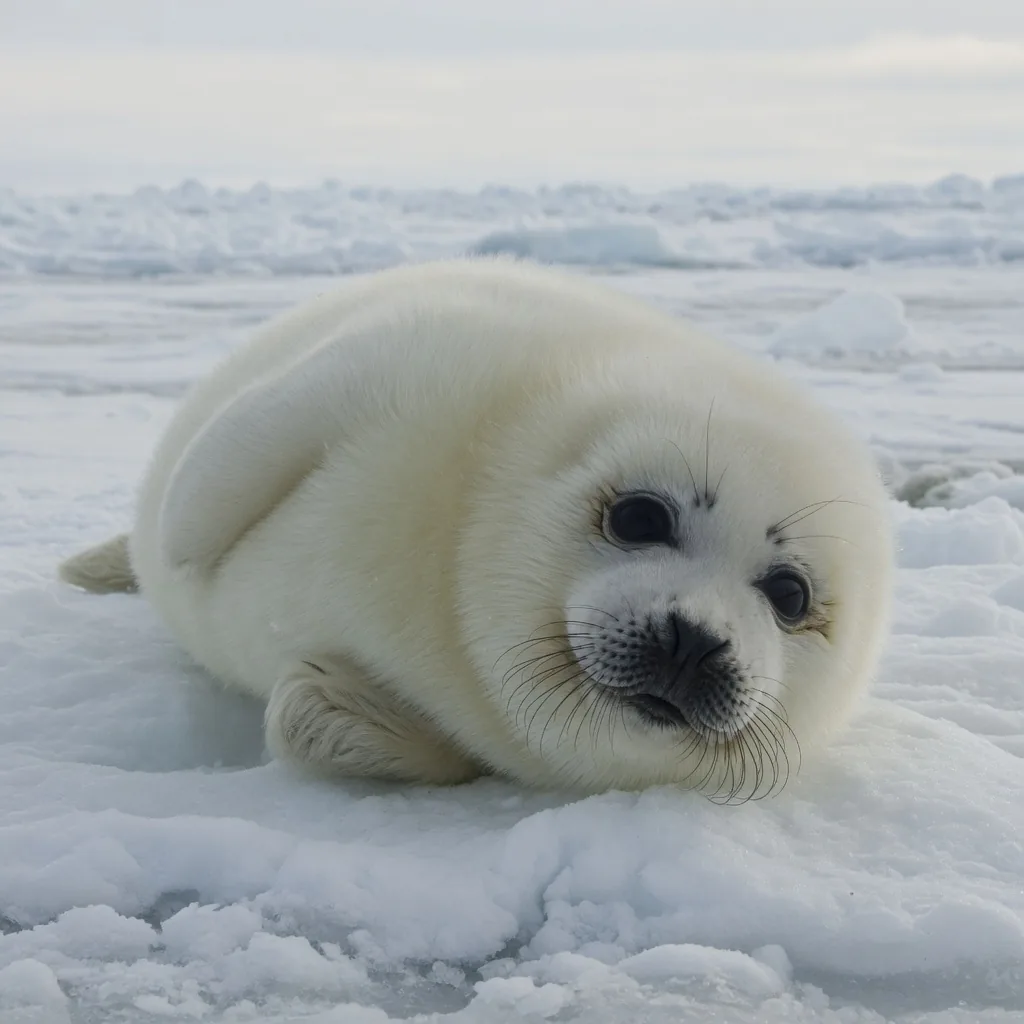
Harp seals are carnivores that feed mostly on fish and crustaceans. They are very opportunistic hunters and mostly consume food in massive quantities. Harp seals usually feed on a variety of fish and other invertebrates. A study has revealed that the harp seals' diet consists of at least 67 species of fish and 70 species of invertebrates.
Harp seals prefer to feed on cod, which has resulted in a steady decline in cod populations in some areas. They have even been blamed for wiping out entire populations of cod from many water bodies. The shells of crustaceans are usually tough to crack, but for a harp seal it's just a matter of a bite, thanks to its strong jaws and flat back teeth. So instead of chewing their food, they crush it and swallow in large chunks.
Take the Seal Diet Quiz!
5 quick questions. How much do you know about what seals eat?
What Do Leopard Seals Eat?
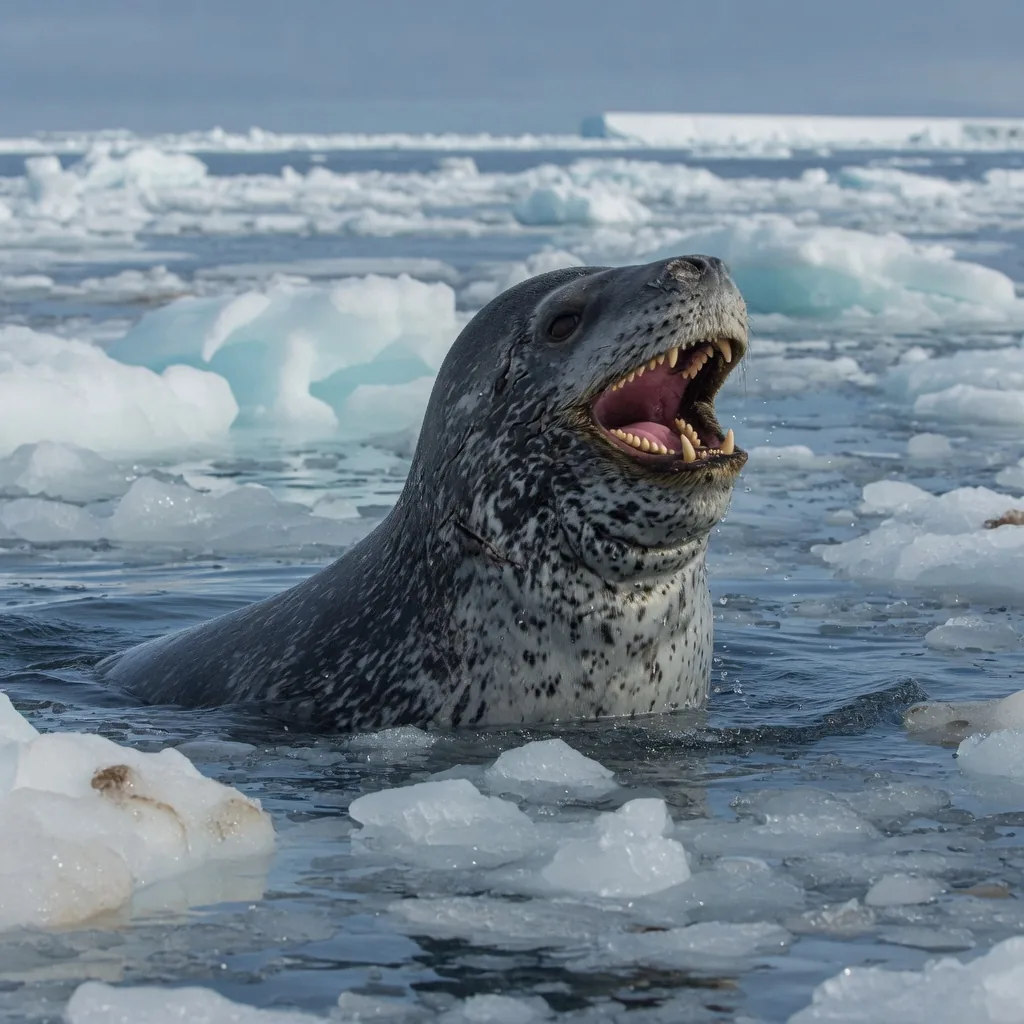
Leopard seals eat an amazingly large variety of food. In winter, their most preferred food is krill. Penguins also form an important part of their diet, especially during the months of January and February. Leopard seals are rather clumsy on land, but in water they are at home, swimming with great speed and maneuverability. They have large and unusually long fore-flippers that allow them to catch fast-moving prey.
Leopard seals have strange food habits, similar to that of a polar bear. They have very strong canine teeth, set in a wide, gaping mouth with massive jaws. This lets them feed on a wide variety of creatures. They feed on krill during the winter. In December and January, they feed on cephalopods and fish as well as the newly weaned crab-eater seals. While small leopard seals feed on squids, larger leopard seals prefer to feed on king and emperor penguins.
Leopard seals are expert hunters. They are considered the most dangerous predators of the polar region. The leopard seal hunts for penguins in frigid waters near the icy shores, hidden almost underwater. It grabs the penguin by the leg and kills it by beating it on the surface of the water. Some leopard seals are preyed upon by killer whales.
Explore More Animals
 What Do Polar Bears Eat? Well, It's Not What You ThoughtNative to the Arctic, polar bears are the world's largest land carnivores. Discover their diet, hunting methods, and what happens to their food in summer when t
 What Do Fish Eat? A Guide to Fish DietsA great diversity is observed in the diet of fish depending on the types and species. Some fish are even herbivorous! Here are the details of the diet of differ
 All About the Food and Habitat of the Great White SharkGreat white sharks are the largest predatory fish of the oceans. Dubbed as killing machines, they derive their name from their typical white underbellies.
 What Do Squid Eat? The Diet of One of the Ocean's Deadliest HuntersSquid are fierce hunters with a parrot-like beak and three hearts. Discover exactly what squid eat (from tiny plankton to whales and sharks) and how they catc
What Do Elephant Seals Eat?
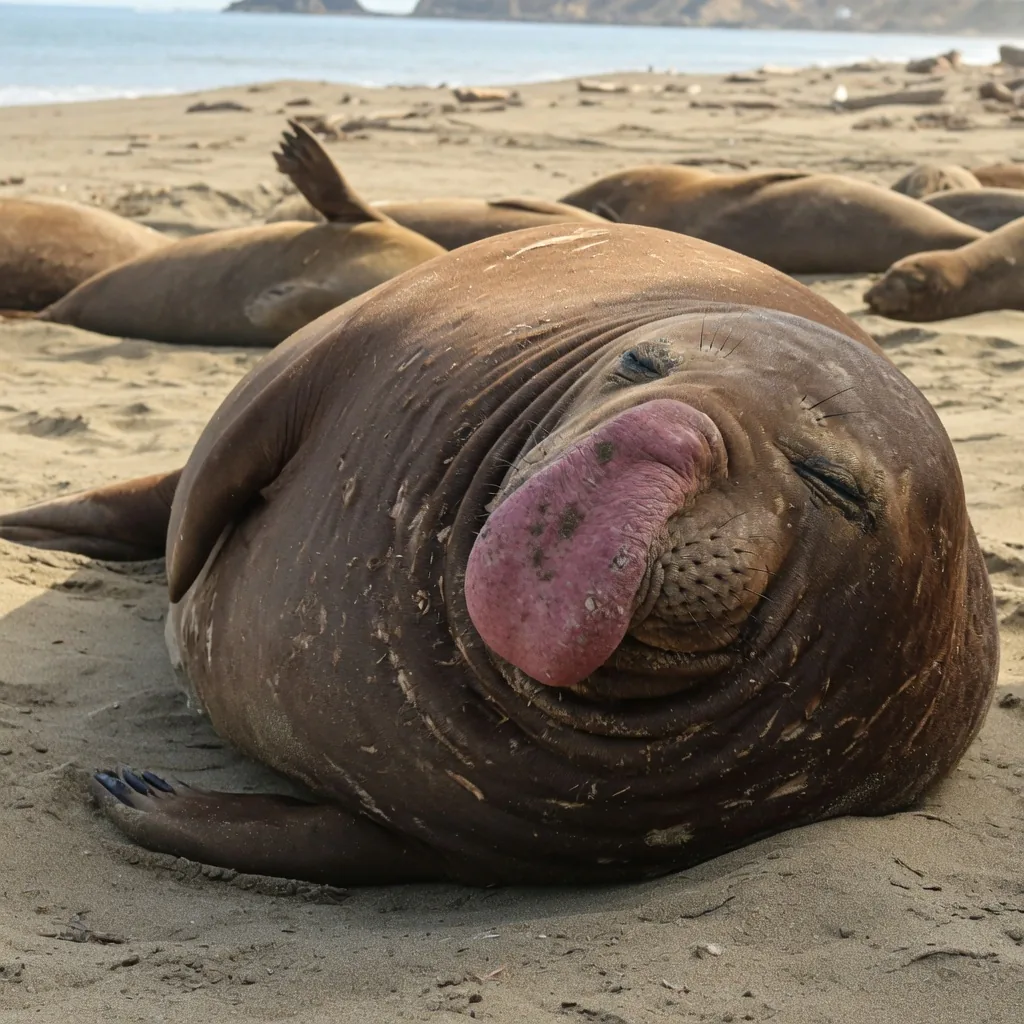
Elephant seals mostly eat squid, skates, rays, octopus, and small sharks. Interestingly, they are known to survive extended periods without food, sometimes even up to three months. The females go through a starving period while giving birth, right through to the end of the nursing period. Elephant seals are very good divers and can stay underwater for a long time. They can dive for as long as 20 minutes and to a depth of 1,000 to 2,000 feet while hunting for food.
Why Seals Matter to the Ocean
As predators, seals feed on sea fish, animals, and birds, playing a crucial role in the marine food chain. More recently, however, these mammals are falling prey to human greed, which has put the whole food chain in jeopardy. If we are to maintain a balance in the seal population, it is important that we control hunting them for our own selfish needs.

 Fun fact for today!A harp seal's diet includes at least 67 species of fish and 70 species of invertebrates!