

Shrimp: The Ocean's Tiny Giants
Shrimp are red in color and natural swimmers. They possess as many as ten legs! Shrimp are crustaceans classified into the infra-order Caridea, arthropods with a highly segmented body. They form large schools and swim rapidly in unison.
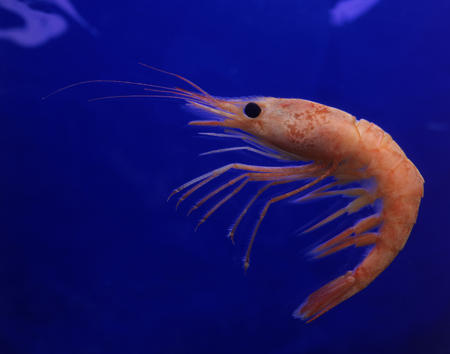
What Do Shrimp Eat During Their Life Cycle?
The life of a shrimp starts as one of the 50,000 to 1 million eggs laid by a shrimp mother. The eggs hatch in about 24 hours, giving birth to baby shrimp called nauplii. At this stage they survive on yolk reserves that they inherit from the egg stage.
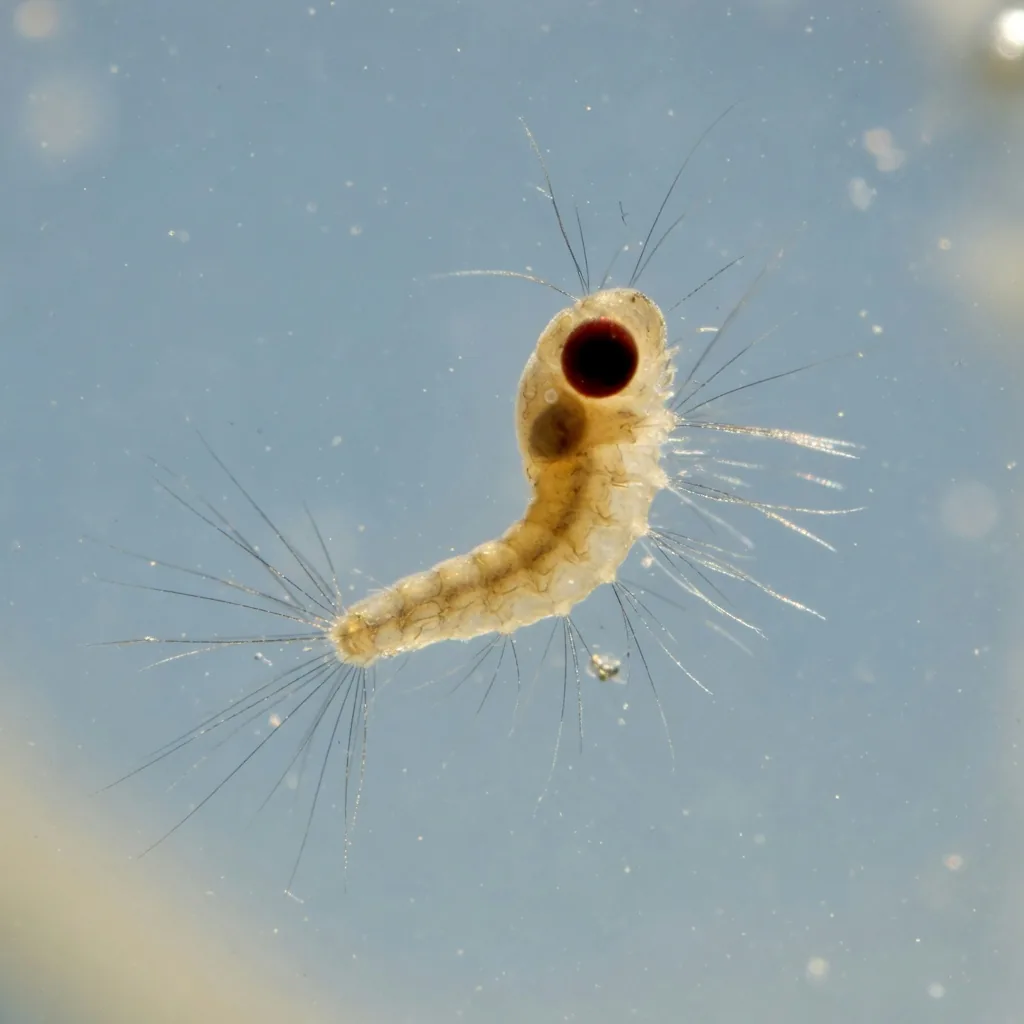
After using up their yolk reserves, nauplii undergo the first metamorphosis into the second stage of their life cycle: zoeae. This is the true larval stage. Shrimp as zoeae largely feed on water algae.
Next, this larval stage transforms into the third stage of growth, called myses. At this point the baby shrimp start looking like miniature versions of their future adult selves. What do shrimp eat in the myses stage? They feed on algae again, and on zooplankton. In a total of about twelve days they mature into young shrimp, which continue feeding on zooplankton mostly, living at the bottom of the sea floor.
Test Your Shrimp Knowledge!
5 quick questions about shrimp, their diet, life cycle, and how they differ from prawns.
Difference Between Shrimp and Prawns
Shrimp should not be confused with prawns, even though they look quite similar. Although they are close cousins on the evolutionary tree, they differ in gill structure and the structure of the second abdominal segment, the clearest way to tell the two apart.
Frequently Asked Questions
What do baby shrimp eat?
Newborn shrimp (nauplii) survive on yolk reserves from the egg. Later larvae (zoeae) eat water algae, and the myses stage feeds on algae and zooplankton.
How are shrimp different from prawns?
Shrimp and prawns differ in gill structure and the structure of the second abdominal segment, even though they look very similar.
What order do shrimp belong to?
Shrimp are crustaceans classified in the infra-order Caridea, arthropods with a highly segmented body and up to ten legs.
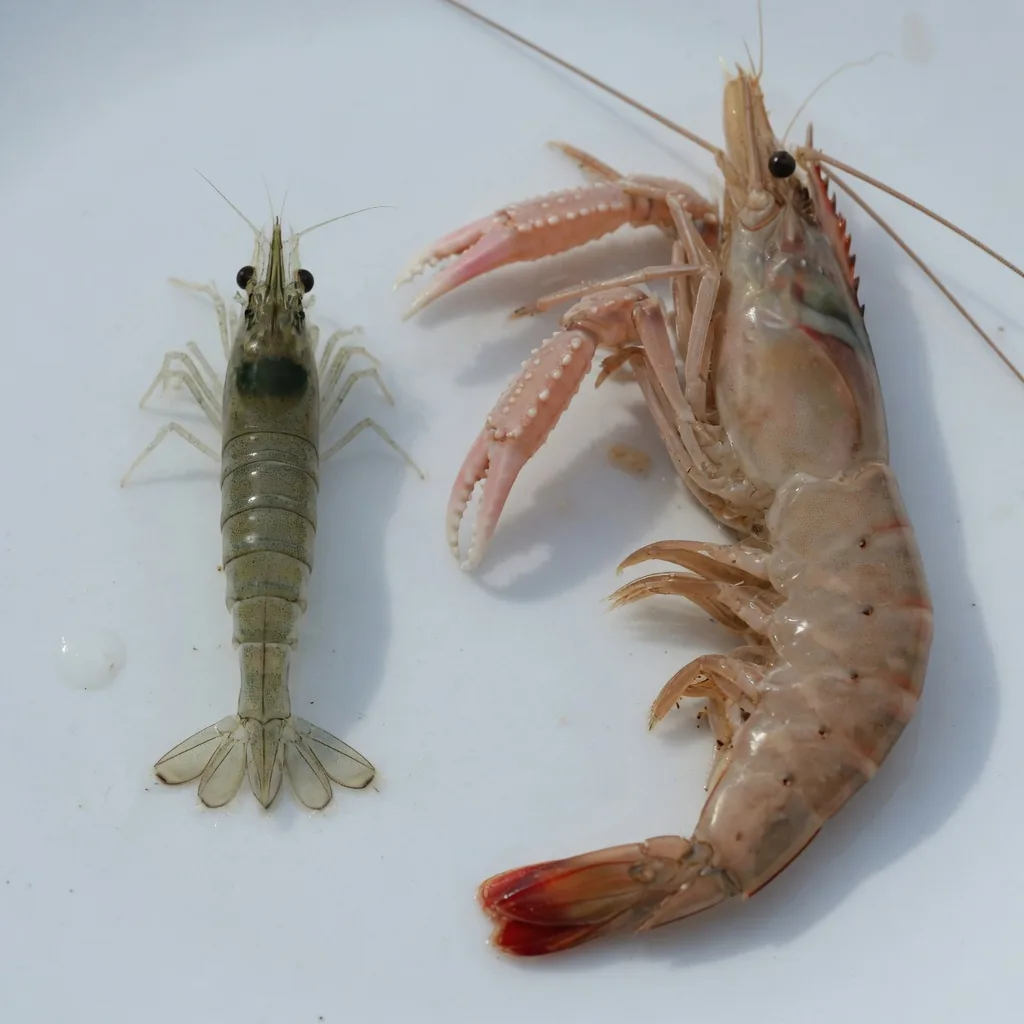
In common use, many people call anything small a "shrimp" and anything large a "prawn", but this is a geographic habit, not biology. The real difference lies inside their bodies. In crustaceans like these, the abdominal segment structure is a key identification feature.
Explore More Animals
 Characteristics of CrustaceansApart from being a delicious treat to our taste buds, crustaceans are also a very unique creation of nature! Take a look at the characteristics of crustaceans d
 What Do Jellyfish Eat? Diet, Hunting & PreyJellyfish are mysterious carnivores with no brain, so how do they hunt and eat? Discover what jellyfish eat, how they catch prey, and what to feed a pet jellyf
 What Do Tadpoles Eat?A tadpole is the aquatic larval stage of a frog or toad. Discover what tadpoles eat in the wild as they develop, and how to feed them in captivity.
 What Do Crabs Eat? Diet, Body, Food & Amazing Crab FactsWhat do crabs eat, and what makes them so strange? Explore the crab's chewing stomach, body plan, diet, how humans eat crabs, and the weirdest crabs in the ocea
Shrimp as Food
Shrimp are rich in calcium, iodine, and proteins as food sources. They are considered good for the blood circulatory system because they have a low content of saturated fats and calories. There are many species of shrimp found all over the world, and millions of tons of shrimp are caught each year around the world.

 Fun fact for today!Shrimp have ten legs, they're crustaceans, not fish!