

There are 300 species of squid in the oceans around the world. Like the cuttlefish, a squid has four pairs of arms and a pair of tentacles. Squid belongs to the class marine cephalopods, and the order Teuthida. They are saltwater species and are not found in fresh water. Most squid live in the deepest regions of the ocean. They are carnivores with a large appetite. Even a young squid can eat a large amount of food. What a squid eats depends on the size and the species in question; however, most squid eat crustaceans like shrimp and some species of fish. Bigger squid also prey on large creatures like the whale and shark.
Built for the Hunt: Squid Anatomy
A little about their anatomy will help you understand their diet. Squid do not have vertebrae, and have soft bodies. They have a big head and two huge eyes. A squid has three hearts and a narrow digestive system that passes through its brain.
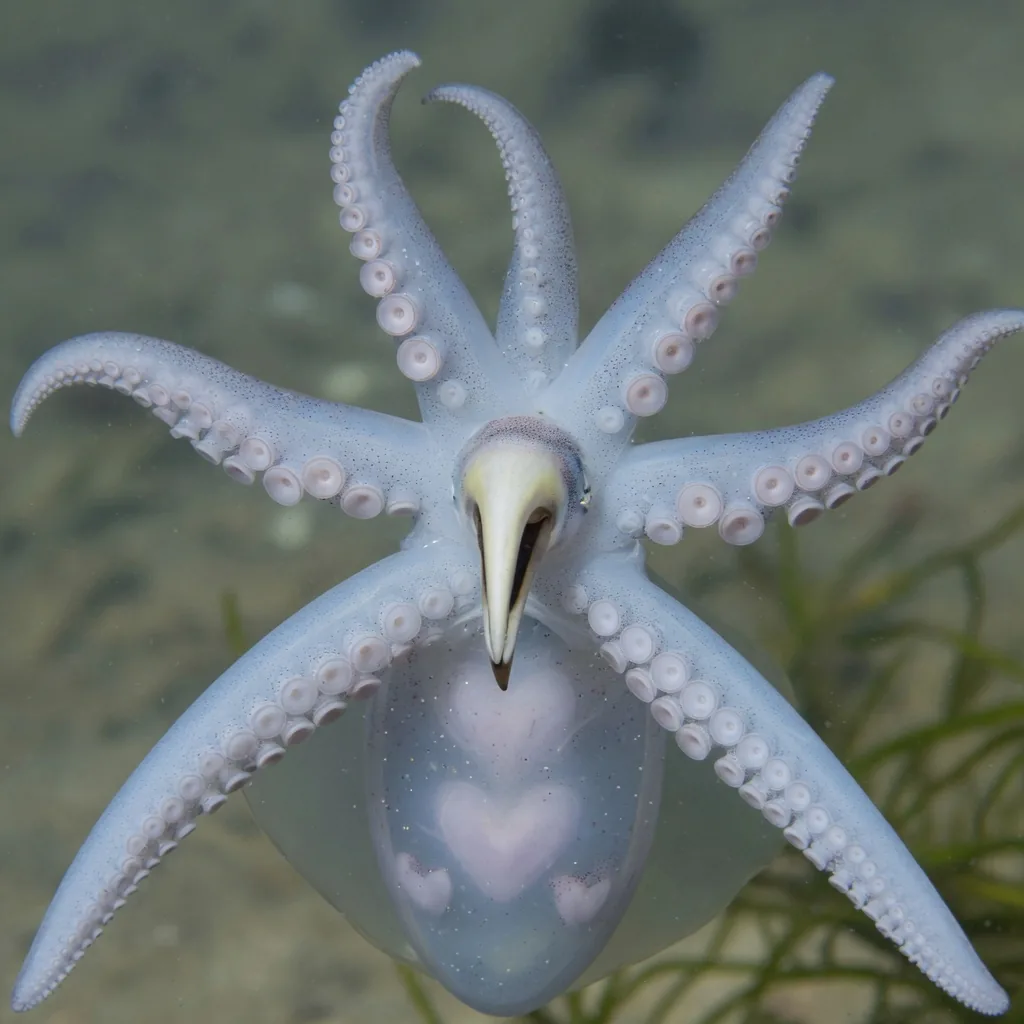
A squid has eight arms with round disc-like structures called suckers, and two tentacles that have sharp hook-like structures in a ring formation. These help the squid snap at its prey for grip. The squid has a sharp, parrot-like beak near its mouth. With this, it shreds the prey before eating it. It also has a tongue-like structure with file-like teeth. They work as grinders, which reduce the food to tiny bits before it is swallowed. Since the esophagus of the squid runs through its brain, food has to be finely chewed before it enters the system.
What Do Squid Eat?
Many studies and a lot of research have been done to understand what squid eat. As discussed above, they are highly carnivorous and deadly hunters. They hunt on their own.
The diet varies from one species to another. The time of the year, the geographical location, and the growth stage of the squid all shape what they eat. Once a squid is born, it starts eating small plants and plankton. As it grows, it thrives by eating shrimp, fish, and other small marine animals. Small squid often hunt in groups.
Squid mainly eat crustaceans, crab, shrimp, orange roughy, hokie, oysters, lantern fish, and other small fish. They are known to be cannibals, they sometimes prey on other smaller squid for food, although only in extreme situations.
Test Your Squid Knowledge!
5 quick questions about one of the ocean's most amazing hunters.
How a Squid's Diet Changes as It Grows
As a squid matures into an adult, its appetite grows too, and it starts hunting bigger prey. Squid of medium size most often feast on crustaceans, red fish, sand lance, young cod mackerel, herring, and sculpin. Adult squid like to feed on fish like cod and hake.
Different species of squid eat different food. Considering that there are almost 300 species around, there is quite a variation in their food preferences. Squid are quiet and swift hunters. Their fast movements and tentacles help them grasp their prey in no time. The first target of a squid, however, is fish schools.
Frequently Asked Questions
What do squid eat?
Squid are carnivores. They eat crustaceans, shrimp, crab, small fish, and (as adults) larger prey like cod, hake, and herring. Giant squid can attack sharks and whales.
How many species of squid are there?
There are around 300 species of squid in the world's oceans.
How do squid catch their prey?
Squid use two long tentacles equipped with hook-like sucker rings to grab prey, then shred it with a sharp parrot-like beak.
Giant Squid: The Top Predator
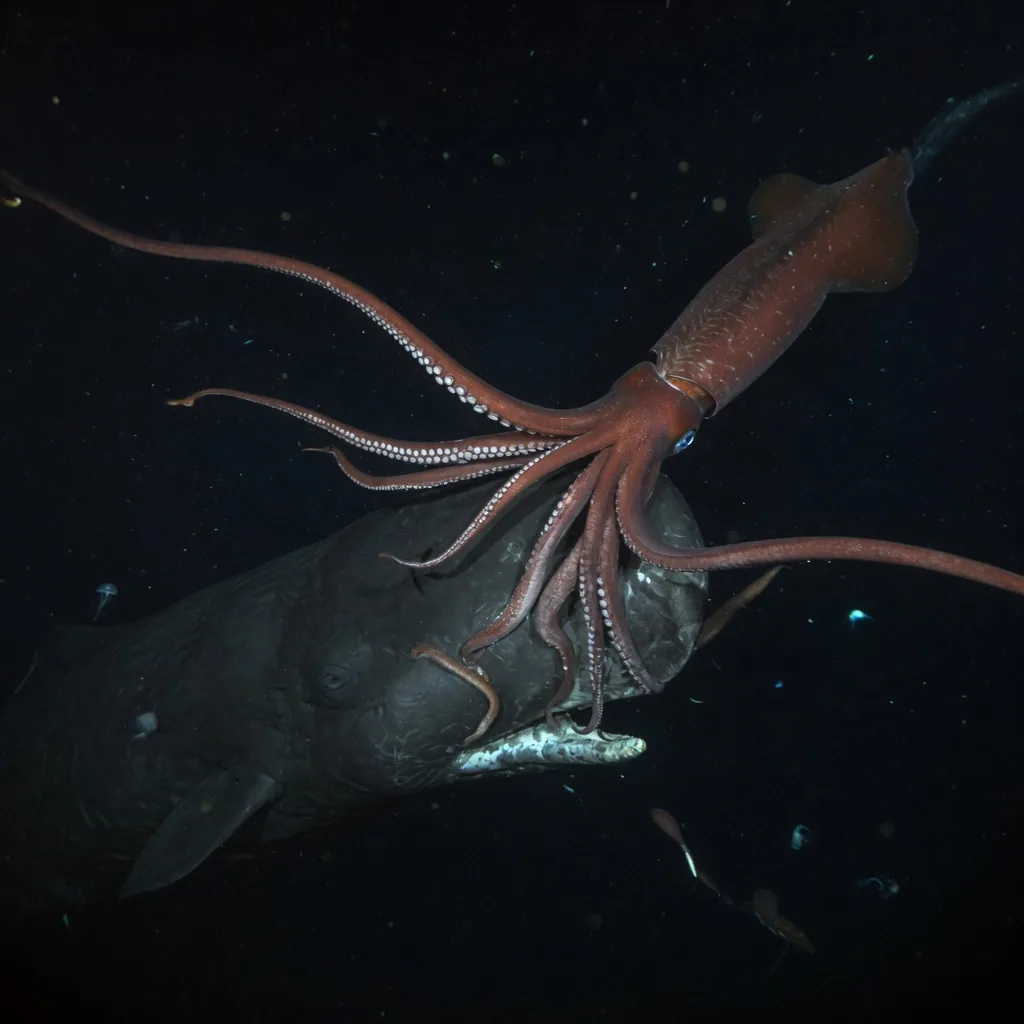
Adult giant squid hunt alone and eat almost anything that comes their way. Whales, deep sea fish, young sharks, and other large sea creatures are often preyed upon by giant squid. Certain species of giant squid are so aggressive that they are known to even attack sharks for food.
The enormous size of the giant squid makes it the most aggressive hunter around. Due to this, it can eat whatever it wants. Giant squid also mistake ships to be large prey. Due to this, many incidents of giant squid attacking ships have been reported.
The prey is clasped tightly and torn into bits with the beak-like mouth of the squid, after which it is consumed. Even the smaller species are excellent hunters. The tentacles with rings and hook-like structures enable a firm grip and suction.
Surviving and Adapting
Do you know that squid do not have external shells! The size of the different varieties of squid varies. It ranges from less than an inch to over sixty feet. When a squid is disturbed or preyed upon, it has the ability to change colors. They also change color to catch their prey for food. We can conclude that squid can eat anything when they are really hungry. These mysterious creatures of the marine life adapt themselves well to consume the available food for survival. Squid grow at a fast pace, especially when they get enough food. But in times of scarcity of food, they may weaken and eventually die.
Explore More Animals
 Squid vs. Octopus: What's the Difference?Squid or octopus? Both are clever cephalopods with three hearts and blue blood, but their bodies, homes, and habits are different. Here's a clear side-by-side
 Types of SquidsThe deep, blue, murky depths of the world's oceans are home to many different, fascinating and downright weird animal species. Amongst the weird genre are squid
 What Do Fish Eat? A Guide to Fish DietsA great diversity is observed in the diet of fish depending on the types and species. Some fish are even herbivorous! Here are the details of the diet of differ
 What Do Mollusks Eat? A Guide to Gastropods, Bivalves & CephalopodsWhat do mollusks eat? Depending on the species and habitat, they can be plant-eaters, meat-eaters, or omnivores. Explore the diet of cephalopods, bivalves, and

 Fun fact for today!Some squid have the largest eyes in the animal kingdom, a giant squid's eye can be the size of a human head!