

A Surprisingly Diverse Family
Squirrels are small to medium-sized rodents belonging to the family Sciuridae of the animal kingdom. There are about 200 species of squirrels in the world, ranging from the tiny African pygmy squirrel, which seldom grows beyond 5 inches, to the Indian giant squirrel, which can grow up to a length of 3 feet.
Species commonly found in the United States include gray squirrels, fox squirrels, red squirrels, and more. Squirrels form one of the most diverse groups of animals on the planet, which explains the variety you see in their feeding habits.
Squirrels, What Do They Eat?
Flying Squirrel
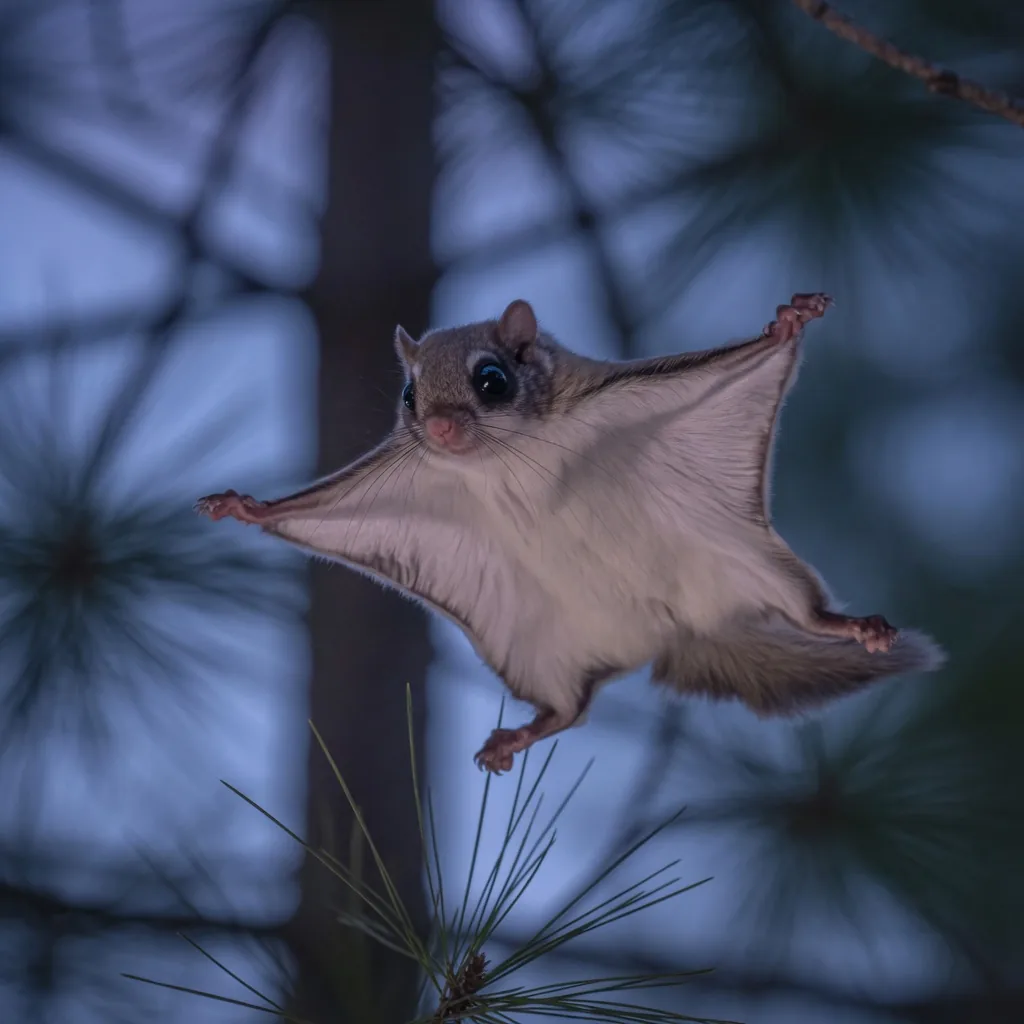
Although most squirrel species are herbivorous in nature, there are some species that feed on insects. One such exception is the flying squirrel, which feeds on insects as well as small birds. It has an extraordinary ability to glide in the air, which helps it reach the nests of birds and feed on their eggs.
Squirrel Diet in the Wild
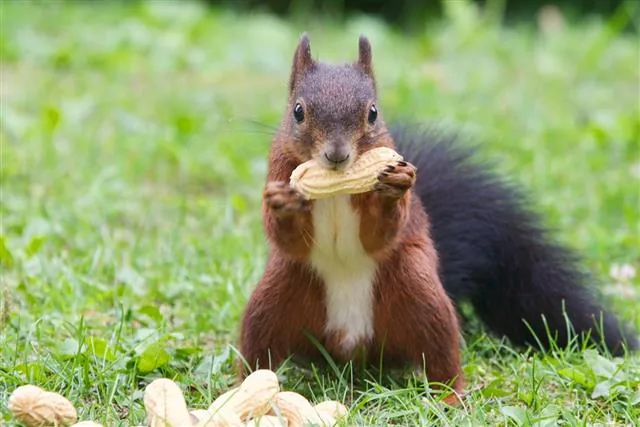
The feeding habits of squirrels differ according to the species and habitat. Squirrels in natural surroundings feed on seeds, nuts, corn, fruits, leaves, roots, and mushrooms. Some species in the wild also eat insects, small animals and birds, fungi, and birds' eggs. Those found in gardens often feed on almonds, oranges, apples, and tomatoes.
Take the Squirrel Diet Quiz!
5 quick questions. How well do you really know what squirrels eat?
Squirrel Diet in Captivity
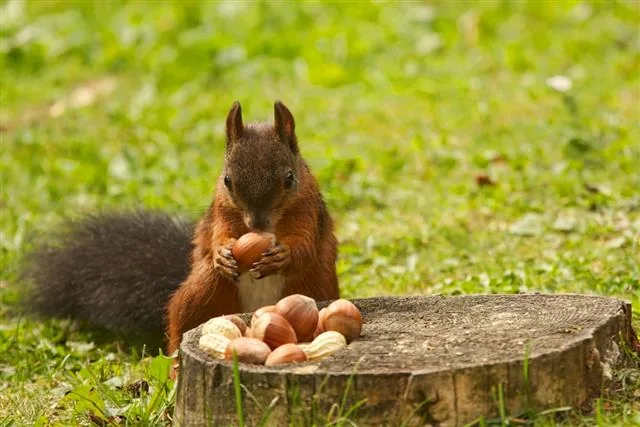
In captivity, a squirrel's diet is mostly restricted to corn, nuts, and seeds. At times, you may also notice garden squirrels feeding on dog food or leftover food in the house.
A Voracious Eater
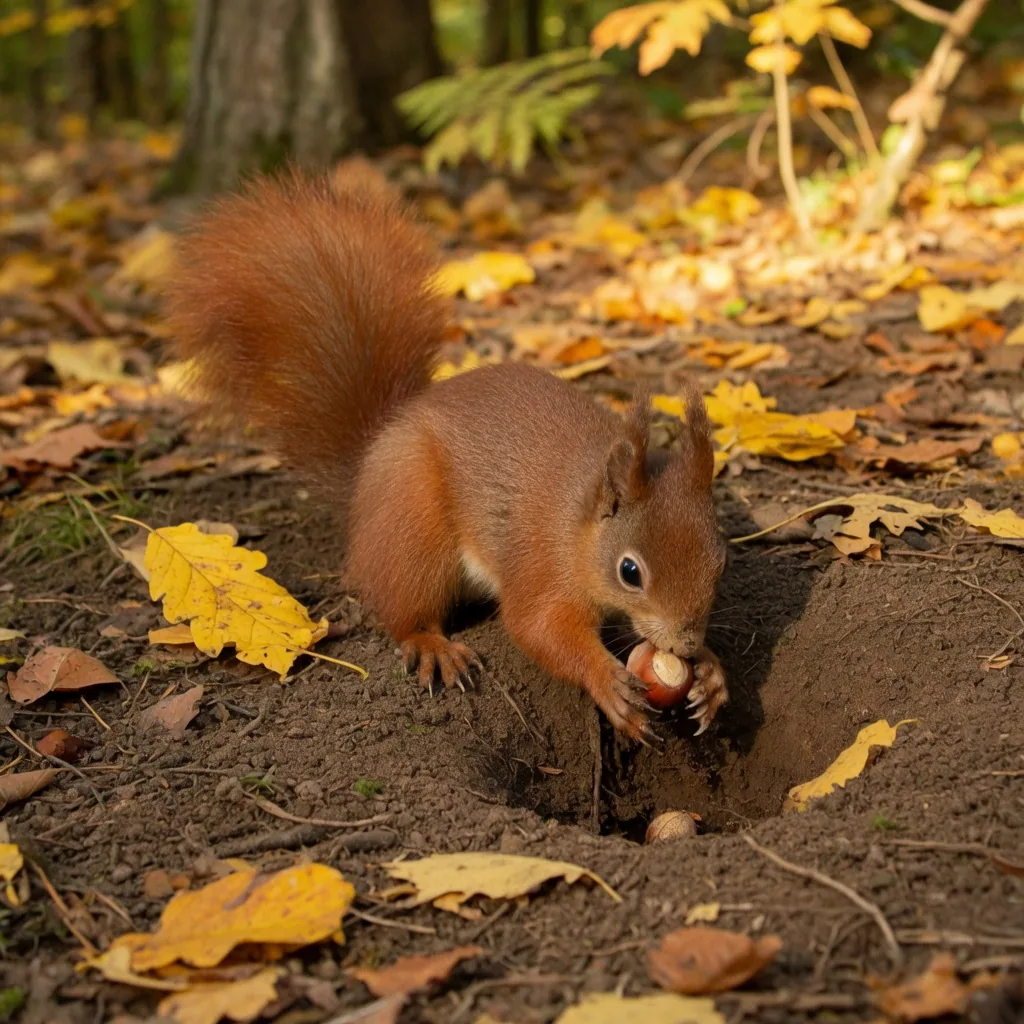
Squirrels are not at all choosy about what they eat. They will feast on anything that comes their way. They also have the habit of storing food, especially during the winter season.
They either store it in the hollow barks of trees, or dig the ground and bury it. The latter is one of the main reasons why squirrels are disliked by gardening enthusiasts all over.
Explore More Animals
 Facts About SquirrelsSquirrels are small tree animals, with a very cute bushy tail and sharp teeth. They are fast, really intelligent, and always alert! It is fun to watch them and
 Facts About Gray Squirrels: The State Mammal of North CarolinaDiscover everything about the gray squirrel (Sciurus carolinensis), its drey nest, scatter-hoarding food tricks, ever-growing teeth, and life in the trees.
 Sleeping and Nesting Habits of SquirrelsSquirrels sleep up to 14.9 hours a day! Discover how flying, tree, and ground squirrels build their nests, where they sleep, and how baby squirrels grow up.
 What Do Groundhogs Eat? Not What You ThoughtGroundhogs eat one-third of their body weight every day! Find out what plants, vegetables, and flowers they love, and why they eat so much in summer.
Teeth Built for Gnawing
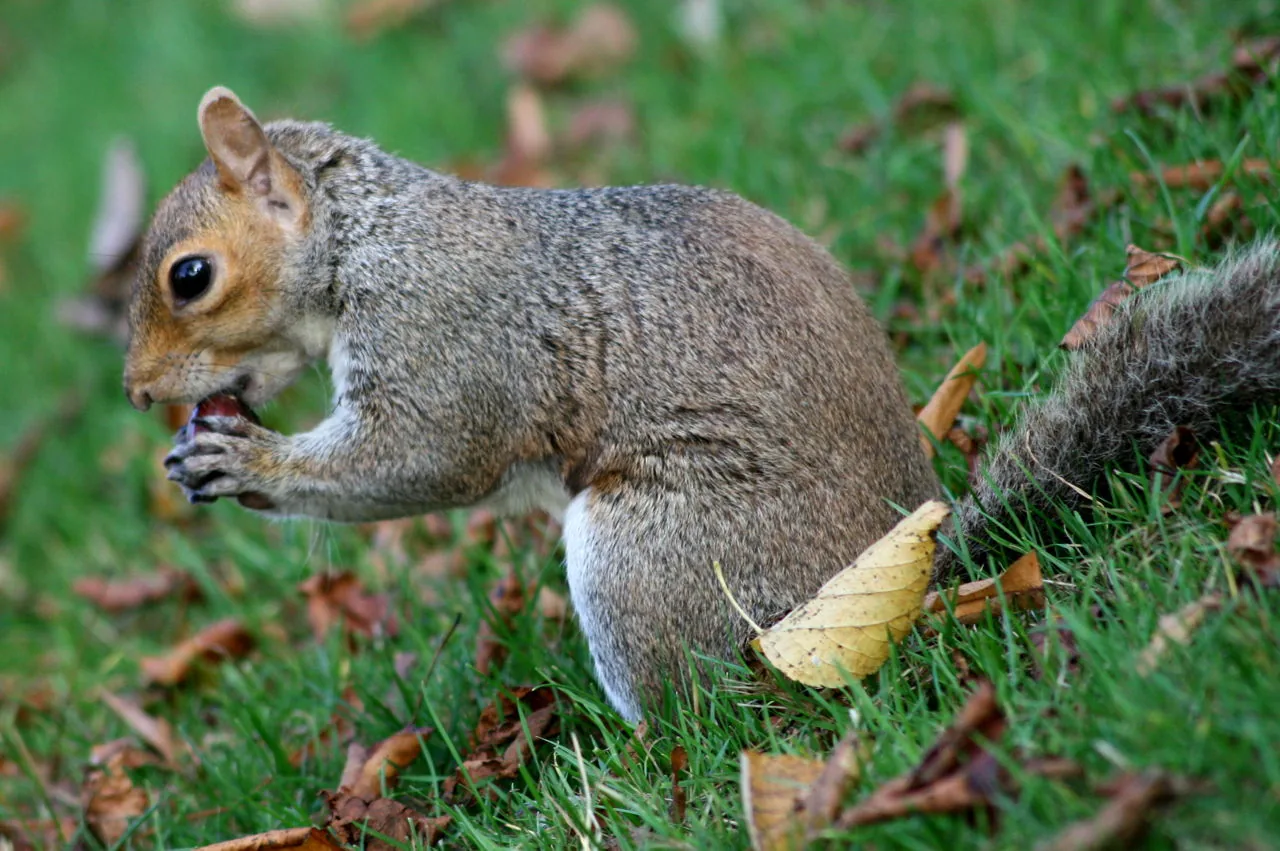
At times, you see squirrels gnawing at electric wires or other hard surfaces. This is how they sharpen and shorten their teeth. Their teeth grow very fast, and gnawing on hard surfaces helps keep them short.
In baby squirrels, teeth start appearing by the 4th week of birth. As soon as their teeth develop, they start foraging and feed on a range of food, including seeds and nuts.
While some people consider squirrels cute, others consider them pests. Their habit of feeding on everything that comes their way has made them notorious. Keeping squirrels in a cage is not a good idea, since they need a free environment and a lot of exercise to stay healthy. A better idea is to have them as pets in your garden, where you can feed them and play with them occasionally.

 Fun fact for today!There are about 200 species of squirrels in the world, from tiny pygmies to giants 3 feet long!