

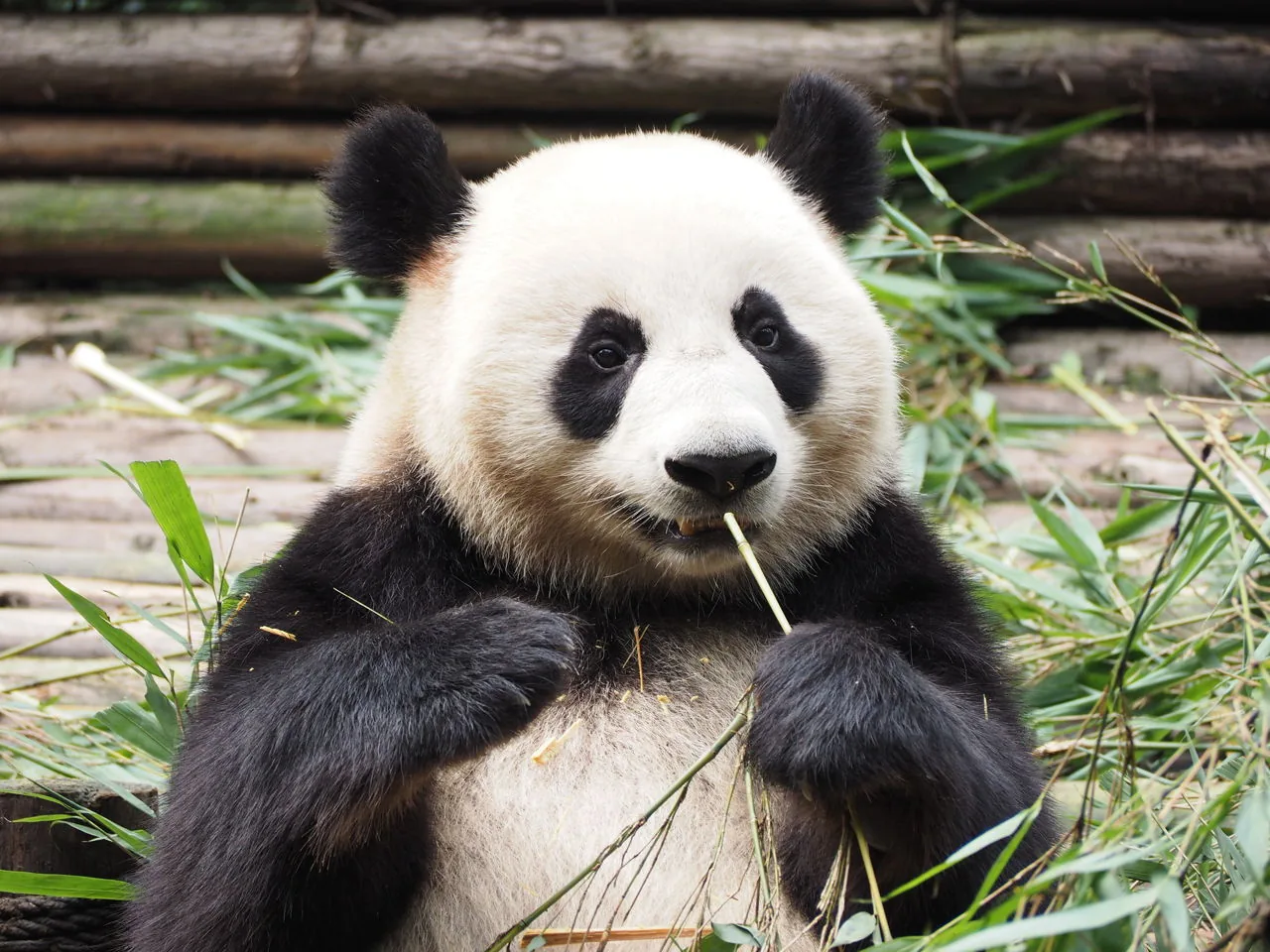
The panda (also called the giant panda or panda bear) is a bear species native to China. With an estimated population of fewer than 1,864 in the wild and around 500 in captivity, the panda is listed as an endangered species by the International Union for Conservation of Nature (IUCN). The species now faces a serious new threat: human encroachment on its already tiny native habitat. This habitat fragmentation is making things harder for pandas to survive and reproduce.
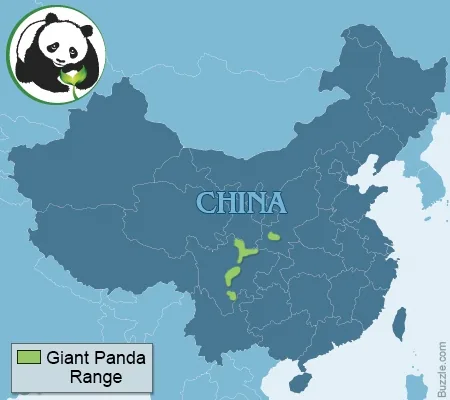
Giant Panda Geographical Range
The giant panda is native to China. Its range spans the central-western and southwestern parts of the country. In the past, its range was much larger, it once covered all of eastern and southern China, as well as Vietnam and Burma. But human encroachment has reduced that range to just a few small pockets today.
Habitat fragmentation (when natural land is broken up by roads, farms, or buildings) isolates species from each other. This makes it hard to find mates, which slowly shrinks the population. The giant panda is one of many species that face exactly this problem.
Population Distribution by Subspecies
The panda population is divided into two subspecies based on where they live. The Qinling panda (Ailuropoda melanoleuca qinlingensis) lives only in the Qinling mountain range in China's Shaanxi province. The Sichuan panda (Ailuropoda melanoleuca melanoleuca) is found in small patches across the provinces of Sichuan, Gansu, and Shaanxi.
Bamboo-Rich Regions
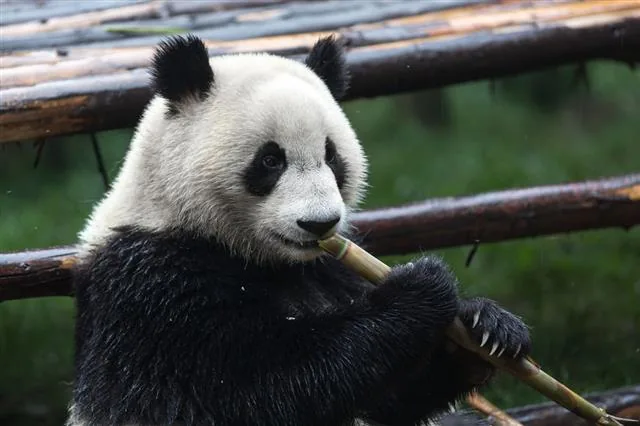
Giant pandas live in broadleaf coniferous forests with dense bamboo growth on the upper mountain slopes. These regions are known for heavy rain and thick cloud cover for most of the year. The conditions can seem harsh, but pandas have adapted well to life here.
Human Interference and Rising Elevations
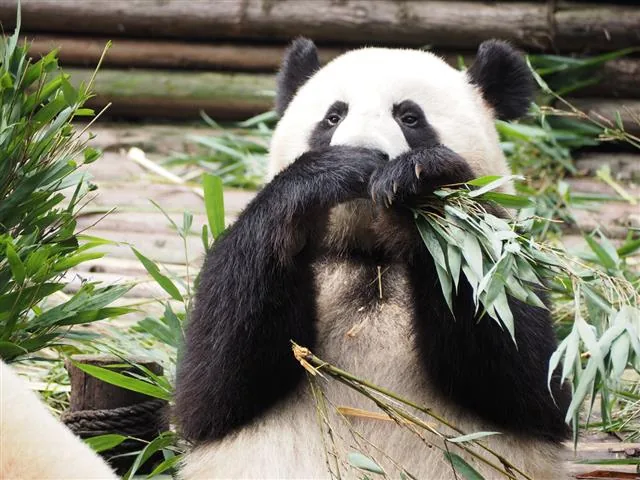
Pandas are mainly found at elevations of around 1,500-3,000 meters (4,300-9,800 feet). They can also turn up at much higher altitudes. According to environmentalists, it is human encroachment that has started pushing the panda population even higher, beyond its natural habitat range.
Test Your Panda Knowledge!
5 quick questions about where giant pandas live and how they survive.
Giant Panda Diet
Giant pandas are classified as carnivores, but 99 percent of their diet is bamboo. Besides bamboo shoots, pandas have also been known to eat fruits, vegetables, rodents, pikas, and even the young of a musk deer on occasion.
Behavior and Size
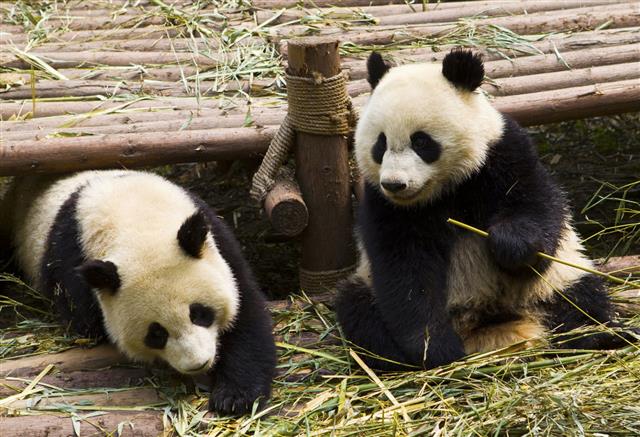
At 1.5 meters long and around 330 lb, giant pandas are quite big. You might expect such large animals to be slow and sedentary, but that's not the case. They're excellent tree climbers. Once you understand how giant pandas behave, their choice of habitat (the dense coniferous forests of central-western and southwestern China) makes perfect sense.
Frequently Asked Questions
Where do giant pandas live?
Giant pandas live in the central-western and southwestern mountain forests of China, mainly at elevations of 1500-3000 meters.
What type of habitat do giant pandas prefer?
They prefer broadleaf coniferous forests with dense bamboo growth on upper mountain slopes, which receive heavy rain and thick cloud cover.
How many giant pandas are left in the wild?
Fewer than 1,864 giant pandas remain in the wild, with around 500 in captivity.
Conservation Status
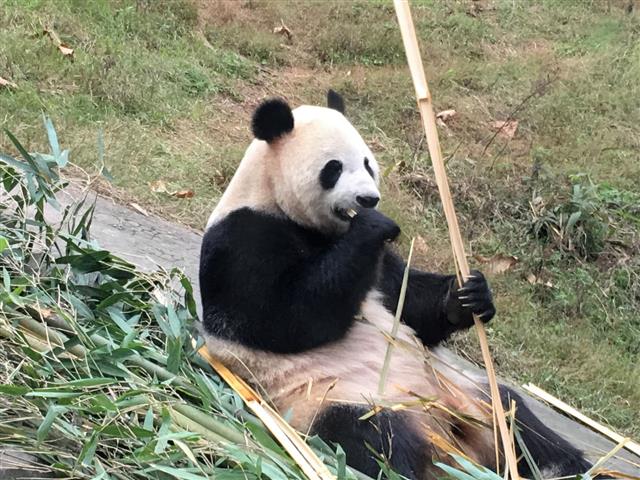
The giant panda is one of the most famous animals on the planet. Much of that fame comes from its role as the logo of the World Wide Fund for Nature (WWF). That popularity has helped launch many conservation efforts: new reserves, green corridors connecting isolated habitats, and crackdowns on poaching.
These measures have worked. The wild panda population grew from 1,000-1,100 in the 1970s to 1,864 today. That's real progress, but it's also fragile. If conservation efforts slow down, the population could fall back quickly.
Explore More Animals
 Giant Panda BehaviorGiant pandas live alone, eat bamboo all day, and skip hibernation entirely. Discover the fascinating behavior of one of the world's most beloved endangered anim
 Giant Panda Facts: The Complete Kids' GuideThe complete giant panda guide for kids: where pandas live, what they eat, their secret extra thumb, mating habits, the full baby panda growth cycle, sub-specie
 Red Panda Adaptations: How This Remarkable Animal SurvivesAlthough born to dwell in a specific habitat, animals have to adapt to the changing environment for survival. The Red panda is one such species, and its adaptat
 Where Do Crocodiles Live? Habitat, Species & Amazing FactsCrocodiles live near swamps, marshlands, brackish waters, lakes, and rivers across five continents. Meet all the species, learn where each one lives, and discov
The Big Confusion: Giant Panda vs. Red Panda
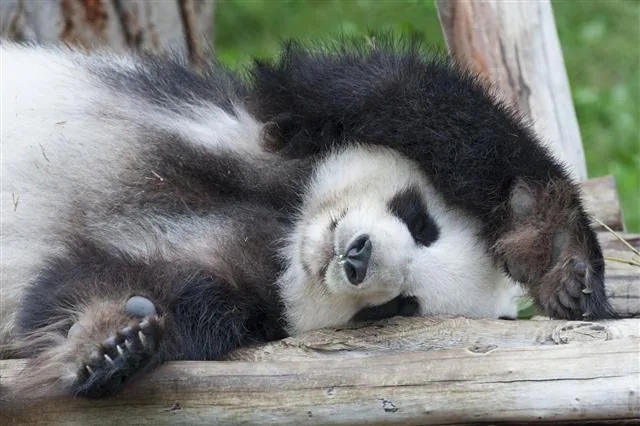
Because of their similar names, many people assume that the giant panda and the red panda (Ailurus fulgens) are related. They're not. Scientists once thought the red panda might be related to bears or raccoons. It was eventually classified as a completely different species, the sole member of the family Ailuridae.
Here's the key difference: the giant panda is found only in China. The red panda lives in the temperate forests of the Himalayan mountain range, spanning Nepal, Bhutan, China, India, and Myanmar. Very different homes.
While conservation progress is encouraging, it's important to keep these efforts going. Any gap or lapse could push the species back toward the critical numbers it came from, and reversing that decline would be even harder the second time around.

 Fun fact for today!Giant pandas are bears (not raccoons) and they're native only to China!