

The Six Surviving Tiger Subspecies
Tigers are threatened with extinction due to loss of habitat and hunting. Out of the 9 subspecies of tigers that existed, three subspecies (Bali, Javan, and Caspian) have already become extinct. The six remaining subspecies (Siberian, Bengal, Indochinese, Malayan, South China, and Sumatran) are found only in Asia.
Out of all the subspecies of tigers, the Siberian tiger is the largest. It ranks among the biggest living felids in the world. Because Siberian tigers inhabit the snowy landscapes of the Russian Far East, where white coloration would work as camouflage, many people believe that white tigers are the same as Siberian tigers. However, this is NOT true.
White Siberian Tigers Demystified
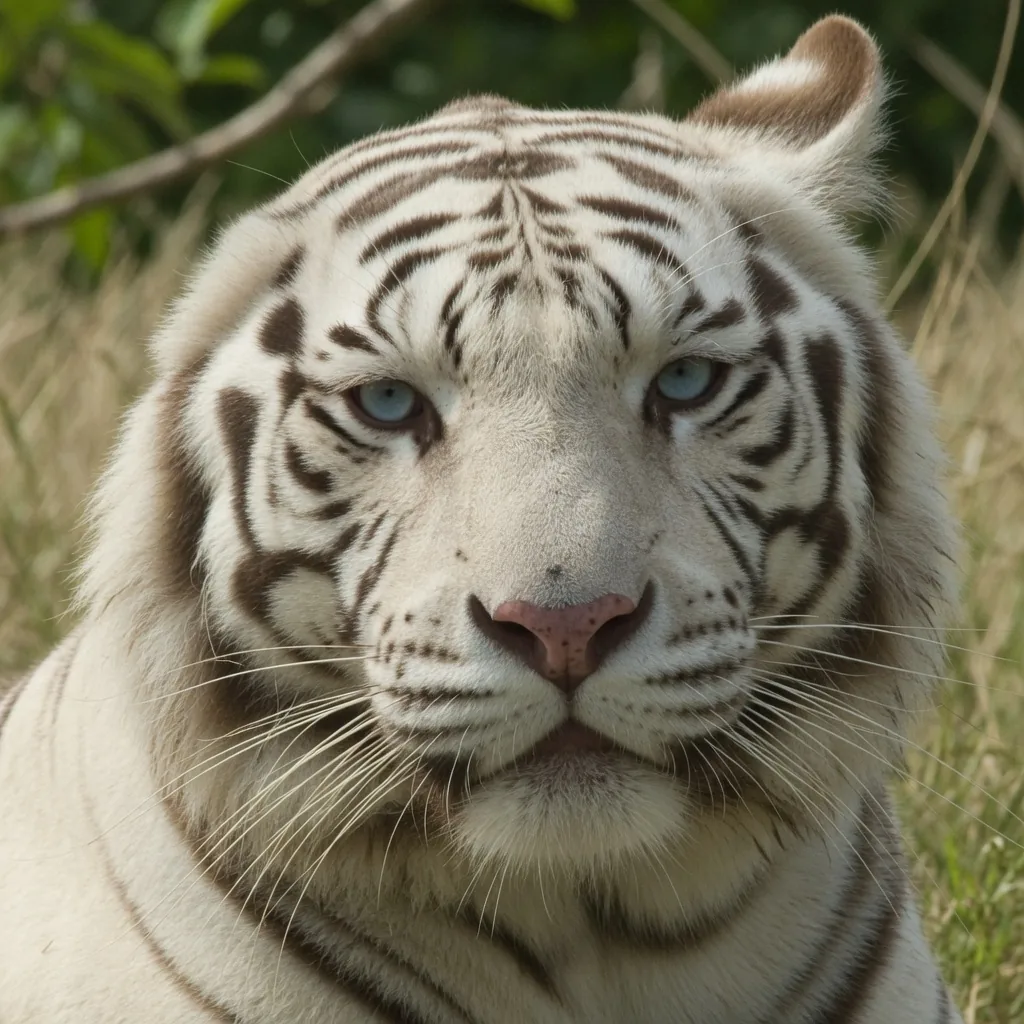
White tigers are sometimes confused with albino tigers, but that is also NOT true. If white tigers were true albinos, they would have no stripes at all. White tigers have pink noses, blue eyes, and black or brown stripes, which proves they are not albino.
White tigers are not a separate tiger species or subspecies. They are the result of a recessive, yet rare, gene carried by Bengal tigers, not Siberian tigers. Just like every other tiger subspecies, Siberian tigers are orange, and have NO white variety.
Breeding Programs
There have been a few reports of sightings of the white Siberian tiger, but nothing has been scientifically confirmed. White Siberian tigers can only be found in zoos, this is solely because of breeding programs. A white Siberian tiger is born when Siberian tigers breed with Bengal tigers. Its existence in the wild has never been proven, and only the Bengal tiger subspecies is known to carry the gene for white fur.
Genes Play a Big Role
The gene for white fur is recessive in tigers. That means both parents must carry the gene to produce a white tiger cub. Since such pairings are rare in the wild, white tigers are almost never seen there. However, humans have learned to selectively breed white tigers from parents known to carry the gene, so white tigers are quite common in captivity.
A large number of captive tigers are hybrids of various subspecies. White tigers make popular zoo exhibits and help bring in visitors and revenue. Because they are not found in the wild, they are produced in large numbers through inbreeding. All of this is done in the name of conservation and reintroduction to the wild. However, breeding programs are, by no means, helpful in conserving these animals.
Frequently Asked Questions
Are white tigers the same as Siberian tigers?
No. White tigers are Bengal tigers carrying a recessive color gene, not Siberian tigers.
Which subspecies carries the white gene?
Only Bengal tigers are known to carry the recessive gene for white fur.
Why are white tigers only found in zoos?
Their existence in the wild has never been proven. They exist in zoos because of deliberate captive breeding programs.
What birth defects do inbred white tigers suffer?
Retinal degeneration, strabismus (cross eyes), scoliosis of the spine, cleft palates, and clubbed feet.
Take the White Tiger Quiz!
5 quick questions. How much do you really know about white tigers?
The Flip Side of Captive Breeding
The harsh truth is that these animals are so inbred that they will never be suitable for reintroduction to the wild. Moreover, 80% of the cubs die from serious birth defects caused by the inbreeding needed to create the white coat. Of the few that survive, most have visible birth defects, including retinal degeneration, strabismus (cross eyes), scoliosis of the spine, cleft palates, and clubbed feet.
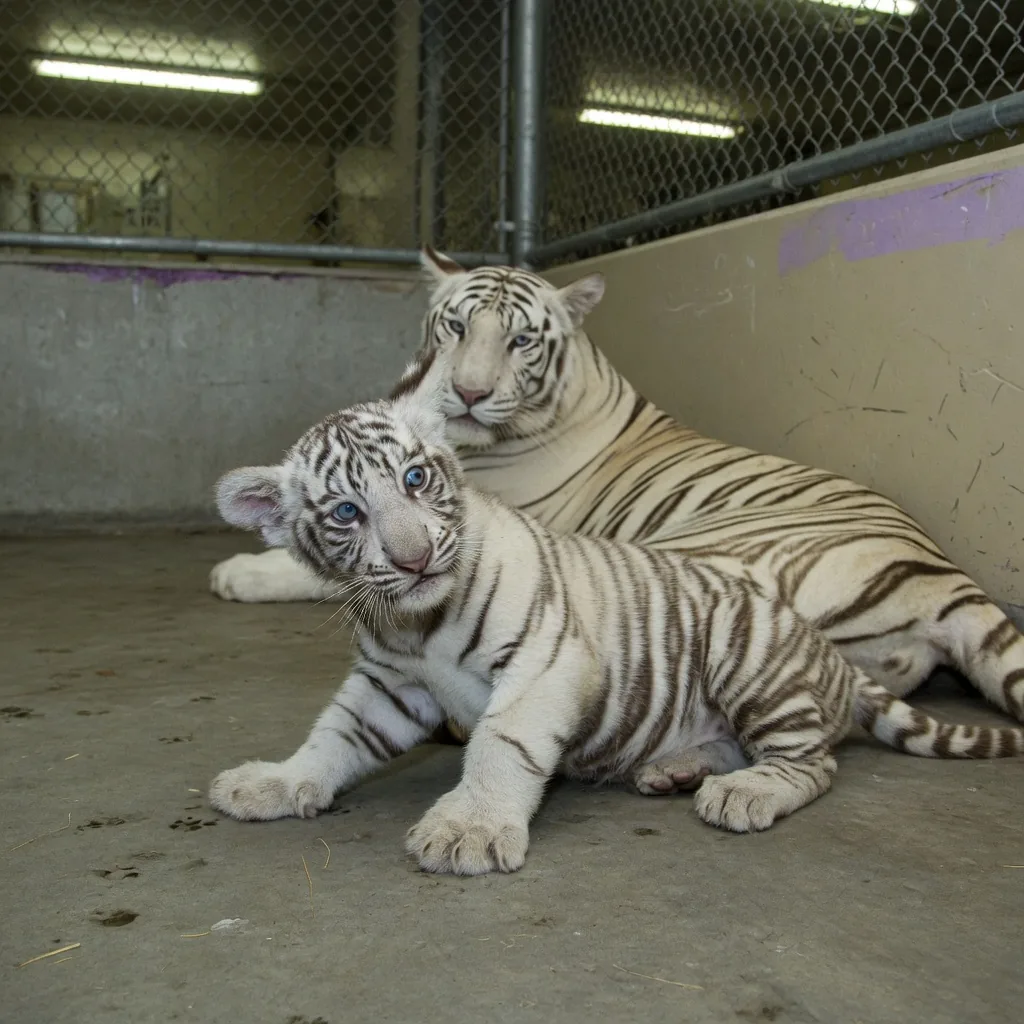
Many people still think that zoos are supporting the conservation of white tigers. The bitter truth, however, is that breeding these white tigers is done purely for profit. It does not benefit the tiger species in any way.
Explore More Animals
 Utterly Mind-boggling Facts About the White Bengal TigerAlso known as Indian tigers, white Bengal tigers were initially hunted down for fun, as a part of sporting activities. Today, most of these are bred in captivit
 White Lion FactsHave you ever heard about the white lions of Africa? Discover why these stunning pale lions aren't albinos, where they come from, and what threatens them today.
 Subspecies of Endangered Tigers You Didn't Know About, But ShouldOne of the most majestic animals of all time, the tiger is on the brink of extinction. Discover the surviving subspecies, how many remain, and why tigers are en
 Tiger's Habitat: What do Tigers Eat?Royal in their appearance, tigers are one of the most majestic animals seen in the wild. Here is some information about their habitat and food habits.

 Fun fact for today!White tigers are not Siberian tigers. The white gene comes from Bengal tigers, a totally different subspecies!