

Reasons Behind the Endangerment of Blue Whales
Not all types of whales fall on the endangered species list. Blue whales have perhaps reached this state because of their large size, which drew a great deal of human attention towards them.
Human activity in blue whale territory is the most obvious and basic reason these large sea creatures were added to the list of protected species. The blue whale was included in the IUCN (International Union for the Conservation of Nature and Natural Resources) Red List in the year 1960.
Basic Facts About the Blue Whale
Blue whales are not only the largest whale species but also the largest mammal species to have ever existed on Earth. The average length of a blue whale is 23-27 meters, and its weight ranges between 100 and 150 tons.
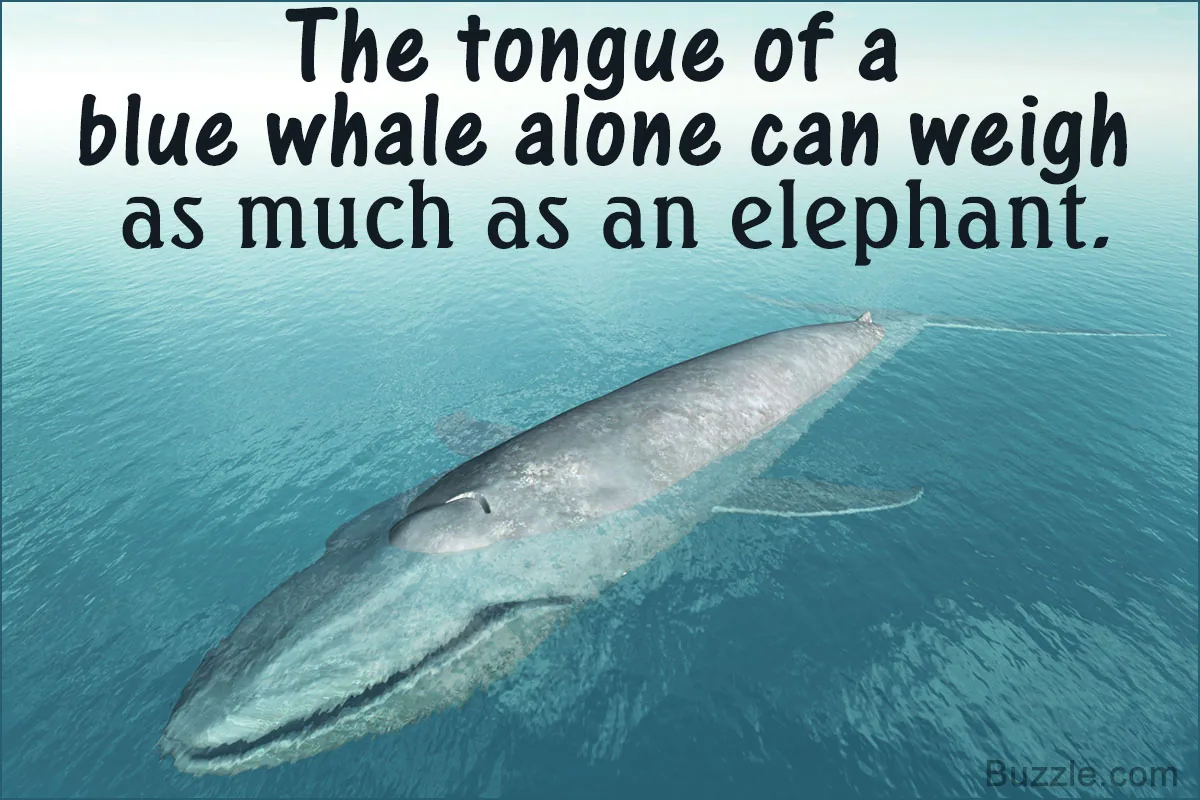
The name "blue whale" is a misnomer. These whales are not really blue in color, they are actually gray. They have large pleats on the skin of their neck, which allow them to take in huge amounts of water when feeding.
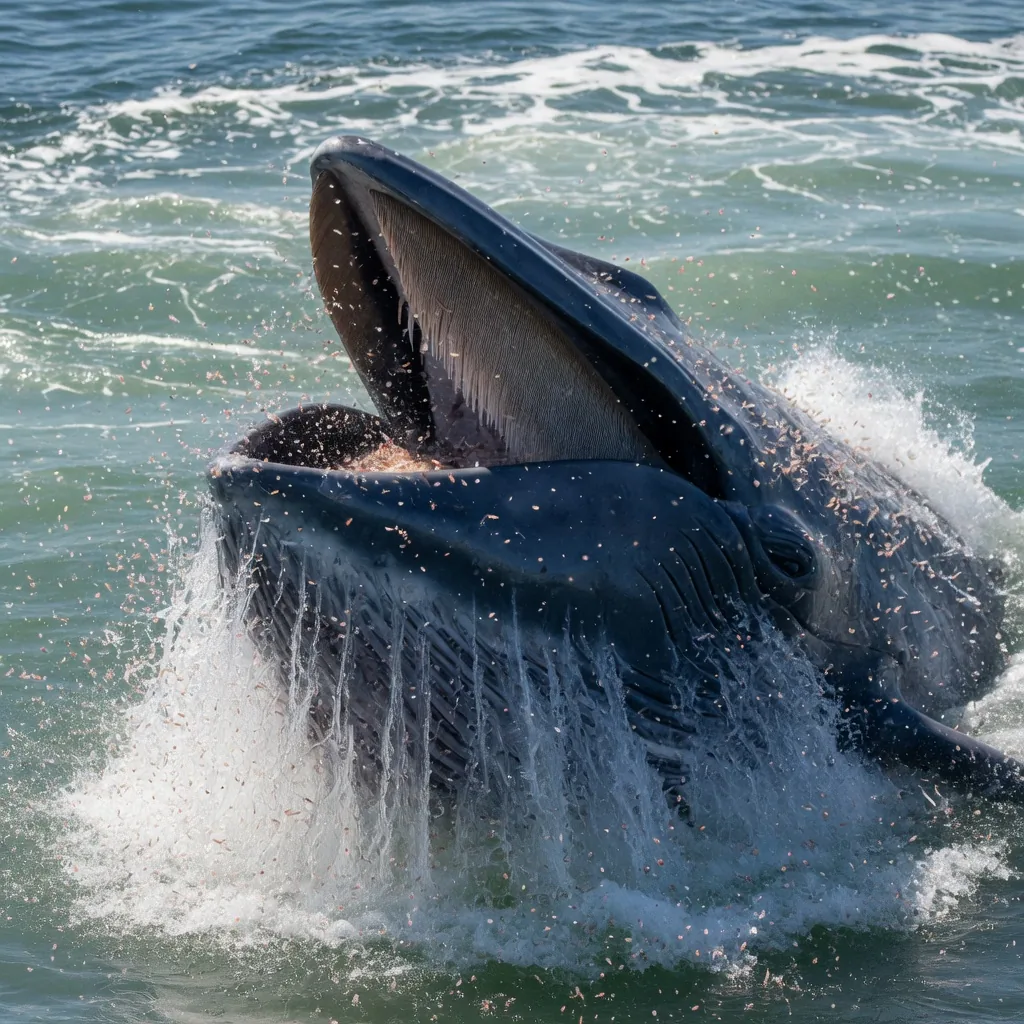
Blue whales feed on krill. While doing so, they gulp enormous amounts of water along with the food. The water is then filtered out by the baleen (a comb-like structure present in their throat) leaving the krill behind to swallow.
These marine giants have a very distinctive way of communicating with each other. They use low-frequency sound waves above 188 decibels to send signals. That is even louder than the sound produced by a jet fighter.
Despite their enormous size, blue whales can swim at an impressive speed of 25 to 30 miles per hour.
Before the whale hunting era began, blue whales could be spotted in all major oceans. At one time, there were more than 200,000 blue whales swimming in the world's oceans.
The seas of Canada, the North Atlantic Ocean, and the seas to the south of Madagascar are among the most popular regions where blue whales can be spotted today. Other major regions include the Antarctic Ocean and the Davis Strait.
Why Are Blue Whales Endangered?
There was a time when the blue whale was found in every large ocean on Earth. But the arrival of the whale hunting era reduced the whale population by such a massive number that blue whales are still endangered today.
The reasons for whaling were many. Their large size mistakenly led mariners to believe that such a huge animal could be a deadly threat at sea. Whale blubber and meat were also valuable products. But early whaling was held back by primitive tools and techniques, so the damage to whale populations was still manageable.
Take the Blue Whale Quiz!
5 quick questions. How much do you know about the world's largest animal?
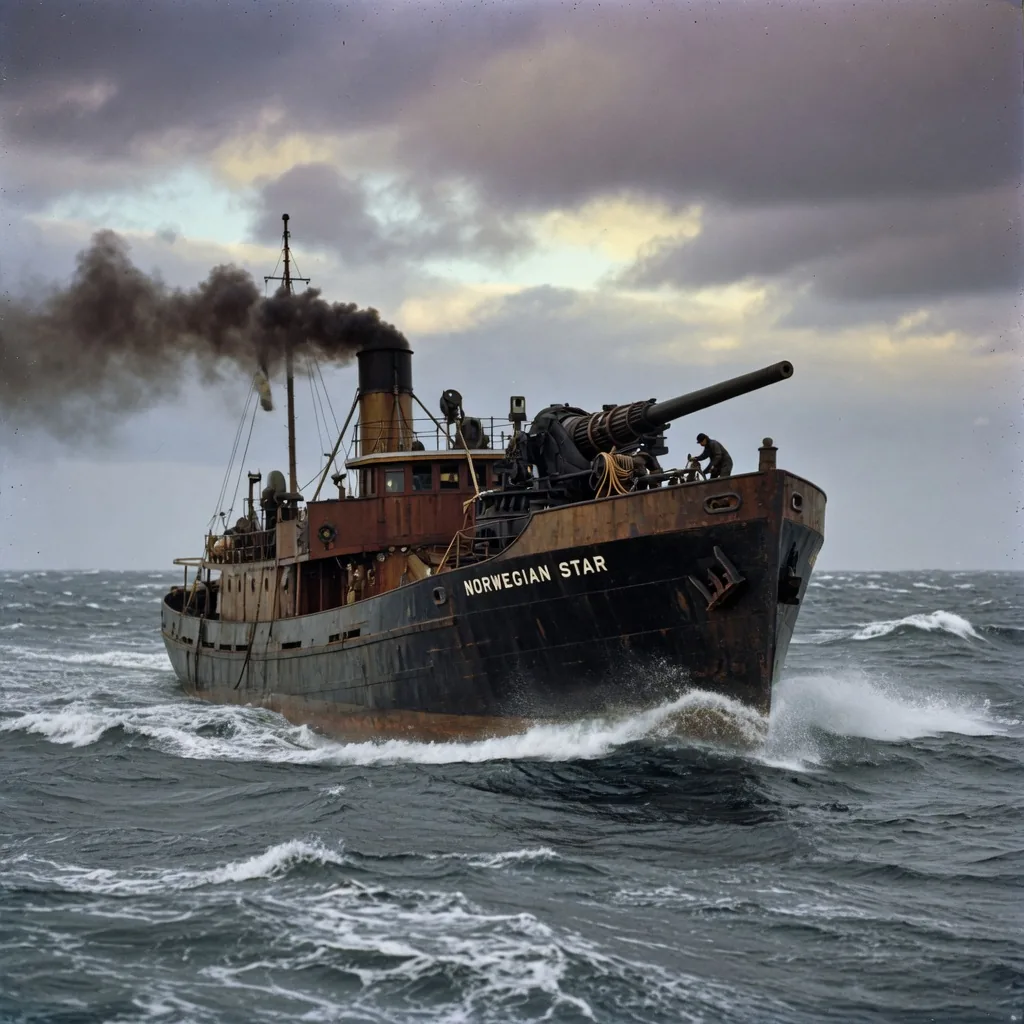
With the invention of powerful harpoon guns, steam-powered boats, and the stern slipway in whaling ships, hunting became faster and more effective. In 1931 alone, 29,649 blue whales were killed.
Blue whales also reproduce very slowly. A female blue whale gives birth to just one calf every two years. This means the loss of whales from hunting simply cannot be matched by new births.
Explore More Animals
 Blue Whale Facts: Size, Diet & Life of the Ocean's Gentle GiantThe complete blue whale guide for kids: how big they are, what they eat, where they live, the record-breaking 89-foot giant, and why these gentle giants are end
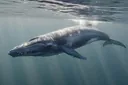 Blue Whale HabitatThe blue whale habitat ranges from the Arctic to the Southern Ocean, which basically means that it can be found in all the oceans of the world. This AnimalSake
 Unusual and Little-known Facts About MammalsMammals are a class of vertebrates which began to evolve on Earth around 200 million years ago. Discover record-holders, classification, and surprising facts ab
 Beluga Whale Adaptations for Almost Everything are Totally Awing!Other than their peculiar appearance and vocalization skills, beluga whales are also quite popular for their survival adaptations. In fact, its adaptations are
By 1966, the International Whaling Commission declared blue whales protected animals and banned blue whale hunting in international waters. But their numbers have remained low because of ongoing human activity in the deep ocean. Heavy sea traffic causes accidents in which blue whales are struck and injured by ships and cargo vessels. Deep-sea fishing uses large nets and trawling equipment in which blue whales can become entangled and drown.
The International Whaling Commission has taken steps to protect these wonderful creatures. Expert committees have been formed to work against whaling, entrapment, and the hunting of blue whales. But their population remains low. Recent blue whale statistics indicate that between 12,000 and 15,000 of these ocean giants survive today.

 Fun fact for today!A blue whale's heartbeat is so loud it can be detected from 3 kilometers away!