

Amazon River Dolphins
Pink dolphins (also popularly known as Boto, Bouto, or Amazon river dolphin) are a species of dolphin that lives in the Amazon rainforest with bodies well adapted to the Amazon river. They are also commonly found in the streams and main rivers of the Orinoco river systems, the upper Madeira river in South America, and the Pearl river of Hong Kong.
Some people mistake these dolphins for albino dolphins. However, they belong to the genus Inia, with Inia geoffrensis as their scientific name, and they are not the same as ocean dolphins. These are the most widespread of the five river dolphin species, river inhabitants that are distantly related to ocean dolphins and belong to different families.
Blushing Dolphins!
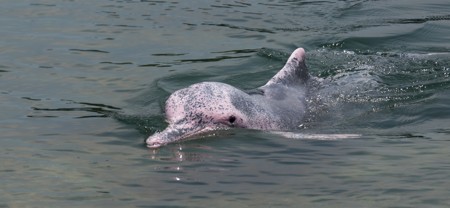
Most pink dolphins are pink, but their color can vary from pink to murky-brown, creamy-white, blue-gray, and gray. They are born gray and develop a pinkish tinge as they enter adulthood. Some scientists believe that the pink coloration comes from the dolphin's diet of crabs and shellfish, which contain a red pigment in their muscle tissues. The presence of a large number of blood capillaries near the surface of the dolphin's skin may also play a role.
Why are Pink River Dolphins Endangered?
Pink dolphins are the last of five river dolphin species, the others are now almost entirely extinct. As recorded by Brazilian scientists, their numbers have declined greatly since 2000. Researchers believe these dolphins are declining at the rate of 10% every year. The International Union for Conservation of Nature (IUCN), an international organization based in Gland, Switzerland, has listed them under the endangered species category.
Humans, the Greatest Enemy
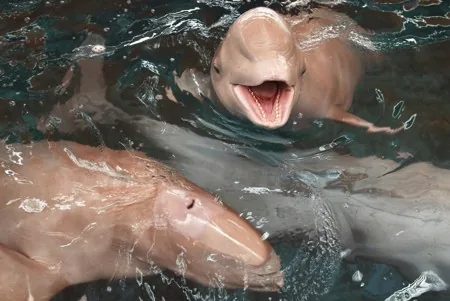
Pink dolphins have no natural enemies. They are known to have a brain capacity 40% larger than humans, have lived in harmony with Amazon people for centuries, and are the friendliest of all dolphin species. There are many stories of dolphins helping drowning people and pushing them to shore. These wonderful creatures do not get that same friendly gesture in return, though. Urban and economic development and water pollution have made survival very difficult for them.
River Traffic
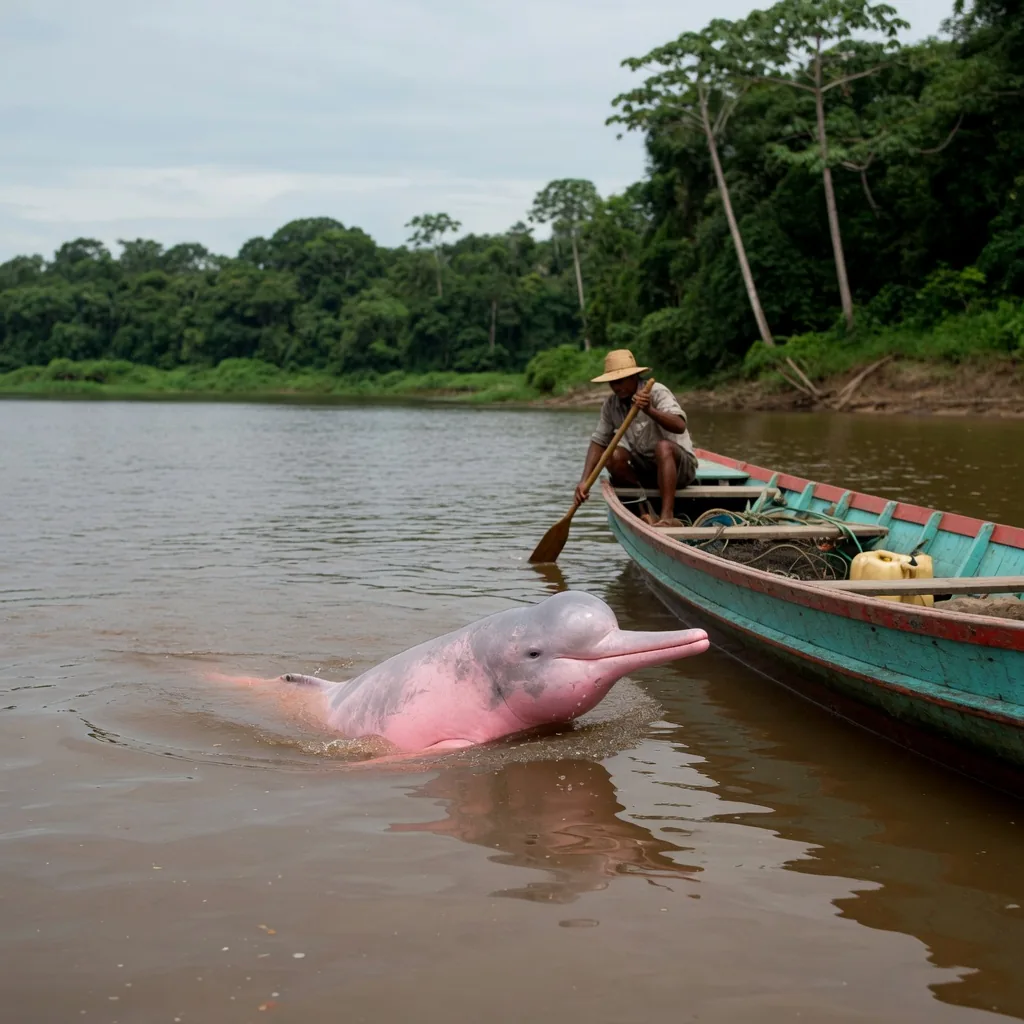
Pink dolphins are curious creatures and often approach vessels in the rivers. They are frequently hit by a vessel's propellers and badly hurt. The growing number of boats on the rivers increases the risk of dolphins being struck. Noise pollution from boats and vessels also creates a disorienting effect in the dolphin's navigation system, which has led to the death of many.
Destruction of the Tropical Rainforest
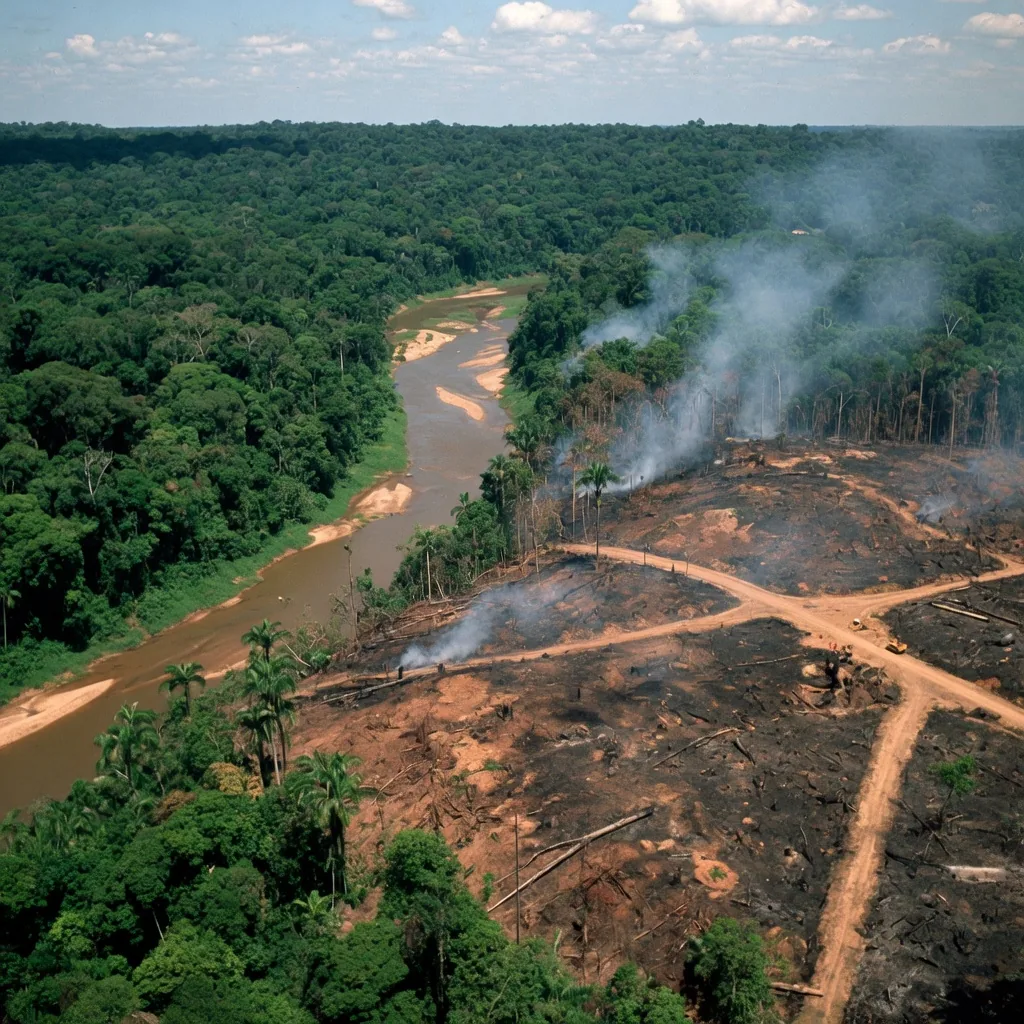
Humans are destroying the pink dolphin's natural habitat, the South American tropical Amazon rainforest. This loss of habitat and the destruction of the rainforest ecosystem through commercial agriculture, oil extraction, and other activities are gradually forcing pink dolphins toward extinction.
Dam Construction
The government's plan to build several hydro-electric dams in the Amazon region has added to fears of pink dolphins becoming extinct. Hydro-electric dams are particularly dangerous because their construction splits dolphin groups in two. Two isolated populations on either side of a dam cannot breed together, which results in a lower breeding rate overall.
Frequently Asked Questions
Why are pink dolphins endangered?
Pink dolphins face multiple threats: water pollution from gold mining mercury and factory waste, entanglement in fishing nets, river traffic injuries, dam construction that isolates populations, destruction of their rainforest habitat, and deliberate killing by fishermen.
What is the scientific name of the pink dolphin?
The Amazon pink dolphin's scientific name is Inia geoffrensis. It belongs to the genus Inia and is distantly related to ocean dolphins.
How fast are pink dolphin numbers declining?
Researchers believe pink dolphins are declining at the rate of 10% every year. Brazilian scientists have recorded a steep drop since 2000.
Where do pink dolphins live?
Pink dolphins are found in the Amazon rainforest rivers, the Orinoco river systems, the upper Madeira river in South America, and the Pearl river of Hong Kong.
Take the Pink Dolphins Quiz!
5 quick questions. How much do you know about these amazing Amazon animals?
Entangled in Fish Nets
A large number of dolphins get caught in fishing nets and lose their lives. Getting accidentally entangled in fishing nets is the most common cause of dolphin mortality. Gill nets used by commercial fishermen are the most dangerous for dolphins. Fishermen often see dolphins as competitors for their fish, a nuisance. According to fishermen, dolphins get stuck in their nets and eat their fish, which is why some of them kill the dolphins.
Dolphin Flesh as Fish Bait
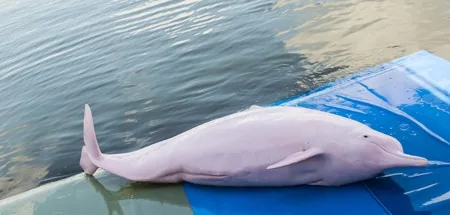
The capture of dolphins for use as fish bait has also accelerated the decline of this species. Dr. Vera da Silva, a biologist at the National Institute of Amazonian Research in Manaus, said that fishing techniques adopted from Colombia have led to this tragedy. She also noted that the number of dolphins' mutilated bodies (with missing fins) is on the rise, as only the fins are used as fish bait.
Explore More Animals
 A List of Endangered Animals From Every ContinentFrom the Bengal tiger and giant panda to the mountain gorilla and polar bear: a continent-by-continent list of the world's endangered animals, with photos.
 Interesting Facts About the Adaptation of a Bottlenose DolphinHow have bottlenose dolphins survived the ocean for millions of years? Explore the physical and behavioral adaptations that make them one of the sea's most suc
 Endangered Rainforest Animals That Will Really Shock YouThough rainforests hold 40-75% of all organisms on Earth, many species face extinction. Meet the gorilla, Javan rhino, giant panda, and more, with IUCN status
 Interesting Facts About Manatees (Sea Cows)Manatees are docile sea mammals more closely related to elephants than dolphins. Discover their habits, intelligence, and conservation story, plus a quiz and g
Dolphinarium Trade
Thailand is known to capture pink dolphins and place them in dolphin lagoons or dolphinariums, training them to perform at shows to entertain people. In captivity, more than 50% of dolphins die within 3 months, and those that survive have a very low lifespan compared to those in the wild. Catching dolphins from the wild for dolphinariums is another reason for the falling numbers of pink dolphins.
Hunted to Reduce Competition
Pink dolphins are also hunted by fishermen to reduce the number of fish predators. The logic is simple: fewer river dolphins means more fish available for fishermen to catch and sell. So fishermen try to get rid of the dolphins to remove natural competition for river fish.
Drought
Natural disasters like drought have also hurt pink dolphin numbers in the Amazon. In the year 2010, one of the most severe droughts ever recorded hit the Amazon rainforest. The impact on pink dolphins was severe, their numbers were reduced by half because of the dangerously low water levels. This drought is a direct result of rising global temperatures. The world's entire ecosystem has been disrupted by climate change, now producing extreme events like this one.
Volunteer programs and societies like the International Society for the Preservation of the Tropical Rainforest (ISPTR) have dedicated themselves to saving these pink, friendly dolphins. However, it is the responsibility of each one of us to live and let live. We cannot continue leading such selfish lives. We must care about the other inhabitants of this planet as well.

 Fun fact for today!Pink dolphins have humps on their backs instead of dorsal fins, the opposite of ocean dolphins!