

Cute at First, Complicated Fast
Funny and full of joy, monkeys seem to make great pets. However, that is only a first-glance opinion, because keeping a monkey as a pet is not a good idea in the long term.
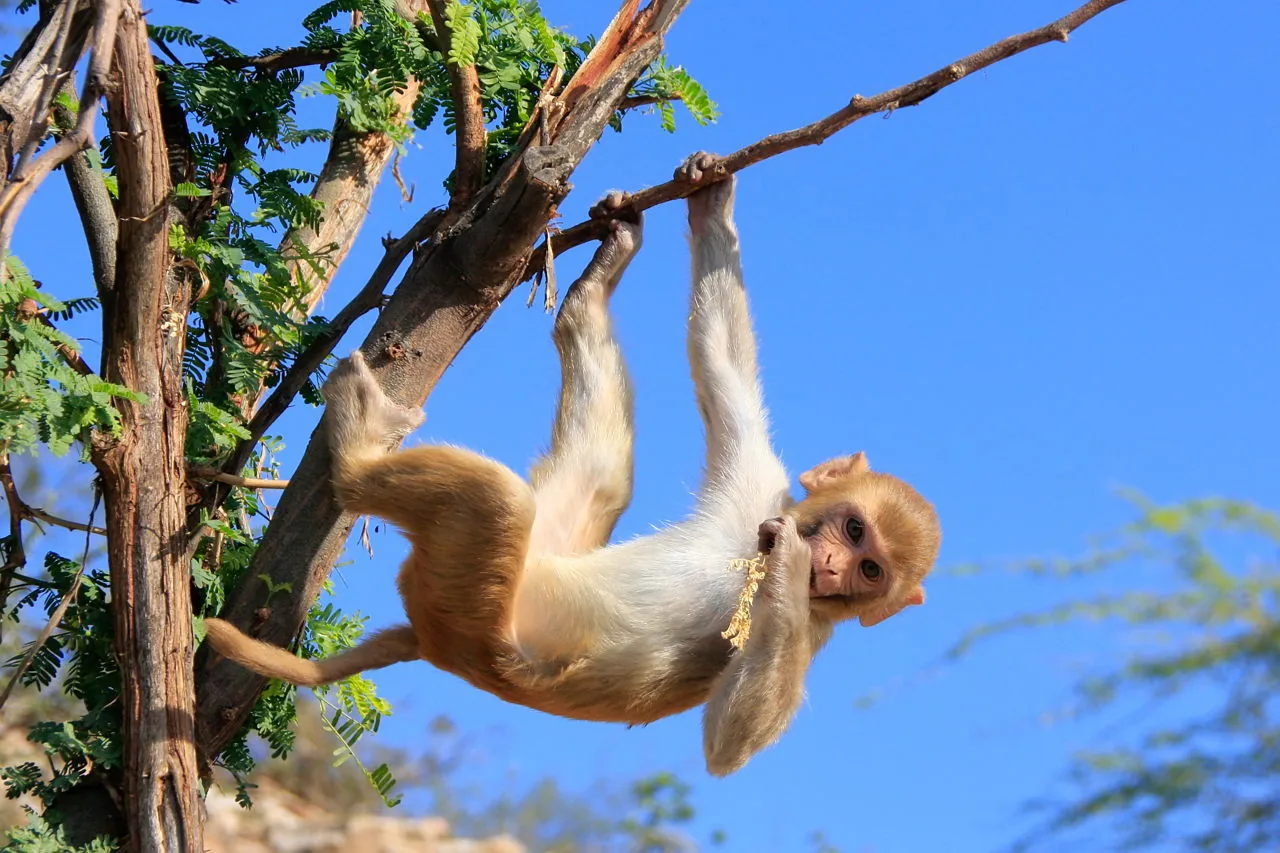
Monkeys have played lead roles in many movies, cartoons, commercials, and music videos. They seem to be cute, joyful, and smart animals. This leads many people to believe that they can actually make perfect pets. When they are small, these sweet creatures are appealing with their big eyes and fuzzy fur, and may appear harmless and innocent. However, when they grow up and become sexually mature, they can turn into really violent beings. They can also pass some extremely dangerous and lethal viruses (like the herpes B virus) to humans.
The Real Cost
Many people think that adopting monkeys is a good idea for a pet, and they are willing to pay big amounts of money to get them. Pet monkeys may cost thousands of dollars. But veterinarians share the view that these animals have a complex emotional system and a high level of intelligence, and they are likely to live a long life. They feel the need to spend their time with their own kind rather than with humans, no matter how pampered they are.
Doctors say that if you try to keep them as pets, you're creating a mentally disturbed animal in 99.9 percent of the cases. The animal will never be able to fit in any other home, never learn how to get along with other monkeys, and will often end up with behavioral traits that are self-destructive.
What Happens to Baby Monkeys
Monkey babies are usually taken away from their mothers when they are about three days old. In exchange, their mothers are given a cuddly stuffed toy, a blanket, or other comfort objects to hold. This causes the baby monkeys to develop abnormal behaviors. They rock back and forth, grasp themselves tightly, or suck on their thumbs.
Aggression at Sexual Maturity
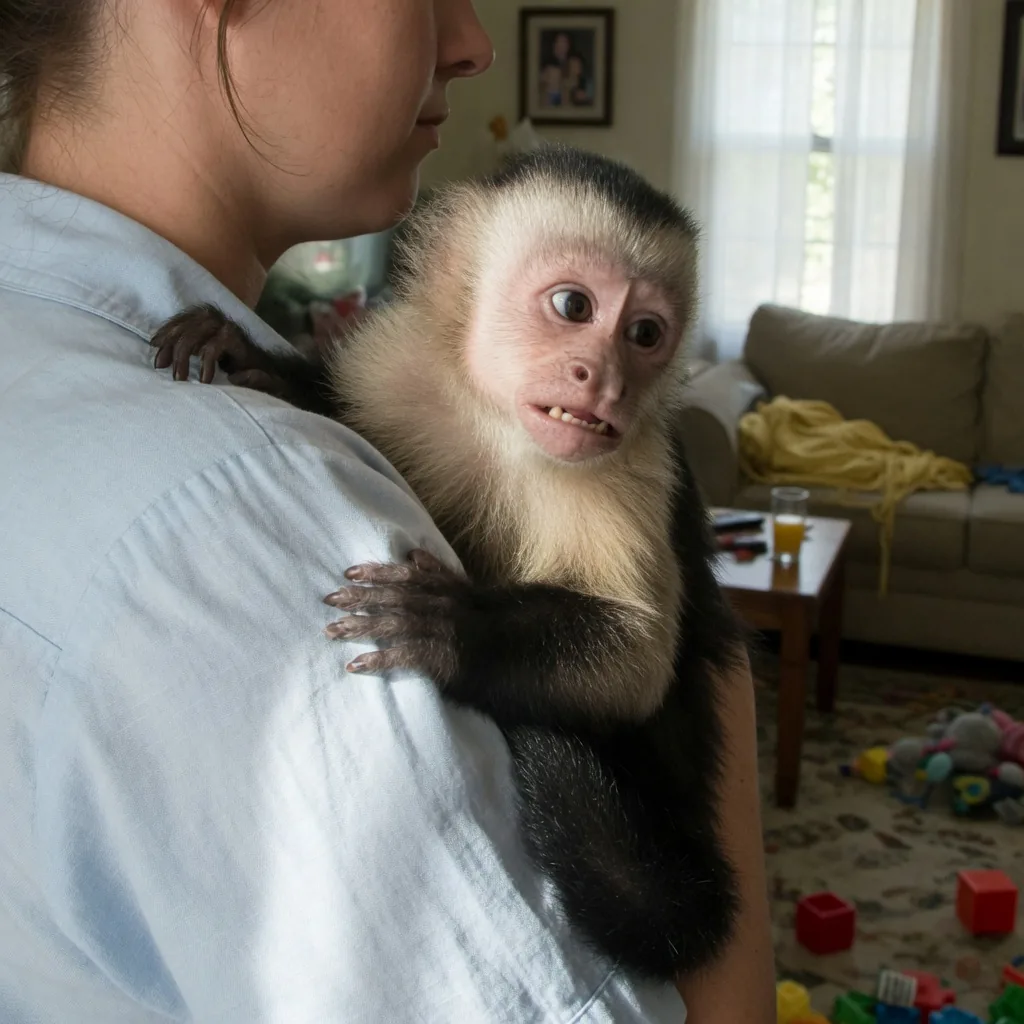
Monkeys reach sexual maturity at 18-24 months. At this point, they can get pretty aggressive and dangerous toward their owners. This leads to many animals being handed over to zoos or sanctuaries, where most of them spend the rest of their lives. Sometimes they are also sent to laboratories for experiments or breeding.
Due to the change in their pets' behavior as they grow older and stronger, some owners try to change these unpredictable traits by chaining them, putting them in small confined spaces, or removing their teeth or nails to make them unable to scratch or bite.
Take the Monkey Pet Quiz!
5 quick questions about why monkeys don't make good pets.
Social and Emotional Needs
Having these animals as pets can make life complicated, because they tend to behave like troubled, difficult children. Apart from showing favoritism toward certain family members, growing monkeys are also likely to become more and more aggressive if there are too many people in a house or a room.
These animals are happy only when they can fulfill their social and emotional needs. They need other social animals like themselves, need to feel loved and protected, and generally long for genuine affection. Such emotional needs may seem similar to those of humans. But there is still a wild side that reminds us they are wild animals, not domestic pets. It would be a mistake to treat them the way you would treat a dog, a cat, a hamster, a guinea pig, or any other common pet.
Explore More Animals
 Undeniably Interesting Facts About MonkeysIf a monkey yawns at you, better let it be, it's most likely angry. Discover fascinating monkey facts: Old vs New World, the loudest land animal, the world's t
 Pros and Cons of Keeping Wild Animals as PetsShould a wild animal ever live in your home? Weigh the real pros and cons of keeping exotic pets (from tiny hedgehogs to bears and big cats) with a side-by-si
 A Complete List of All Types of MonkeysFrom the pygmy marmoset (5 inches tall) to the giant Mandrill: discover every major type of monkey (New World and Old World) with photos, fun facts, and a qui
 Monkey Habitat: Where Do Monkeys Live?There are more than 260 extant monkey species known today. Discover where monkeys live (from Amazon rainforests to Asian mountains) plus habitat facts, a quiz
Think Twice
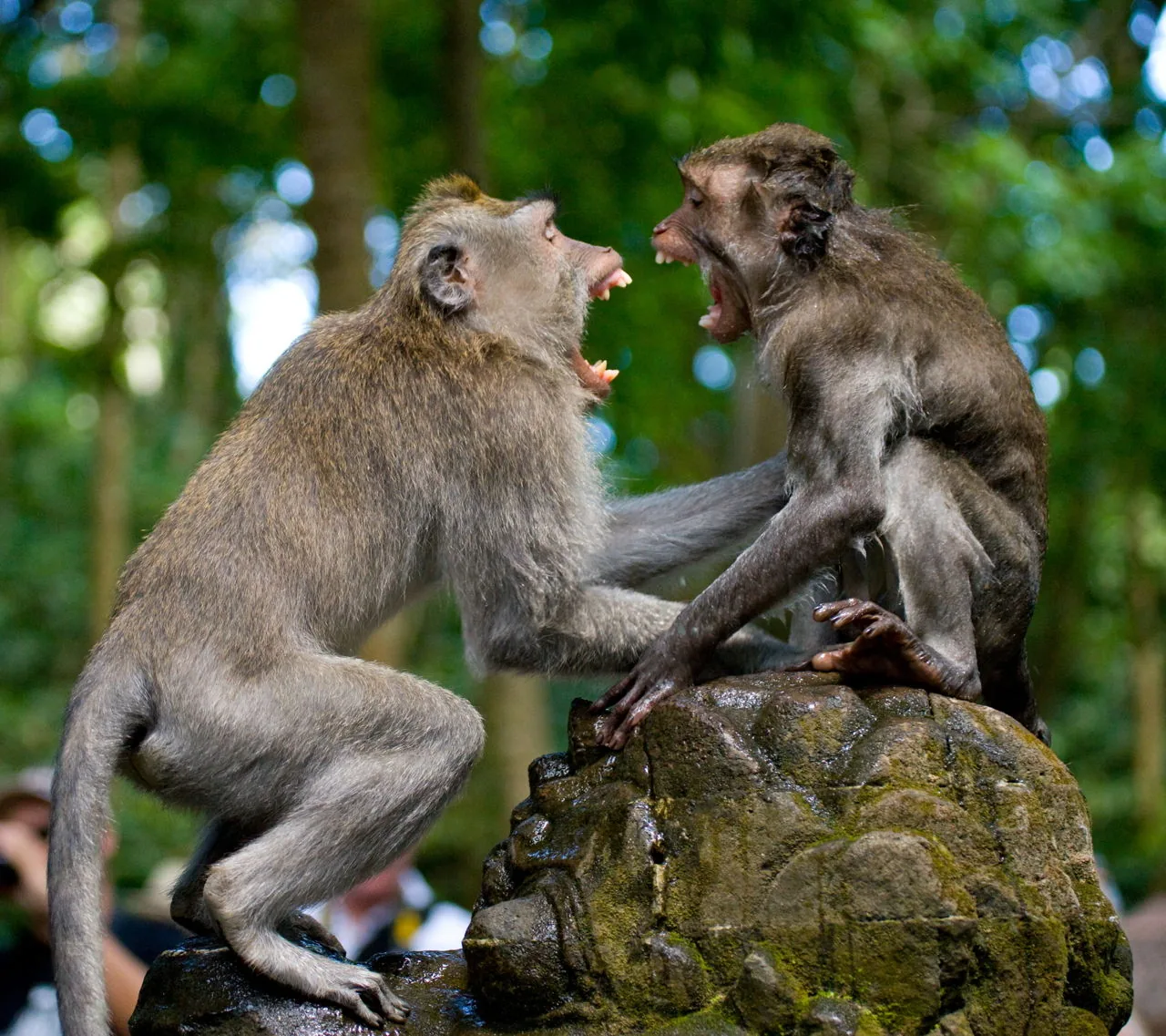
You should understand that monkeys have their own specific needs, feelings, and emotions, and they are reluctant to change them for a human's simple pleasure. They are likely to become aggressive when people treat them like toys, this happens especially with children, who may enjoy controlling them or handling them in a rough way.
Knowing these consequences, think more than twice before you decide to get a monkey as a pet. If you truly love monkeys, the best thing you can do is support organizations that protect them in the wild or in proper sanctuaries. You can also learn more about the real costs of keeping wild animals as pets.

 Fun fact for today!Monkeys can transmit the herpes B virus to humans, and it can be lethal.