

Nature has a unique way of making every creature different. Some animals have amazing eyesight. Some have a brilliant sense of smell. Others have an extraordinary sense of taste or touch.
Smell and taste work together in most animals. Smell attracts them toward something, and then taste helps them inspect it more closely.
A sense of taste helps an animal stay away from poisonous substances and eat only nutritious food. Different taste receptors help identify substances that are safe to eat. This article looks at some animals that possess gustation powers so unique that they surpass the tasting ability of us humans.
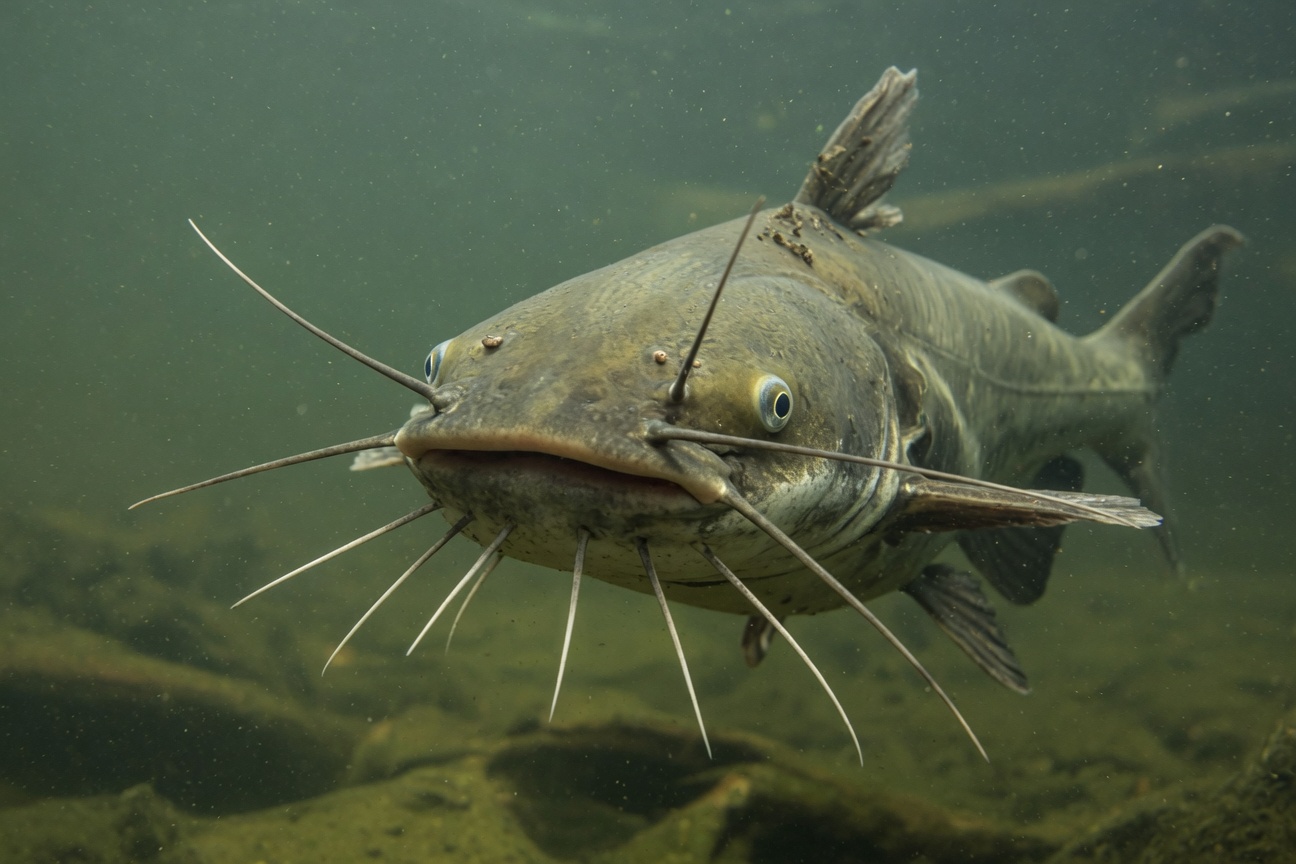
Catfish
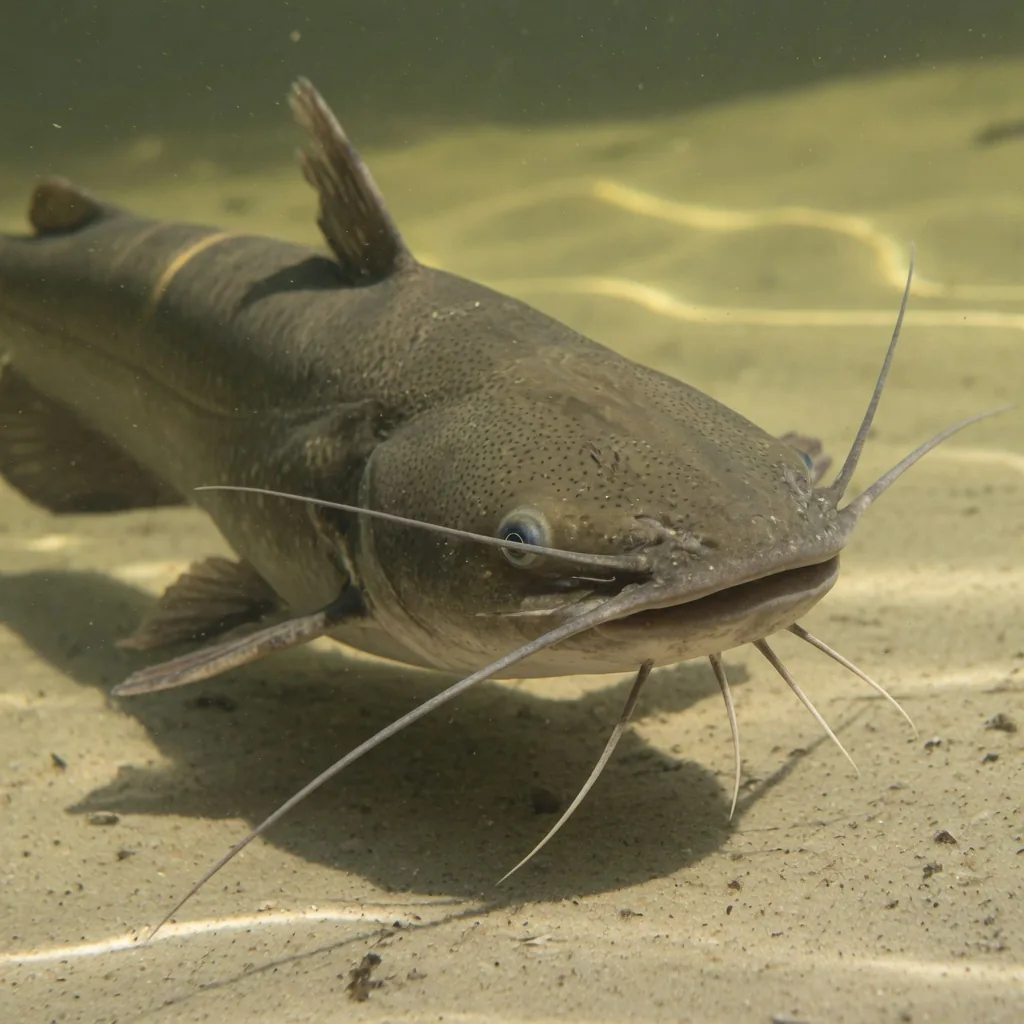
The most amazing sense of taste belongs to the catfish. It has approximately 100,000 taste receptors spread all over its body, on its fins, back, tail, and those long whiskers called barbels.
Catfish mostly live in muddy, murky water and prefer dark, shadowy areas near the bottom. Visibility in these waters is extremely low. So those 100,000 taste buds help the catfish detect tiny amounts of food and pinpoint exactly where it is.
Scientists have found that catfish with poorly working taste buds cannot feed normally. That proves how vital this sense of taste is for the catfish's survival.
Cows
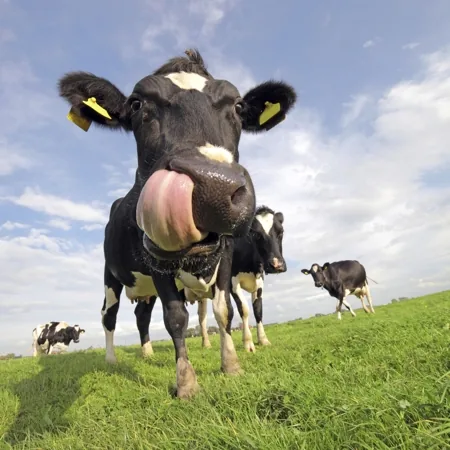
Cows have taste buds ranging from 25,000 to 35,000. That gives them an excellent sense of taste, about two to three times more than humans have.
Cows are herbivores, so they eat only plants. Scientists think they developed so many taste receptors to help them tell the difference between poisonous and non-poisonous plants. These taste buds help them decide what is safe and what is not.
The taste buds also help cows spit out or avoid anything harmful. They swallow the good stuff, then ruminate (chewing the cud quietly) to finish digesting what they ate.
Rabbits

Rabbits have about 17,000 taste buds. These are found in the mouth and in the pharynx (the back of the throat). Like humans, rabbits can taste sweet, bitter, sour, and salty flavors.
Wild rabbits can also tell the difference between poisonous and non-poisonous plants, a very important skill for a small animal living in the wild. Pet rabbits, though, may slowly lose this ability over time. They can also become quite fussy eaters!
Pigs
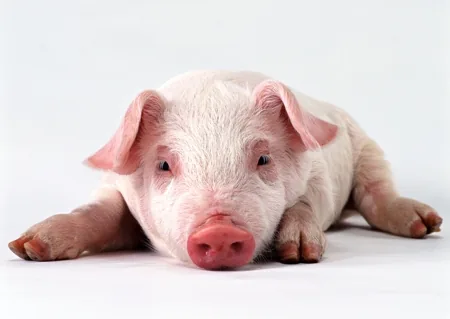
Pigs have almost 15,000 taste receptors on their tongue. They are omnivores, and they seem to be programmed to eat almost anything they come across. Research has shown that pigs prefer savory tastes over sweet ones.
A pig's sense of taste works closely with its sense of smell, the two senses team up when deciding what to eat. Having so many taste receptors gives pigs a real advantage: they can spot nutritious food and stay away from anything toxic or poisonous.
Take the Animal Taste Superpowers Quiz!
5 quick questions. How well do you know the world's greatest tasters?
Octopus
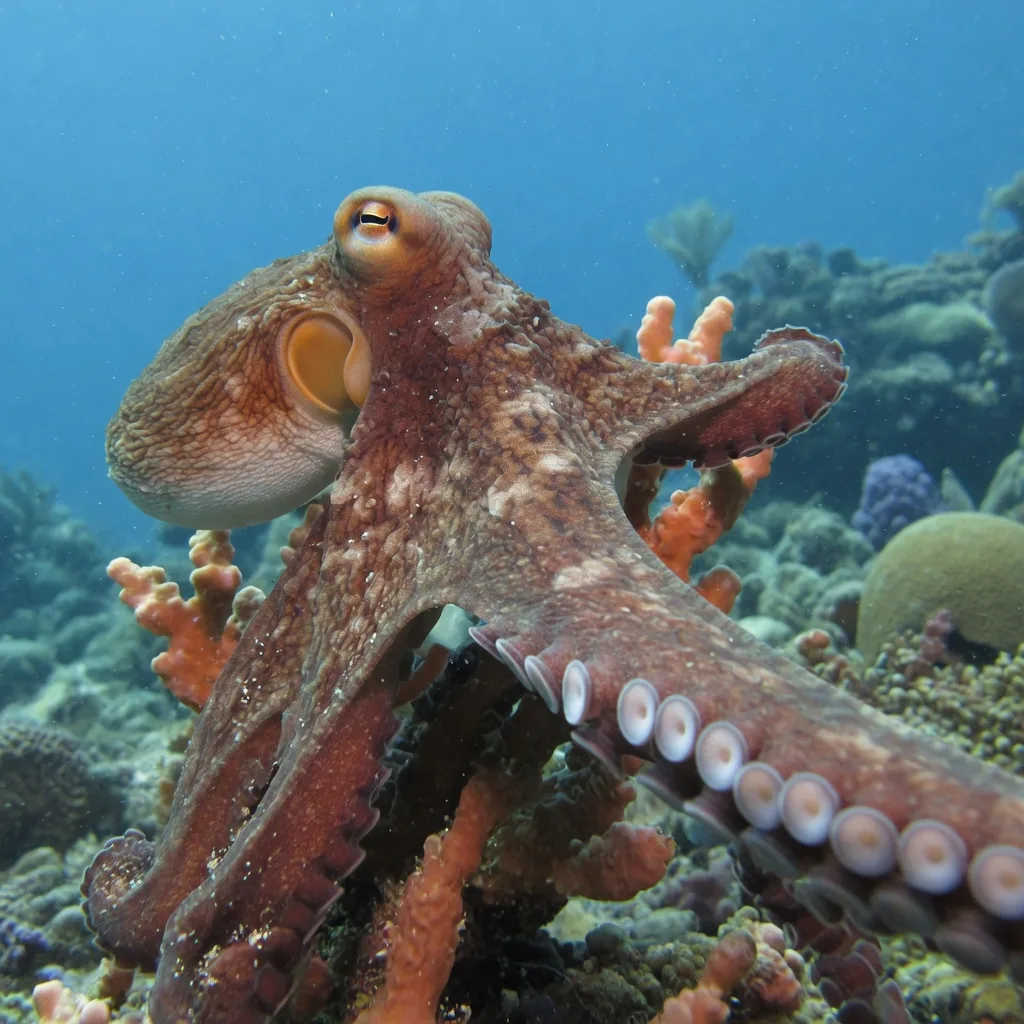
An octopus has about 10,000 taste receptors on each sucker. And it has almost 200 suckers on each of its eight arms. Just imagine the total number of taste-sensing points across its whole body!
These chemoreceptors (combined with a highly developed sense of touch) help an octopus detect even tiny differences in the chemicals dissolved in seawater.
Octopuses can remember the taste of food they have eaten before. Because of this, they are very choosy about what they eat. Even though they have a brilliant sense of taste, touch, and vision, they are unable to hear.
Squid
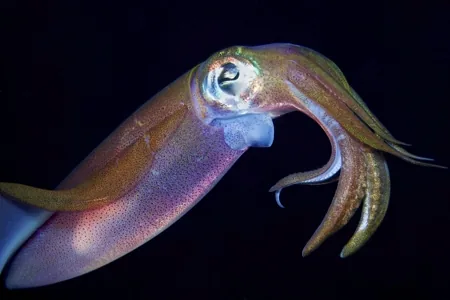
Squids have taste receptors all over their body. They are more sensitive to taste than humans. This makes a squid sensitive to chemical disturbances and stimulants in the water.
The taste receptors are found on the suckers and around the mouth. They help the squid work out whether something is edible, and they point the squid toward the exact position of its prey.
A squid's sense of taste works closely with its sense of smell and touch. Together, these senses give it a big advantage. Combined with its highly sensitive skin, a squid can detect very small differences in its surroundings.
Bees
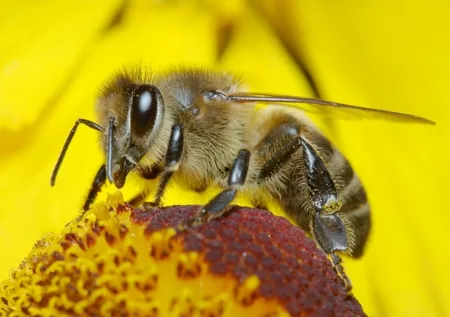
Bees have taste receptors on their antennae, jaws, and forelimbs. These help them detect the sweetness of a flower. Honeybees can tell the difference between sweet, sour, bitter, and salty tastes, though scientists are still learning exactly how.
According to Hugh M. Robertson, an entomology professor, bees have a beneficial relationship with flowering plants. Because of this, they don't need to guard themselves against toxins the same way other insects do. As a result, they actually have fewer taste receptors than smell receptors. They rely mainly on their sense of smell when searching for food.
Frequently Asked Questions
Which animal has the best sense of taste?
The catfish has the most taste receptors of any animal, approximately 100,000 distributed across its entire body, including its barbels, fins, back, and tail.
Do butterflies really taste with their feet?
Yes, butterflies have chemoreceptors on their feet (tarsi) that let them taste a plant simply by landing on it, before they decide to eat or lay eggs there.
How does a snake taste the air?
Snakes flick their forked tongues to collect airborne particles, which are transferred to Jacobson's organ in the roof of their mouth. This converts the chemicals into both taste and smell information.
How many taste buds do cows have?
Cows have between 25,000 and 35,000 taste buds, about two to three times more than a human's roughly 10,000.
Butterflies
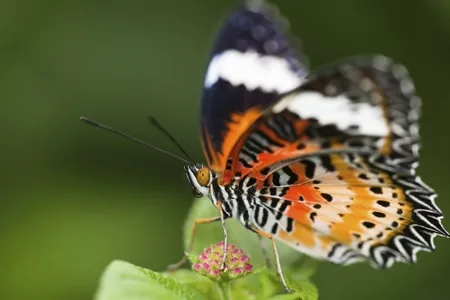
Butterflies have chemoreceptors on their feet, also called tarsi. When a butterfly lands on something, these receptors instantly send information to its brain about whether the food is good or bad.
If the plant passes the test, the butterfly unrolls its proboscis (the long tube it uses to drink) and releases enzymes to dissolve the food. The liquid nutrients are then sucked up through the proboscis. Different receptors help tell different types of food apart.
These chemoreceptors also play an important role in finding a host plant to lay eggs on. The female taps the plant to release juices, which she tastes using special spiny structures on her legs. If she finds the right chemicals in the leaves, only then will she lay her eggs on that plant.
Flies
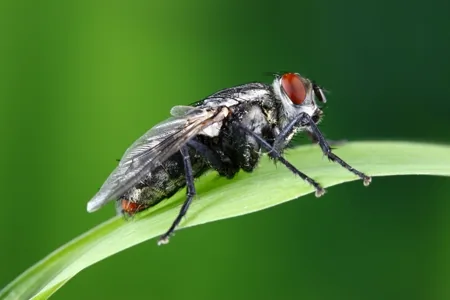
Flies have taste receptors on their legs. When a fly lands on something, it tests the taste of the food with those receptor cells before doing anything else. They check whether the food is safe or poisonous.
Flies prefer sweet tastes. If the food passes the test, the fly unfurls its proboscis.
At the end of the proboscis are labellar plates, and these also have taste receptors. If the taste seems good, the fly opens the labellar plates to suck up the food. The ingested food is tested again in the pharynx as well. Research has shown that flies are attracted to sweet tastes and put off by bitter ones.
Snakes
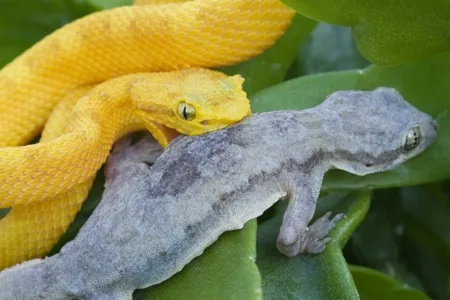
In reptiles, smell and taste are closely linked. Reptiles have a chemically sensitive organ called Jacobson's organ. It has the special ability to convert taste information into smell, creating a detailed picture of everything in the environment.
In a way, snakes taste the air with their forked tongues. Air particles collect on the tongue and are processed by Jacobson's organ. During mating season, this helps them track down probable mates.
The organ also helps snakes gather information about prey. It acts as an extra warning system too, snakes can detect predators nearby just by flicking their tongues.
These are some of the animals that possess excellent gustative powers. When combined with the ability to smell, the sense of taste becomes even more amazing.
Explore More Animals
 Animals With an Amazing Sense of Smell: Unbelievable But TrueDo you think the human nose can detect the slightest odor? Think again. Discover the animals with the most powerful sense of smell on Earth, bears, sharks, blo
 Random Facts About Animals That Will Surprise YouSome really interesting facts about animals that you will enjoy reading. From elephants with 40,000 trunk muscles to hummingbirds that fly backwards, discover
 14 Animals With Really Strange Noses You Won't Believe are RealWe always wonder what was Mother Nature thinking when she decided to make certain animals look weird, and sometimes even creepy, especially their noses. In this
 Squid vs. Octopus: What's the Difference?Squid or octopus? Both are clever cephalopods with three hearts and blue blood, but their bodies, homes, and habits are different. Here's a clear side-by-side
Taste Buds: Animal vs. Human
How do these amazing tasters stack up against each other, and against us? Here's a quick comparison:
| Animal | Taste Receptors | Where? | Why So Many? |
|---|---|---|---|
| 🐟 Catfish | ~100,000 | Entire body, fins, back, tail, barbels | Hunts by taste in murky, dark water with zero visibility |
| 🐄 Cow | 25,000-35,000 | Tongue and mouth | Must distinguish safe grass from toxic plants |
| 🐰 Rabbit | ~17,000 | Mouth and pharynx | Herbivore safety, detecting poisonous wild plants |
| 🐷 Pig | ~15,000 | Tongue | Omnivore that eats almost anything, needs toxin detection |
| 🐙 Octopus | 10,000 per sucker | Each of ~1,600 suckers | Chemical sensing in seawater; taste-driven prey memory |
| 🦑 Squid | All over body | Suckers and area around mouth | Detects chemical disturbances to locate prey in water |
| 🦋 Butterfly | On feet (tarsi) | Legs and proboscis tip | Tastes plants instantly on landing; selects egg-laying sites |
| 🪰 Fly | On legs + proboscis | Legs and labellar plates | Rapid food-or-poison check before feeding |
| 🐍 Snake | Via Jacobson's organ | Forked tongue → roof of mouth | Tastes the air to track prey, mates, and predators |
| 🧑 Human | ~10,000 | Tongue only | Basic flavor discrimination |

 Fun fact for today!When animals taste sweet things, it gives an indication of an easy source of energy, while bitterness could be a sign of something poisonous.