

There are some animals with really weird and strange noses out there, and we bet you didn't know about all of them! Aquatic animals are no exception either. These creatures range from being as tiny as a frog, to as large as an elephant.
Looking at their noses will leave you wondering why they were made that way. These animals use their noses to hunt for prey, attract the opposite sex, eat, drink (yes, drinking!), or even to fight for territory. You thought breathing was all a nose was for? Think again! Some of them look a little creepy, but they're all interesting nonetheless. Here is a list of some animals with really offbeat and freakish noses.
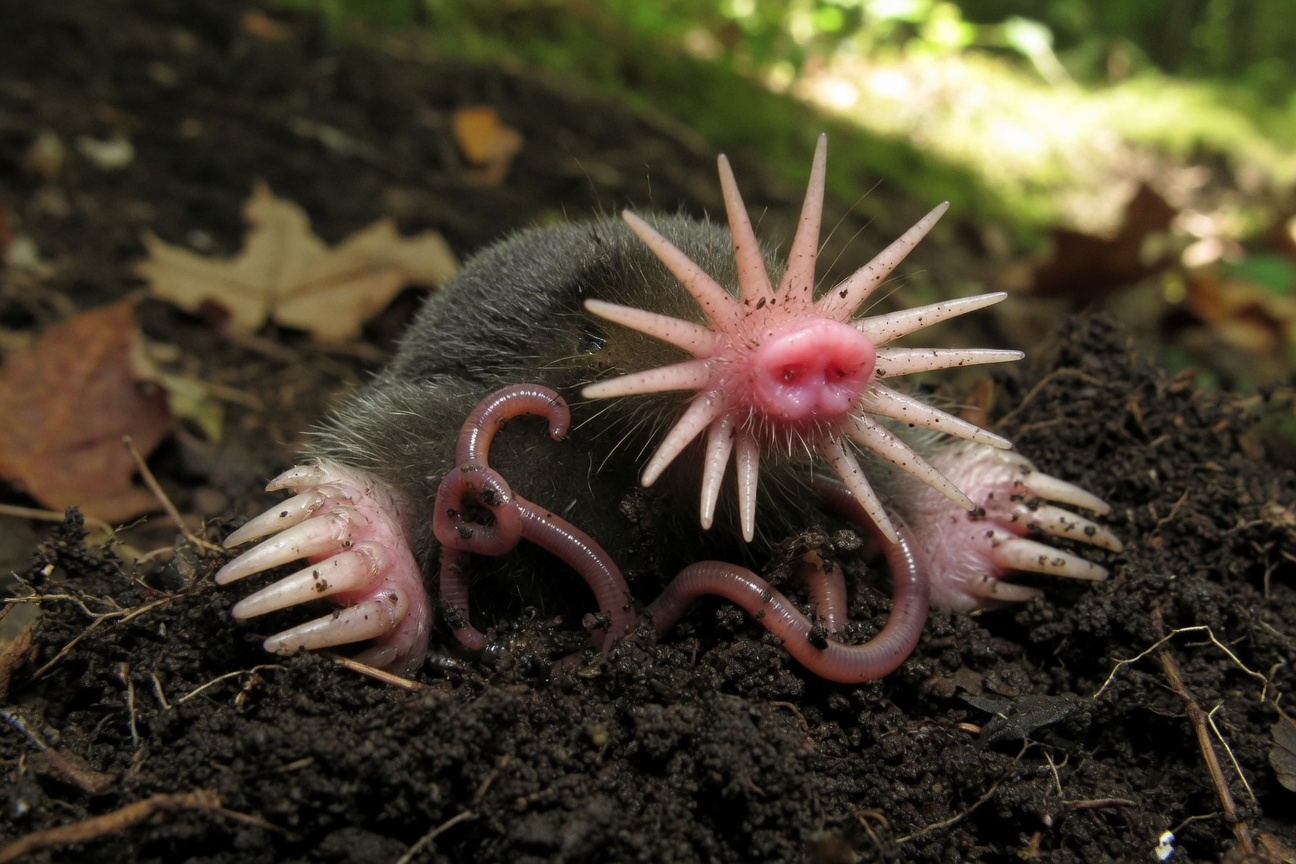
Star-nosed Moles
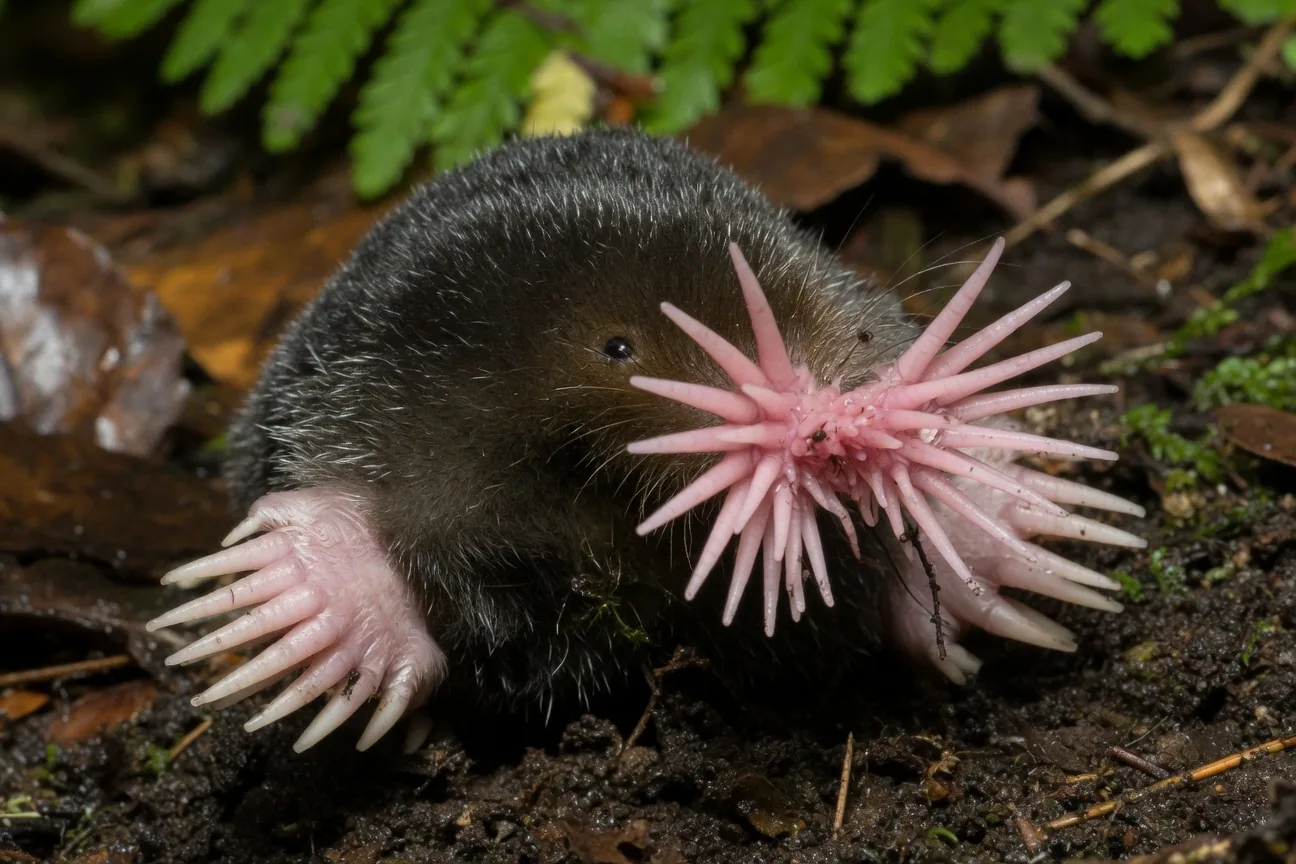
This hamster-looking creature surely tops this list. It is a common sight in eastern Canada and northeastern United States. Its nose is made up of 22 tentacles that form a star shape. It is also one of the fastest foragers around. In fact, it almost looks like an animal with no face!
It uses its nose to search for worms and insects, even at night. You've left us completely dumbstruck and open-mouthed, Mother Nature!
Proboscis Monkeys
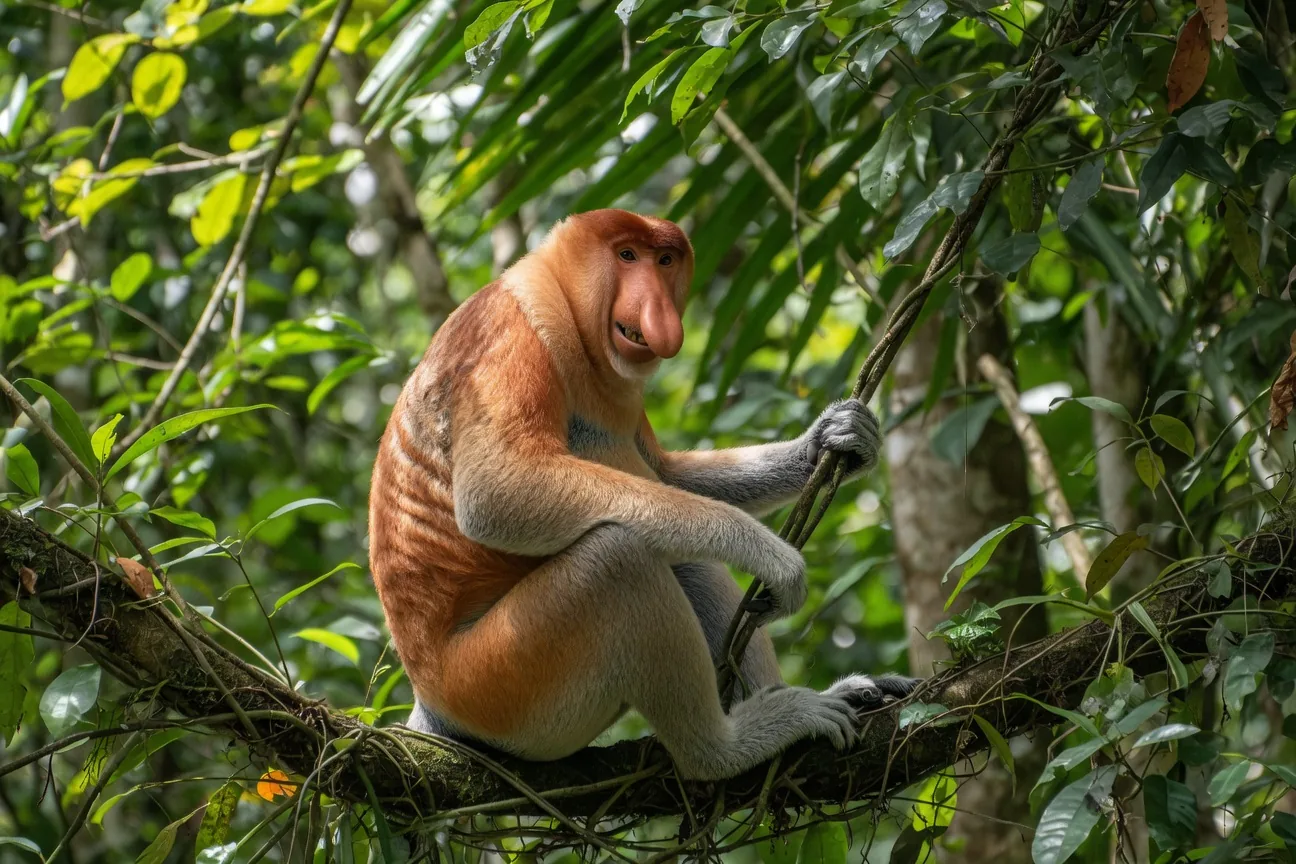
Now here is someone with a seriously big nose in the monkey family! The nose of a Proboscis monkey nearly reaches up to seven inches. It can hang down over the mouth, and has to be pushed aside just to eat food.
The big nose is also used to attract females for mating. Didn't we say noses are used for other things too? This species is listed as an endangered species on the IUCN Red List.
Pinocchio Frogs
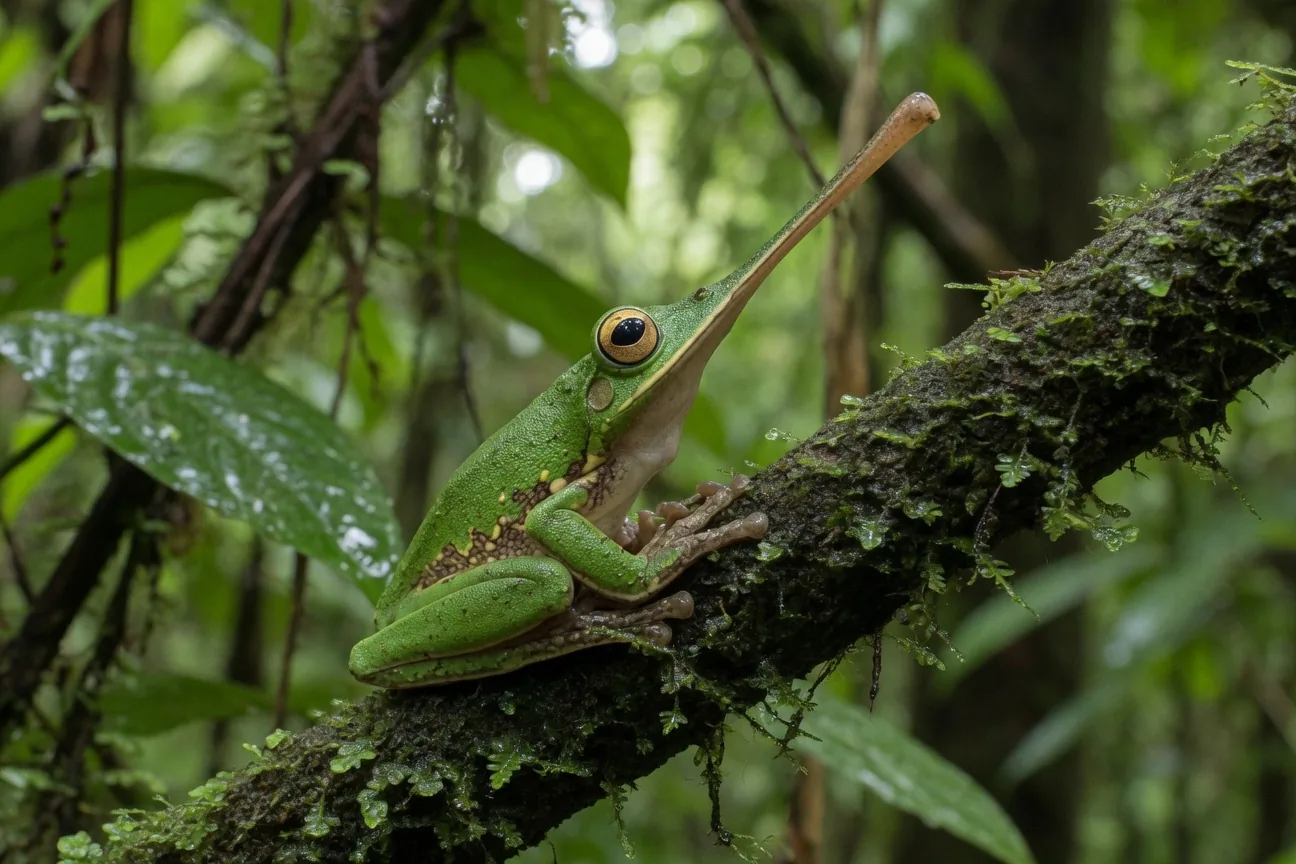
The Pinocchio frog is a tree frog found in the mountains of Indonesia. It gets its name from its Pinocchio-like nose. When it calls out, it can inflate and enlarge its nose. The tip of its nose points up when it is vocal, and droops back down when it is silent.
Snub-nosed Monkeys
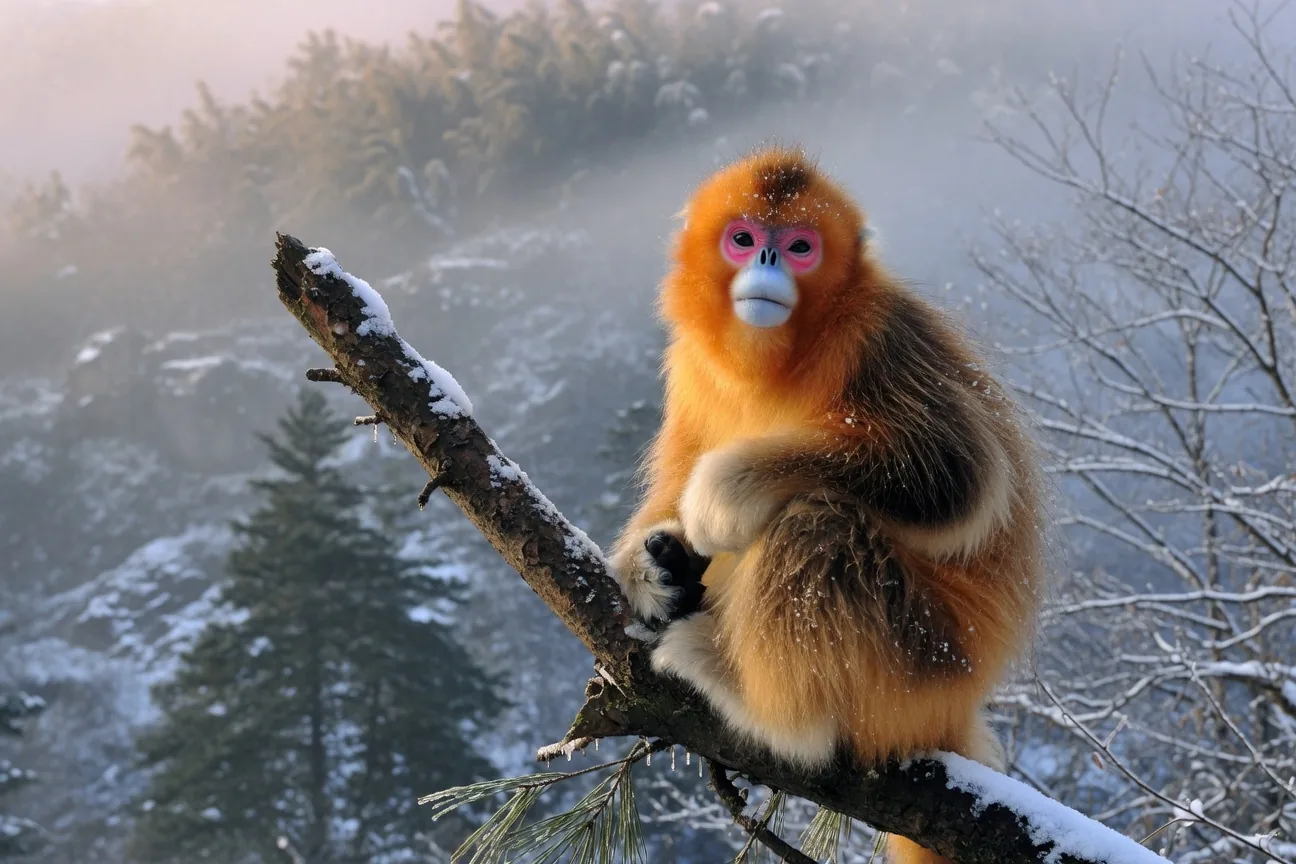
This beautiful golden monkey is weird in a cute way. It is allergic to rainfall, and sneezes A LOT when it rains. That makes it very easy for hunters to find them during wet days. The upturned nose faces forward and gets filled with water, which causes a huge burst of sneezes.
It is also listed as one of the endangered species. We're not sure its nose is of much use, other than breathing!
Mandrills
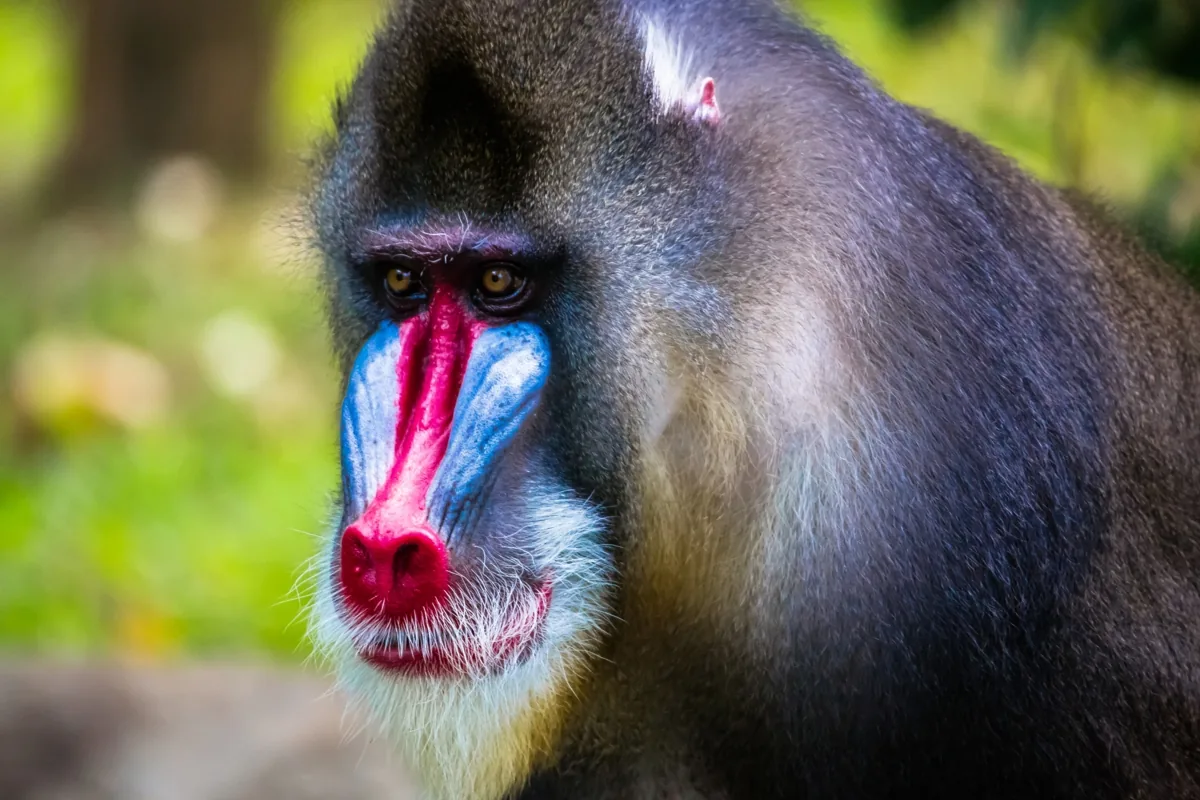
No, this is not a monkey wearing makeup! It has completely natural coloration, with a bright-red nose and white or blue stripes around it. The females are a little duller in color compared to the males.
Pigs
Although a common sight, pigs use their noses to find food like insects, worms, and rotten food waste. They have a tremendous sense of smell. This is possible because of the large round disk of cartilage at the tip of the snout.
Aardvarks
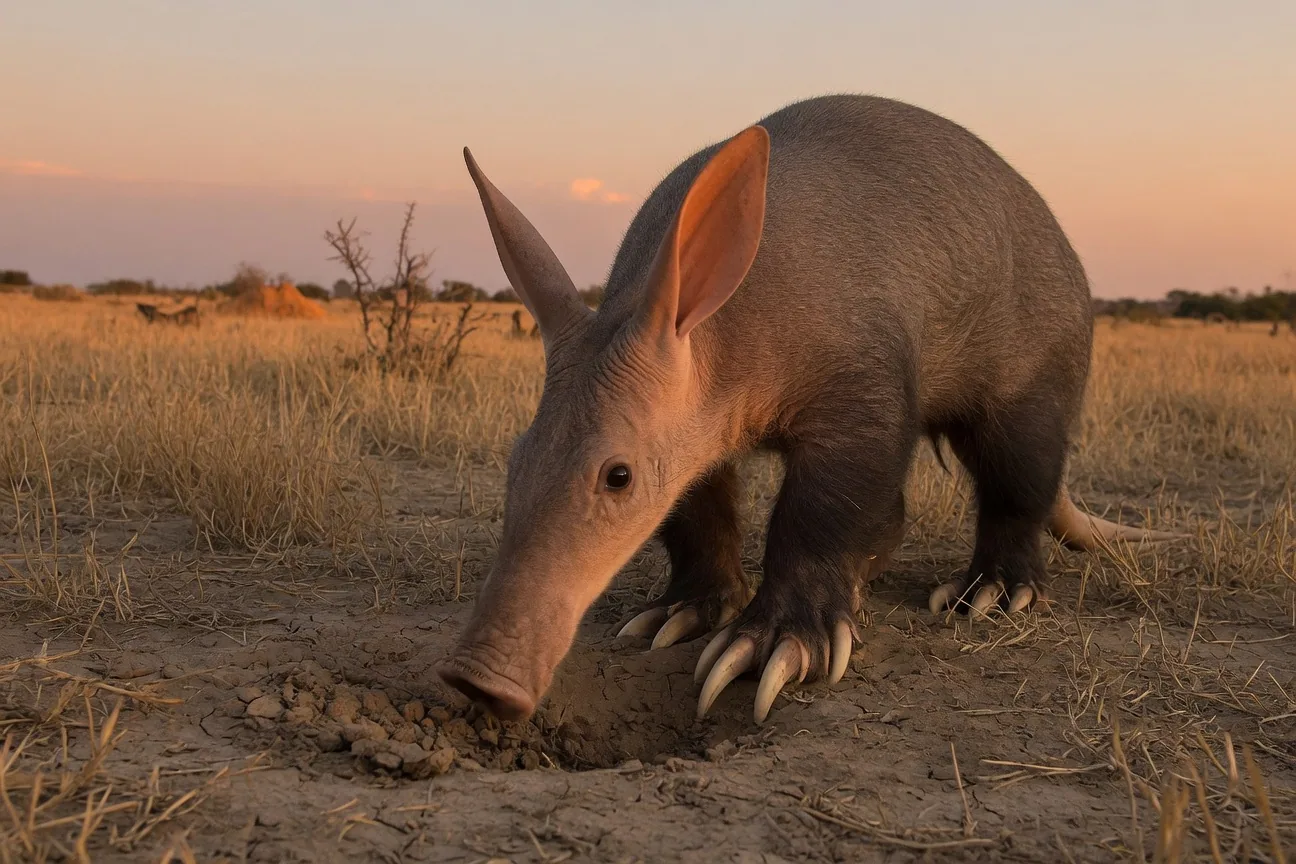
Translated as the 'Earth pig', this nocturnal animal is actually a relative of the elephant, not the pig. It uses its long, pig-like snout to sniff out food. It swings it side to side to pick up the scent of termites and ants.
Take the Strange Noses Quiz!
5 questions about the world's most bizarre animal noses. How many do you know?
Hammerhead Sharks
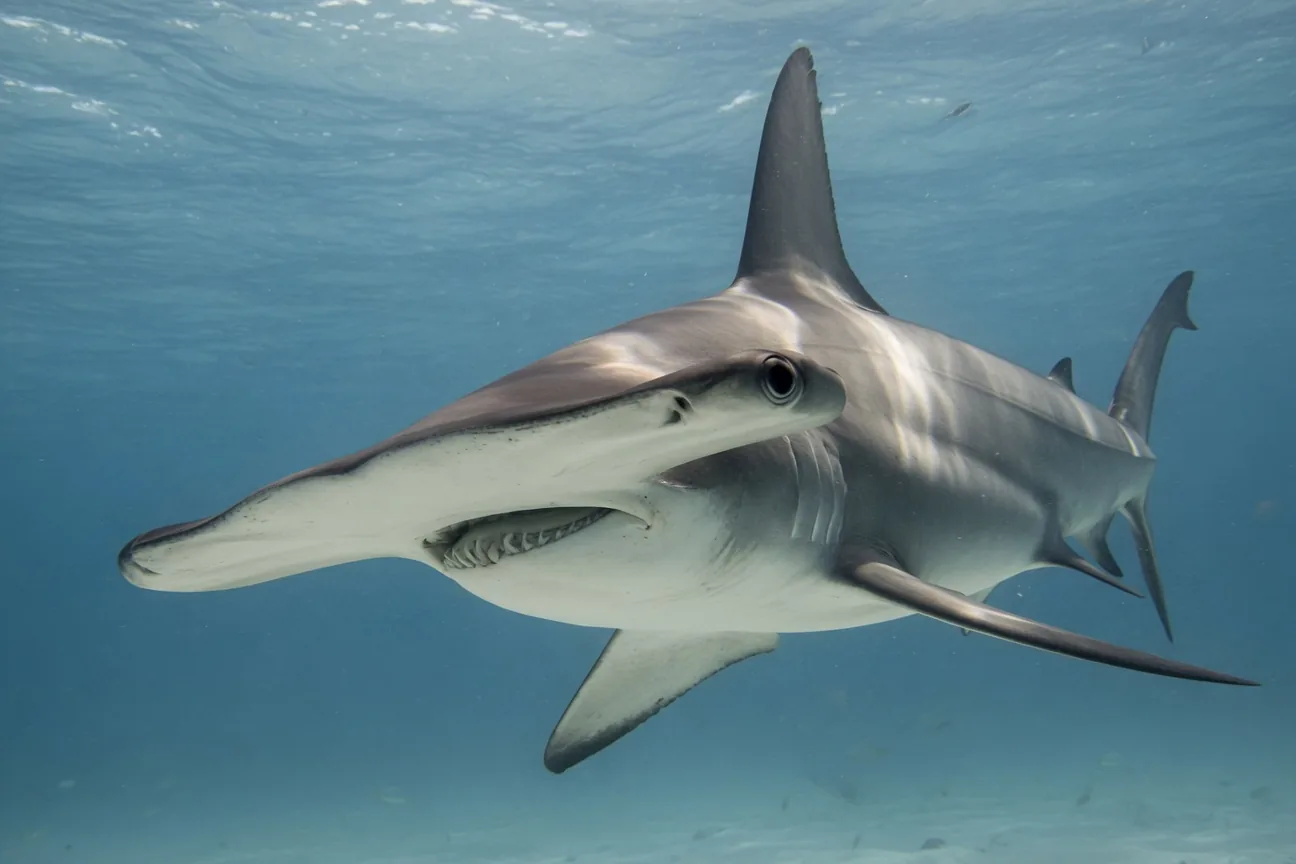
This unusual shark has a protruded nose that runs horizontally along its mouth. It includes the shark's nostrils, which are set further apart than on most sharks. But it does much more than just smelling.
This weird nose helps the shark hold down prey before eating, and lets it sense prey with better accuracy than other sharks. The distance between the nostrils helps it judge exactly which direction a smell is coming from.
Elephants
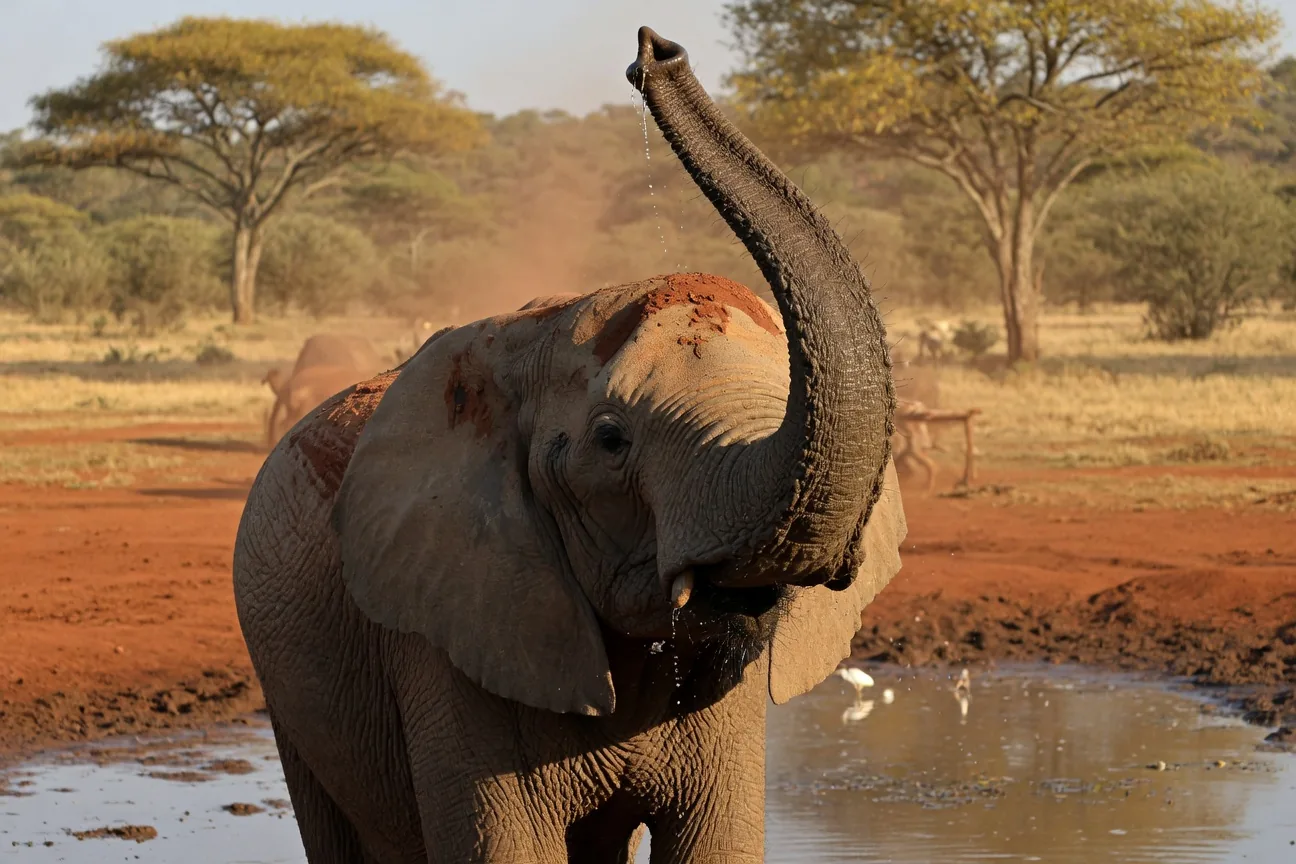
Have you ever tried drinking through your nose? We simply can't! But this huge mammal definitely can. Yes, we're talking about elephants and their amazing long trunks.
Trunks do much more than sniffing. An elephant can breathe, touch, taste, drink, and pick up branches with its trunk. It functions as a nose, a lip, and an additional hand all at once!
Elephant Seals
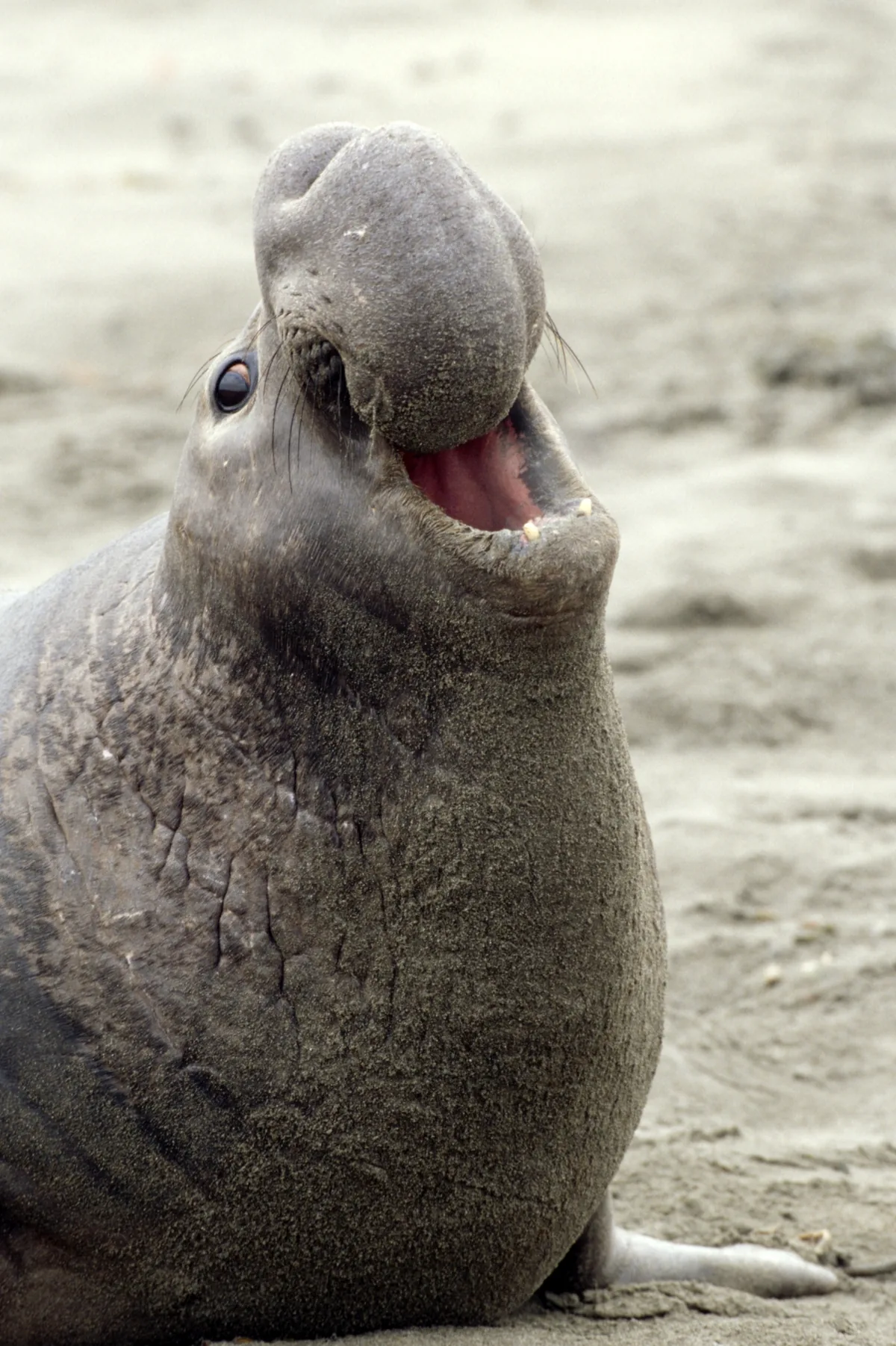
Elephant seals can be found all around the oceans. However, only the adult males have big noses. Those giant noses let them make thundering screams. The nose also helps them store water, which prevents loss of body fluids during the mating season, when they leave the beaches in search of food and water.
Water stored in a nose? We told you it just gets weirder!
Frequently Asked Questions
Which animal has the strangest nose in the world?
The star-nosed mole is widely considered to have the most unusual nose, it has 22 tentacles arranged in a star shape, and is also the fastest-eating mammal on Earth.
Why do proboscis monkeys have such huge noses?
Male proboscis monkeys use their large noses to attract females and to amplify their warning calls. The bigger the nose, the more impressive the male sounds to potential mates.
What does a hammerhead shark use its strange head for?
The hammerhead shark's wide, flat head positions its nostrils far apart, allowing it to detect the direction of smells more precisely. It also uses the head to pin down stingrays before eating them.
Elephant Shrews
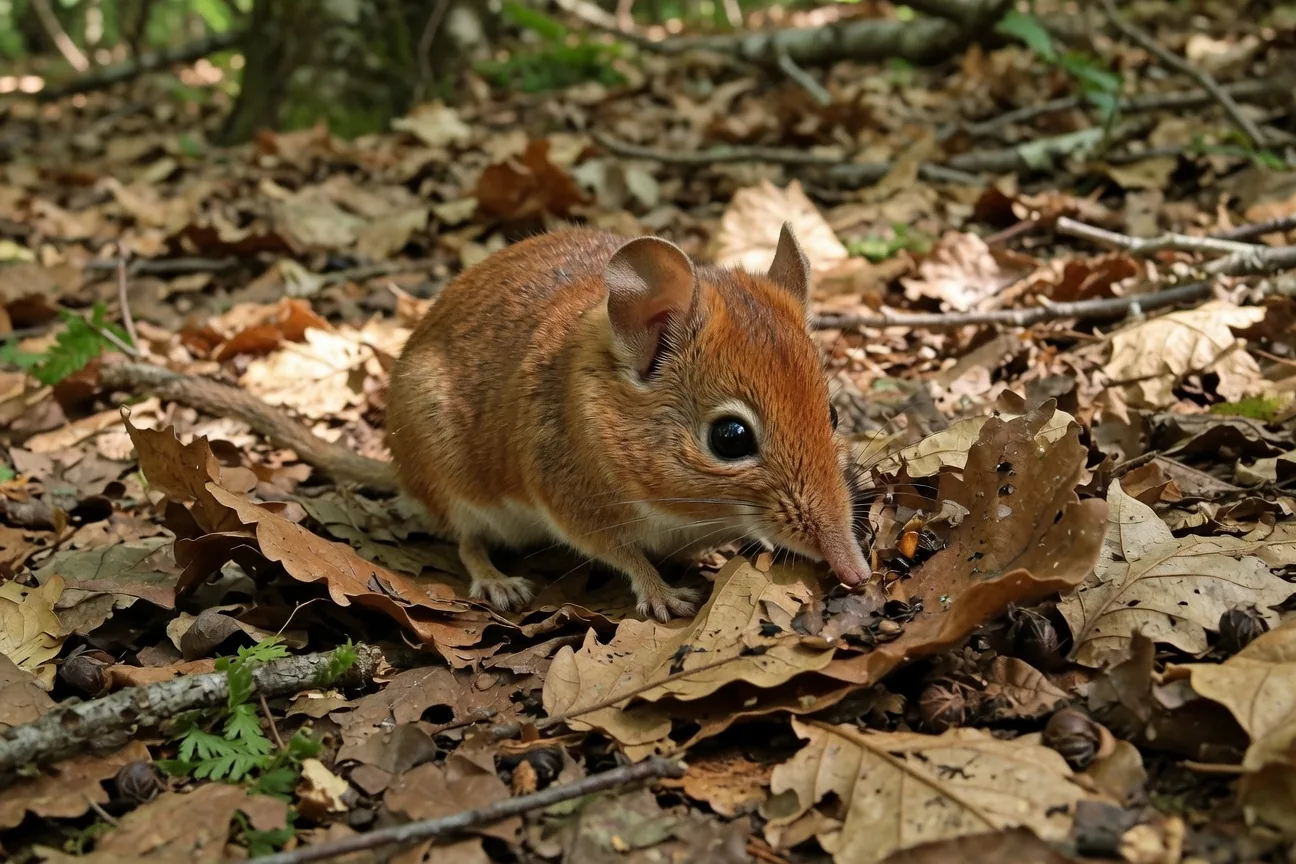
Another adorable animal! The elephant shrew is neither an elephant nor a shrew, but is related to both. It hunts for food on the ground using its long, active, and squirmy nose. Its diet mainly includes beetles and spiders.
Sawfish
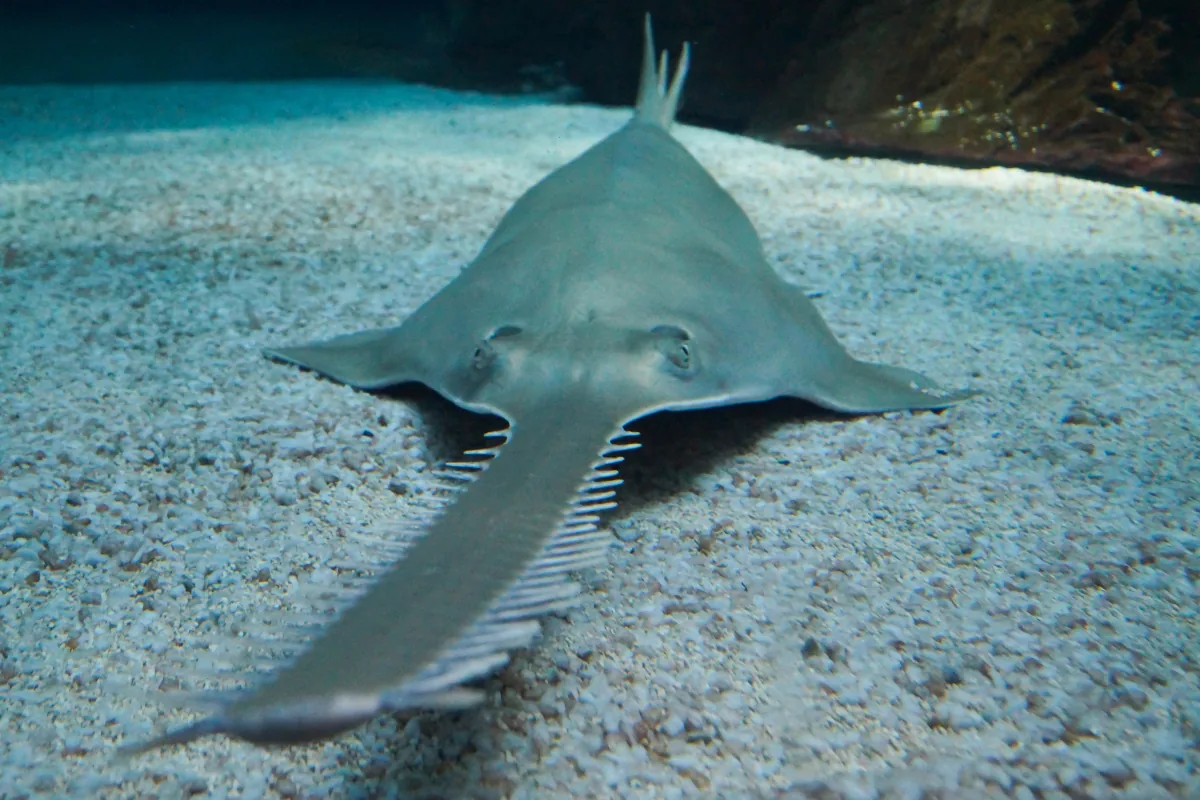
Also called the carpenter shark, the sawfish has a long, narrow, and flattened nose extension that resembles a saw. It is covered with electrosensitive pores. These pores detect the movement of nearby prey, and help the sawfish rummage through sandy or muddy water to catch them.
Unicorn Fish
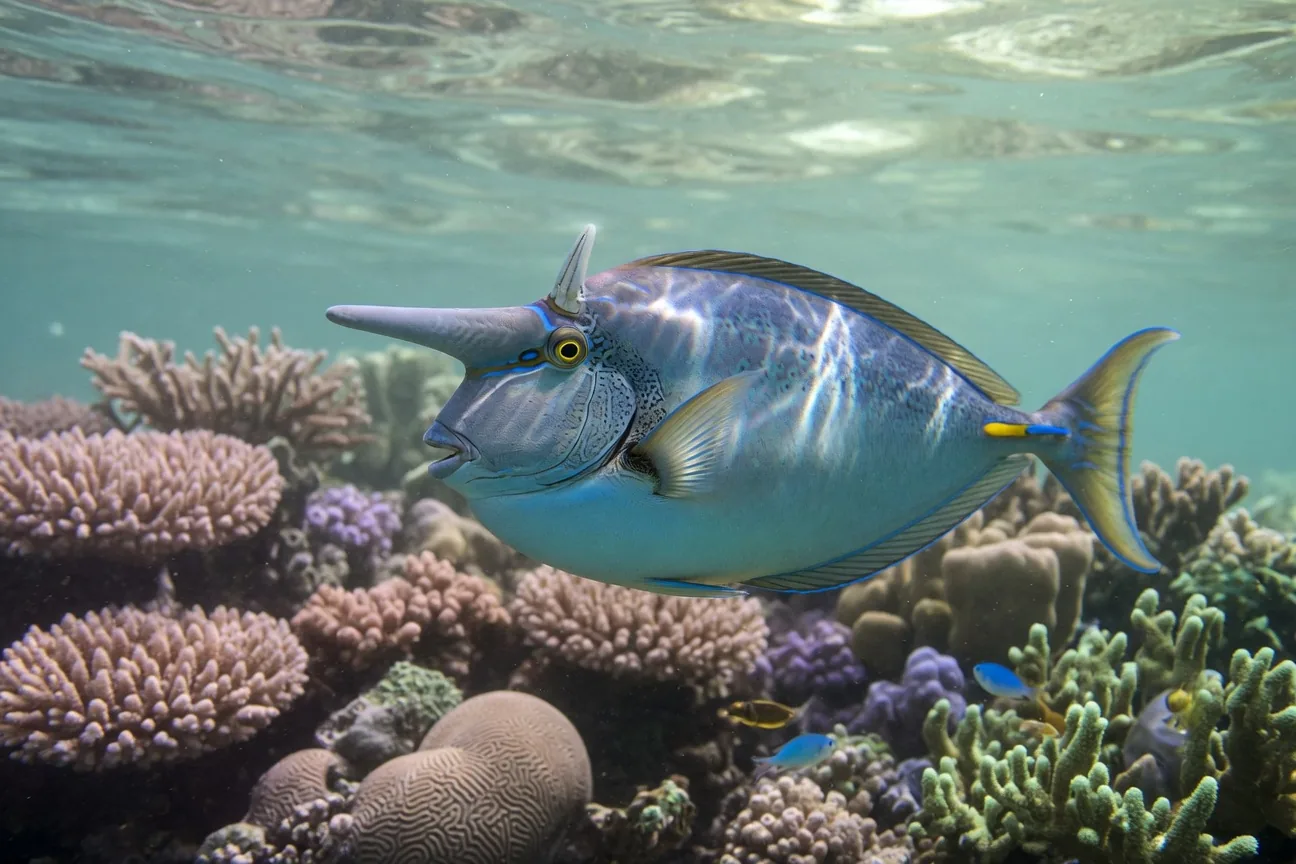
Probably one of the most unique-looking fish on Earth, the unicorn fish has a long, pointed nose like a horn, protruding forward of its eyes. It uses this horn to protect itself from predators.
Tapirs
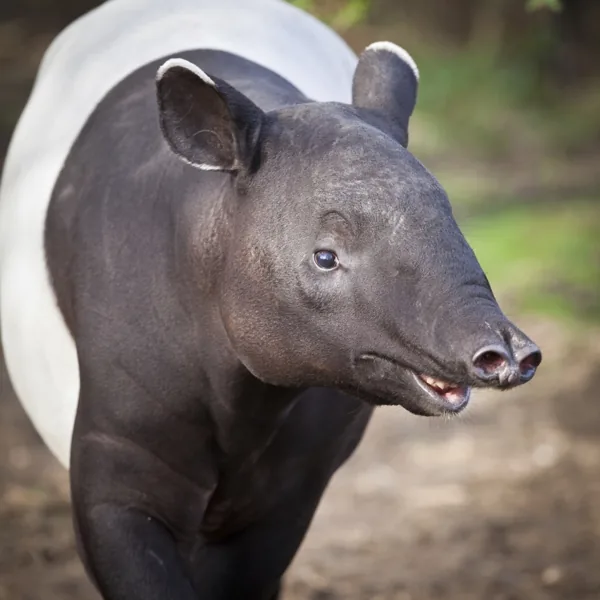
The prehensile snout of the tapir is a soft, long, and highly flexible part of its body. It can be bent and moved in all directions to search for food. It can also grab leaves and branches from low-level trees and bushes.
So, this was our list of animals with unusual noses. Whether you agree or not, nature was in a very creative mood when these creatures were made. Which one do you think was the weirdest? Feel free to drop a comment below!
Explore More Animals
 52 Animals with the Weirdest NamesEvolution has played cruel games with certain animals, making them the target of man's sense of humor. Here are some birds, animals, and insects with funny and
 Animals With an Amazing Sense of Smell: Unbelievable But TrueDo you think the human nose can detect the slightest odor? Think again. Discover the animals with the most powerful sense of smell on Earth, bears, sharks, blo
 Animals That Start With NFrom the needlefish and the nene to the naked mole-rat and the numbat, meet the amazing animals whose names begin with the letter N, with pictures and fun facts
 Animals With an Amazing Sense of TasteWe think that, as humans, we have a highly developed gustatory modality that helps us enjoy and relish a number of dishes. Think again, as some animals have an
 Fun fact for today!To compensate for poor eyesight and hearing ability, some animals like the star-nosed mole, water shrew, and rhinoceros have a sense of smell that is highly developed, which also helps them to hunt for food.