

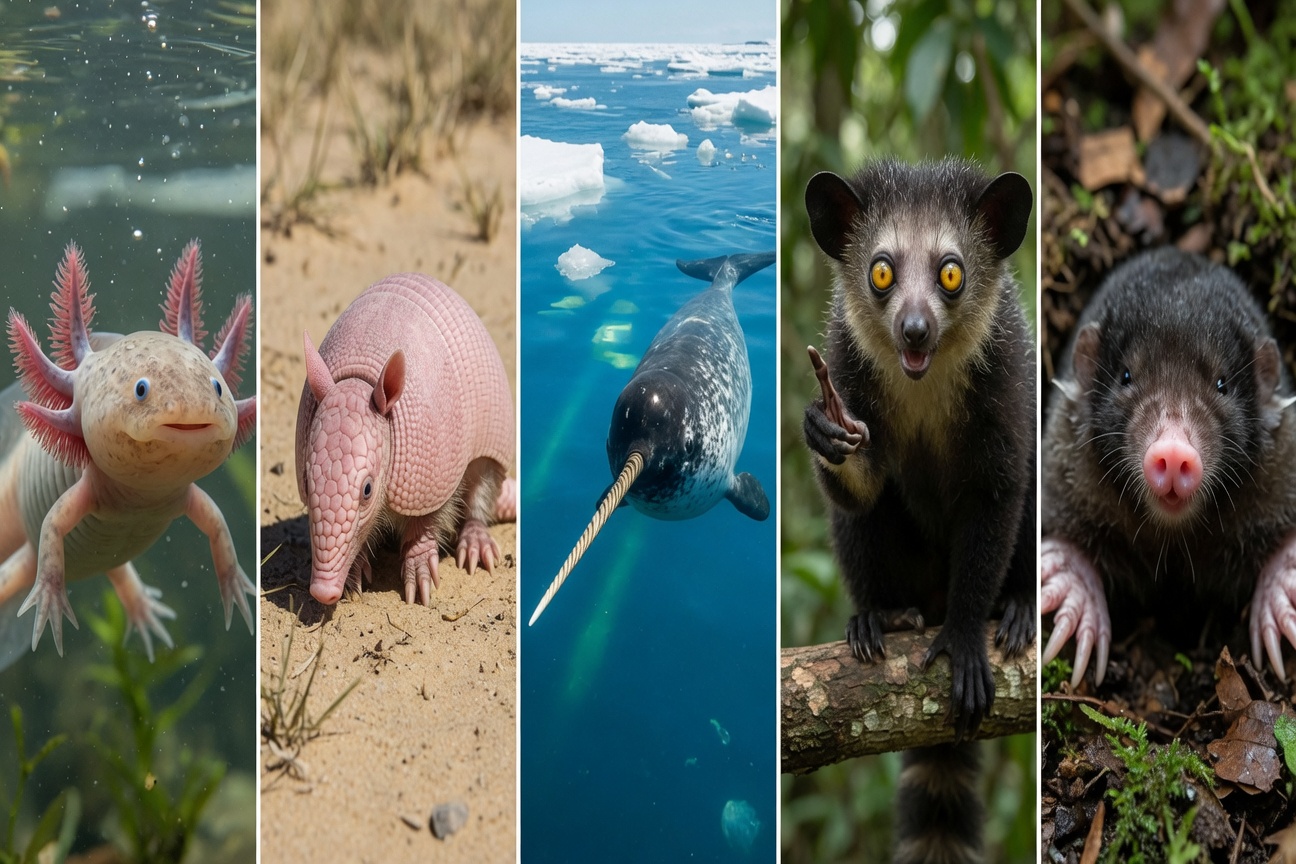
So what do they do? They get creative! Some scientists take inspiration from cartoons (like adorable flying elephants or fairies) and come up with names like "Dumbo octopus" and "Pink Fairy Armadillo." Others go for the obvious, like the "naked mole rat." And then there are those who let their imaginations run wild, producing names like Carmenelectra shechisme. Here are some amazing animals, birds, and insects with strange and funny names that you really have to read to believe!
Animals, Birds, and Insects with Funny Names
The 52 animals below were hand-picked for the sheer bizarreness, humour, or creativity of their official names, from the axolotl that never grows up to the animals with really strange noses that inspired similarly strange names. Each entry below gives the fun fact and native region straight from the original research.
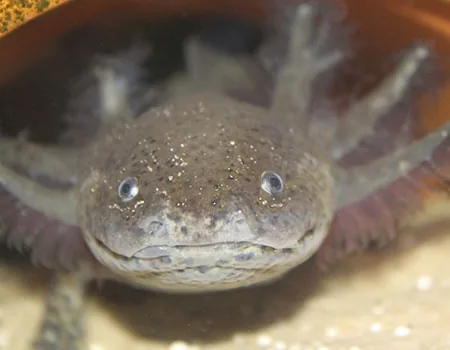
Axolotl
Fun Fact: This magnificent lake-dweller is almost extinct in the wild. These amphibians do not go through any metamorphosis, and remain young for their whole life.
Native Region: Central Mexico
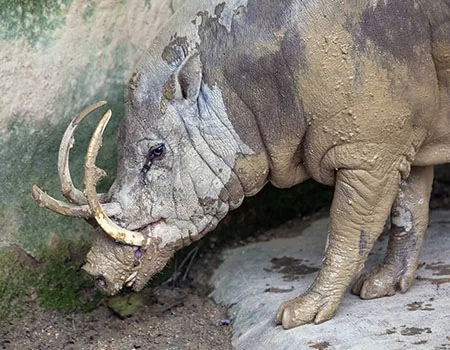
Babirusa
Fun Fact: Babirusa seems to have walked right out of a Greek myth. It has a looping tusk coming out of its mouth and from above its snout.
Native Region: Sulawesi
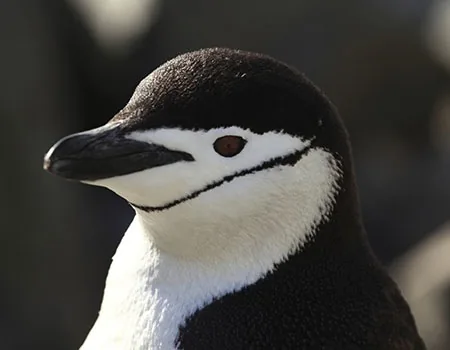
Chinstrap Penguin
Fun Fact: These penguins are known for their distinct thin line that runs from ear to ear, which gave them their name.
Native Region: Antarctica and South Sandwich Islands
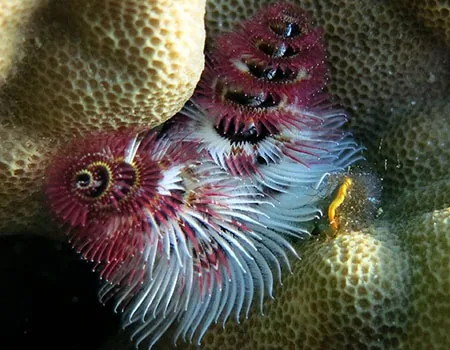
Christmas Tree Worm
Fun Fact: Christmas tree worms have a fascinating way of reproducing. Both the male and female send their eggs and sperm out into the water. The fertilized eggs then settle on corals and develop into larvae.
Native Region: Tropical coral reefs around the world
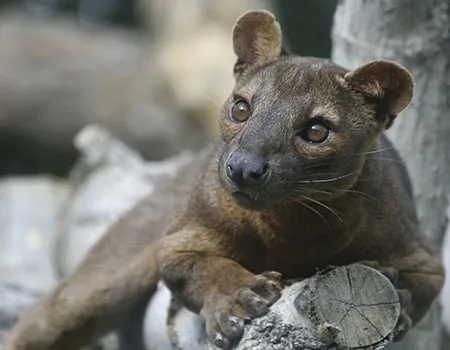
Fossa
Fun Fact: This solitary cat-like creature is in fact related to a mongoose. It is the largest carnivore and predator of the island.
Native Region: Madagascar
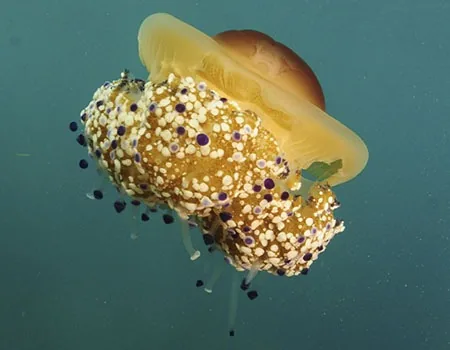
Fried Egg Jellyfish
Fun Fact: This jellyfish's bell can measure up to 24 inches across and is yellow or white. In the middle sits a yellow circle called the gonadal mass, which is exactly why it looks like a fried egg on a white plate!
Native Region: Worldwide
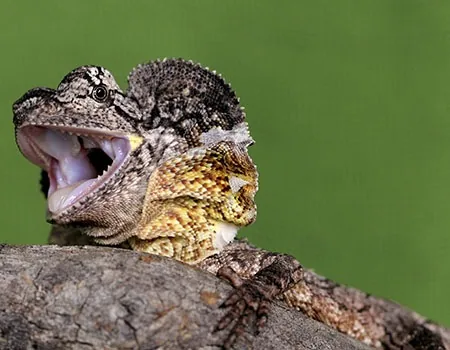
Frill-necked Lizard
Fun Fact: When these lizards feel threatened, they do not detach their tails. They derive their name because of their pleated skin flap on the necks which they flare out around their head when they feel threatened.
Native Region: Australia
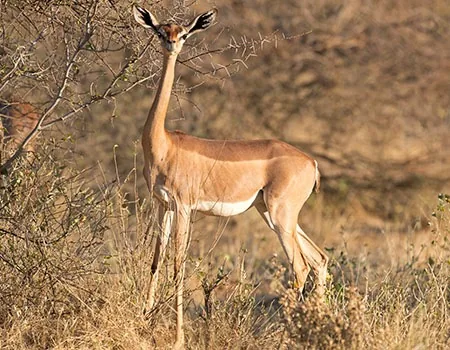
Gerenuk
Fun Fact: This antelope is easy to spot thanks to its long, slender neck and skinny legs. What makes it even more amazing is that it can stand up on its hind legs to reach leaves that other animals can't get to.
Native Region: Somalia, Tanzania, and Kenya
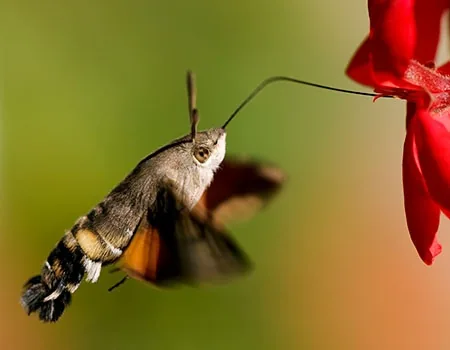
Hummingbird Hawk-moth
Fun Fact: This moth's unique ability to fly and hover like a hummingbird gives it its name.
Native Region: Europe, North Africa, and Asia
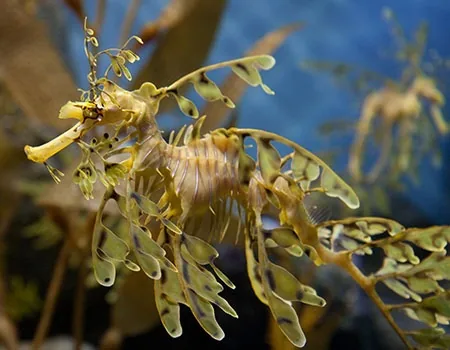
Leafy Seadragon
Fun Fact: The leafy seadragon looks just like a drifting piece of seaweed, perfect camouflage! This strange little creature has neither teeth nor a stomach. It feeds entirely on Mysidopsis shrimp.
Native Region: Australia
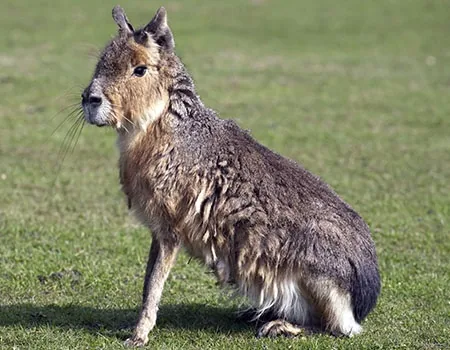
Patagonian Mara
Fun Fact: Patagonian maras look like giant rabbits or miniature deer, but in reality, they are rodents. They often live in monogamous pairs and mate a couple of times each year.
Native Region: Argentina
More Wonderfully Weird Names
The animals above have recovered photos, but the name game goes much deeper. Here are the rest of our 52, each one just as wild as the last.
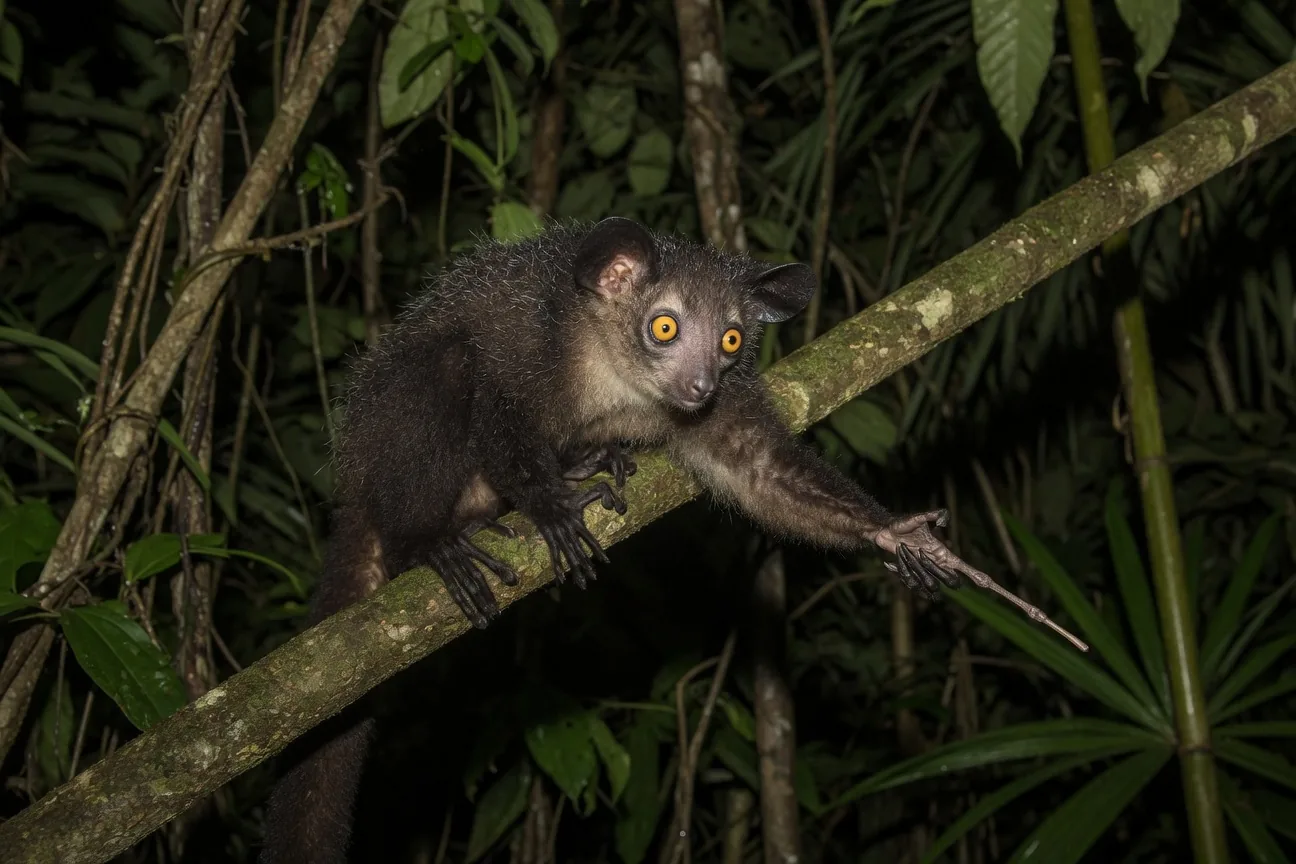
Aye-aye
Fun Fact: The aye-aye is believed to be a bad omen in its native land, and is thus killed on sight. Thus, it is a threatened species.
Native Region: Madagascar
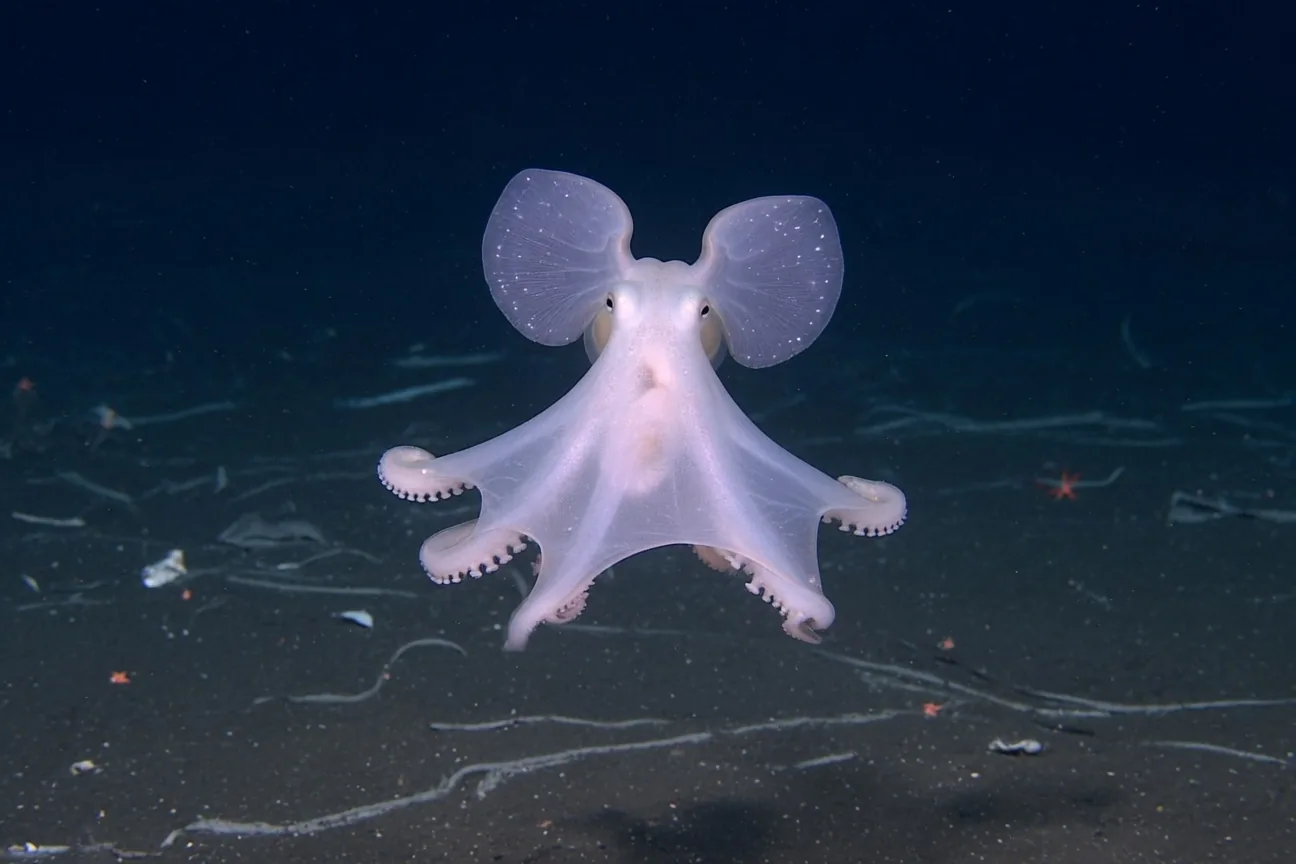
Dumbo Octopus
Fun Fact: Dumbo octopuses derive their name because of their unique fins that look like ears on top of their head, which resemble the ears of Walt Disney's lovable flying elephant, Dumbo.
Native Region: Monterey Bay, New Zealand, and Australia
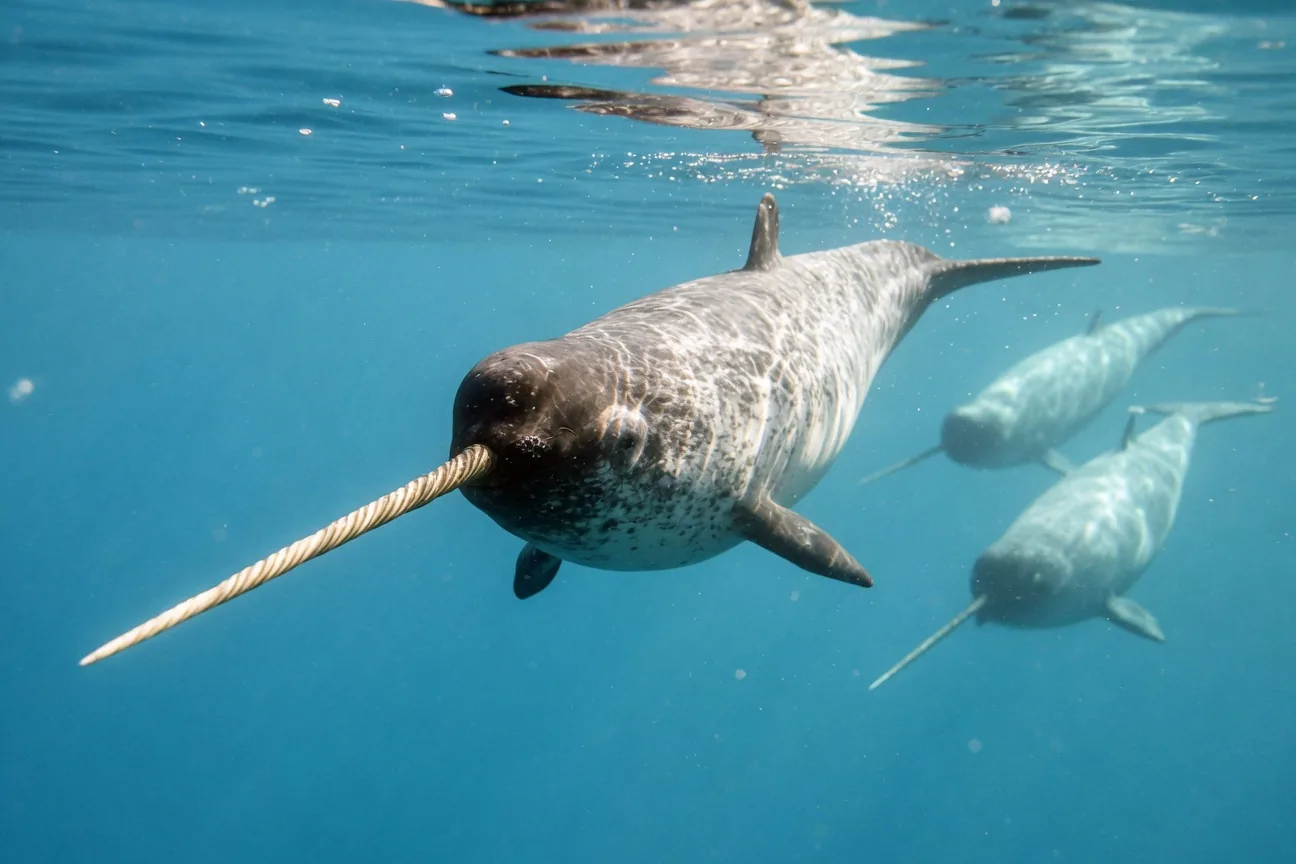
Narwhal
Fun Fact: Narwhals are the unicorn of the sea. They have two teeth. The prominent tooth grows into a spiral tusk that goes up to 8.8 feet.
Native Region: Arctic Ocean
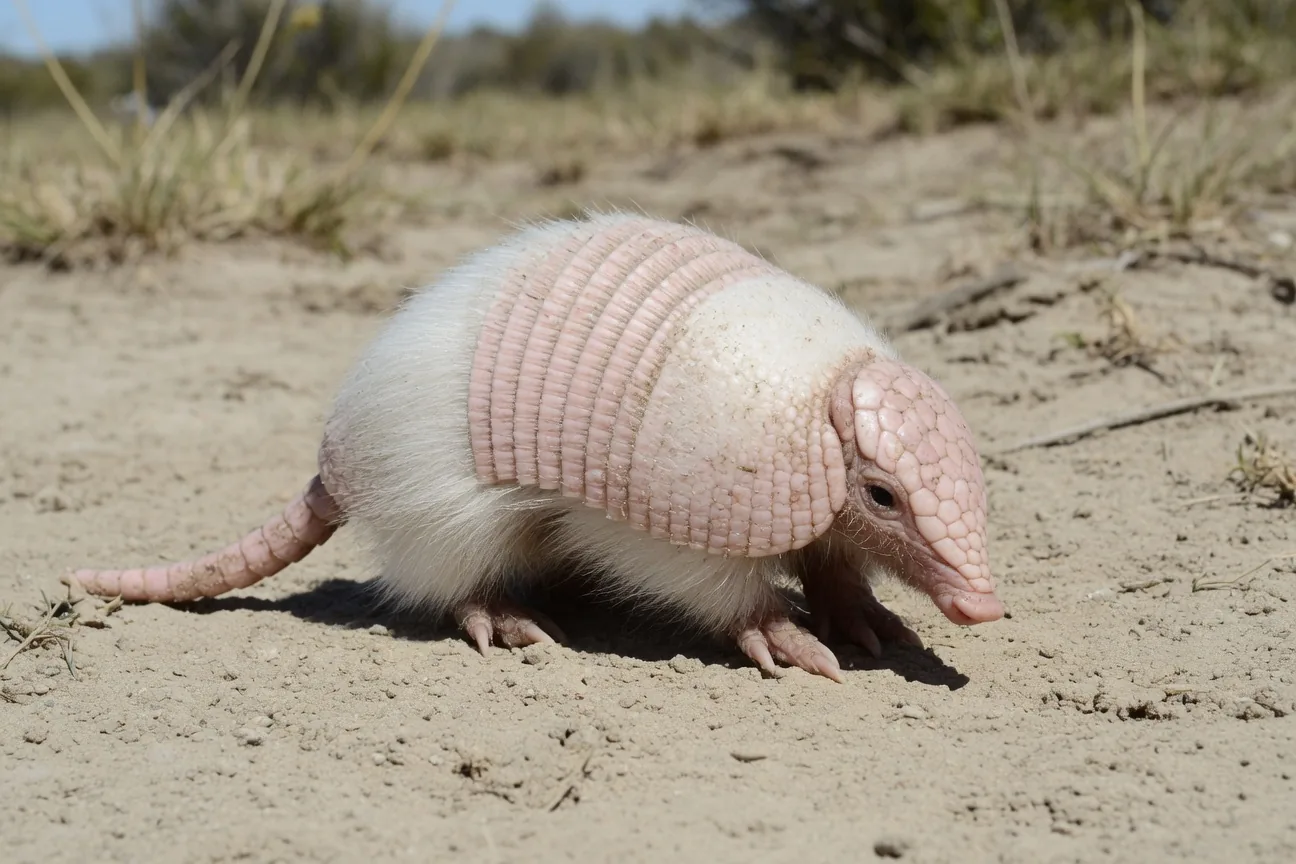
Pink Fairy Armadillo
Fun Fact: Pink fairy armadillos look like ear-less rabbits wearing an armadillo shield and gloves. The Chlamyphorus truncatus are the smallest of the armadillos at only 10 cm in length.
Native Region: Argentina
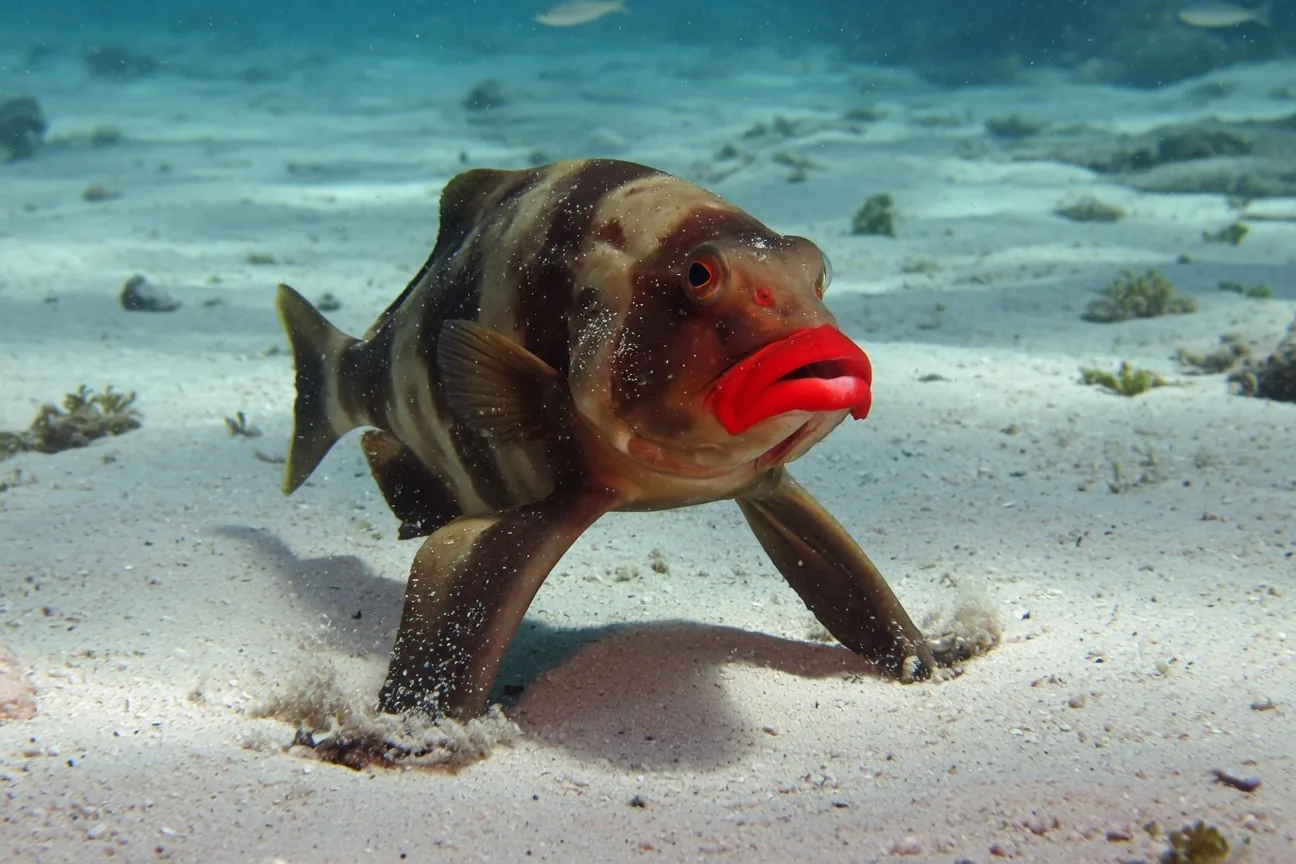
Red-lipped Batfish
Fun Fact: These strange-looking fish have a long and sharp nose and lips that look like they are wearing too much of scarlet red lipstick. They are horrible swimmers and crawl on the ocean floor.
Native Region: Cocos Island, Costa Rica
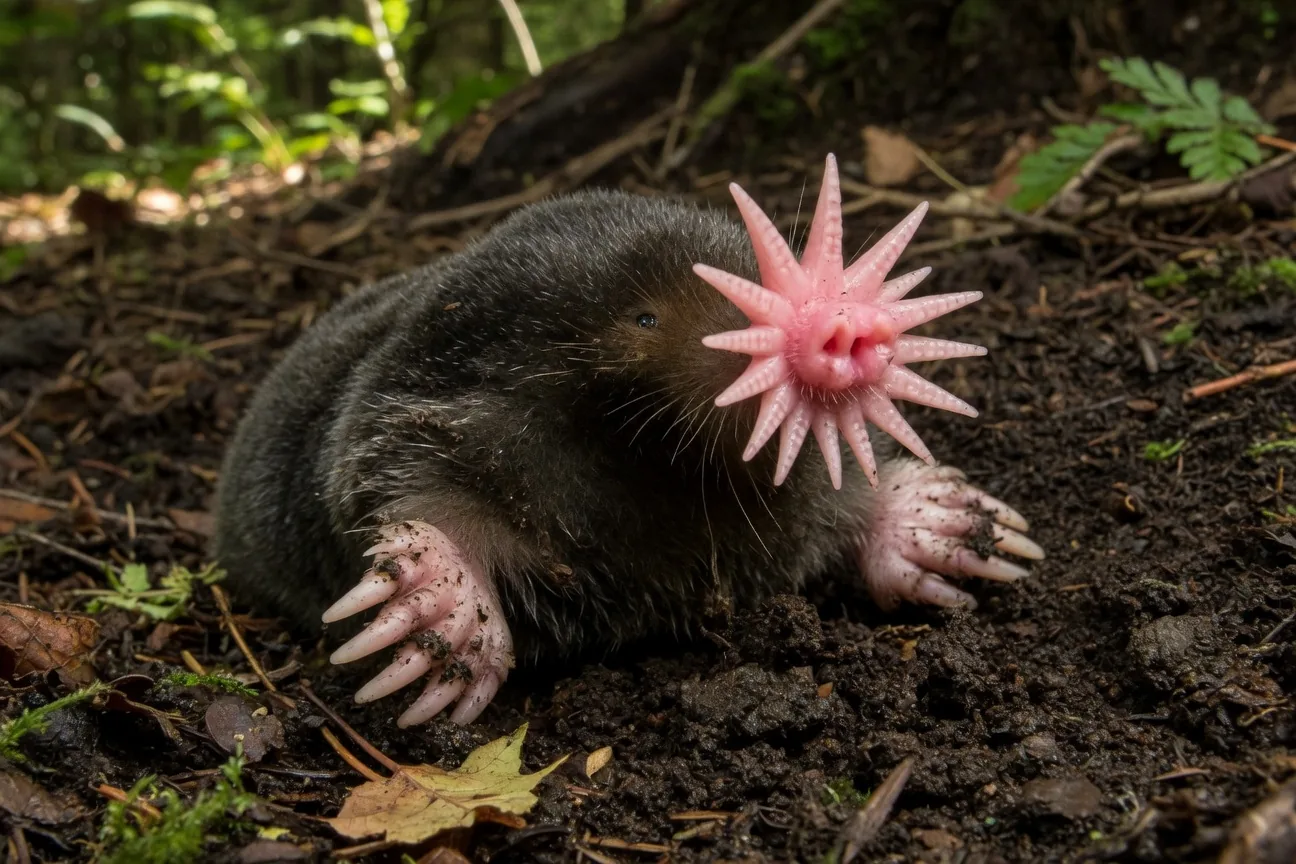
Star-nosed Mole
Fun Fact: Star-nosed mole is named so because it has around 22 small, fleshy, hairless tentacles that resemble a star.
Native Region: North America
Take the Weirdest Names Quiz!
5 quick questions. How well do you know these wonderfully strange animals?
Puns, Pranks & Scientific Jokes
Some scientists clearly had a sense of humour when filling out the paperwork. These names are punny, absurd, or dedicated to celebrities, and every single one is the official scientific name.
Agra vation
Fun Fact: Agra vation is a beetle that has around 40,000 species, and they come from the Carabidae family.
Native Region: The Carabidae family is found in the regions of Brazil, Colombia, and Peruvian Amazon
Aha ha
Fun Fact: The insect was named by entomologist Arnold Menke who received it as an insect specimen from a colleague and exclaimed "Aha!"; hence the name.
Native Region: Australia
Calponia harrisonfordi
Fun Fact: This spider was found by the arachnologist Norman I. Platnick who named it after actor Harrison Ford, as a token of his appreciation for narrating his documentary.
Native Region: California
Carmenelectra shechisme
Fun Fact: This is an extinct genus that was found preserved in the Baltic amber. The fly was found by Neal Evenhuis, who named the insect after Carmen Electra, and yes, it is pronounced as 'Carmen Electra She Kiss Me!'
Native Region: Baltic region
Pieza kake
Fun Fact: This is no piece a cake, but a small furry fly. Pieza is derived from the Greek word piezos meaning squeeze, referring to the shape of the female fly.
Native Region:,
Parastratiosphecomyia stratiosphecomyioides
Fun Fact: A very large name indeed, which belongs to a species of soldier fly. The name comes from Ancient Greek, meaning 'Near Soldier Wasp Fly'.
Native Region: India
Deep-Sea Oddities
The ocean is a remarkable source of weird names. These creatures live in the dark, the deep, or just really strange habitats, and their names say it all. See also: amazing facts about the mimic octopus, another ocean master of disguise.
Angler Fish
Fun Fact: Angler fish live in the depths of oceans. There are over 200 species of angler fish.
Native Region: Icelandic waters, Mediterranean Sea, and eastern Atlantic
Blob Sculpin / Blobfish
Fun Fact: Blob sculpins look like they crawled straight out of a horror story! Their droopy, sad-looking faces are oddly similar to ours. Add a tadpole-shaped body with a huge bulbous head, and you've got what looks like a creepy floating head staring back at you.
Native Region: Gorda Escarpment, off Northern California
Bone-eating Snot-flower Worm
Fun Fact: The bone-eating snot-flower worm feeds on the bones of dead fish and animals that sink to the ocean floor. Amazingly, these creatures have no mouth, no gut, and no anus. Instead, bacteria that live on the worm break down the bones and provide the worm with all the nutrients it needs.
Native Region: Oregon to South California, Japan, Papua New Guinea, off Antarctica, New England
Goblin Shark
Fun Fact: Goblin sharks are sometimes called vampire sharks because they hate sunlight and mostly swim near the ocean floor. Their creepy name comes from the distinctive shape of their long, flat snout. Because they live so deep, very little is known about them.
Native Region: Japan, the Pacific Ocean, the Gulf of Mexico, and the Atlantic Ocean
Hagfish
Fun Fact: The hagfish lives deep at the bottom of the ocean, a bit like an eel. It has no jaws, no spine, and no scales. Its eyesight is poor too, so it relies almost entirely on its sense of smell to get around.
Native Region: North and South Pacific Ocean
Ice Cream Cone Worm
Fun Fact: Ice cream cone worms build a cone-shaped tube by gluing grains of sand together, then live inside it. As the worm grows, so does its sandy home.
Native Region: U.S., Atlantic, and Pacific Ocean
Irrawaddy Dolphin
Fun Fact: This dolphin gets its name from the Irrawaddy River that it is found in.
Native Region: Philippines, Northeastern part of India
Pacu
Fun Fact: Pacu fish have human-like teeth that they use to crack open nuts, which is why they're nicknamed the "nutcracker fish." They are also known by a rather more alarming nickname due to their territorial behavior.
Native Region: Papua New Guinea, Sweden, South America
Pigbutt Worm
Fun Fact: The scientific name is Chaetopterus pugaporcinus, easier to remember once you know what it looks like! This worm has inflated body segments that look just like a pig's rear end. It catches food by releasing a mucus cloud into the water. Yes, pig butt and mucus cloud, scientists definitely have a sense of humour.
Native Region: Deep seas
Sarcastic Fringehead
Fun Fact: This foot-long fish is enough to give anyone nightmares. It has an enormous mouth that springs open wide to intimidate rivals and snap up prey.
Native Region: Pacific coast of North America
Sea Pig
Fun Fact: Sea pigs are plump and oval-shaped, with stubby puffy legs and pinkish bodies. Their name is pretty self-explanatory once you see a photo!
Native Region: Seafloor
Slippery Dick
Fun Fact: Slippery dick or Halichoeres bivittatus is an ocean-dwelling fish from the Labridae family.
Native Region: Western Atlantic
Tasselled Wobbegong
Fun Fact: The tasselled wobbegong is an unusual-looking shark with mosaic marking of dark narrow lines and spots with tassels of skin on the outer edge.
Native Region: Indian Ocean, Indonesia, Papua New Guinea, and Australia
Wunderpus photogenicus
Fun Fact: This octopus can drop an arm when under threat or attack to escape from its predator. It is later able to regenerate its lost body part.
Native Region: Philippines, Solomon Islands, and Papua New Guinea
Odd Names on Land
Weird names aren't just a deep-sea thing. Here are the land and freshwater animals that made our list, from Australia's flap-neck performers to the smallest armadillo on Earth.
Echidna
Fun Fact: An echidna has spikes like a porcupine, lays eggs like a reptile, but carries its offspring in a pouch like a kangaroo.
Native Region: Australia, Tasmania, and New Guinea
Flamingo Tongue Snail
Fun Fact: The flamingo tongue snail feeds on toxic sea fans, incorporates their venom, and becomes toxic itself.
Native Region: Atlantic and Caribbean coral reef
Glaucus atlanticus
Fun Fact: Glaucus atlanticus is also known as blue glaucus, one of the two species from the family of Glaucidae. This little critter floats upside down on the surface of the sea.
Native Region: Pacific Ocean and Indian Ocean
Gobi Jerboa
Fun Fact: These are nocturnal mice-like rodents with very long hind legs, a long tufted tail, and enormous ears.
Native Region: Mongolia and China
Hellbender
Fun Fact: This creature sounds like it stepped right out of a comic book! Hellbenders are the largest aquatic salamanders in the U.S. and the third largest in the world. They also go by some great nicknames: devil dogs, mud cats, and snot otters.
Native Region: United States of America
Kakapo
Fun Fact: Kakapos are also known as owl parrots. These are large, ground-dwelling, flightless parrots. These rarely-seen parrots are nocturnal in nature.
Native Region: New Zealand
Monkeyface Prickleback
Fun Fact: Monkeyface prickleback is also known as Monkeyface eel, though it is intact as a fish.
Native Region: Pacific coast of North America
Naked Mole Rat
Fun Fact: Naked mole rats are famous for their hairless, wrinkled, tube-shaped bodies. They live in colonies a lot like insects, there's a queen who is the only female that breeds and has young.
Native Region: East Africa
Oedipina complex
Fun Fact: Oedipina complex, although a psychological term, is a type of salamander. Lungs of these creatures have been replaced by gills.
Native Region: South and Central America
Olm
Fun Fact: Olms are also called proteus or human fish because their skin color is similar to human skin tone. What's even more fascinating about them is that they are blind.
Native Region: European lakes
Penis Snake
Fun Fact: The Atretochoana eiselti gets its unique name from its unusual appearance. Contrary to what its name suggests, this creature is not a reptile, but is closely related to salamanders and frogs.
Native Region: Brazil
Planthopper Nymph
Fun Fact: This tiny creature has a sparkly colorful tail, which looks like fireworks.
Native Region: South Africa
Pleasing Fungus Beetle
Fun Fact: This cheerful little beetle comes in orange, red, and black. It feeds on fungi (mainly mushrooms) which is exactly where it gets its "pleasing" name.
Native Region: U.S.A.
Sunda Colugo
Fun Fact: Sunda colugos are also known as Sunda Flying Lemur. They have blunt snouts and dense mottled fur.
Native Region: Indochina and Sundaland
Umbonia spinosa
Fun Fact: This is a thorny bug often seen as a pest on fruit and ornamental trees. They cause a lot of damage by sucking the sap and making cuts, causing the tree to bear twig death.
Native Region: U.S.A.
Honorable Mentions
There are many more in this long list of animals with funny names, some of which are Apopyllus now (spider), Ba humbugi (snail), Eubetia bigaulae (you betcha by golly, a moth), Pison eyvae (wasp), Lalapa lusa (wasp), Vini vidivici (parrot), etc. With names such as these, you can't help but be thankful that these animals can't talk to us directly!
Explore More Animals
 14 Animals With Really Strange Noses You Won't Believe are RealWe always wonder what was Mother Nature thinking when she decided to make certain animals look weird, and sometimes even creepy, especially their noses. In this
 Animals That Start With NFrom the needlefish and the nene to the naked mole-rat and the numbat, meet the amazing animals whose names begin with the letter N, with pictures and fun facts
 Different Types of Lizards: A Field Guide to 26 FamiliesMeet 26 families of lizards - agamas, geckos, chameleons, iguanas, Komodo dragons and more - with photos, where they live, what they eat, and one amazing fact f
 Types of Frogs and Toads: A Complete Picture GuideFrom the tiny Paedophryne to the giant goliath frog, discover all the main types of frogs and toads, with pictures, quick facts, and a quiz for kids.

 Fun fact for today!Entomologist Paul Marsh named two wasps Heerz tooya (Here's to ya) and Heerz lukenatcha (Here's lookin' atcha)!