

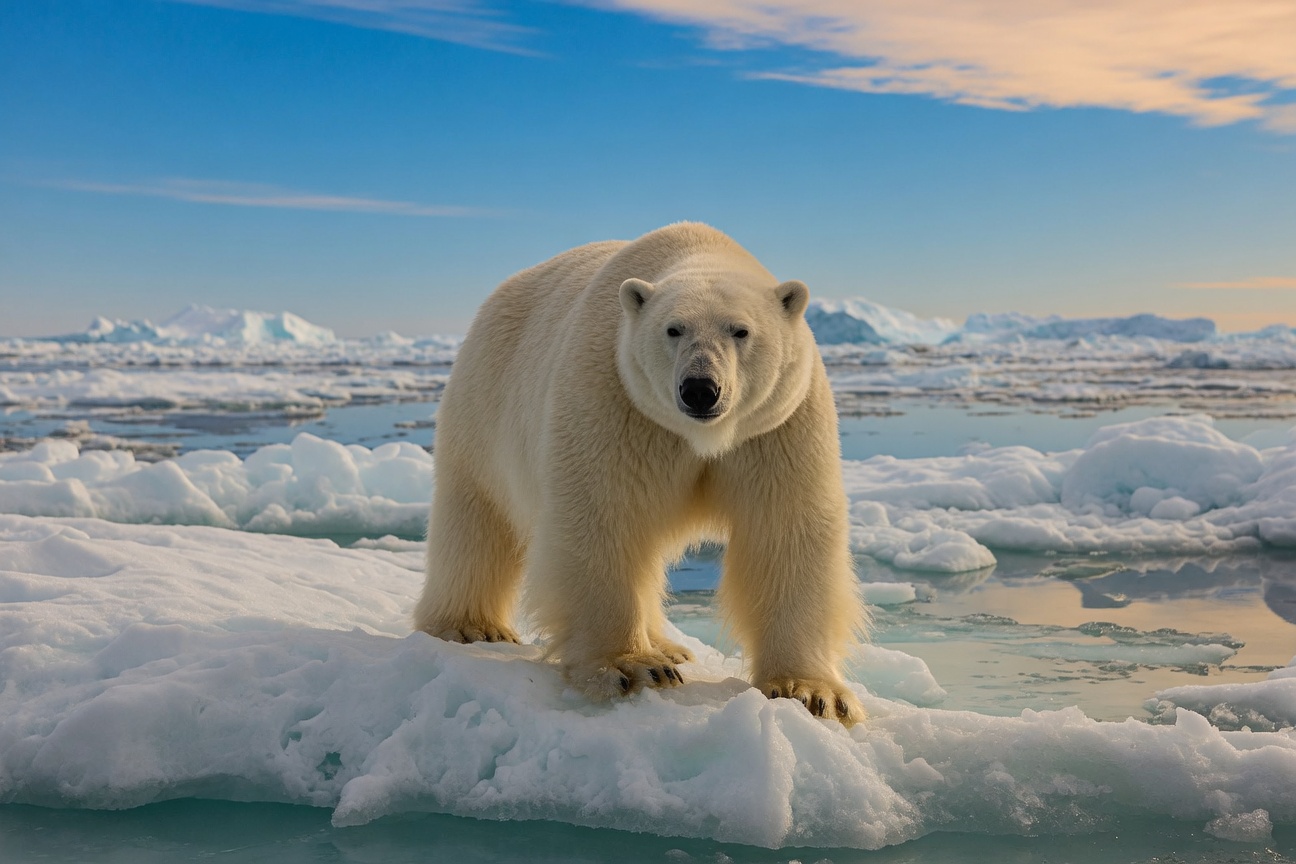
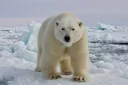
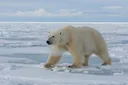
Polar bears (Ursus maritimus) are the largest land carnivores on Earth. They live only in the Arctic region, spending most of their lives on sea ice. Like many Arctic animals, they have developed remarkable adaptations to survive the cold.
According to the International Union for Conservation of Nature (IUCN), only 20,000 to 25,000 polar bears exist in the world today. Of those, about 60% live in Canada.
In 2006, the IUCN changed the polar bear's status from "Least Concern" to "Vulnerable." The reason: scientists predicted the global polar bear population could drop by more than 30% over the next four to five decades if warming trends continued.
Polar bears live across the Arctic in five countries: Canada, Alaska (United States), Norway, Russia, and Greenland (Denmark). Each of those countries also has its own classification for polar bears.
Countries and the Status Of Endangerment Of Polar Bears
How a country classifies polar bear risk depends on local population data. Here's how each of the five polar bear countries rates them:
| Country | Status |
|---|---|
| Russia | Uncertain |
| Norway | Vulnerable |
| Denmark (Greenland) | Vulnerable |
| United States (Alaska) | Threatened |
| Canada | Species At Risk |
In total, there are 19 subpopulations of polar bears. Seven of those are thought to be declining. Canada alone is home to 13 of these subpopulations, and four of them are at risk of declining. The trouble is that there isn't enough data on each subpopulation to know exactly how each one is doing.
When did the concern for polar bears begin?
In the 1960s, the first international scientific meeting on polar bears was held. It brought together representatives from the five countries that are home to polar bears: Canada, the United States, Greenland (Denmark), Norway, and Russia.
That meeting sparked serious efforts to protect polar bears. In 1973, all five countries signed the International Agreement on the Conservation of Polar Bears and their Habitat. The agreement aimed to control commercial hunting.
Years later, a scientific paper published in the 2006 issue of the journal Polar Biology changed everything. Biologist Charles Monnett and contributor Jeffrey Gleason reported the deaths of four polar bears. The bears had been found floating in the sea.
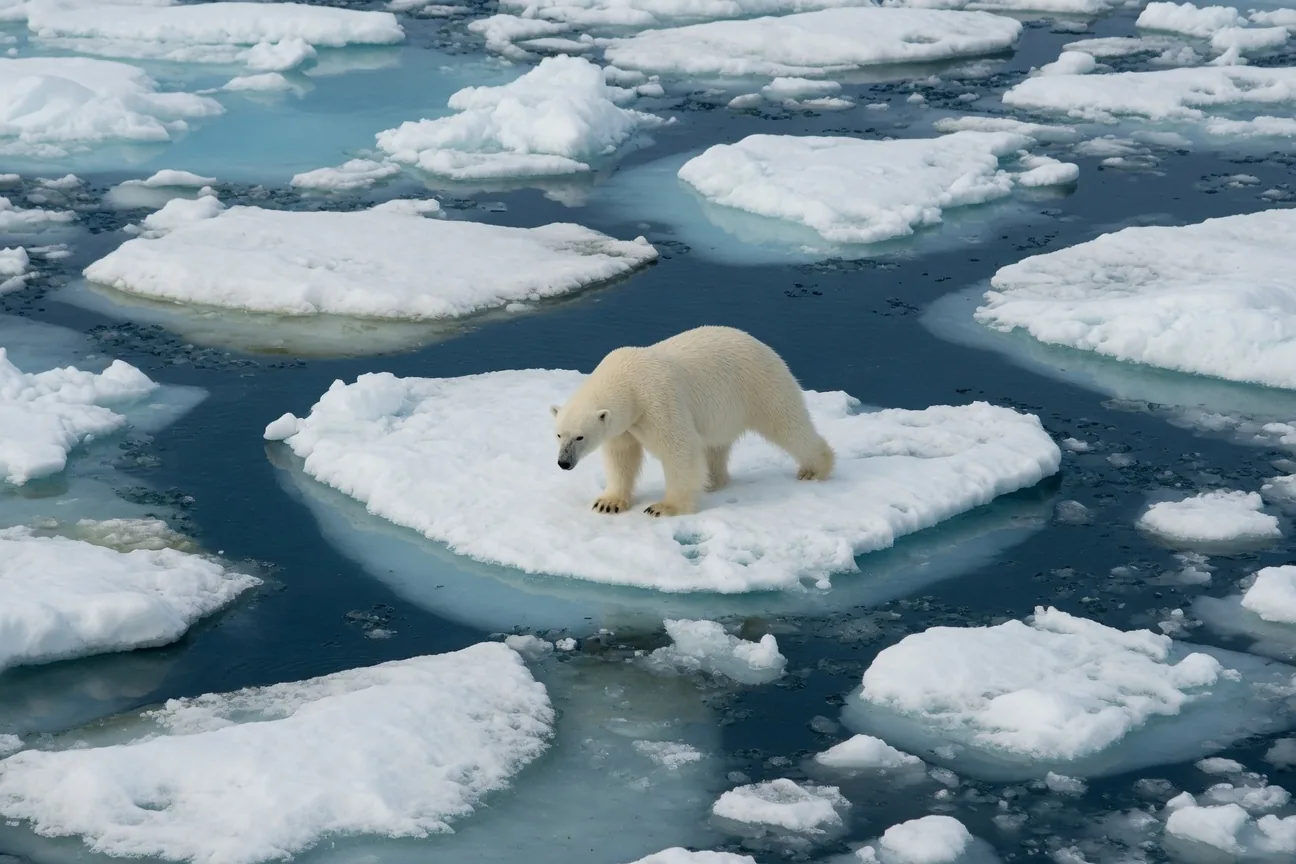
Monnett believed the bears had drowned from exhaustion. His argument: global warming had melted so much Arctic ice that the gaps between ice floes were getting wider. The bears had to swim much further than their bodies could handle.
The paper caused a huge stir. It led to polar bears being listed as protected species under the Endangered Species Act. The Inuits, however, disagreed with that conclusion.
Take the Polar Bears Quiz!
5 quick questions. How much do you really know about polar bears and conservation?
Polar Bear Population Puzzle
The debate between scientists and the Inuit people over polar bear numbers has been going on for years. One side says bear numbers are rising and there's no clear link between polar bear populations and global warming. The other side says melting ice is pushing them toward extinction.
The Inuits have long defended their view by pointing to hunters who report seeing large numbers of bears. Scientists, meanwhile, kept warning that melting sea ice was reducing polar bear populations. Then, in 2010, a Nunavut government survey changed the conversation.
That survey covered 8000 km by aerial survey and found polar bears were not in the crisis many believed. Scientists had predicted the number of bears along the western shore of Hudson Bay would drop to 613. Instead, the actual count came in at 1,013, and possibly even higher.
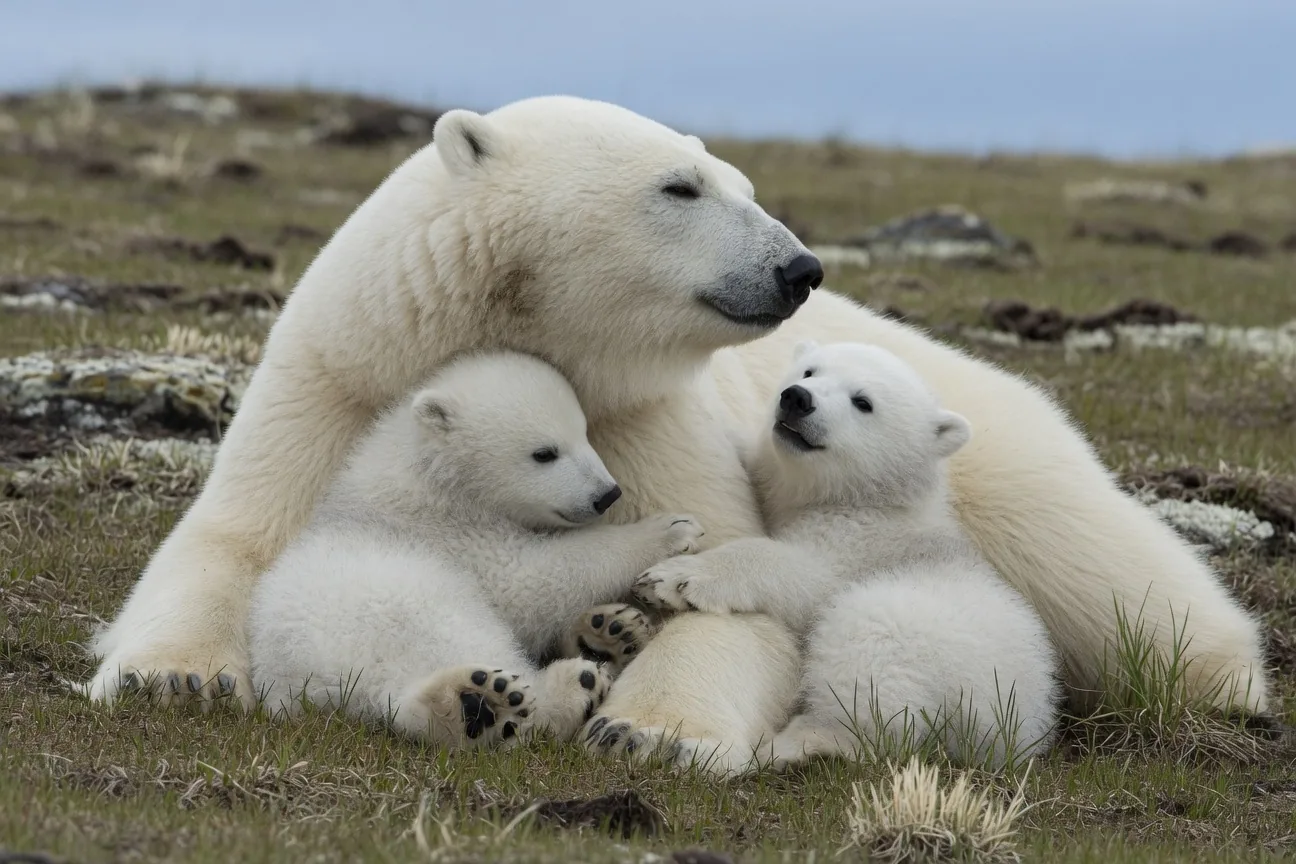
Despite rising temperatures and melting ice, polar bears were still hunting, swimming, and reproducing. Drikus Gissing, director of wildlife with the Government of Nunavut, said bluntly: "the bear population is not in crisis as people believed." He added, "If I could convey one message here, it's that polar bears are not endangered."
It's worth noting that the 2010 survey was taken in August, when ice seasonally disappears from Hudson Bay. That bay is home to some of the most threatened polar bear subpopulations, which is why scientists call it the bellwether for the whole species. If bear numbers stay high even when there's no ice in Hudson Bay, that challenges the claim that polar bears cannot survive without sea ice.
The original 2006 paper also came under scrutiny. A report published by Human Events found that investigators from the Interior Department of the United States concluded the entire case for polar bear vulnerability rested on just four bear deaths. And there was no firm data to prove the bears had drowned.
The paper had assumed the bears drowned because of melting sea ice. Those assumptions became the foundation for listing polar bears as a threatened species. Many other weaknesses in the 2006 data have since been identified.
The Government of Nunavut welcomed the new survey results. They felt it proved the Inuits had been right all along. But the release of the survey only deepened the argument between scientists and Inuits.
When questioned by special agents from the Interior Department, Jeffrey Gleason stated that his original paper never claimed polar bears were being harmed by global warming. He said if that link was made, it was a misunderstanding. However, he did acknowledge being aware that it was on the basis of his paper that polar bears were placed under the Endangered Species Act.
Frequently Asked Questions
Are polar bears endangered?
The IUCN classifies polar bears as Vulnerable, not Endangered. However, some subpopulations are declining.
How many polar bears are left in the world?
The IUCN estimates 20,000 to 25,000 polar bears remain worldwide, with about 60% living in Canada.
Why are polar bears at risk?
Global warming is melting Arctic sea ice, which polar bears depend on to hunt seals. Less ice means fewer hunting opportunities and longer swims between ice floes.
Where do polar bears live?
Polar bears are found in five countries: Canada, Russia, Norway, the United States (Alaska), and Greenland (Denmark).


 Fun fact for today!Around 60% of all polar bears on Earth live in Canada, making it the most important country for their survival.