

What Are Crepuscular Animals?
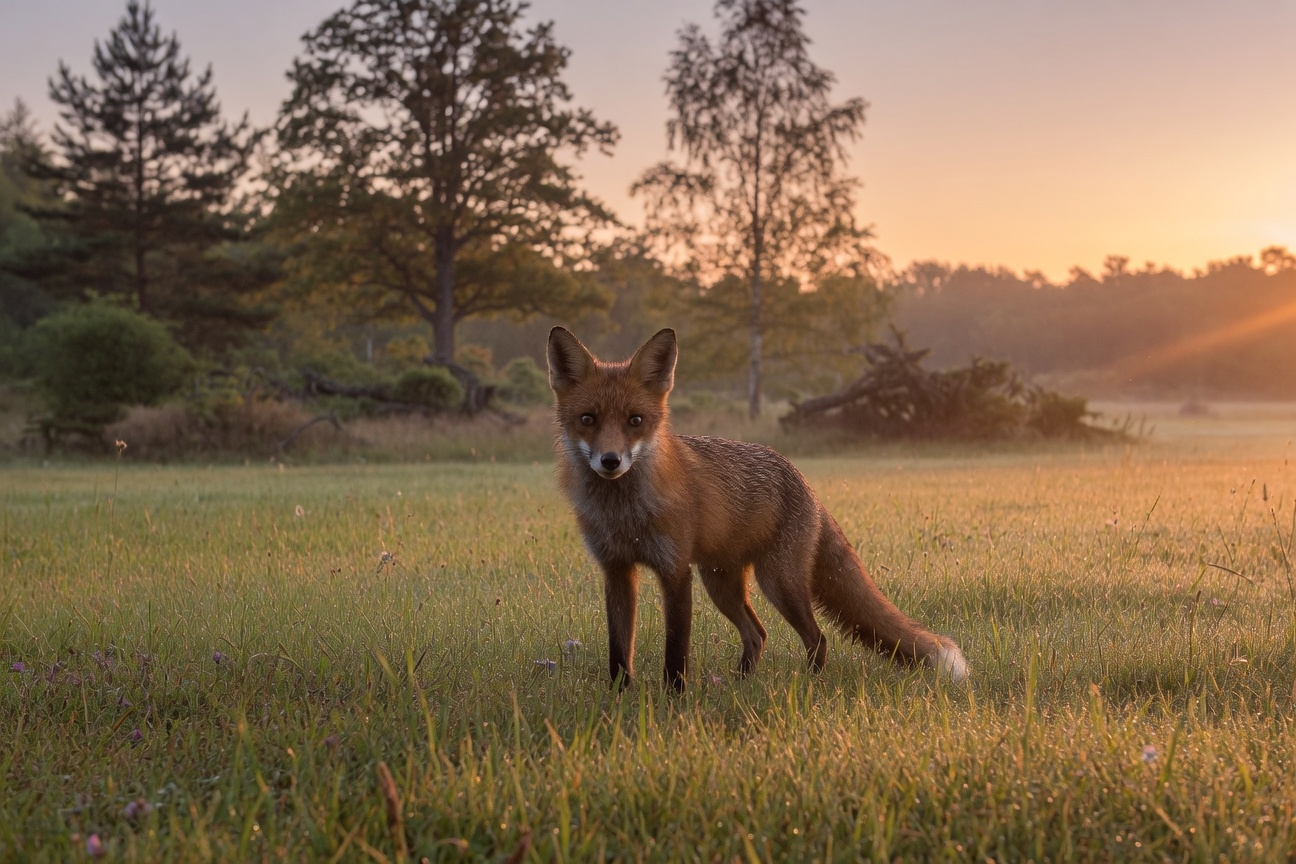
Animals are grouped by when they are most active. There are three main types: nocturnal (active at night), diurnal (active during the day), and crepuscular (active at dawn and dusk). Of these three, crepuscular is probably the least-known group. That might surprise you, because it includes some very familiar animals, like the domestic cat.
Crepuscular Species
Crepuscular animals are mainly active at dawn and dusk, the twilight hours. People often mix them up with nocturnal animals. This happens because crepuscular animals are active in the evening, right around the time nocturnal animals are waking up to hunt. They are also active early in the morning, just as their nocturnal cousins are heading home.
Unlike nocturnal animals, crepuscular animals do not stay out after it gets dark. They also stay hidden during the bright hours of the day. They sleep at night, and lie low during the daytime.
Within the crepuscular group, there are two subtypes. Matutinal animals are active at dawn, and vespertine animals are active at dusk. The word matutinal comes from the Latin mātūtīnus, meaning "pertaining to the morning." Vespertine comes from the Latin vesper, meaning evening.

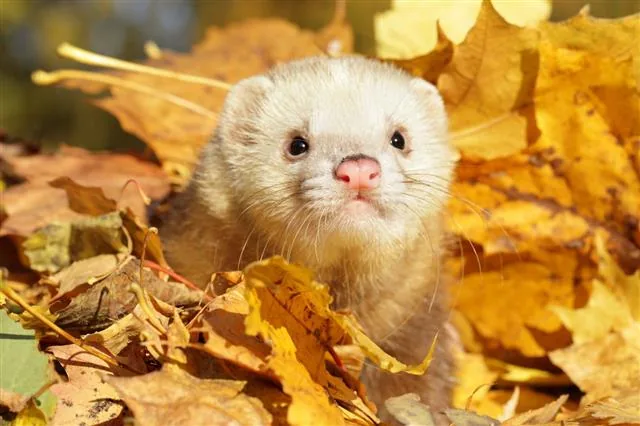
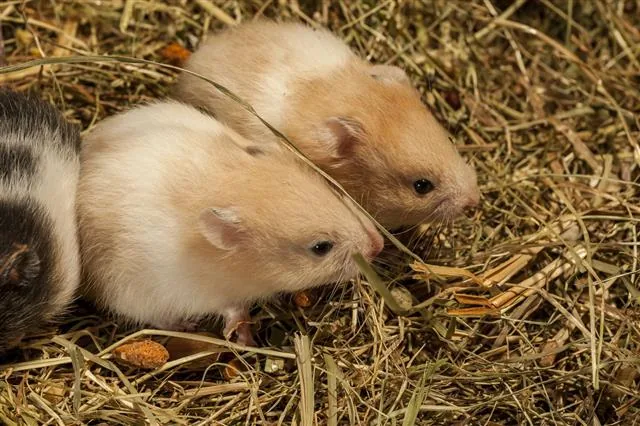
Bees and gerbils are good examples of matutinal animals. Vespertine animals include moths, flies, and certain bats and owls that feed on those insects. Most crepuscular species, though, are active at both dawn and dusk. They have what scientists call a bimodal activity pattern, two bursts of activity each day. Rabbits, chinchillas, and ferrets all fall into this group.
Why Do Animals Choose Twilight?
Scientists believe crepuscular behavior is an anti-predator adaptation. Most predators are either active deep in the night or at the busiest hours of the day. Stepping out at dusk or dawn means predators are either just returning to their dens or not yet fully alert. Daytime hunters also struggle to spot prey in the dim light of twilight, which makes it easier for crepuscular animals to stay safe.
Some species can also switch between crepuscular and diurnal behavior, depending on things like competition from other species in their habitat or how much food is available.
Take the Crepuscular Animals Quiz!
5 quick questions. How well do you know the animals of the golden hour?

A great example is the short-eared owl found on the Galapagos Islands. On islands where it shares its habitat with Galapagos hawks and buzzards, it sticks to crepuscular behavior. On islands where those competitors are absent, it hunts during the day instead.
The common nighthawk hunts at dusk, rests at night, and starts hunting again at dawn. This makes sense, because most of the insects it eats are themselves crepuscular. American woodcocks and certain owls follow a similar pattern, being most active at dawn and dusk.

The bobcat is another well-known crepuscular predator. It is active for about 3-4 hours in the evening and 3-4 hours in the morning. Even jaguars (usually listed as nocturnal) are most active around dawn and dusk, because prey is easier to find at those times.
In deserts, being crepuscular is an especially smart strategy. It helps animals avoid the burning heat of the day and the freezing cold of the night.

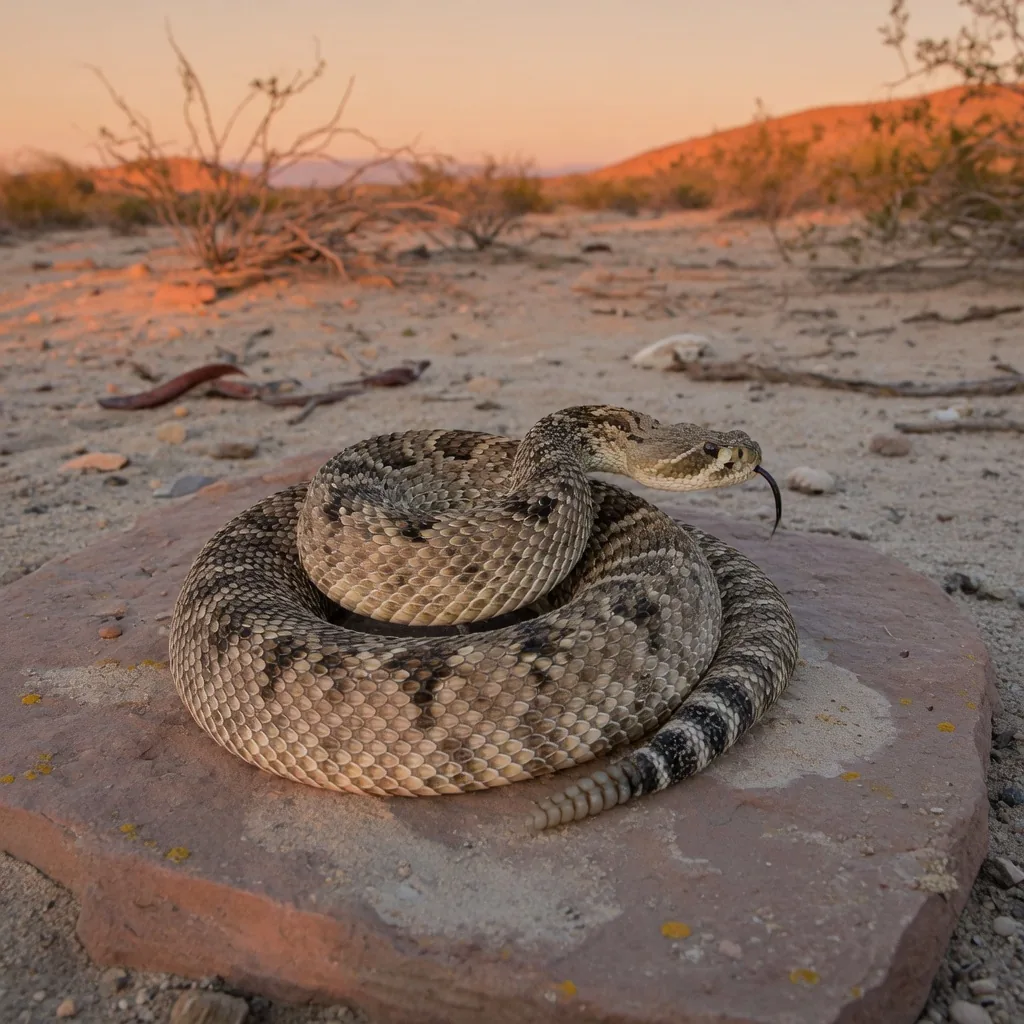
Desert crepuscular animals include species like desert cottontails, black-tailed jackrabbits, and Mongolian gerbils. The western diamondback rattlesnake is nocturnal in summer but switches to crepuscular or diurnal behavior in spring and fall. Kangaroo rats are also interesting, they are known to display crepuscular activity on a full moon night.
Crepuscular Plants
It is not just animals, some plants are crepuscular too. With so many crepuscular animals out and about at twilight, it makes sense that plants would evolve to take advantage of the pollination opportunities they bring.

The morning glory and the primrose are two classic examples of crepuscular plants. The morning glory is matutinal, it opens at dawn. The primrose is vespertine, it opens at dusk.
Frequently Asked Questions
What does crepuscular mean?
Active primarily at dawn and dusk, the twilight hours.
What is the difference between matutinal and vespertine animals?
Matutinal animals are most active at dawn; vespertine animals are most active at dusk.
Why are many animals crepuscular?
Crepuscular behavior is believed to be an anti-predator adaptation, as most predators are active either during the day or deep at night.
Is a domestic cat crepuscular?
Yes, cats are naturally crepuscular, though living with humans causes them to adjust their activity to match their owners' schedules.
Are plants ever crepuscular?
Yes. Morning glory (matutinal) and primrose (vespertine) are classic examples of crepuscular plants.
Cats being crepuscular might come as a surprise to many people. After all, most of us see our cats active throughout the day. But this happens because cats adjust their sleeping habits to match the schedule of the humans they live with.
Explore More Animals
 Diurnal vs. Nocturnal: Animals and Plants of Day and NightWhat's the real difference between diurnal and nocturnal animals and plants? Day-active vs. night-active explained, eyes, senses, desert survival, and the in-b
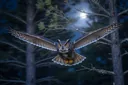 Nocturnal Animals List: Creatures of the NightMeet the bats, owls, lemurs and big-eyed mammals that hunt and survive in the dark. A complete nocturnal animals list, plus how night creatures find food withou
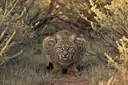 Brilliant and Interesting Facts About BobcatsDid you know there are 12 subspecies of the bobcat, and over a million in the wild? Discover fascinating bobcat facts about habitat, diet, hunting, territory, a
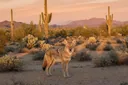 Sonoran Desert AnimalsThe Sonoran Desert is North America's hottest desert, and one of its most wildlife-rich. Explore the full animals list, surprising adaptations, and a 5-questio

 Fun fact for today!The term crepuscular is derived from the Latin word crepusculum, meaning twilight.