

Appearance of the Japanese Beetle
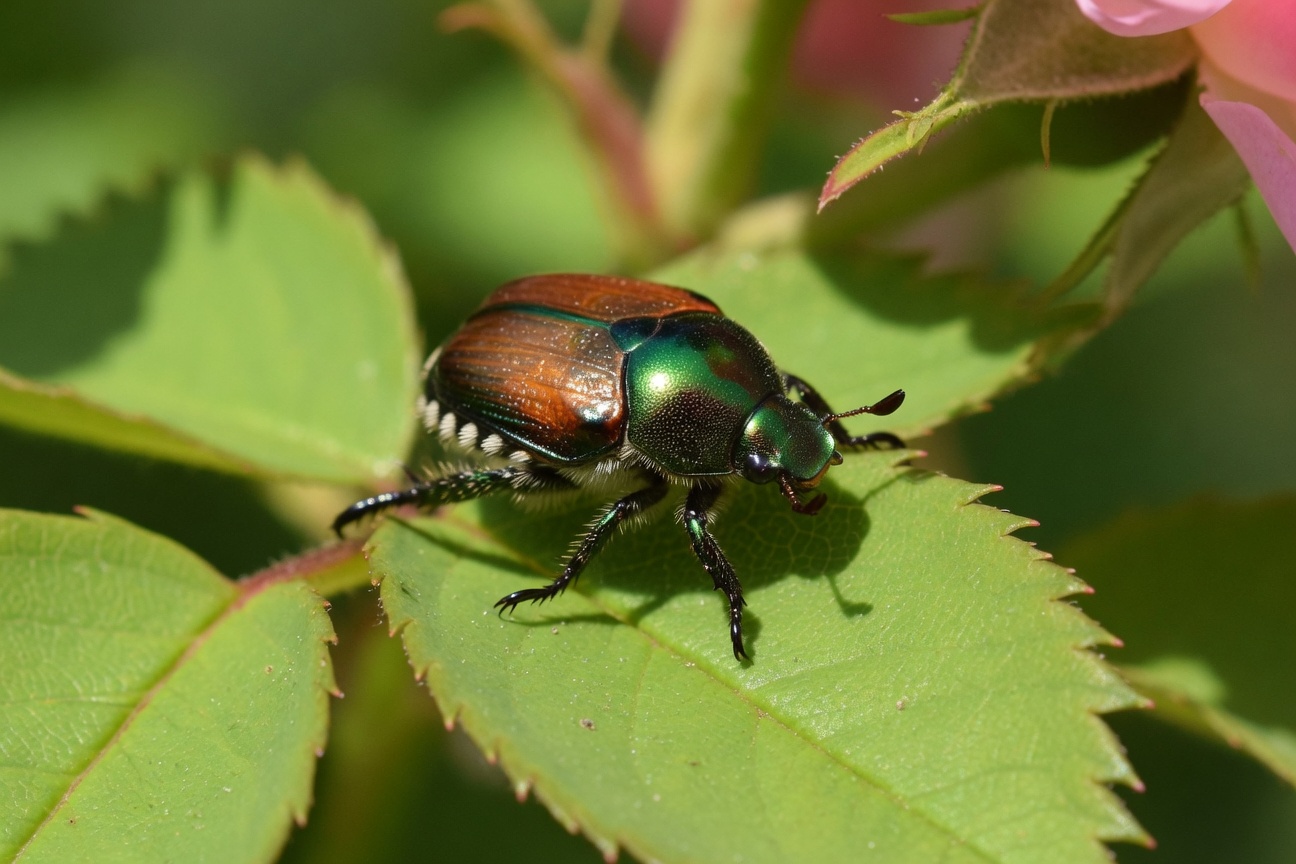
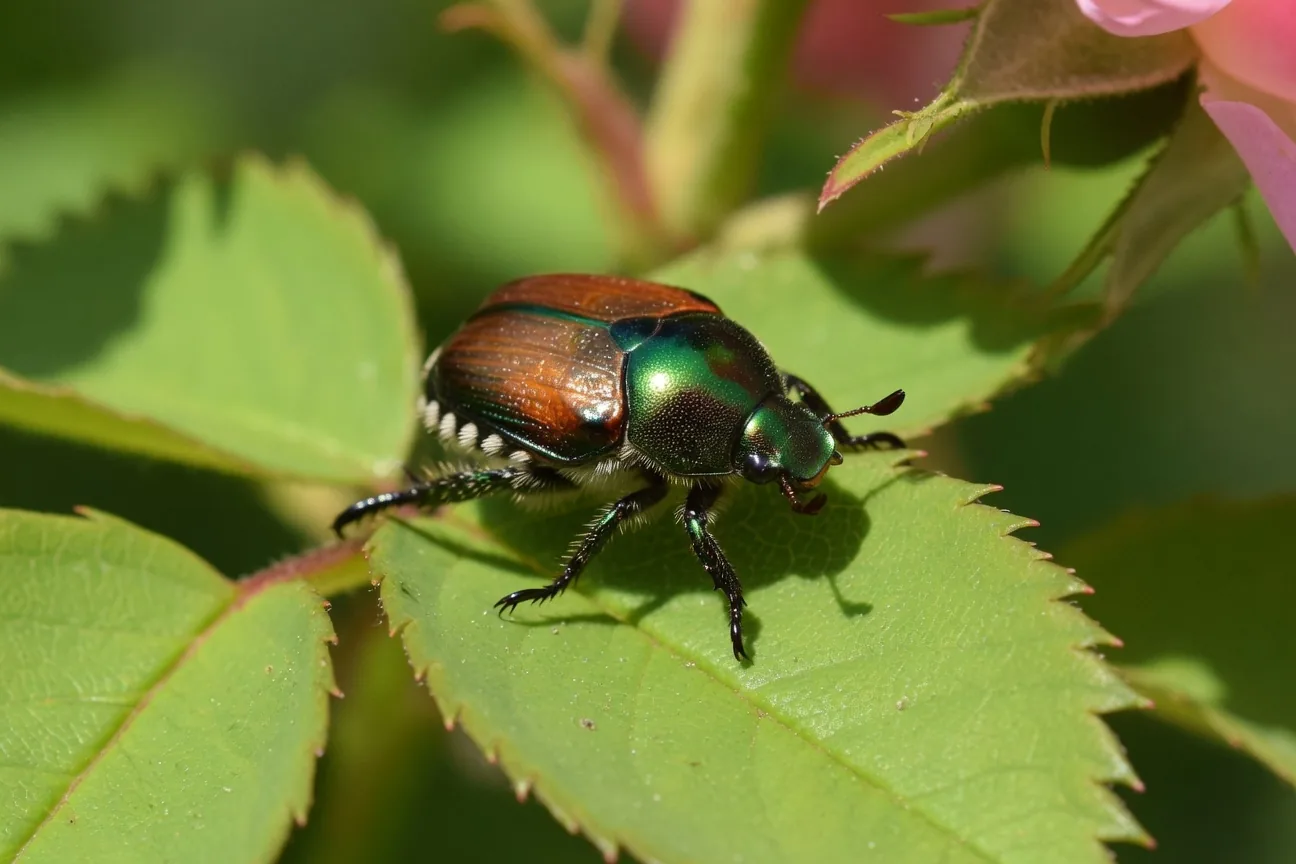
Japanese beetles (Popillia japonica) are 1/2 inch in size, with a metallic green body. They have copper-colored wings and white hair tufts under the wing covers on each side of the body, this is a key feature that helps you tell them apart from similar beetles. They are round, oval-shaped insects with brownish-orange fore wings. About 1.3 cm long, these beetles have a ringed abdomen and antennae clubbed at the end.
The false Japanese beetle, Bumble Flower Beetle, and scarab beetles in the genus Anomala are often mistaken for Japanese beetles. If you want to explore the wider world of these insects, check out our guide to types of beetles.
How Japanese Beetles Feed
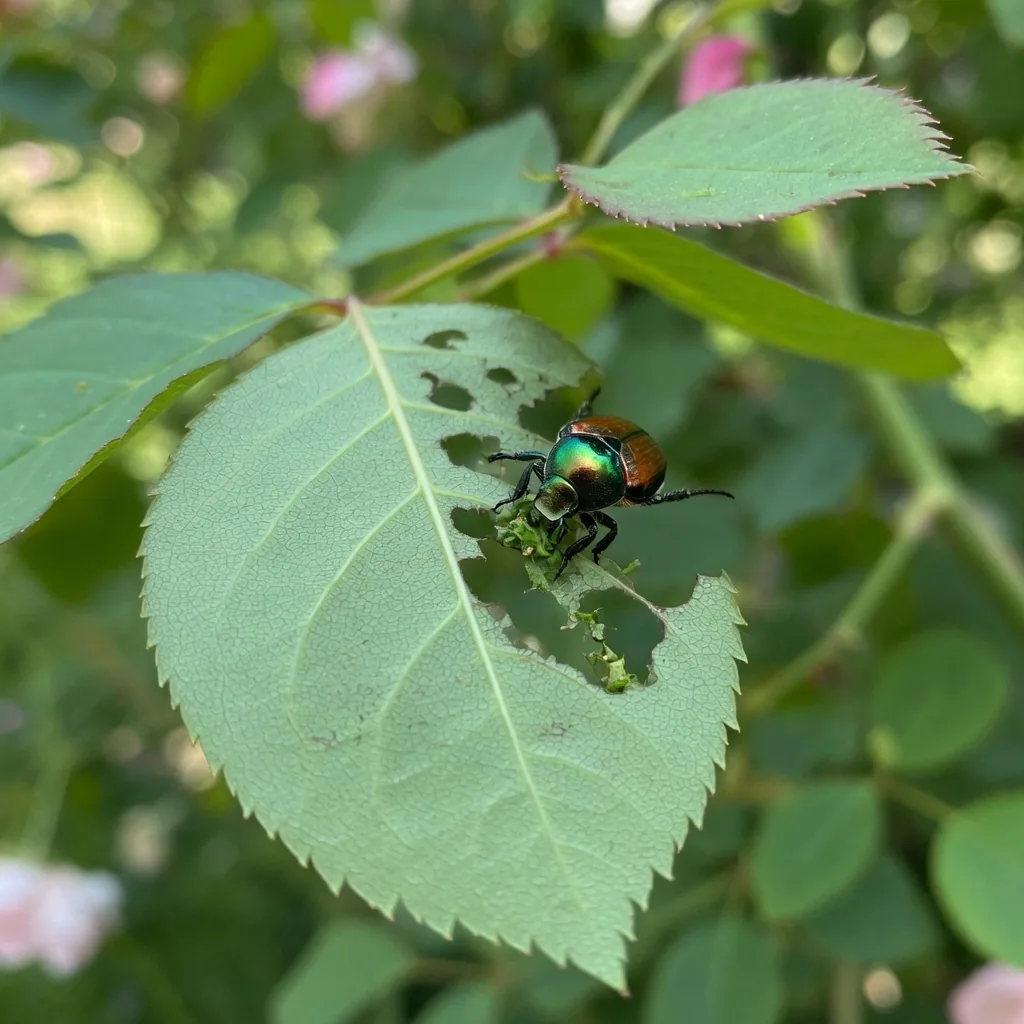
Attractive looking Japanese beetles wipe out foliage in gardens, which is why they are a gardener's enemy. They eat away leaf tissues, leaving only the veins of leaves behind. They chew entire flower petals and leaves and can strip a fruit tree of its leaves in flat 15 minutes.
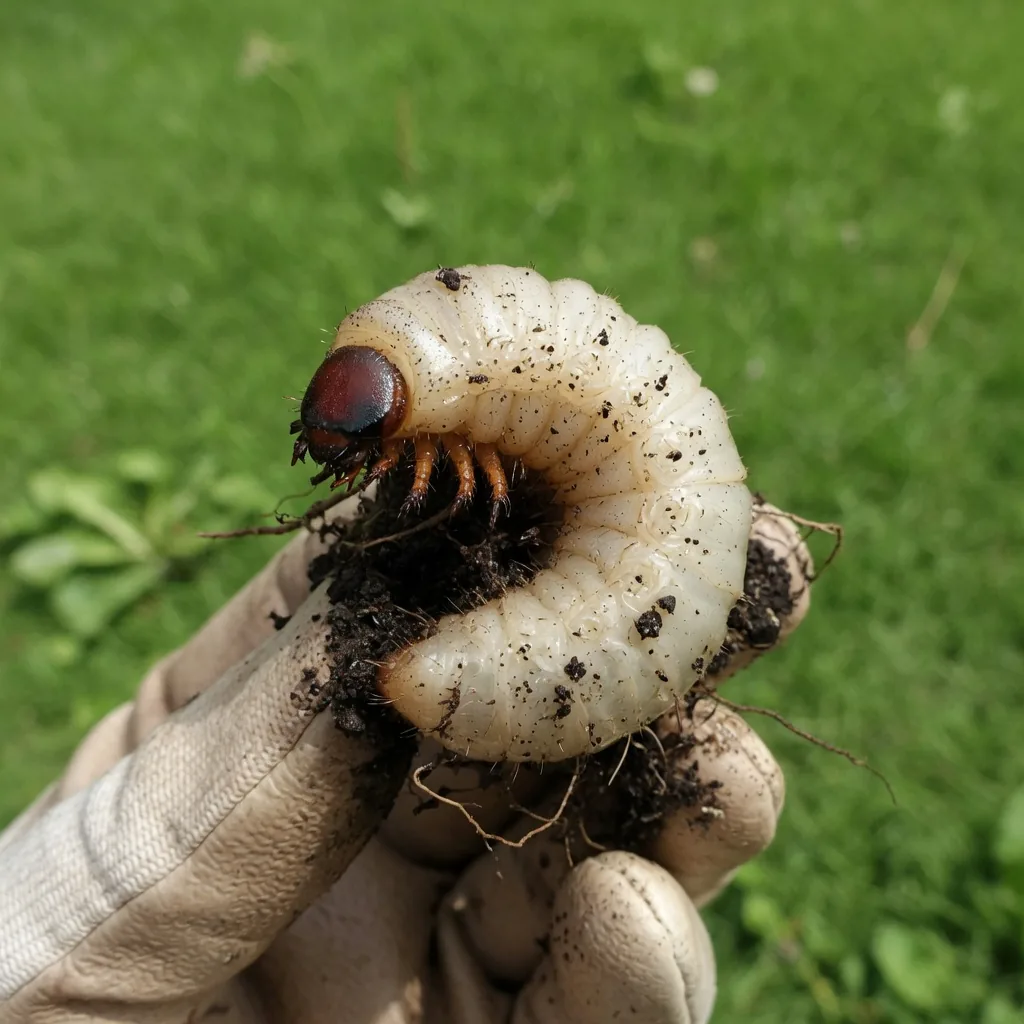
Grubs (baby beetles) feed on grass roots, which weakens the ability of grass to draw enough water from the soil to survive the heat. Japanese beetle grubs are America's number 1 turf pests, as they devour the roots of grass and damage turf across the country.
Feeding in Groups
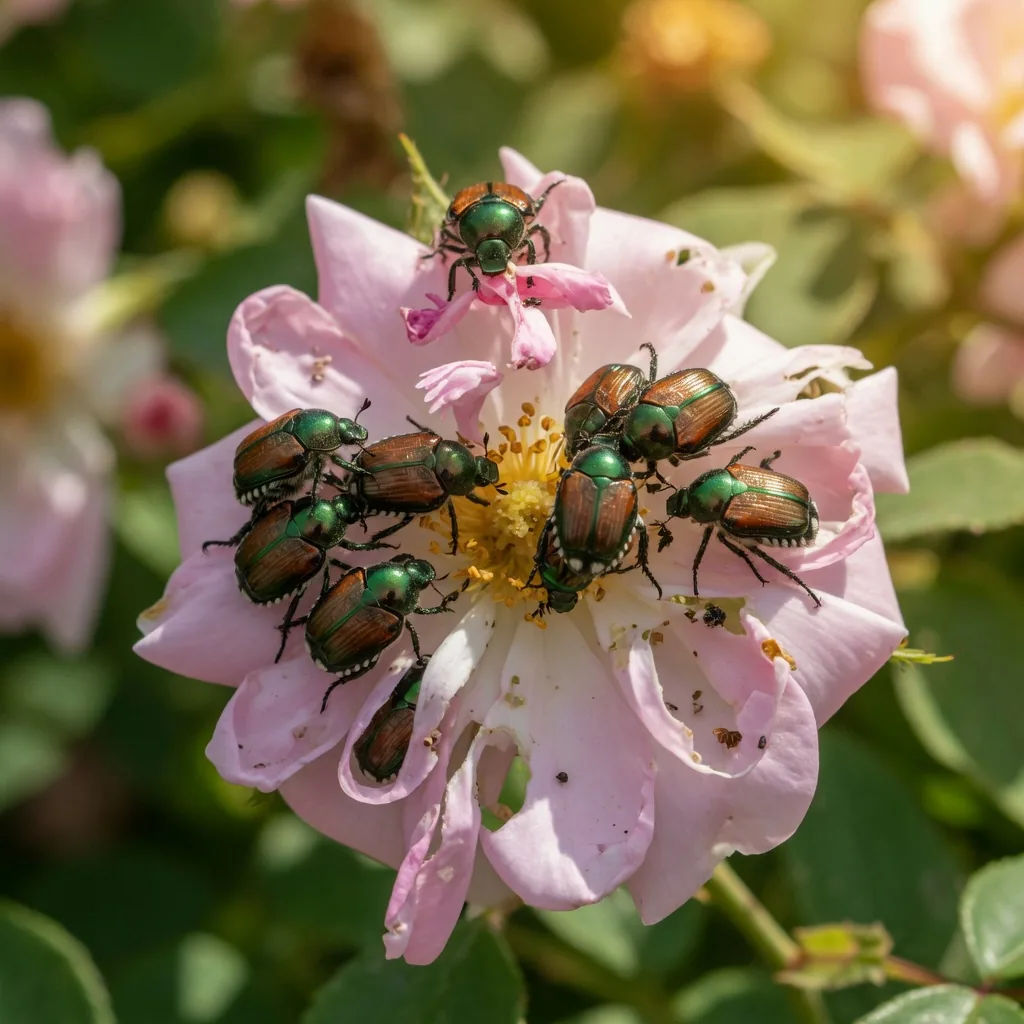
While devouring a plant, the Japanese beetle secretes a "congregation pheromone" that attracts other Japanese beetles to come to the same area and enjoy the feast. Japanese beetles usually feed in groups and consume the upper portion of plants and trees before moving down to the rest.
Take the Japanese Beetle Quiz!
5 quick questions. Test what you know about these gem-colored garden invaders.
Japanese Beetle Reproduction
Japanese beetles enjoy warm weather and come out of the soil when the sun is out, for eating and mating. They are active from mid-June to mid-September, and are most active during the hottest part of the day. After mating, by late afternoon, the female burrows her way into the soil (2-4 inches deep) to lay her eggs. She lays 1-5 eggs every 2-3 days and can lay about 60 eggs during her lifespan.
Lifespan of Japanese Beetles
The eggs hatch in 2 weeks and the beetle grubs start chewing on grass roots. When the temperature drops in late September, the grubs burrow deeper into the soil and hibernate for the next 10 months. They emerge in late May and feed on the roots of turf grasses and vegetable seedlings. By mid-June, they pupate into adults and undergo a full swing of feeding and mating activity for the next 4-6 weeks, after which they die off. The average lifespan of an adult Japanese beetle is only 30-45 days.
Frequently Asked Questions
What is the scientific name of the Japanese beetle?
Popillia japonica
How big is a Japanese beetle?
About 1/2 inch (1.3 cm) long
When were Japanese beetles introduced to the USA?
1916, via imported iris bulbs in New Jersey
How long does an adult Japanese beetle live?
30-45 days
Why are Japanese beetles worse in the USA than in Japan?
In Japan, natural predators such as parasitic wasps, cooler temperatures, and the absence of suitable larval habitat keep their numbers in check.
A Japanese Pest, But Not in Japan
Native to Japan, these beetles were accidentally introduced to New Jersey (USA) in 1916, via imported iris bulbs. Eastern United States is heavily infested by this pest, as the climate there is ideal for its growth. Ironically, Japanese beetles are not such a problem in Japan, where natural predators (parasitic wasps), cooler temperatures, and the absence of proper larval habitat keep their numbers in check.
How to Control Japanese Beetles
After the sun is up, shake the trees in your garden and let the beetles fall into a tub of soap water. Soap water will drown and kill these beetles. Repeat this again in the afternoon. Japanese beetles are capable of flying about 8 km with the wind, but most of the time they fly short distances. So remember to wear headgear, they can fly straight into your face!
Explore More Animals
 Types of Beetles: 8 Species You Should KnowBeing the largest insect order, there are over 350,000 species of beetles found across the world. Meet 8 different species, from glowing fireflies to armoured
 Interesting Facts About the Hercules BeetleThe Hercules beetle is one of the largest and strongest insects on Earth. Discover its color-changing shell, epic horn battles, and amazing life cycle.
 What Do Ladybugs Eat?Also known as a gardener's friend, ladybugs are basically predators. Find out what ladybugs eat, how they defend themselves, and amazing facts about these tiny
 These Facts About Tobacco Hornworms Will Simply Leave You BaffledTobacco hornworms are 70-millimeter caterpillars that can defoliate an entire tobacco plant. Discover their life cycle, habitat, diet, and how to tell them apar
Traps are another option. One type uses female beetle pheromones to attract the beetles, while the other uses the luring aroma of food. Place them away from your plants. However, keep an eye on these traps, because at times they lure more beetles than their killing capacity. For related reading on insects that share similar habitats, see our article on rhinoceros beetles.

 Fun fact for today!Japanese beetles were accidentally brought to the USA in 1916, hidden inside imported iris bulbs from Japan!