

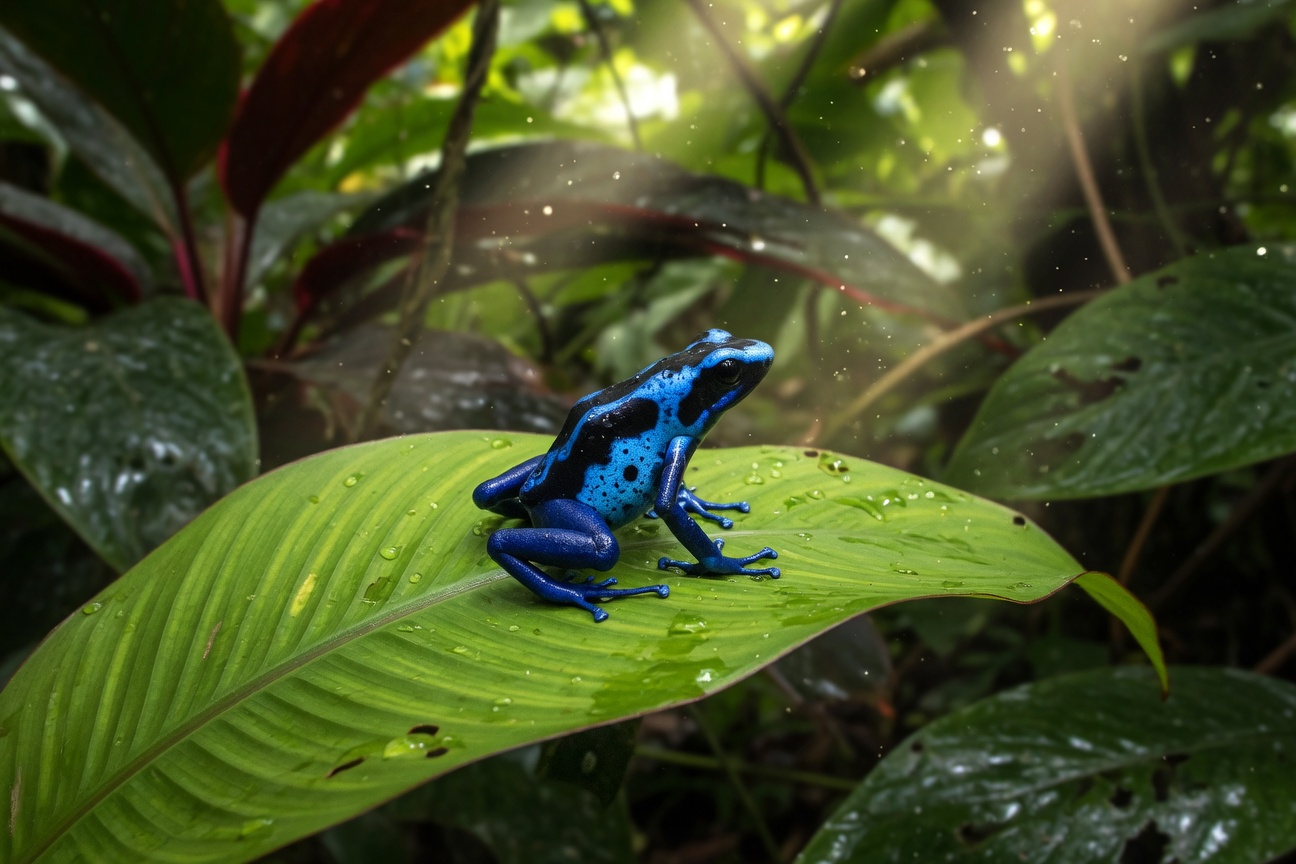
Frogs are amphibians, animals that can live both on land and in water. They belong to the taxonomic group Anura, a name that comes from the Greek words an (without) and oura (tail), meaning "tailless." Anura has three suborders: Archaeobatrachia, Mesobatrachia, and Neobatrachia. This group includes both frogs and toads. You can find them almost everywhere, in rainforests, swamps, and even deserts. Frogs fall into two broad groups: poisonous and non-poisonous.
One of the most well-known poisonous species is the poison dart frog. These frogs are brightly colored (blue, yellow, green, reddish-brown, and more) and carry poison-producing alkaloid glands in their skin. They live in the rainforests of Central and South America (Latin America) and belong to the family Dendrobatidae. The most popular member of the species is the strawberry dart frog, whose scientific name is Oophaga pumilio.
Characteristics of a Poisonous Frog
- Poisonous frogs are small and come in bright colors as a warning to predators. The vivid skin acts as a defense mechanism, predators learn to recognize the colors from a distance and stay away.
- They live in warm, humid areas, often in rocky creeks.
- Their skin produces toxins that can be deadly, helping them defend against threats.
- Their diet includes small insects like crickets, meadow plankton, and fruit flies.
Poisonous Frogs and Toads
Here is a detailed look at some of the most venomous frogs and toads found across the continents.
Poison Dart Frogs
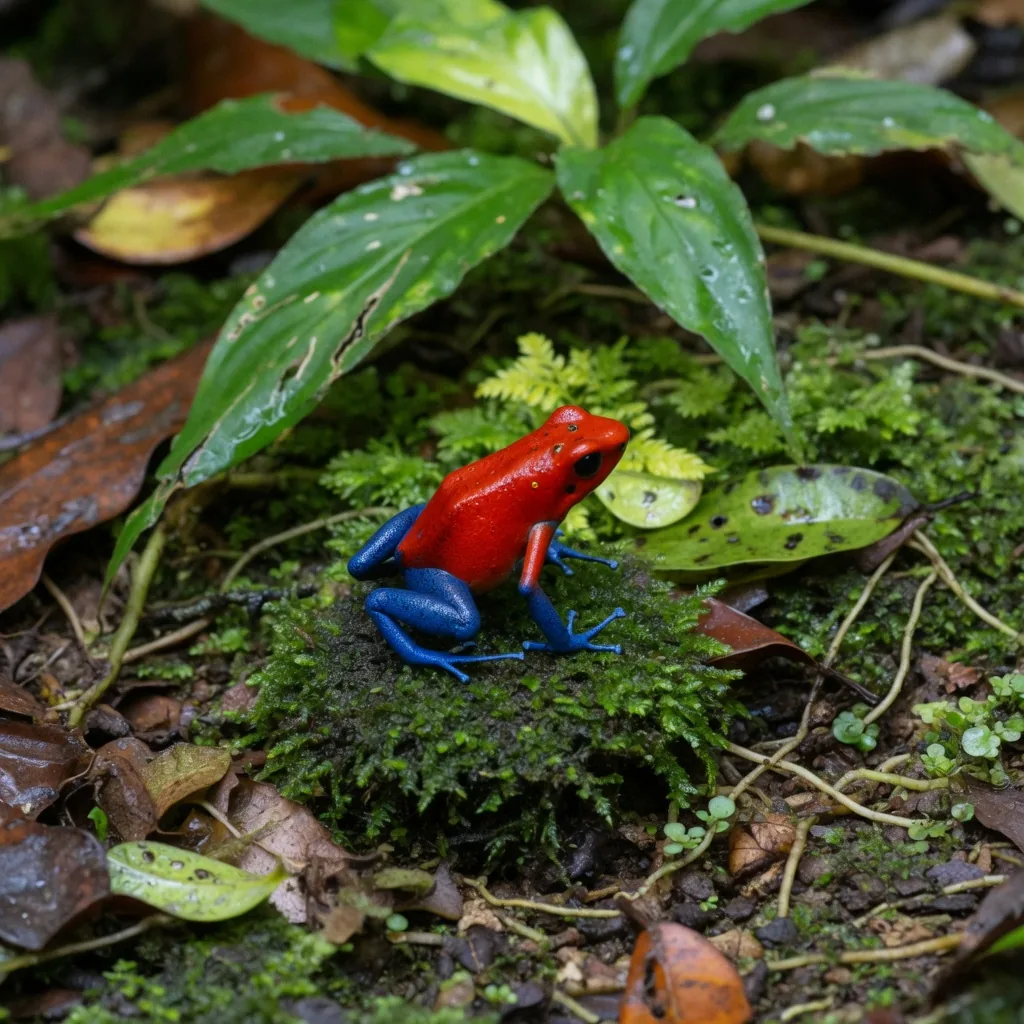
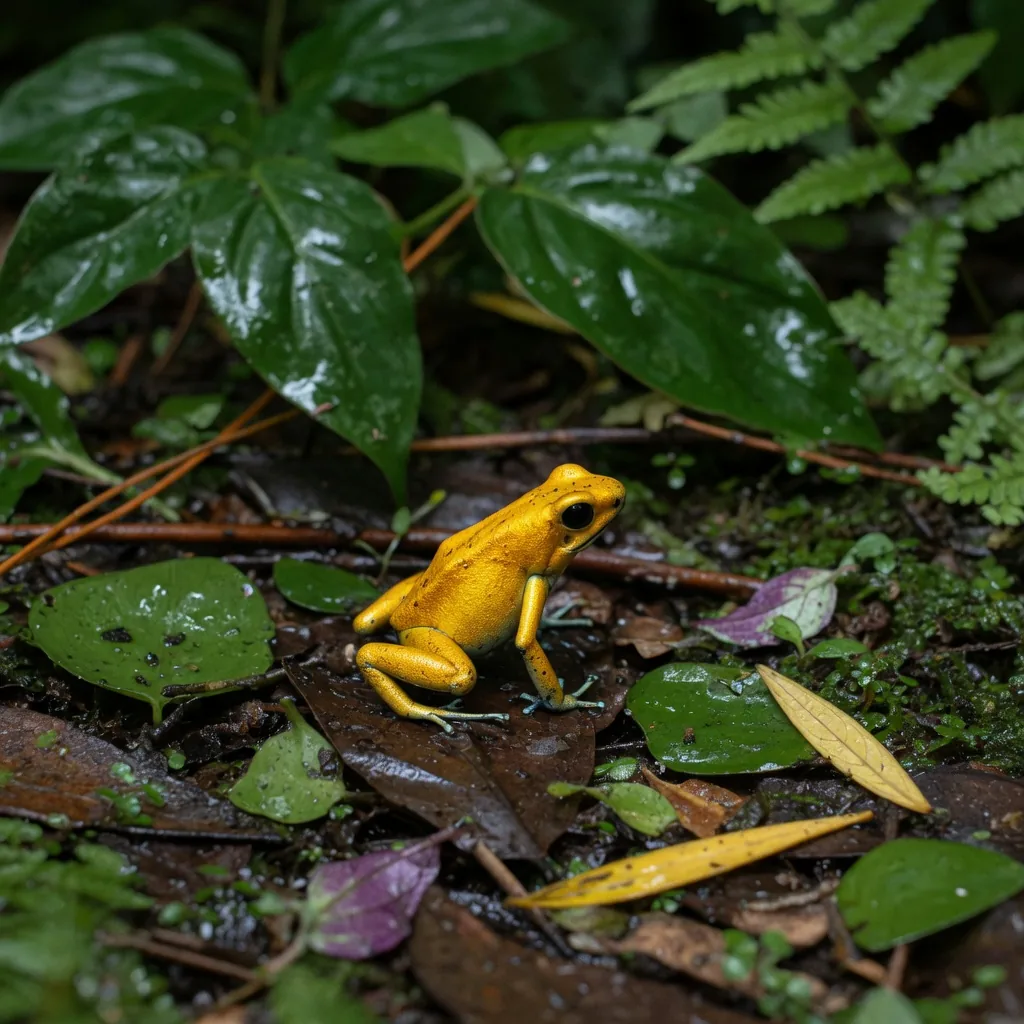
There are many types of poison dart frogs, also known as poison arrow frogs. Well-known species include the blue poison dart frog (Dendrobates azureus), the yellow-banded poison dart frog (Dendrobates leucomelas), and the strawberry dart frog (Dendrobates pumilio). The deadliest of all is the golden poison frog (Phyllobates terribilis), the most poisonous frog in the world.
Poison dart frogs are highly venomous. Their poison can be lethal to humans. They hunt prey by spraying venom like darts, killing the prey instantly. A single golden poison frog carries enough poison to kill up to 10 to 20 adult human beings.
Take the Poisonous Frogs Quiz!
5 quick questions. How much do you really know about the world's deadliest frogs?
American Toad
The American toad's scientific name is Bufo americanus. It lives in Canada and the eastern United States. There are three types of American toads: the Dwarf American toad, the Eastern American toad, and the Hudson Bay toad. You'll find them mostly in gardens and fields. Their skin contains poison glands that release a milky-white substance. This substance is toxic if swallowed or if it gets into the eyes. The poison is also lethal to smaller animals like cats and dogs.
Demonic Poison Frog
The demonic poison frog lives in montane forests and the isolated mountains known as tepui. It produces a toxin called batrachotoxin (described as the most powerful toxin on Earth) which can affect the nervous system of humans. Its diet consists of small insects like grasshoppers, crickets, and other small invertebrates found in swamps and mountains. This frog is listed on the IUCN List of Endangered Species.
Cane Toad
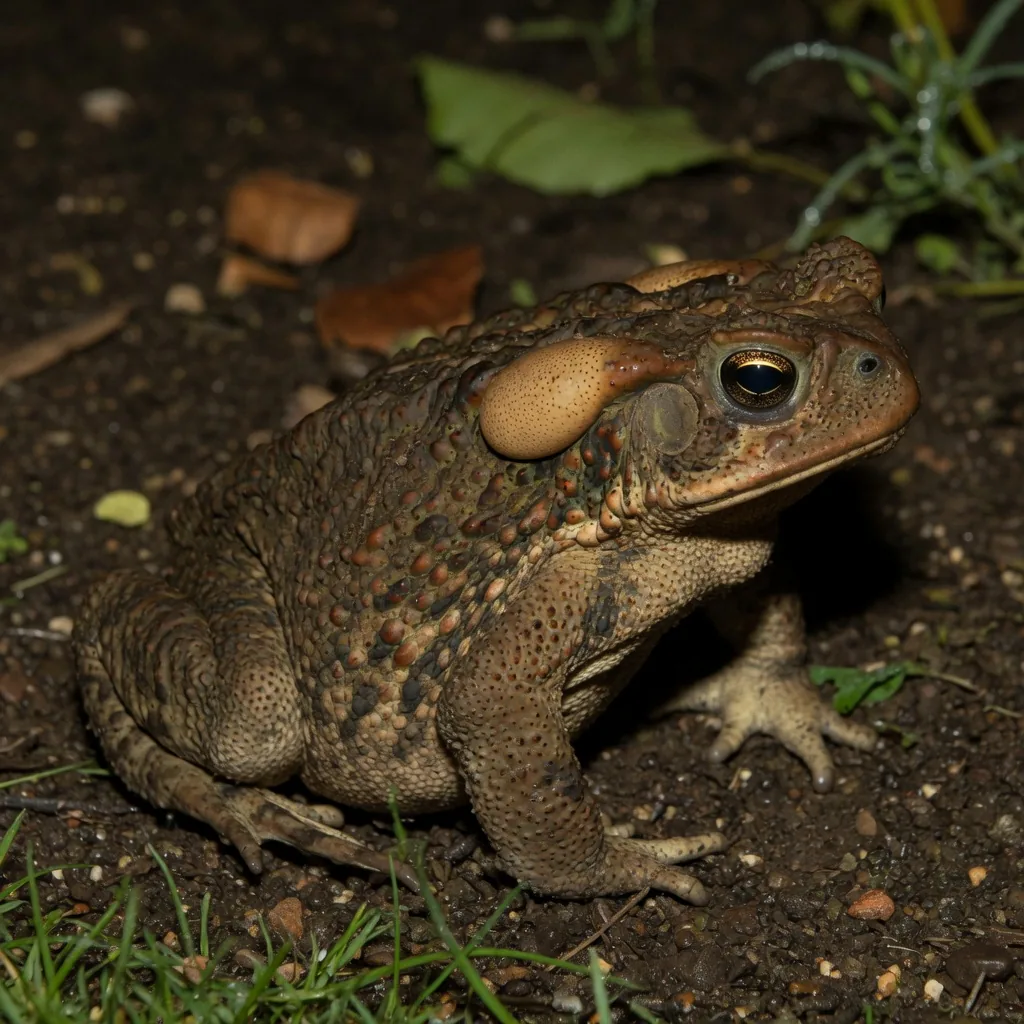
Cane toads (also known as the Marine toad or Giant toad) were originally introduced to eliminate pests that infested sugarcane fields. Though the cane toad is a native of Central and South America, it is now also found in the agricultural fields of the Caribbean and Pacific islands. Its skin is rough, dry, and warty, and it is covered with parotoid glands that contain toxin. Even the tadpoles of the cane toad family can be highly toxic to animals that eat them. Cane toads eat small reptiles, rodents, and other amphibians. They also eat plants, household scraps, and even dog food.
Explore More Animals
 Poison Dart Frog FactsMeet the tiny, jewel-bright poison dart frog, one of the most poisonous creatures on Earth. Discover its colors, diet, reproduction, and conservation status.
 Types of Frogs and Toads: A Complete Picture GuideFrom the tiny Paedophryne to the giant goliath frog, discover all the main types of frogs and toads, with pictures, quick facts, and a quiz for kids.
 Frog Habitat Facts With Stunning Pictures of Their DwellingsFrogs are amphibians, which means that they typically live on land but breed underwater. Discover natural frog habitats, the life cycle connection, aquarium set
 What Do Frogs Eat? The Answer Might Make Your Eyes BoggleWhether frogs are herbivores or carnivores can be confusing, tadpoles eat algae, but adult frogs hunt insects, snails, worms, and even small reptiles. Explore
Why We Need to Protect Them
Poisonous frogs are amazing, beautiful creatures that live in remote and hard-to-reach areas. As populations of these frogs have declined, we need to protect these wonderful animals from extinction. The demonic poison frog, for example, is already classified as endangered.

 Fun fact for today!One golden poison frog holds enough venom to kill up to 20 adult humans!