

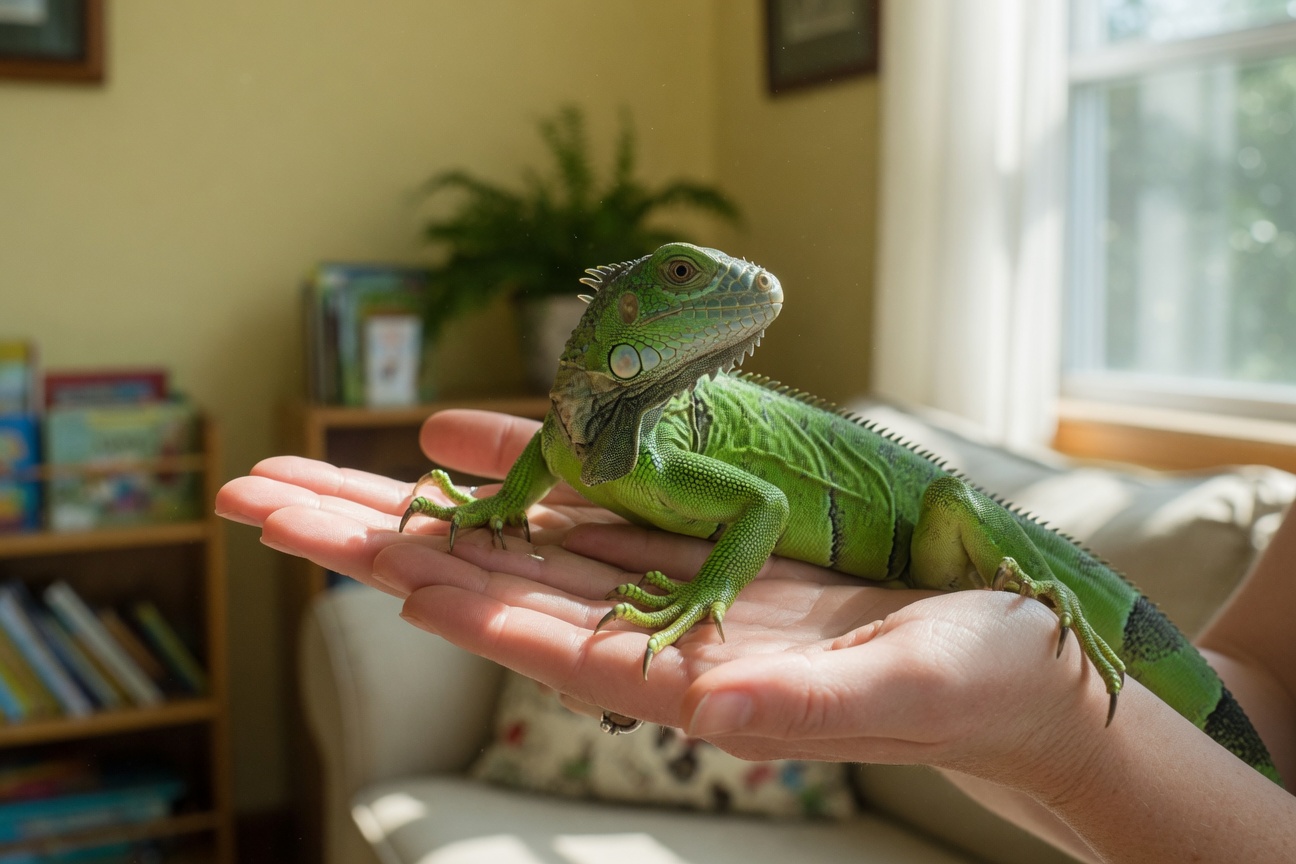
Our desire to own unusual animals as pets often leads us to bring wild animals home. However, instances of a pet chimp attacking its owner, or a big cat mauling its keeper, are not rare. These incidents have often raised questions about the practice of having wild animals as pets. Let us weigh the pros and cons of this trend, which seems to be on the rise.
Every organism has evolved to fit the environment it lived in. This process of evolution took thousands of years. Over that time, animals lost the features that were no longer useful to them and developed new ones that would help them adapt to their surroundings. In this way, wild animals developed the instincts and the physical features that suit the tough, aggressive life of the wild.
Keeping wild animals might sound appealing to many. However, we must not forget that handling one requires a good understanding of the animal's nature and habitat. Many people who own wild animals as pets are trained in handling them. Even they would agree about the unpredictable nature of wild animals. There have been incidents of mahouts being trampled by their elephants, or trained zoo keepers being attacked by the animals in zoos. Hence, keeping wild animals as pets has always been a controversial issue. Listed below are the pros and cons.
Pros vs. Cons at a Glance
Before we dig into the details, here's the whole debate in one quick view. The good points are real, but notice how many more worries sit on the other side of the table.
| 👍 Pros | 👎 Cons |
|---|---|
| Fits a small homeTiny species like geckos or hedgehogs can be kept where there isn't room for a cat or dog. | Built for the wildWild animals are tuned, in their genes and instincts, for life in the wild, not a house. |
| A helpful housemateA hedgehog can help control insects and pests around the house. | Babies grow upA bear, big cat, or chimpanzee gets too big and strong, and acts on wild instincts. |
| Sometimes cheaperA small wild animal can cost less than a pricey pet breed from a store. | Disease and pestsReptiles and amphibians can spread Salmonella; other animals carry more. |
| Can save a speciesAdopting a threatened animal once helped a Dart Frog survive a natural disaster. | Hurts wild numbersBrutal capture and trade have led whole populations of wild animals to decline. |
Pros
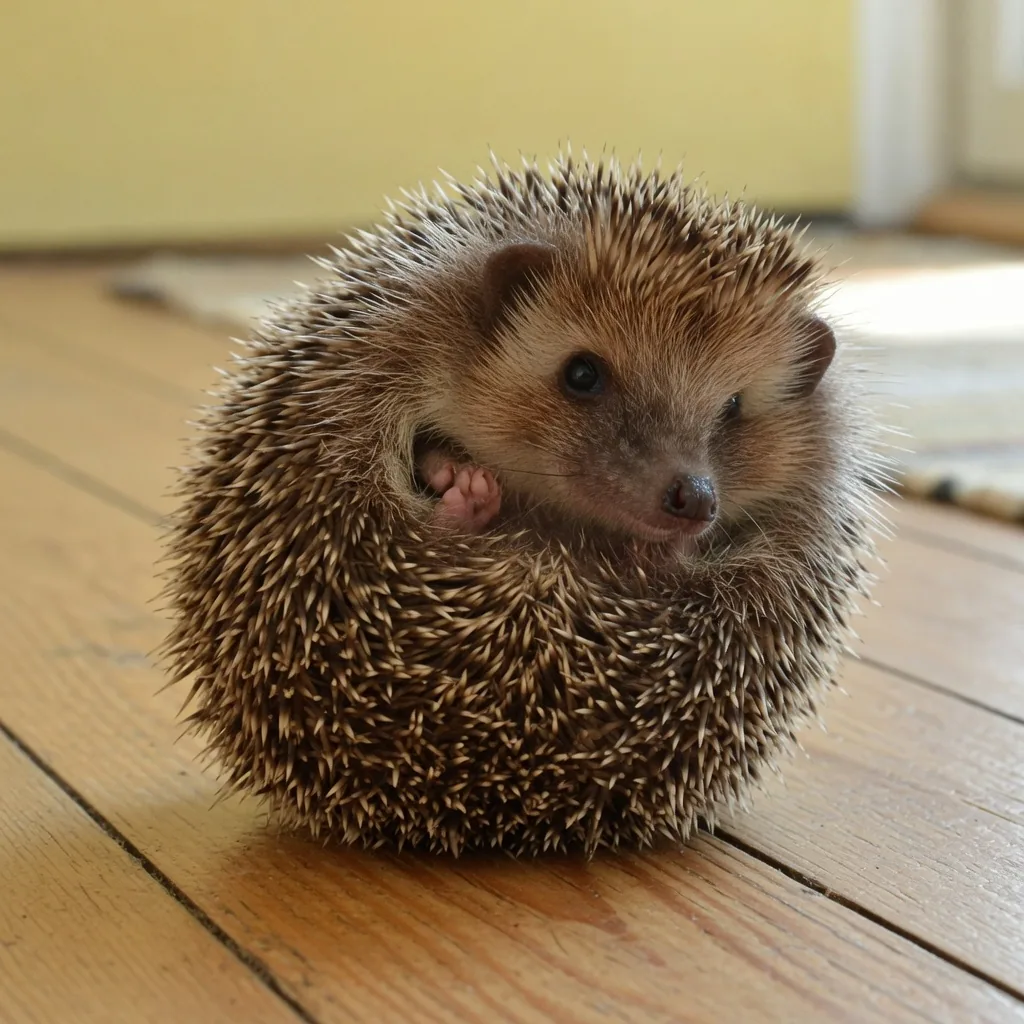
Some of us might not have enough space to bring home popular pets like cats and dogs. In such a case, certain wild animals (like geckos or hedgehogs, which are small in size) can be kept as pets.
Certain wild animals, like the hedgehog, can be useful in controlling insects and pests in the house.
Buying small wild animals may sometimes cost lesser than purchasing a popular pet of a good breed from a pet store.
Sometimes, a species may have difficulty surviving in the wild. In such a case, adopting the animal as a pet may seem viable. Such adoption once helped a certain species of Dart Frog survive, when its habitat was destroyed by a natural disaster.
Cons
Ethical Issues
The first and foremost issue about having a wild animal as a pet is the welfare of the animal itself. With a lot of study and training, a person might be able to provide the right diet and exercise to the animal. But the fact remains: wild animals are genetically and instinctively tuned to living in the wild. Can one absolutely ensure that a wild animal will have proper social interactions and development in captivity?
While some animals are solitary, some animals live in large social groups. For proper development of the second kind in captivity, the owner really needs to keep a whole group of the same species. Ensuring proper pet care for a wild animal requires a lot of research, preparation, investment in building ideal housing, and proper medical care. Despite all these preparations, one can hardly be sure the arrangements are good enough for the animal.
Frequently Asked Questions
Why are wild animals so much harder to keep than cats and dogs?
Wild animals evolved over thousands of years to survive in the wild, keeping strong instincts and bodies built for that life. Cats and dogs were bred to live with people across many generations, so they are far better suited to a home.
Can keeping a wild animal ever be a good thing?
Sometimes. Small species like geckos or hedgehogs can suit homes with little space, a hedgehog can help control pests, and adopting a threatened animal once helped a species of Dart Frog survive after a natural disaster destroyed its habitat.
Can a wild pet make people sick?
Yes. Reptiles and amphibians can pass on Salmonella infections, and in 2003 an outbreak of monkeypox in the United States was linked to Gambian rats imported from Africa for the pet trade.
Do baby wild animals stay small and gentle?
No. A bear, big cat, or chimpanzee is adorable as a baby, but it grows big and strong. With adulthood come wild instincts, and an animal that once played gently may begin to react aggressively.
Baby Animals Grow Up
Every baby animal, whether wild or domestic, is adorable. That might lure a lot of us toward going for wild animals as pets. However, these sweet little animals grow up. Depending on the species, for example a bear, a big cat, or a chimpanzee, some of them become too big and strong for the owner to handle. With adulthood come the wild instincts, and the animal that would generally react playfully to you when it was a baby may just react aggressively.
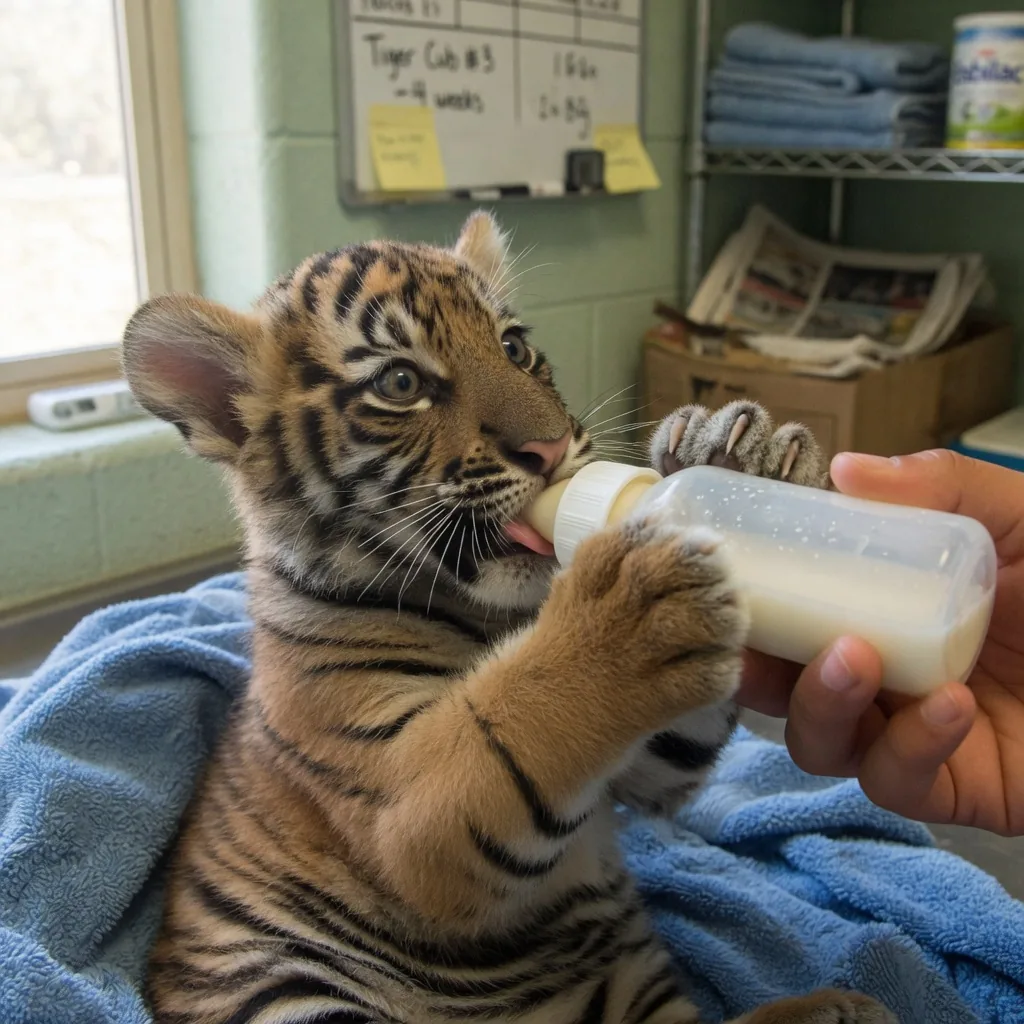
Small, helpless and bottle-fed, easy to fall in love with.
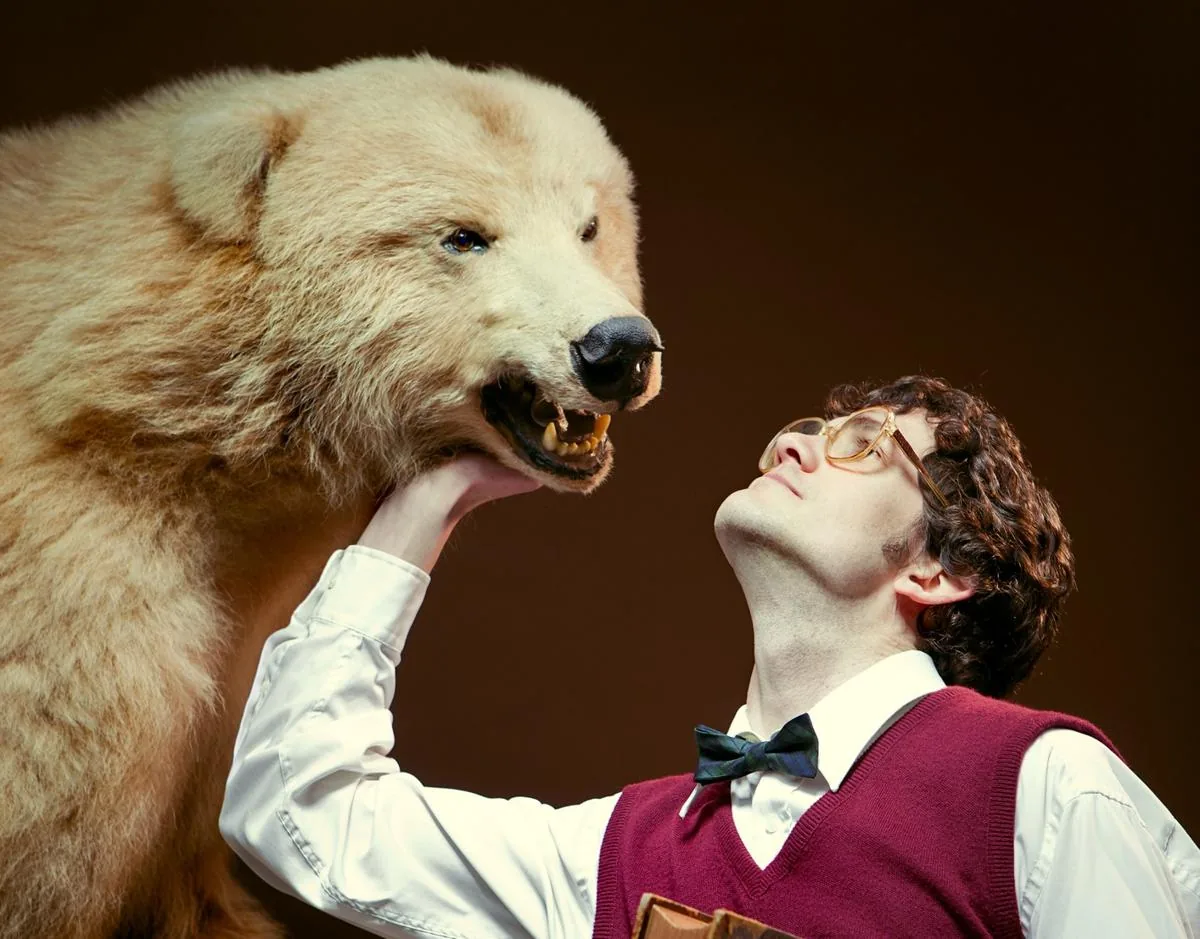
The same kind of animal, years later, now huge, powerful and wild.
Wild Pets: Should They Stay Wild?
5 quick questions. Can you weigh the pros and the cons?
Wild Animals Spread Disease and Pests
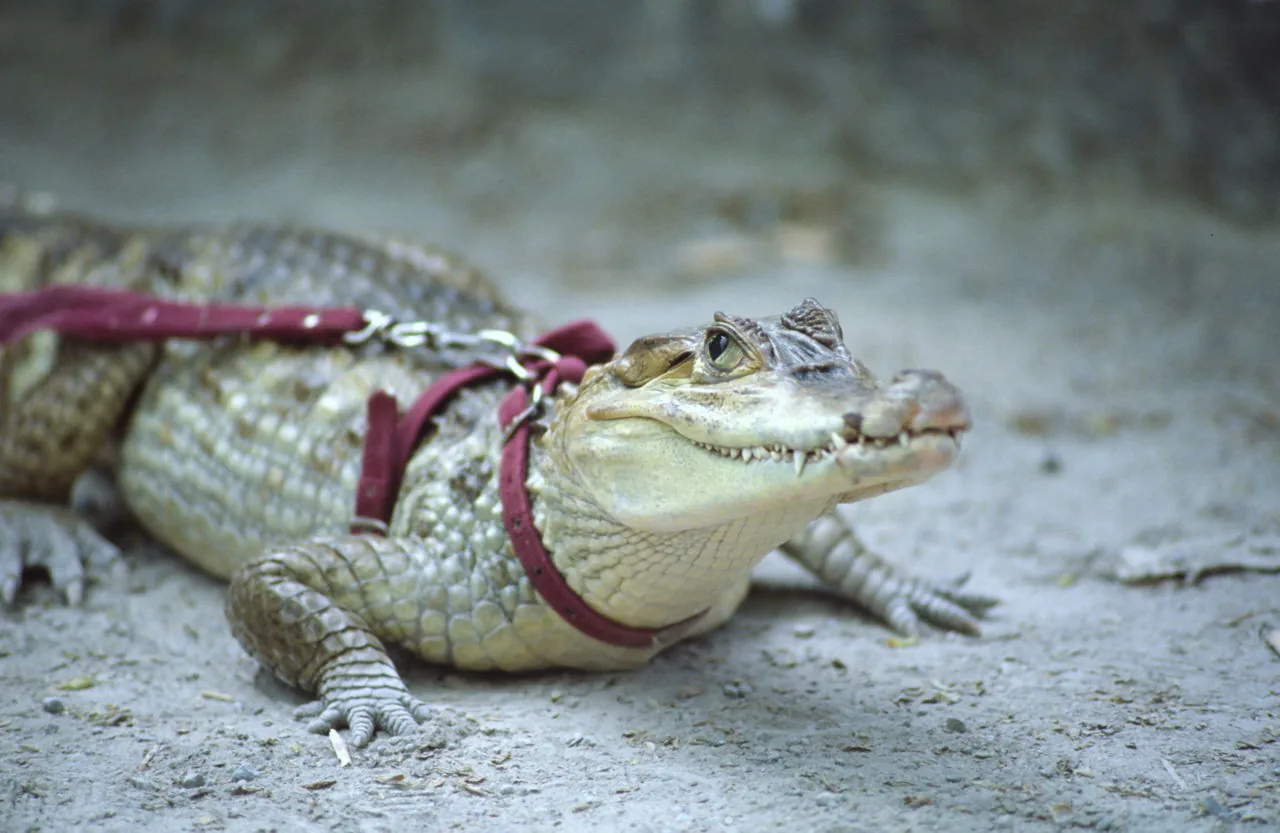
Many wild animals carry diseases that are dangerous, even deadly, for human beings. For example, thousands of people catch Salmonella infections every year from contact with reptiles or amphibians. There was an outbreak of monkey pox in the United States in 2003, which was thought to have been carried by Gambian rats from Africa that were imported for the pet trade.
Decline in the Population of Wild Animals
It isn't that every wild animal caught to be sold as a pet makes it to the warmth and care of a human family. When they are transported from the jungles to the market, they are often subjected to brutal conditions, like cramped cages and not enough food and water. Even after they are adopted as pets, very often they fall sick or die, because their owners are not well equipped to take care of them. Such abuse and cruelty has led to a decline in the population of a number of wild animals.
It is true that the animals we have as pets were wild at some point of time. However, we must remember that these animals have been domesticated after being bred in captivity for generations. They have lost their wild instincts and have adapted to live with human beings. We must consider our decision of adopting wild animals as pets carefully, as there is a great price attached, not only to the animals, but also to our lives and the environment.
Explore More Animals
 This is Why Monkeys Don't Really Make Good PetsFunny and full of joy, monkeys seem to make great pets. However, keeping a monkey as a pet is not a good idea in the long term. Discover why, and what really h
 Do Zoos Do More Harm Than Good? The Pros and ConsAre zoos good or bad for animals? Weigh the real pros and cons (animal rights, conservation, education, and care) with side-by-side charts, a glossary, and a
 Why Are Chimpanzees Endangered? Painful Reasons & What We Can DoChimpanzees are considered an endangered species, a condition for which humans are largely responsible. Read on to know more about why chimpanzees have come und
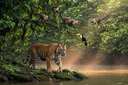 Jungle Animals ListAn A-to-Z list of jungle animals for kids: mammals, birds, insects, arthropods and reptiles that live in the world's jungles, each with a photo and fun facts.
 Fun fact for today!The cat or dog at your feet was shaped by people over thousands of years. A true wild animal never was.