

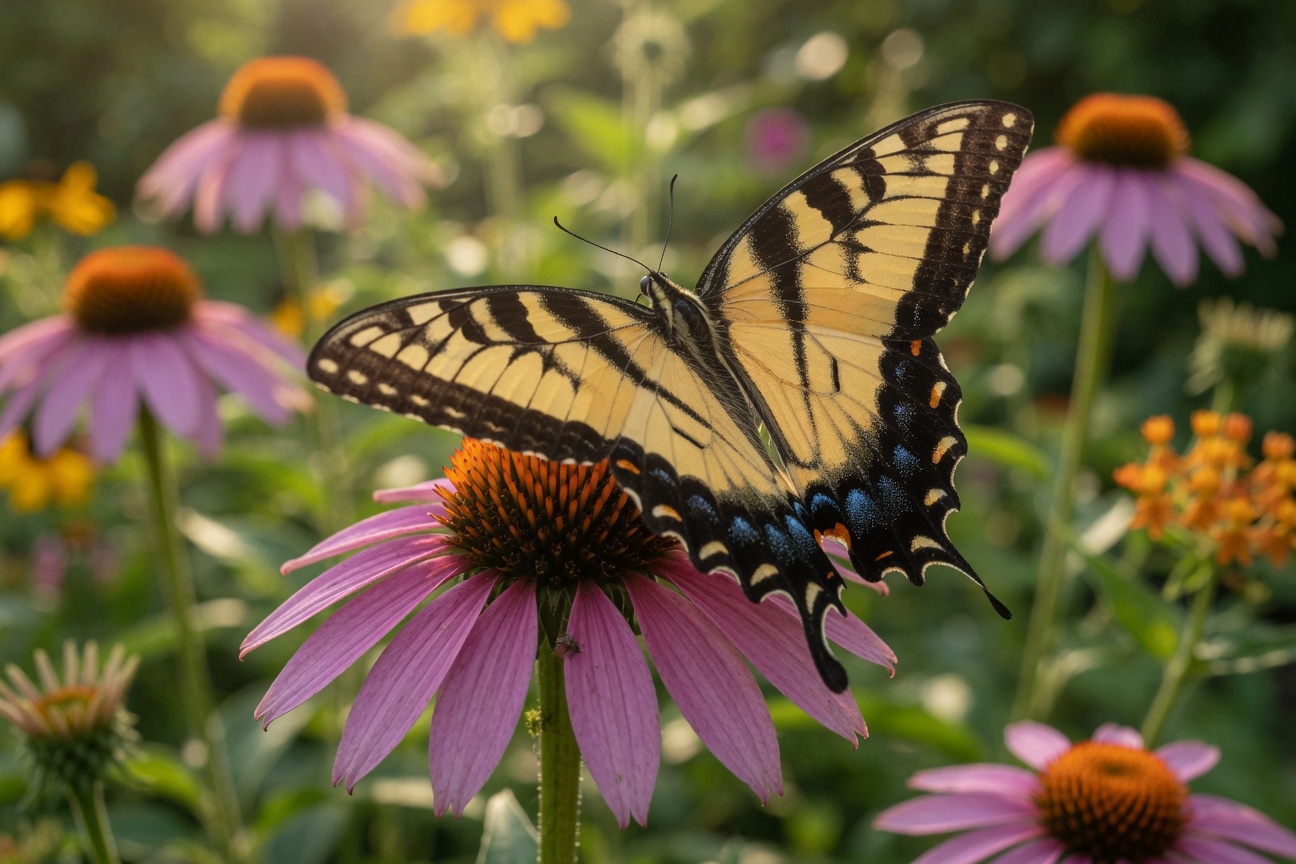
Swallowtail butterflies are large and colorful butterflies found on all the continents of the world, except Antarctica. There are over 500 species of swallowtails, which together form the Papilionidae family of insects. They are the largest butterflies found in Britain. These butterflies are not only large in size, but also show many other variations in their anatomy.
Swallowtail Butterfly Species
Some of the most popular species include the Alpine black swallowtail, Asian swallowtail, Black swallowtail, Canadian tiger swallowtail, Giant swallowtail, Eastern tiger swallowtail, Old world swallowtail, Citrus swallowtail, Spicebush swallowtail, Western tiger swallowtail, and Zebra swallowtail.
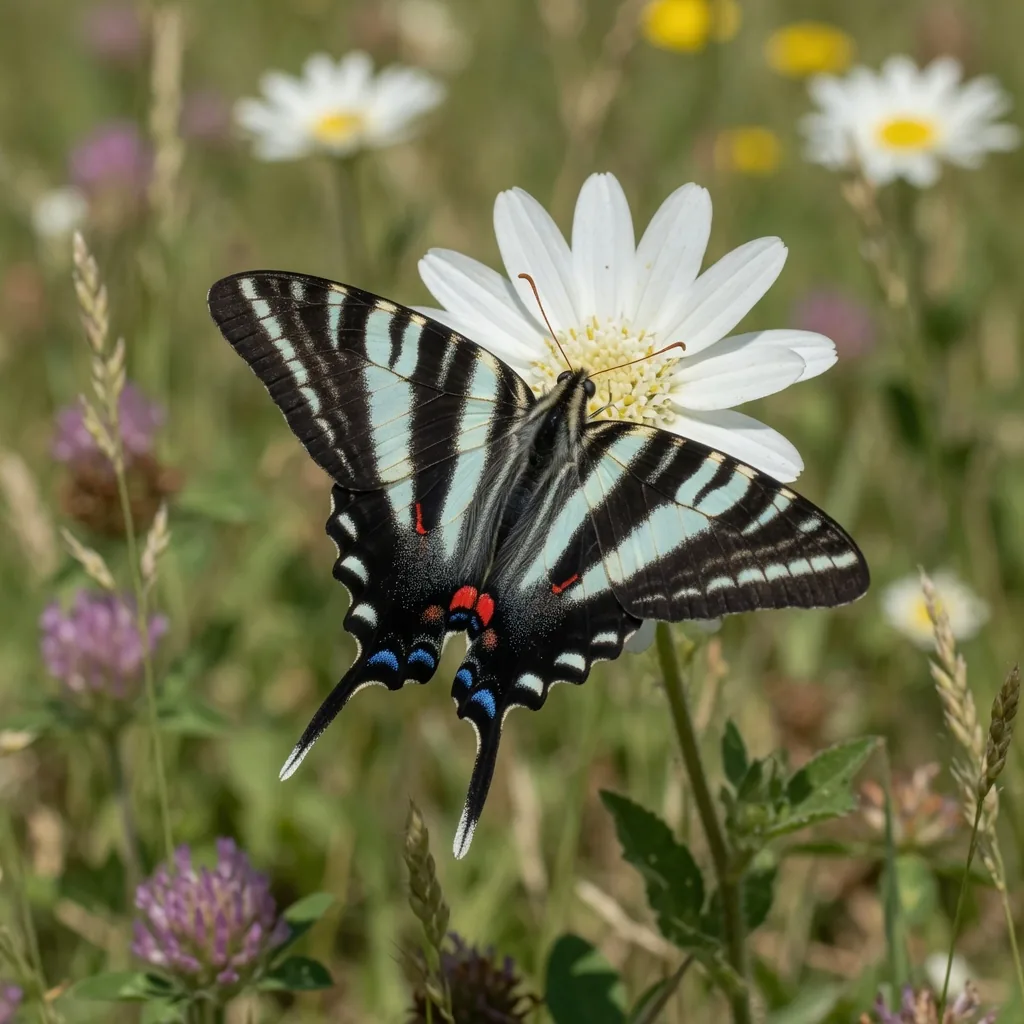
These species are told apart mainly by their appearance. The Zebra swallowtail butterfly, for instance, sports black and white stripes like a zebra, while the Canadian Tiger swallowtail has yellow stripes on its black body. The one trait all species share is the extension at the rear end of their wings, which makes them look like swallows, and that is exactly where the name comes from.
Habitat
A vast majority of swallowtail species are native to the tropical regions, while a few are found in other parts of the world. These butterflies mainly prefer marshy areas and open grasslands with plenty of flowering plants. Each species is restricted to a particular region. For instance, the Eastern tiger swallowtail is found in the eastern regions of the United States, while the Alpine black swallowtail is native to Japan, China, and South Korea.
Life Cycle
Like most butterflies, swallowtails have a four-stage life cycle.
- Egg: The life of a swallowtail butterfly begins as an egg. The female lays eggs on a tree so that the larvae have plenty of food (leaves) when they hatch after 4 to 5 days.
- Caterpillar: When the caterpillar hatches, it first eats the egg shell, then continues feeding on the surrounding leaves. Swallowtail caterpillars can grow up to 2 inches long.
- Pupa: The pupa stage is mainly a resting stage, during which the caterpillar transforms into a full-grown adult butterfly. This stage lasts about 9 to 11 days.
- Adult: In the final stage, the swallowtail develops wings and takes flight.
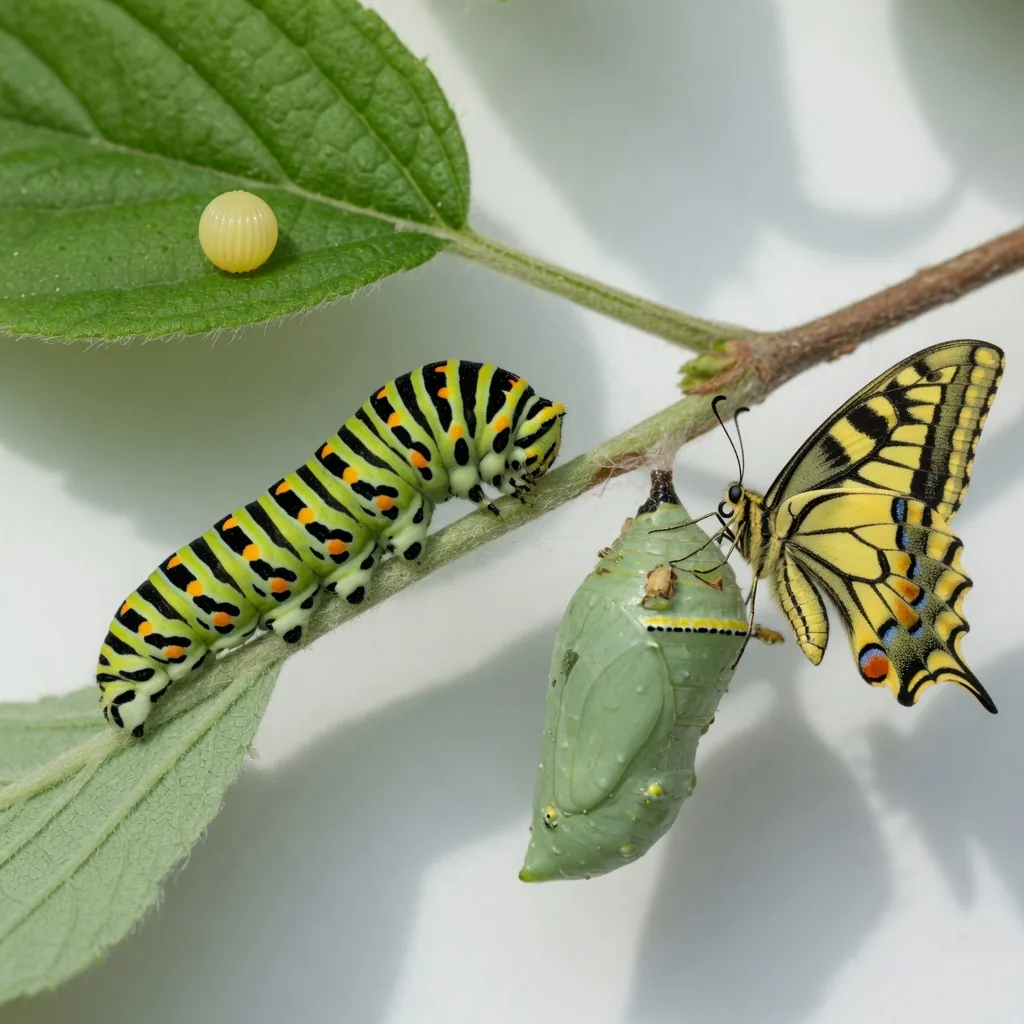
The entire process takes approximately one month, and the cycle continues as the adult females lay new eggs when conditions are right.
Take the Swallowtail Butterfly Quiz!
5 quick questions. How much do you know about these beautiful wings?
Diet
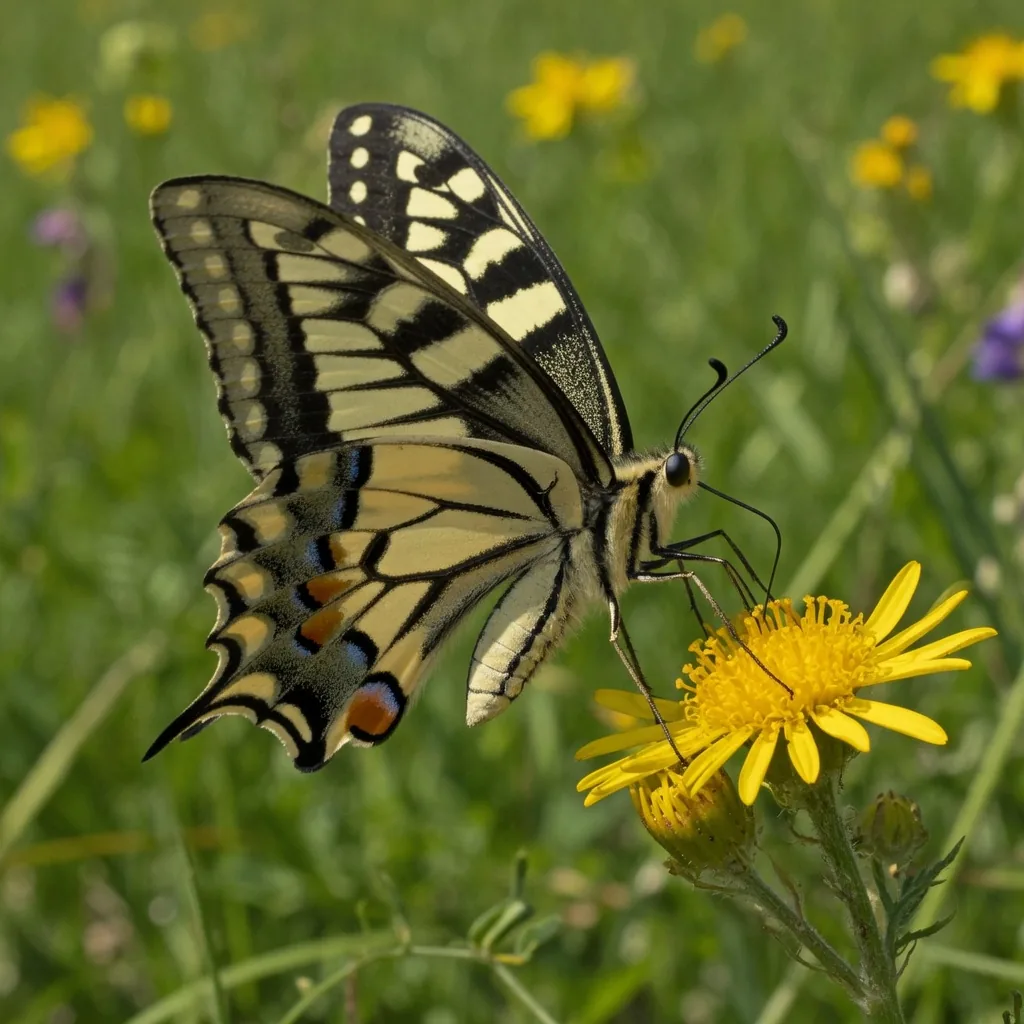
Caterpillars prefer to feed on plant leaves, while adult swallowtails drink nectar from flowers in their surroundings. Their tongue is specially built to suck nectar from flat-topped flowers. When not in use, this flexible tongue coils up into a spiral.
Frequently Asked Questions
What family do swallowtail butterflies belong to?
Papilionidae, a family of over 500 species.
How many species of swallowtail butterflies exist?
Over 500 species.
Where do swallowtail butterflies live?
On every continent except Antarctica; most species prefer tropical regions.
What do swallowtail butterflies eat?
Caterpillars eat plant leaves; adults drink nectar from flowers using a coiled, flexible tongue.
Are swallowtail butterflies endangered?
Some species are listed on the IUCN Red List as endangered.
Flight Behavior
One of the most interesting things about swallowtails is their flight behavior, which differs from one species to another. The black swallowtail, for instance, is known to be one of the fastest of the lot. It is also known for its ability to fly close to the ground.
The flight of the Schaus swallowtail is a bit more unusual. Unlike the giant swallowtail, which flies in a straight line while rapidly fluttering its wings, the Schaus swallowtail flies slowly in a hesitant manner. This distinct flight style is thought to help the species avoid the numerous spider webs in its surroundings.
Explore More Animals
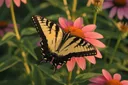 Mesmerizing Facts About the Tiger Swallowtail ButterflyWhile the male tiger swallowtail flaunts yellow and black stripes like a tiger, the female may be darker. Learn about its life cycle, diet, habitat, and how to
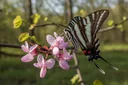 Zebra Swallowtail Butterfly FactsThese butterflies have stripes like zebras and tailed wings like swallows. Discover fascinating facts about the zebra swallowtail butterfly, from its life cycle
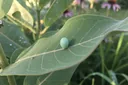 An Awesome Explanation of the Life Cycle of a CaterpillarThe caterpillar life cycle is explained in short in this article, along with some interesting facts about caterpillars.
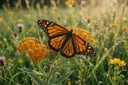 Utterly Fascinating Information About Butterfly MetamorphosisA complete change of physical form starting from the egg, to a larva, then a chrysalis, and then a gorgeous butterfly, discover the four amazing stages of butt
Conservation
Some species of swallowtail butterflies are listed on the International Union for Conservation of Nature (IUCN) Red List as endangered species. Without the right conservation measures, the chances of them becoming extinct in the near future are real. These are some of the most beautiful creatures on our planet, and their loss would be deeply felt. The monarch butterfly faces similar pressures, a reminder that protecting habitat matters for all butterfly species.

 Fun fact for today!Swallowtail butterflies are found on every continent in the world, except Antarctica!