

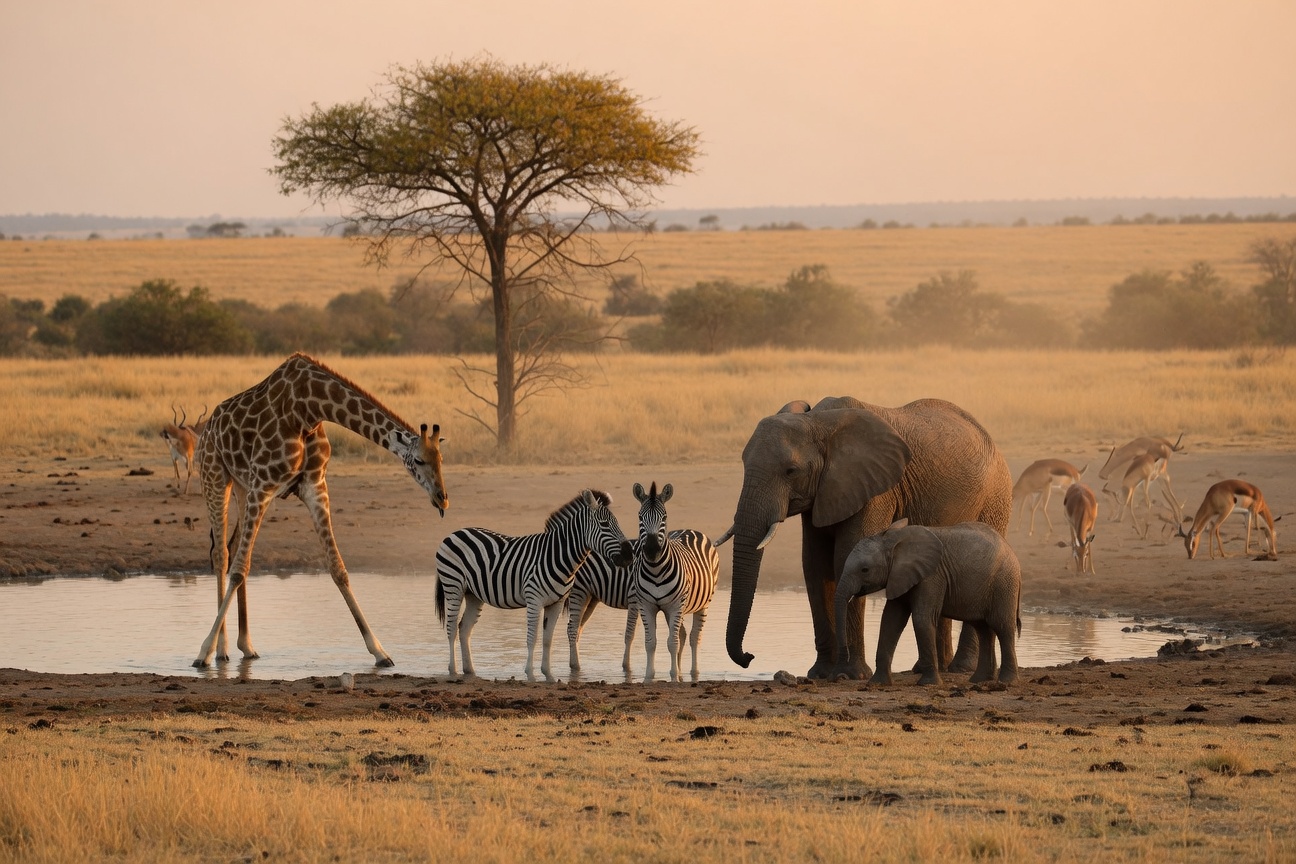
List of Herbivorous Animals
The following list shows which family each of these mammals belongs to, what their diet is, and where they live. Some animals that live in the rainforest regions often have to change their diet because of their surroundings.
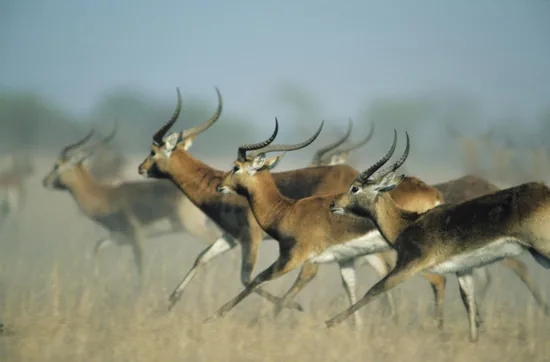
Antelopes
Antelopes belong to the Bovidae family. You will mostly find them in Africa, Europe, and Asian regions. They live in long grassland areas, so their main diet is long grass. Antelopes also turn up in woodlands, forests, marshes, and the Savannah, which is why they eat whatever they can find around them. They live in herds to protect themselves from predators. Some species can run very fast to escape an attack, and they can leap an incredible distance.
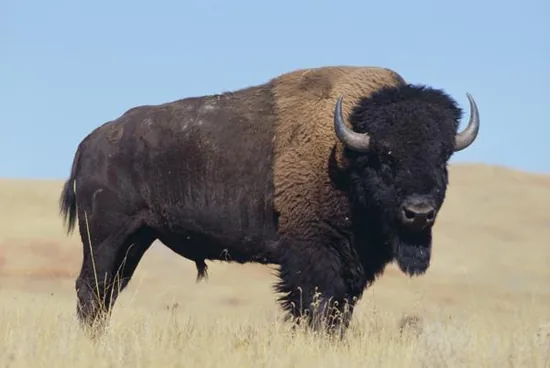
Bison
Bison, like antelopes, belong to the Bovidae family. They are found in North America and Europe, and they are the largest type of cow in the world. Their long, shaggy coat lets them live easily in cooler regions. A few bison species live in warmer regions too, and those have a short, less shaggy coat. Bison feast on grass and tree barks. Their behavior is calm for the most part, but they have been known to attack suddenly.
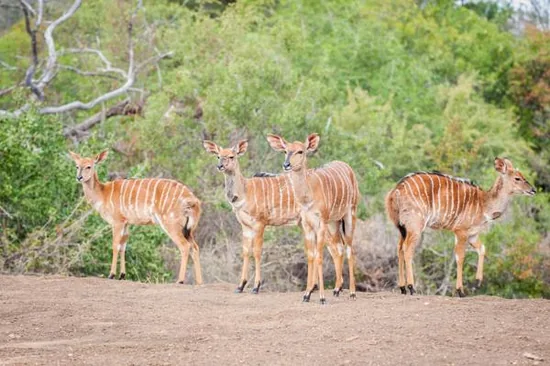
Bongo
Bongos are found in Africa and also belong to the Bovidae family. They feed on grass, vines, the pith of rotting trees, roots, fruits, and many other things. They tend to live where there is a steady supply of water. Just like okapis, bongos are known to eat the charcoal from trees burned by lightning.
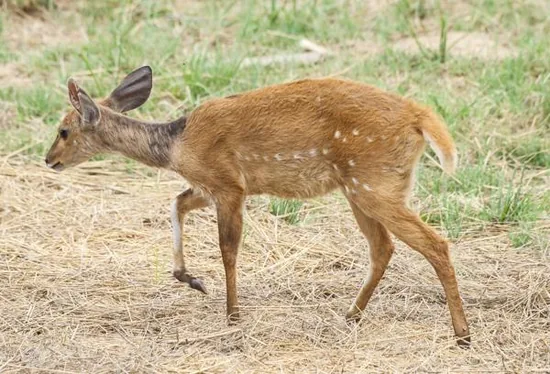
Bushbuck
Bushbucks live in Sub-Saharan Africa and belong to the Bovidae family. They feed on shrubs, herbs, and leguminous plants. Bushbucks are hunted by humans. These mammals are seen as dangerous to people, because they have been known to attack hunters from the bushes.
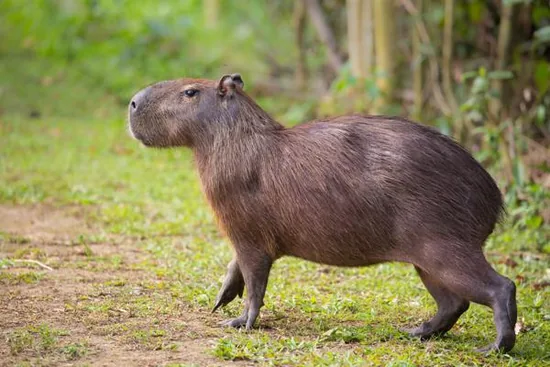
Capybara
The capybara is found in Southern America and belongs to the Caviidae family. It eats grass, aquatic plants, fruits, and tree bark. Capybaras are semi-aquatic mammals, so they also live near lakes, swamps, ponds, and rivers. They can swim well and can even stay underwater for about 5 minutes at a time. This helps them hide from predators, or get away from a male during mating season.
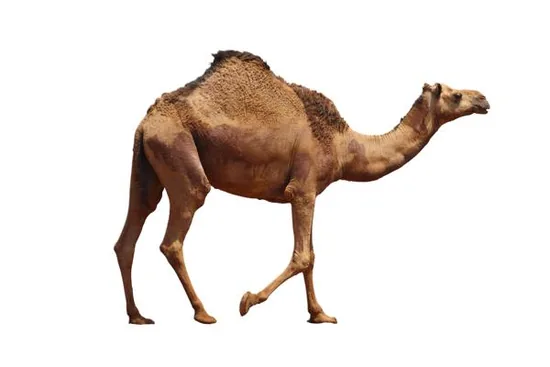
Camel
Camels are from the Camelidae family. They are mainly found in Africa, Asia, and Australia, and they survive on grass, wheat, oats, and grains. Camels can store water in their humps, so they can survive in the harshest of climates — the deserts of the Middle East, Australia, and Eastern Asia. The desert is hot during the day and close to freezing at night, and because the camel can handle both, it is of excellent use to humans.
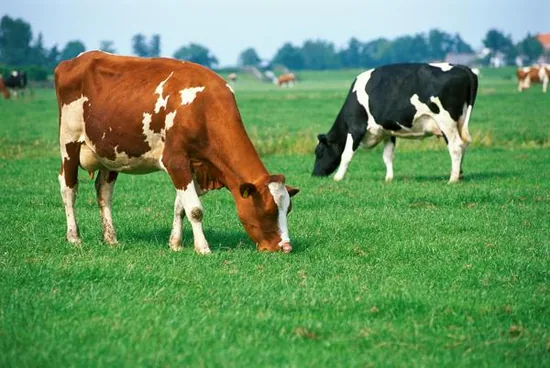
Cow
These domesticated mammals are widespread and can be found almost everywhere. They belong to the Bovidae family and eat grass or hay. Humans keep cows for many purposes, such as pets and farming, and for their milk, meat, and leather. In India, cows are considered sacred and are given a godlike admiration.
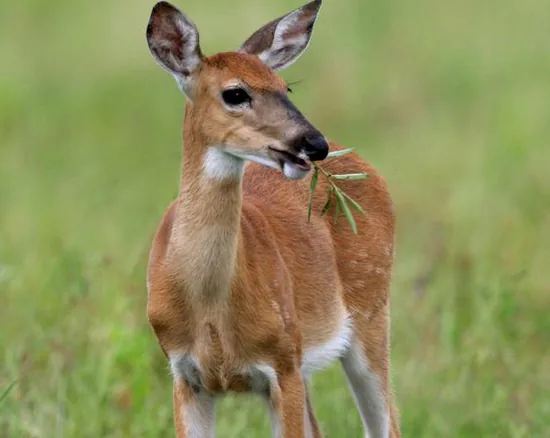
Deer
You can find deer on almost every continent, apart from Australia and Antarctica. They belong to the Cervidae family and feed on grass, weeds, and herbs. Some species of deer are endangered because of poaching and hunting.
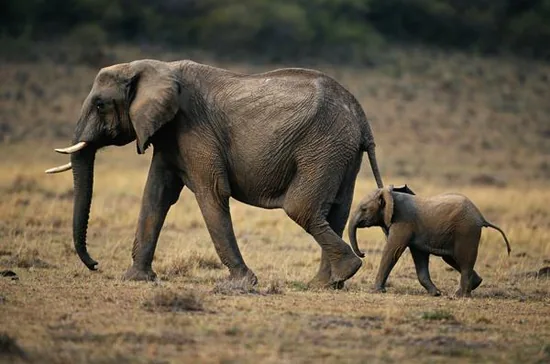
Elephant
The elephant is the biggest, largest living animal in the world, and elephants are found in all parts of the world. They belong to the Elephantidae family and eat leaves, bark, the fruits of trees, and shrubs. Elephants have been hunted and poached for centuries for their tusks and bushmeat. The male elephant is called "a bull", and the female elephant is called "a cow".
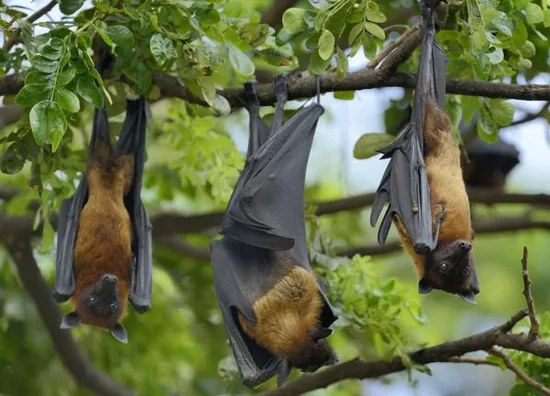
Fruit Bats
Megabats, or fruit bats, can be found anywhere in the world. They belong to the Pteropodidae family and feast on nectar, flowers, and native fruits. They have been known to carry fruits with them as they fly, spitting out the seeds along the way. With their big eyes and a sharp sense of smell, fruit bats can fly during twilight and see well inside caves.
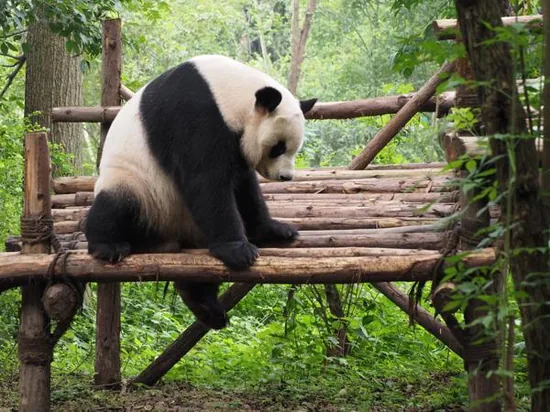
Giant Panda Bear
Giant Panda Bears are mostly found in Central-Western and South-Western China. They belong to the Ursidae family and eat bamboo. Sadly, the giant panda is classed as an endangered species, because its birthrate is quite low and it keeps losing its habitat. Poaching is one of the main reasons the giant panda is endangered.
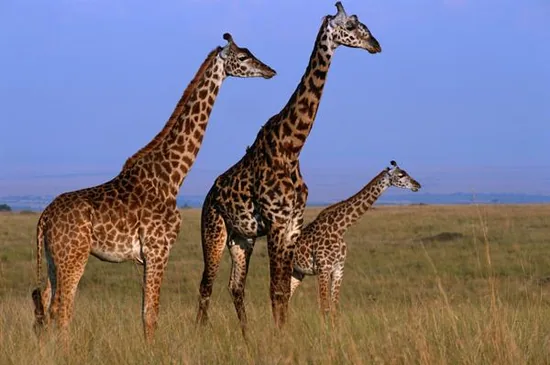
Giraffe
The giraffe hails from the African desert. Giraffes belong to the Girrafidae family and feed on the baobab trees; they also eat shrubs, fruit, and grass. They are the tallest living land animals in the world. Giraffes can either walk or gallop around. Thanks to their long tongues, they can reach the leaves on tall trees.
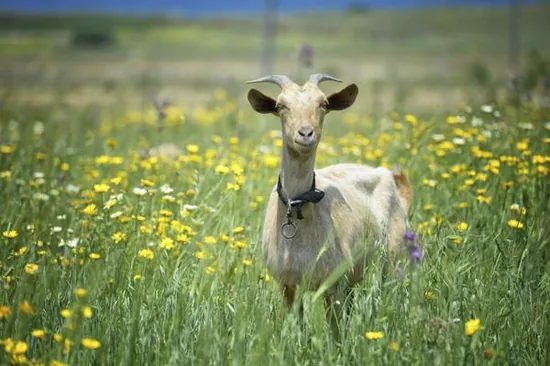
Goat
Goats are found all across the globe and belong to the Bovidae family. A goat will eat almost anything it can find, right down to paper and cardboard boxes. Mostly, though, they feed on the tips of woody shrubs and broad-leaved plants. Humans keep goats for their milk, hair, skin, and meat, and also as pets. The male goat is called "a buck", and the female goat is called "a doe".
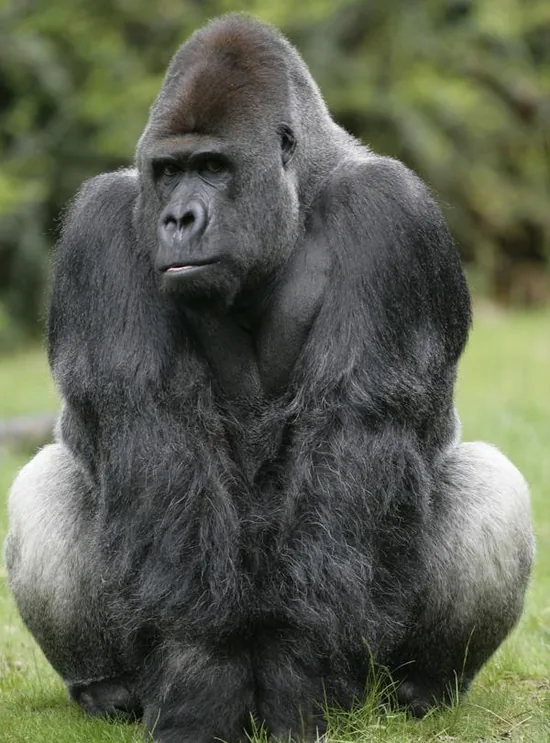
Gorilla
Gorillas are mostly found in Africa and belong to the Huminidae family. These primates eat fruits, leaves, and shoots. They walk on their knuckles, though over short distances they have been known to walk on their feet too. Gorillas build two kinds of nests — daytime nests and nighttime nests — to keep away from predators.
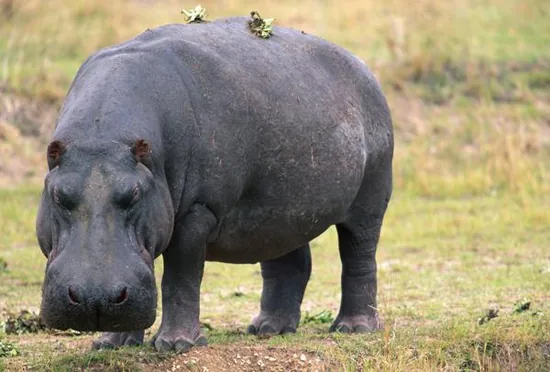
Hippopotamus
The hippopotamus can live in water and on dry land. Hippos are found in sub-Saharan Africa and are the third biggest, largest living mammal on land. They belong to the Hippopotamidae family and eat short grass and a few aquatic plants. Because hippos are semi-aquatic mammals, the females tend to give birth to their young underwater.
Take the Herbivore Heroes Quiz!
5 quick questions. Find out how much you really know about the world’s plant-eating animals.
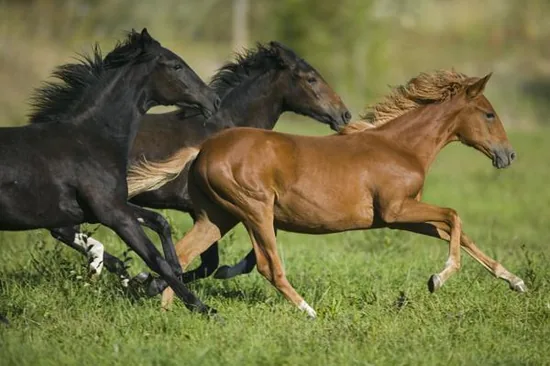
Horse
Horses are not tied to one region — they are found all across the world. They belong to the Equidae family and eat grass and other plant material. The male horse is called "a stallion", and the female is called "a mare". Horses come in different sizes and species, and humans use them for many purposes, such as pets, riding, pulling wagons, and sports.
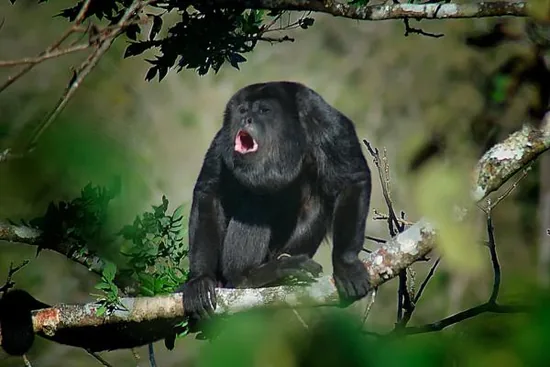
Howler Monkey
There are about 15 different species of howler monkeys, and they live in the forests of South and Central America. They belong to the Atelidae family and feed on canopy leaves, fruits, flowers, buds, and nuts. They are called howler monkeys because of the way they communicate: they can make loud noises, or howls, for all sorts of reasons.
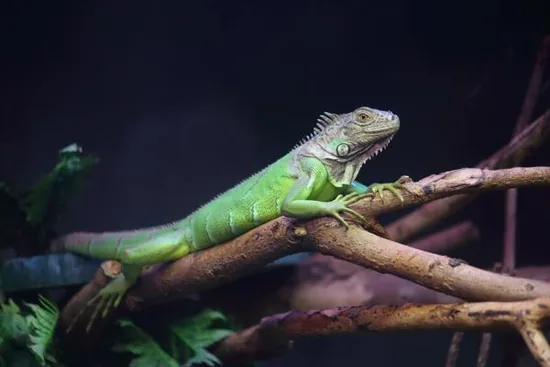
Iguana
This herbivorous lizard is a native of Central and South America and the Caribbean. Iguanas belong to the Iguanidae family and feed on a leafy diet of lettuce, mustard greens, and the like. They can swim well to escape predators, and they have superb vision. They can see and tell apart shadows, different colors, and shapes, and they can notice movement a long way off.
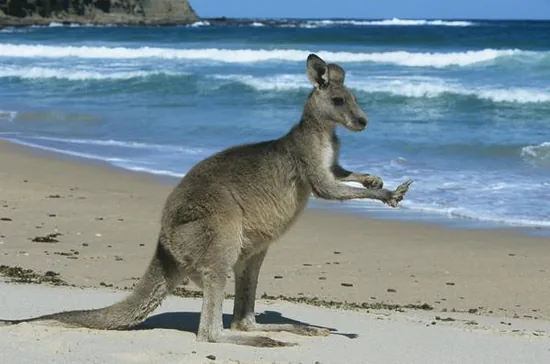
Kangaroo
There are four different species of kangaroos found in Australia — the Red Kangaroo, the Antilopine Kangaroo, the Western Gray Kangaroo, and the Eastern Gray Kangaroo. They belong to the Macropodidae family. Kangaroos eat grass and shrubs, and sometimes fungi. They can hop at a speed of 12 to 45 mph, depending on how far they need to go.
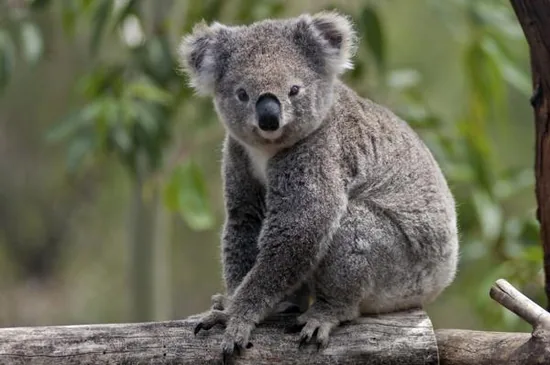
Koala
Koalas are found in Australia and belong to the Phascolarctidae family. They mostly eat eucalyptus leaves, chewing them into a paste so they can swallow them properly. Koalas are usually quiet mammals, but at times they make loud, crying noises — during the breeding season and when they are under stress. Koalas are not an endangered species yet, but with cities growing so fast, losing their habitat is a real risk.
Frequently Asked Questions
What is a herbivore?
A herbivore is an animal that survives on plants, fruits, leaves and other natural food sources. Herbivores cannot digest meat because they have broad, flat teeth for grinding plants.
What are some examples of herbivore animals?
Herbivore mammals include antelopes, bison, cows, deer, elephants, giraffes, goats, horses, kangaroos, koalas, rabbits, reindeer, rhinoceroses, sheep, tapirs and zebras.
Are there herbivore birds and reptiles too?
Yes. Herbivore birds include ducks, geese, cockatoos, macaws and toucans, and herbivore reptiles include iguanas and tortoises. Herbivore insects include butterflies, treehoppers and grasshoppers.
What is the difference between a frugivore and a folivore?
A frugivore is a herbivore that mainly eats fruit, while a folivore is a herbivore that mainly eats leaves. Both are types of plant-eating animals.
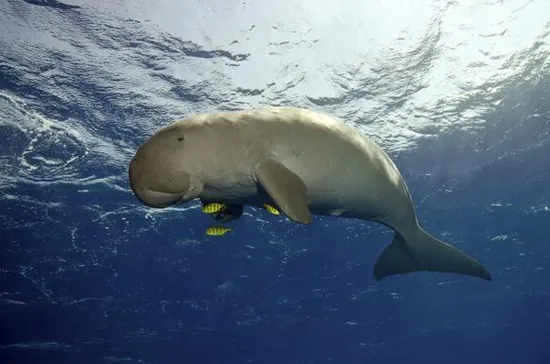
Manatee
Manatees, also known as sea cows, are found between the African and the American continents. They belong to the Trichechidae family and eat mangrove leaves, turtle grass, and sometimes algae. They can weigh up to 500 kg, are quite large, and can live a long life, up to 70 years. Manatees are herbivorous aquatic mammals, but a few species are known to feed on small fish as well.
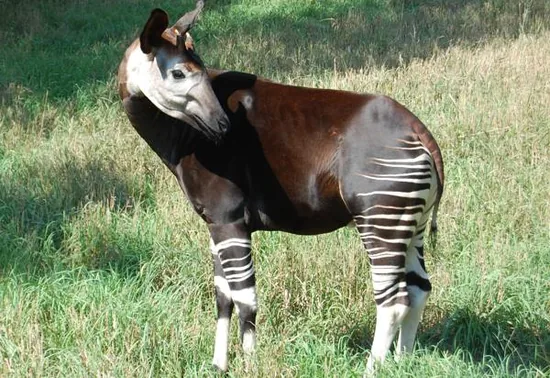
Okapi
Okapis live in the Democratic Republic of Congo, in dense mountain rainforest regions, and belong to the Girrafidae family. They eat tree leaves, grass, ferns, fruits, and fungi. They have also been known to eat the charcoal from trees burned by lightning. It is a good sign that this mammal is not on the endangered list, but it is still a target for poaching.
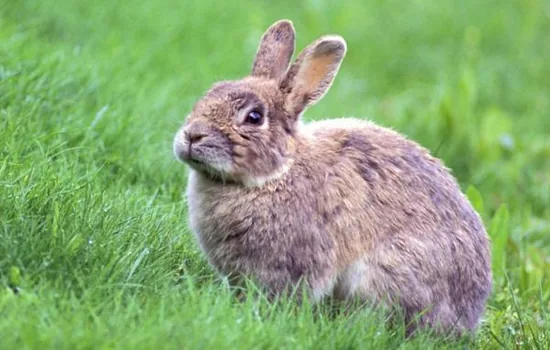
Rabbit
These mammals are found in several parts of the world. They belong to the Leporidae family and eat grass, leafy woods, and forbs. A male rabbit is called "a buck", and a female rabbit is called "a doe". Rabbits have been known to live in woods, forests, meadows, wetlands, deserts, and grasslands. They dig burrows underground to find a safe place to live and hide from predators.
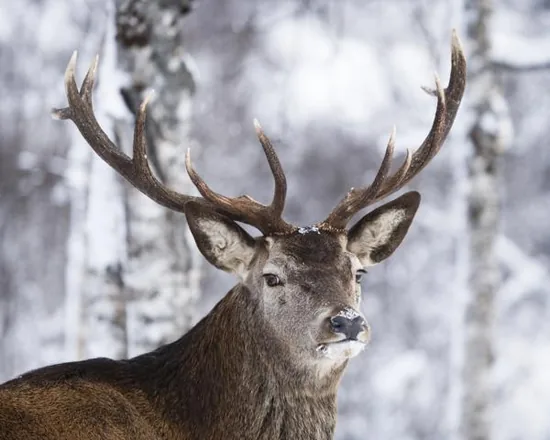
Reindeer
Reindeer, or Caribou, come from the deer family and are domesticated. They are found in North America, Sweden, Norway, Russia, Northern Finland, and Siberia. When searching for food during the migration period, reindeer travel great distances, and they can run as fast as 50 to 55 mph. Their diet is grass, reindeer lichen, fungi, moss, and certain plants.
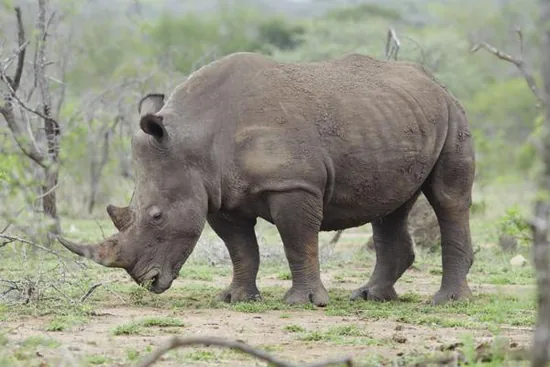
Rhinoceros
There are five different species of rhinoceros, found in Africa and S. Asia — the White Rhinoceros, Black Rhinoceros, Javan Rhinoceros, Indian Rhinoceros, and Sumatran Rhinoceros. They belong to the Rhinocerotidae family and eat short grains, fruits, leaves, grass, and shoots. Their average weight can reach up to 1.5 tons. The White, Black, and Sumatran rhinoceroses have 2 horns, while the Indian and Javan rhinoceroses have only one.
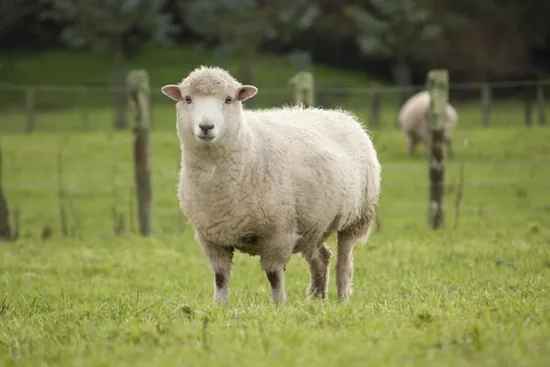
Sheep
Sheep are found all across the globe and belong to the Bovidae family. They have been domesticated for farming for their milk, meat, and wool. Humans have used sheep for many purposes ever since the dawn of civilization. A male sheep is called "a ram", and a female sheep is called "a ewe" (pronounced as yooh). Sheep eat stems, leaves, berries, and seeds.
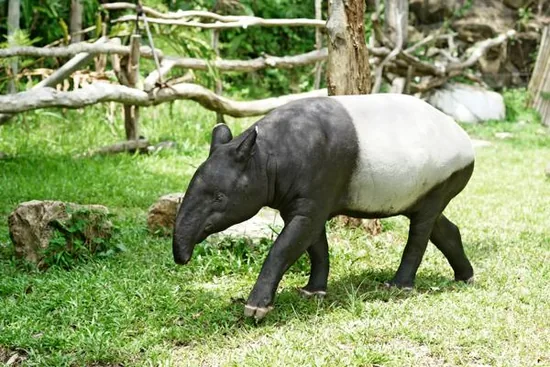
Tapir
There are four different species of tapirs, found across Southern America, Central America, and Southeast Asian regions. They are considered endangered, mainly because deforestation keeps destroying their habitat. The four species are the Malayan Tapir, Mountain Tapir, Brazilian (or South American) Tapir, and Baird’s Tapir. They belong to the Tapiridae family. Tapirs feed on leaves, shoots, buds, and small branches. They also eat fruit, grass, and some aquatic plants.
Zebra
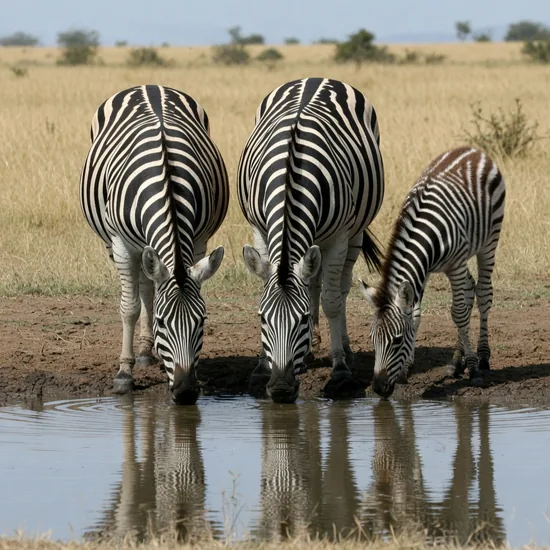
There are several subspecies, but three main, unique species of zebras live in Africa’s open plains and bushy grasslands, all with their own pattern of black and white stripes. Zebras belong to the Equidae family. Of the three species — the Plains Zebras, the Mountain Zebras, and the Grévy’s Zebras — the last two are considered endangered. They eat grass, shrubs, herbs, leaves, flowers, tree barks, and twigs.
There are hundreds of different species of herbivorous animals all over the world, and it would be very hard for anyone to write them all down at once. Perhaps this small guide gives you an idea of which animals fall into this category.
Explore More Animals
 Jungle Animals ListAn A-to-Z list of jungle animals for kids: mammals, birds, insects, arthropods and reptiles that live in the world's jungles, each with a photo and fun facts.
 A Complete List of Desert Animals (With Pictures)Meet the hardy animals that survive the world's hot and cold deserts: camels, fennec foxes, meerkats, rattlesnakes, polar bears and dozens more, plus a close-up
 What Do Elephants Eat? Diet, Habits & Fun FactsElephants consume up to 375 pounds of plants every day. Find out exactly what wild and zoo elephants eat, how they find minerals, and why they spend 80% of thei
 African Antelope: Species, Sizes, Facts and PhotosThe complete kids' guide to African antelope, meet 19 amazing species from the mighty eland to the tiny royal antelope, see how big they get, explore the full

 Fun fact for today!The biggest land animal on Earth, the elephant, is a herbivore — it can eat around 150 kg of plants in a single day!