

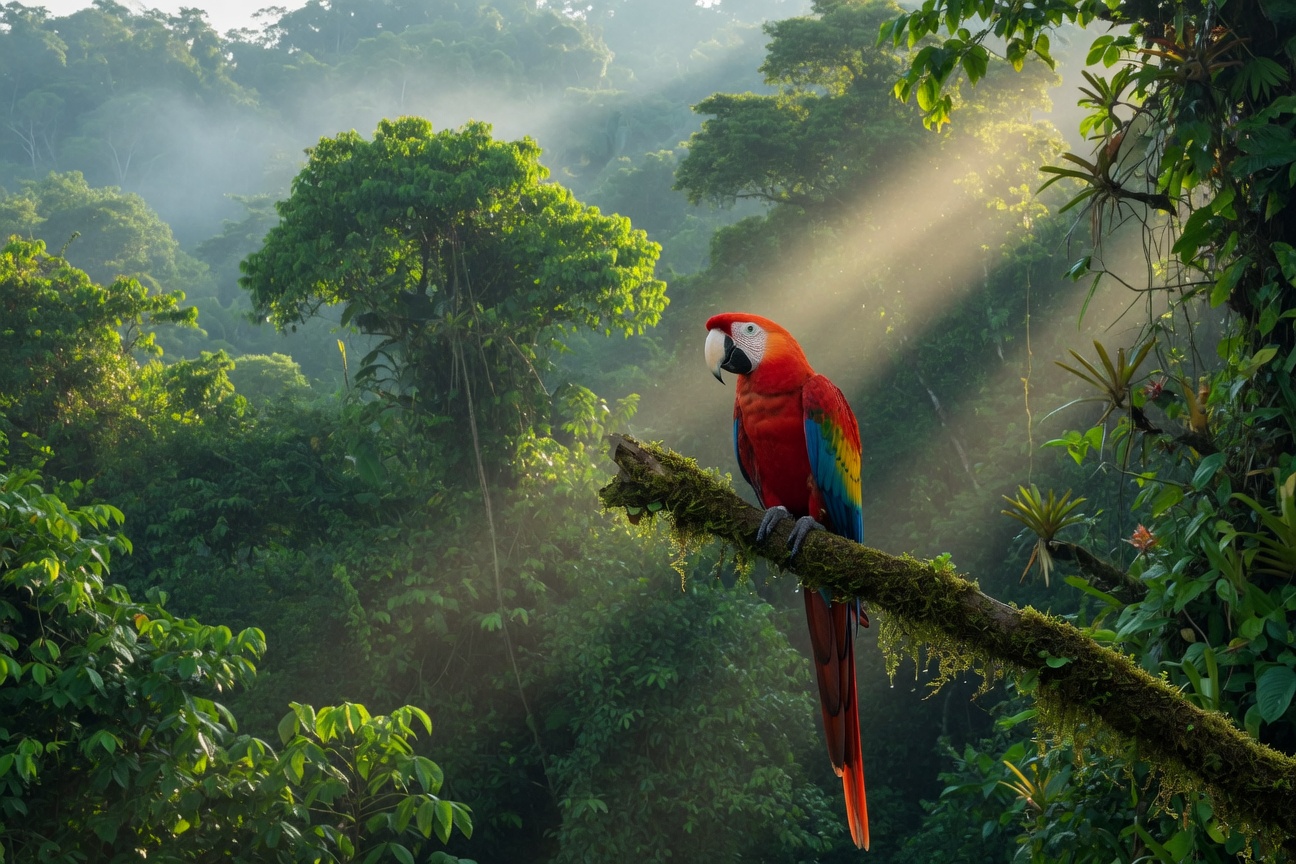
Do we humans believe in equality? You might wonder, when you see how readily we destroy nature — exploiting ecologies and biospheres under the banner of "advancement and progress", when the only thing really advancing is our own selfish ends. It is interesting how often we fail to see the bigger picture. While enjoying the benefits of human civilization (built at the cost of nature), we forget that we are part of that same nature we are so intent on exploiting.
There is no doubt that the tropical rainforests of the world are in danger. Every hour approximately six species of life in our tropical rainforests are destroyed. Experts agree that the number one cause of extinction in the tropical rainforest is due to the destruction of the tropical rainforest environment.
— Jason Albright
Sometimes I wonder whether we humans are the real aliens, bent upon sucking the life out of planet Earth for our own benefit! Anyway, those were just the musings of a world-weary soul. Let's take a look at a list of animals living in tropical rainforests — before the time comes when none are left.
What Is a Tropical Rainforest?
Tropical rainforests are found near the equator, in the warm, wet, humid belt with dense forest cover. They are considered some of the oldest and most complex ecosystems on Earth, which is exactly why so many different kinds of animals are found here. The animals have adapted to this habitat in remarkable ways, and are an important part of it.
Rainforests lie in the equatorial zone, between the Tropic of Cancer and the Tropic of Capricorn. This ecosystem has high average temperatures, high humidity, and a large amount of rainfall all year round. Thousands of animal species call these forests home — scientists believe that about 40% to 75% of all biotic (living) species on Earth are native to these regions.
Rainforests are some of the most important places on the planet. They help produce oxygen, help control the climate, and provide homes for a huge variety of wildlife. Sadly, most of the animals found in tropical rainforests are endangered, just as the forests themselves are under threat.
The Tropical Rainforest Biome
The tropical rainforest biome ranges between the latitudes 25°N of the equator and 25°S of it. The regions covered by this ecosystem include large parts of Asia, Africa, Australia, Central and South America, a few Pacific Islands, and Mexico. These regions are covered by what we call lowland equatorial evergreen rainforests, which are a type of tropical moist broadleaf forest.
List of Tropical Rainforest Animals
Rainforest plants are usually sorted into five layers of vegetation: the ground layer, shrub layer, understory, canopy, and the emergent layer. Each of these layers is home to several different kinds of animals.
Mammals & Marsupials Of the forest
- Agouti
- Capybara
- Baird’s Tapir
- Brazilian Tapir
- Malayan Tapir
- Bearded Pig
- Giant Anteaters
- Giant Otter
- Common Tree Shrew
- Okapi
- Tree Kangaroo
- Three-toed Sloth
- Bats
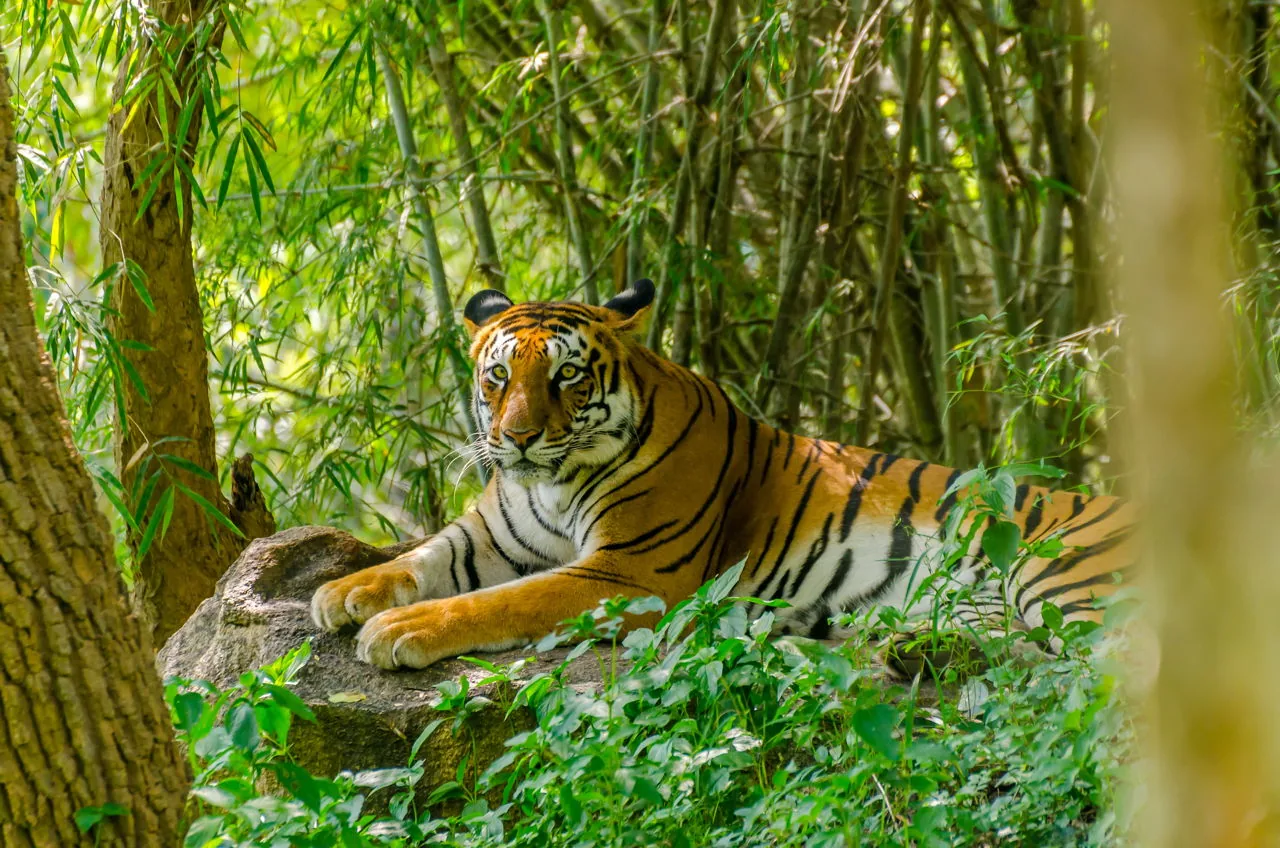
Big Cats & Hunters Top predators
- Jaguar
- Leopards
- Ocelot
- Bengal Tiger
- Sumatran Tiger
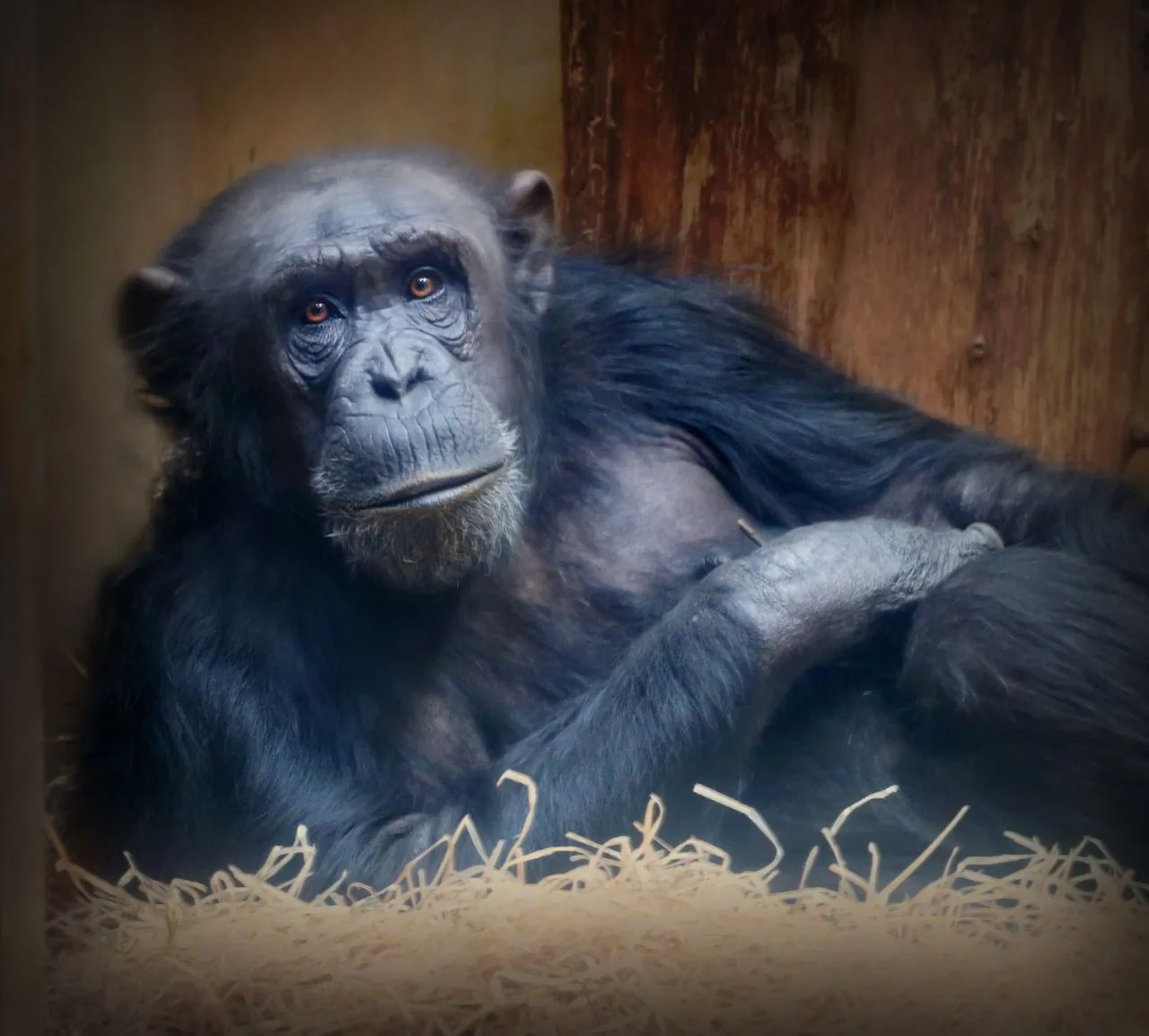
Monkeys, Apes & Tamarins Tree-dwellers
- Black Howler Monkey
- Red Howler Monkey
- Woolly Monkey
- Proboscis Monkey
- Mandrill
- Emperor Tamarin
- Golden Lion Tamarin
- Slow Loris
- Aye Aye
- Gorilla
- Mountain Gorilla
- Silver Back Gorilla
- Bonobo
- Chimpanzee
- Orangutan
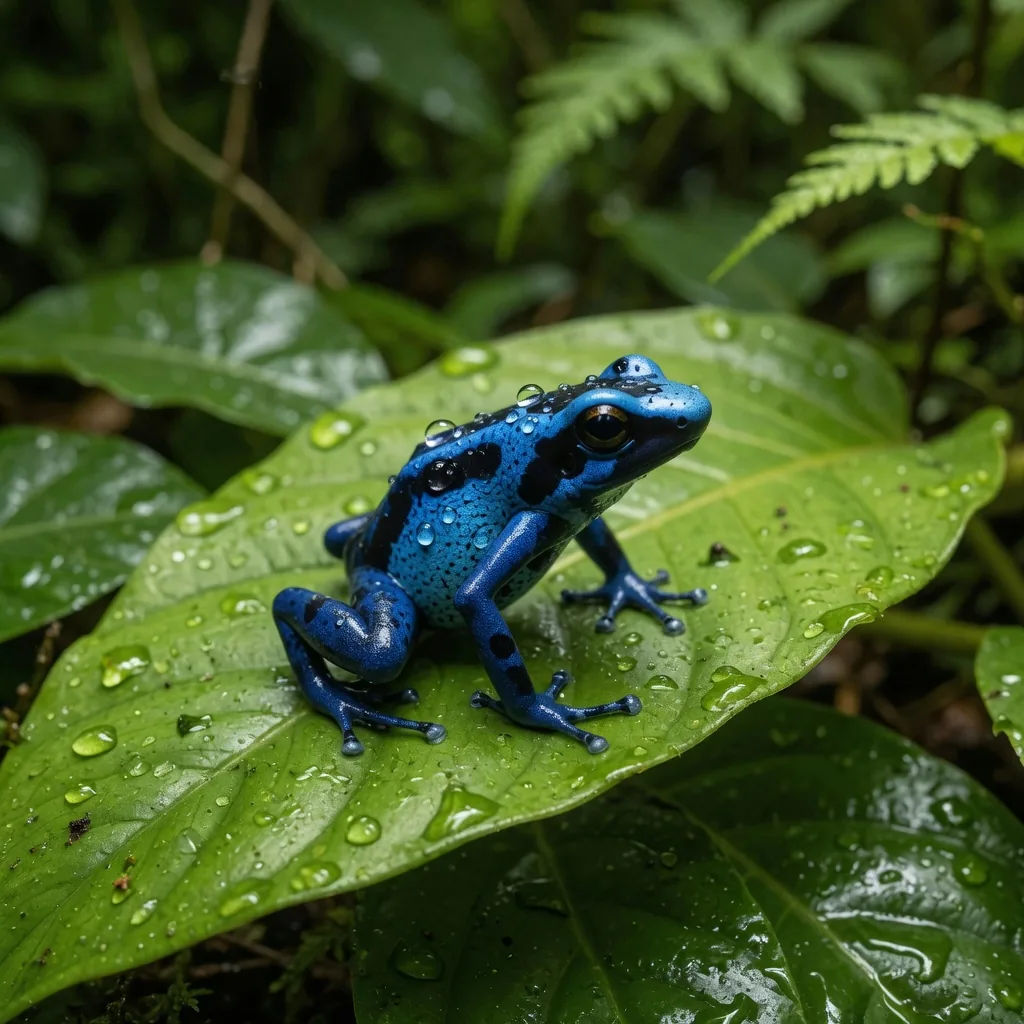
Reptiles & Amphibians Cold-blooded
- Anaconda
- Emerald Boa
- Coral Snake
- Vine Snake
- Indian Cobra
- Iguana
- Fijian Iguana
- Flying Dragon Lizard
- Poison Dart Frog
- Tree Frog
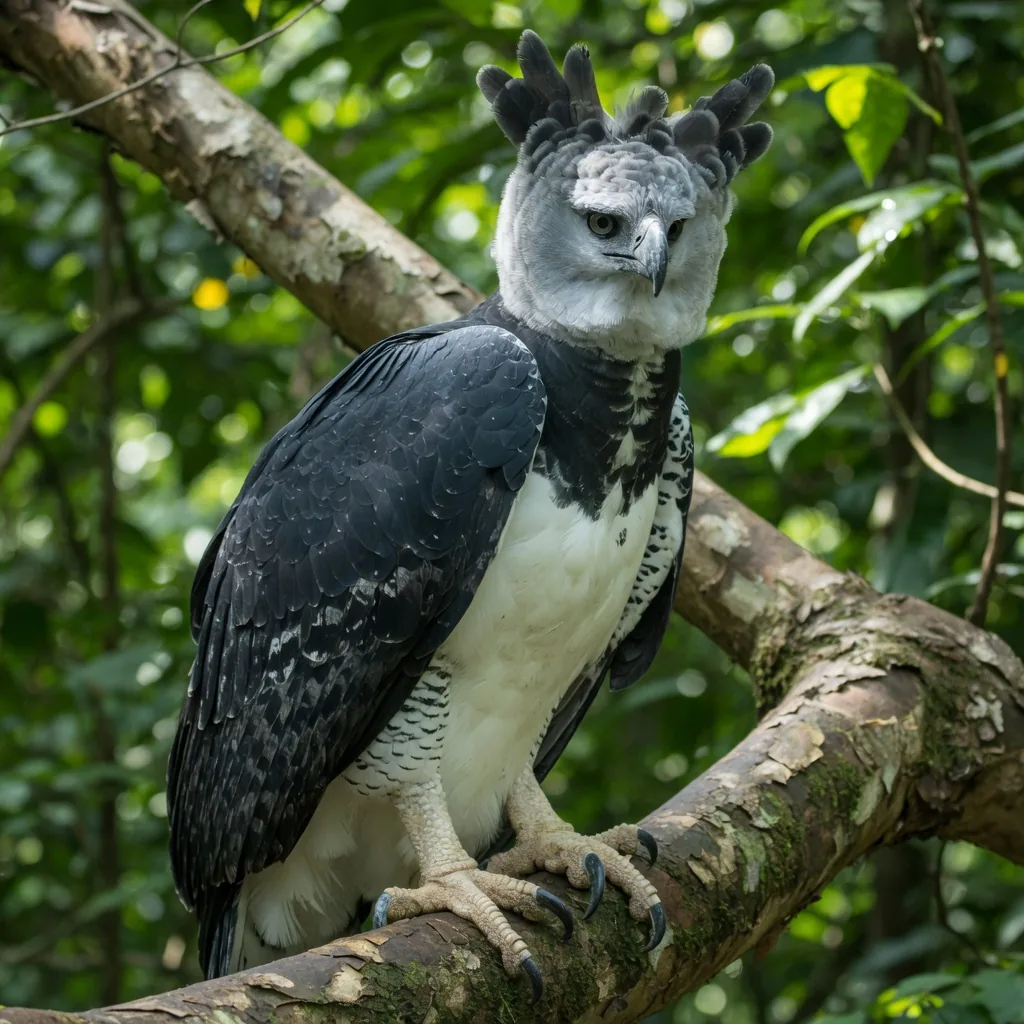
Birds of the Canopy Above the trees
- Harpy Eagle
- Toco Toucan
- Fiery Billed Aracari
- Macaws
- Parrots
- Hornbills
- Kingfishers
- Hoatzin (Stink Bird)
- Nicobar Pigeon
- Crested Guan
- Jungle Fowl
- Cassowary
Insects & Mini-beasts Six legs
- Azteca Ants
- Brachydiplax Dragonfly
- Clear Wing Butterfly
- Monarch Butterfly
- Stick Mantid
Rainforests Around the World
Rainforests grow on several continents, and each one has its own special set of animals. Here is a quick look at who lives where, from the Amazon in South America to the forests of Africa and Asia.
Amazon Rainforest South America
- Blue Morpho butterfly
- Brazilian tapir
- Capybara
- Jaguar
- Piranha
- Ocelot
- Leaf-cutter ant
- Macaws
- Spider monkey
African Rainforests Congo Basin
- Mandrill
- African Elephant
- African Gray parrot
- African leopard
- Bonobo
- Colobus monkey
- Crowned eagle
Asian Rainforests Borneo to India
- Asian elephant
- Asian rhinoceros
- Asian water buffalo
- Bengal tiger
- Malayan sun bear
- Orangutan
- Flying Fox
- Gibbon
- Sulphur-crested cockatoo
- Tarsier
A Closer Look at Key Species
The names above only scratch the surface. Let's meet some of the best-known animals that live in these forests up close — from South American primates to Asian giants to Central American hunters.
Frequently Asked Questions
What animals live in the tropical rainforest?
Tropical rainforests are home to mammals, monkeys, big cats, reptiles, amphibians, birds and insects, from jaguars, gorillas, orangutans and sloths to harpy eagles, toucans, poison dart frogs and anacondas.
Where are tropical rainforests found?
The tropical rainforest biome lies between 25°N and 25°S of the equator (the band between the Tropic of Cancer and the Tropic of Capricorn) covering parts of Asia, Africa, Australia, Central and South America, a few Pacific Islands, and Mexico.
Why does the rainforest have more animals than any other habitat?
Rainforests are believed to be the oldest ecosystems on the planet, and their warm, wet conditions and five layers of vegetation create homes for an enormous number of different species. Scientists believe about 40% to 75% of all living species on Earth are found in tropical rainforests.
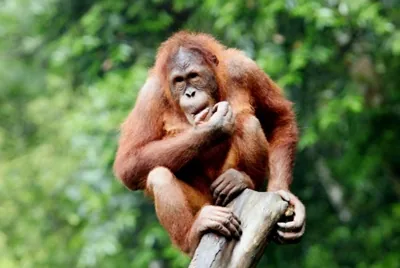
Orangutan
Orangutans are the largest of the great apes, and are most abundant in the Southeast Asian tropical rainforests. They are arboreal — meaning they live in trees — and spend most of their lives up in the canopy. They have a strong, bulky body, powerful arms, and short legs, and their fur is reddish-brown. Their diet includes ripe fruits, leaves, flowers, vines, and orchids. In Malay, the word "orangutan" means "man of the forest."
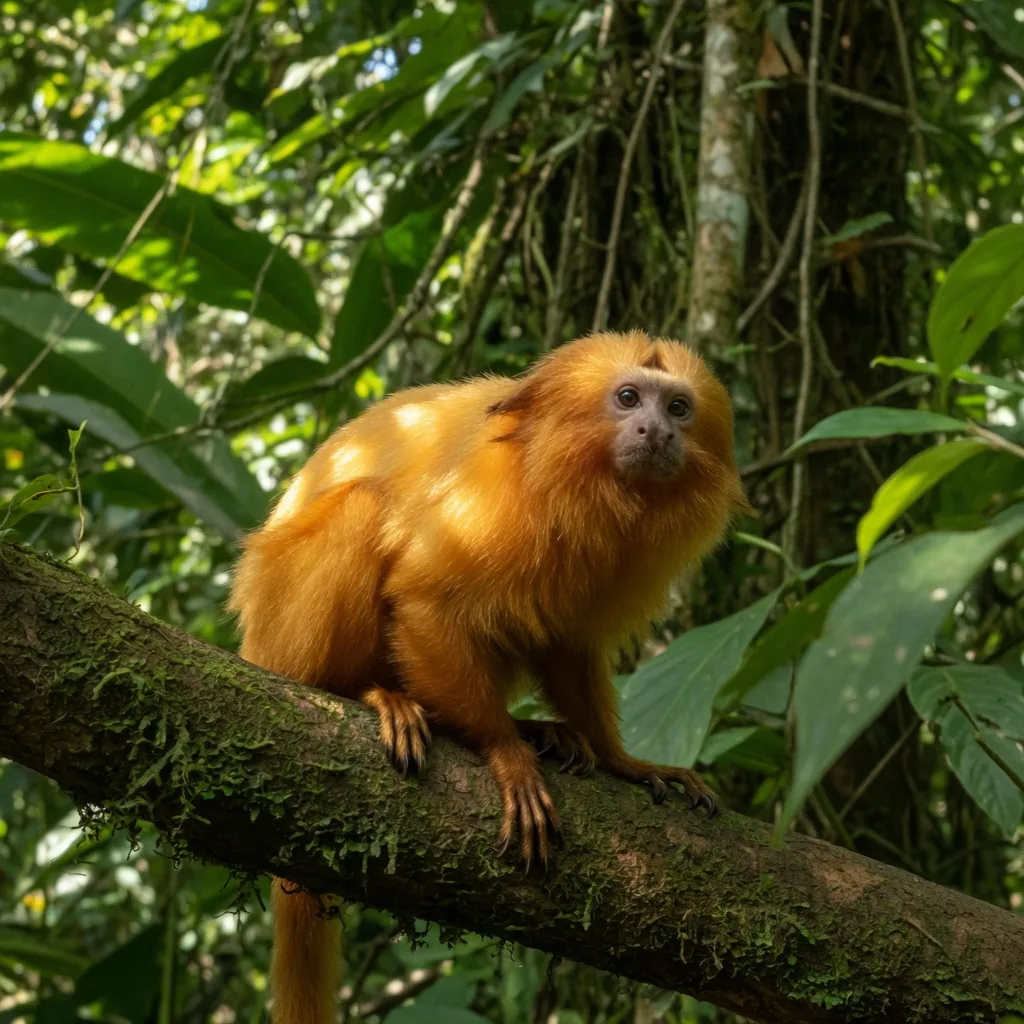
Golden Lion Tamarin
Golden lion tamarins are primates about the size of a squirrel, with a golden, silky mane just like a lion's. They are arboreal, they live in groups, and are mainly found in the rainforests of Brazil in South America. They mainly feed on insects, fruits, and small birds. Their strong legs and long, sharp claws let them dig insects out of tree bark. They have been declared endangered due to the widespread destruction of their habitats, and also because they are poached for their beautiful golden mane.
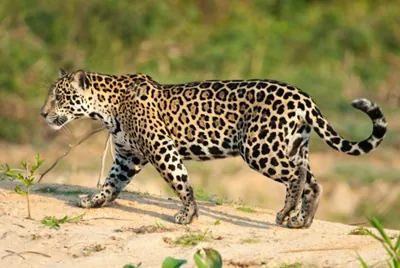
Jaguar
Jaguars are a species of wild cat found in Central and South America. They prefer habitats that have water sources nearby, and they are good swimmers. They prey on capybaras, turtles, birds, and reptiles. Jaguars are nocturnal animals with strong physical features: short limbs and an extremely strong jaw with long, sharp canine teeth. They have been declared endangered due to poaching and considerable loss of habitat. Learn more about jaguars in the rainforest.
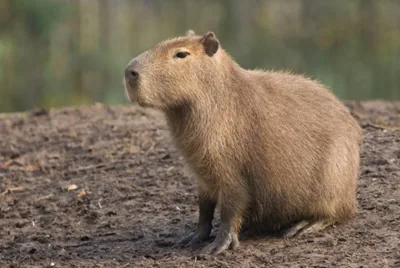
Capybara
Capybaras are the largest rodents in the world, and are found in swamps and marshes, and close to rivers and lakes in Central and South America. They are found in large groups and are excellent swimmers. They mainly feed on aquatic plants, tree bark, and fruits. They have barrel-shaped bodies with brownish fur and webbed feet to help them swim. They are preyed upon by jaguars, anacondas, harpy eagles, and others.
Take the Rainforest Animals Quiz!
8 quick questions. Find out how much you really know about the creatures of the jungle.
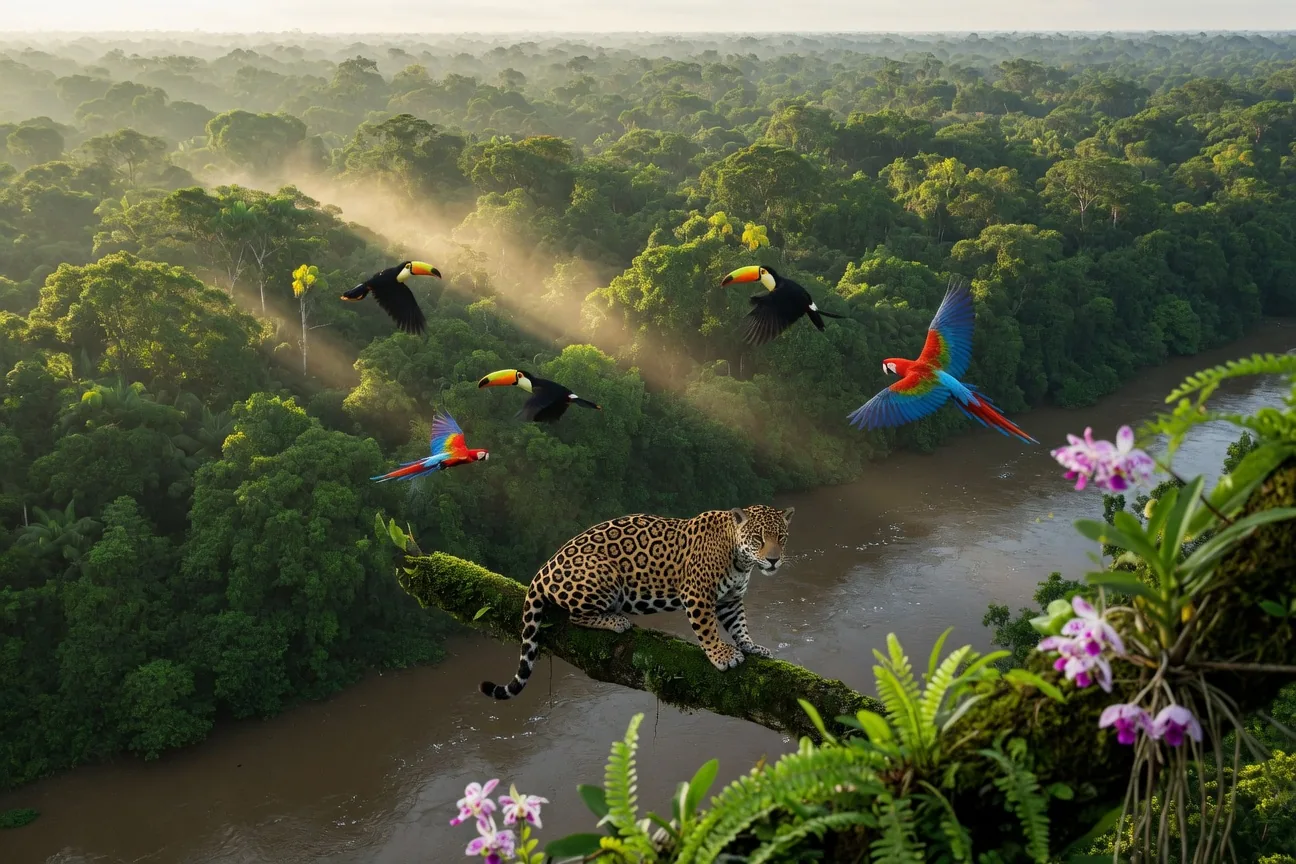
Toco Toucan
Toco Toucans are the largest among their species, and are mainly found in the Amazon river basin. Their most striking feature is their long, curved bill and their bright colors. They cannot fly very well and are found hopping around most of the time. They feed on bird eggs, frogs, and fruits. They are social birds and live in cavities built into tree trunks.
Anaconda
The anaconda — also known as the water boa — is the largest snake in the world, and is mostly found in marshes and swamps. It is not venomous, and swallows its prey whole. It is a good climber and can go without food for almost a year after feeding on a large meal. It mostly hunts at night and kills its prey by constricting. It feeds on rodents, pigs, deer, birds, fish, and more.
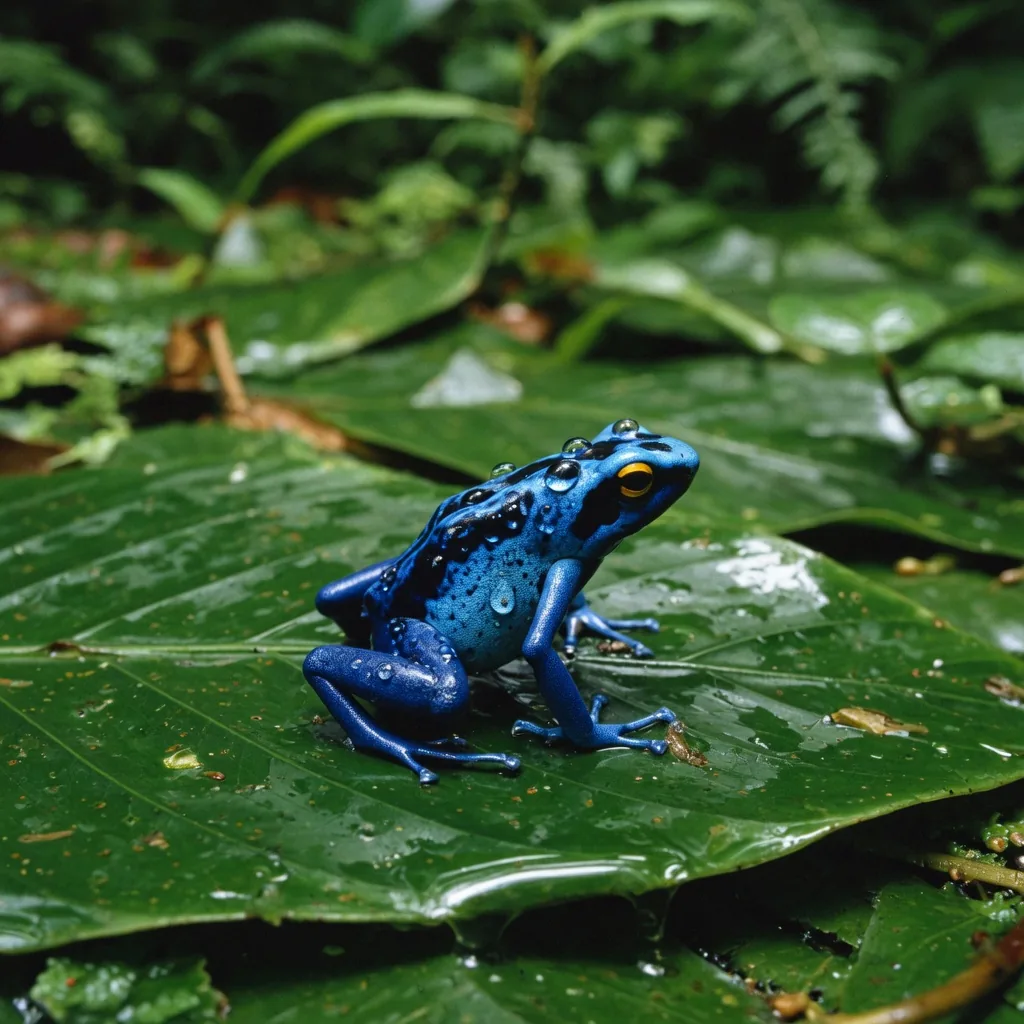
Poison Dart Frogs
Poison dart frogs are brightly colored frogs found in the tropical rainforests of South and Central America. They have poisonous skin, and that poison has been used on the tips of darts and arrows for hunting. The poison also protects them from predators. They feed on small insects like spiders, ants, and flies. Discover more in our article on poison dart frog facts.
Monarch Butterfly
Monarch butterflies are a species of poisonous butterfly that feed on the milkweed plant. They are mainly found in North America. They are beautiful insects with bright-colored, scaly wings. Their predators fall sick if they eat them because of the poison, which means most predators learn to avoid them.
Facts About Tropical Rainforest Animals
- Anacondas, native to tropical rainforests, are among the biggest snakes on Earth.
- Rainforests are believed to be the oldest ecosystems on our planet, thanks to their immense biodiversity.
- Some endangered species, like gorillas, orangutans and jaguars, have populations of only a few dozen individuals — while the populations of several insects and reptiles have reached the million mark!
- The rainforest's highly interlinked food web and interdependent ecology help ensure the survival of all the animals in their natural habitat.
- Most animals have coloring, patterns, markings and camouflage that match the lush foliage of the rainforest layer they live in.
Protecting the Rainforests
That more or less concludes our list of animals living in the tropical rainforest. This ancient ecosystem is the cradle of nature's very first creatures, and it is still home to the largest number of animals anywhere. Any threat to the rainforests is a direct threat to a huge variety of wildlife.
Explore More Animals
 Forest Animals List: A Field Guide to Who Lives in the WoodsFrom rainforest to taiga, meet the mammals, birds, reptiles, insects and amphibians of the world's forests, plus the endangered species fighting to survive.
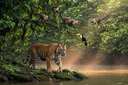 Jungle Animals ListAn A-to-Z list of jungle animals for kids: mammals, birds, insects, arthropods and reptiles that live in the world's jungles, each with a photo and fun facts.
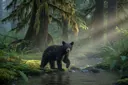 Temperate Rainforest Animals List: A Field Guide to the Cool, Misty WoodsNot all rainforests are tropical! Meet the bears, elk, snow monkeys, koalas and other amazing animals of the world's cool, misty temperate rainforests.
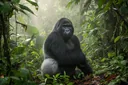 Endangered Rainforest Animals That Will Really Shock YouThough rainforests hold 40-75% of all organisms on Earth, many species face extinction. Meet the gorilla, Javan rhino, giant panda, and more, with IUCN status
These animals matter, too: they help keep the whole rainforest healthy by spreading seeds, controlling insect populations, and keeping the ecosystem in balance. Unless we stop our reckless destruction of these forests and take steps to conserve what is left, the time is not far off when all these animals move onto the endangered animals list, before finally ending up on the list of extinct animals. May that unfortunate day never arrive!

 Fun fact for today!More than half of all the plant and animal species on Earth live in tropical rainforests — even though the forests cover only a small slice of the planet's land!