

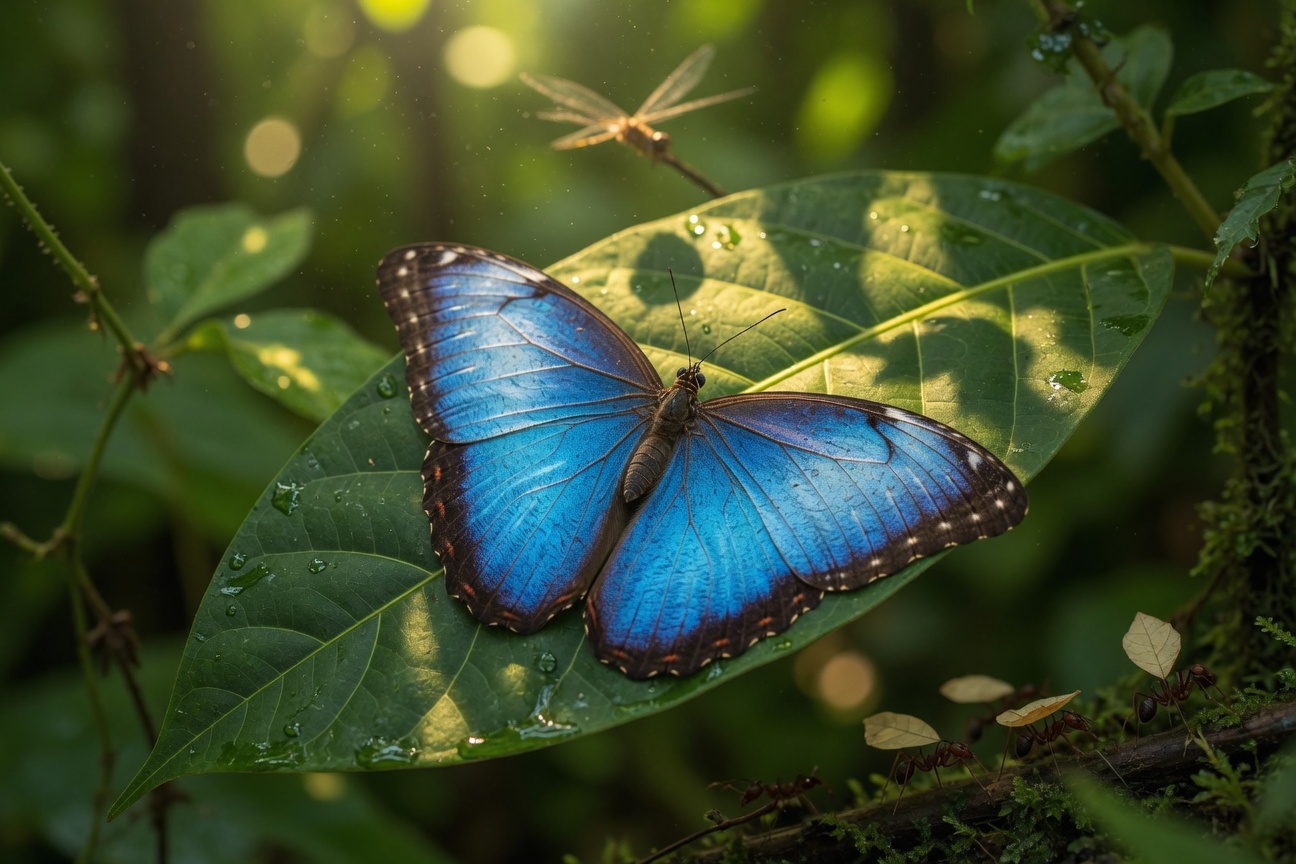
Why Does the Amazon Have So Many Insects?
The dense Amazon forests have closely grown trees with huge trunks and branches spreading widely throughout. It's difficult to tread through the jungle, the habitat of countless insects, animals, birds, and reptiles. The crooning of crickets and growling of jaguars make this place utterly wild, and the eeriness grows as the dense trees almost prevent sunrays from touching the ground.
The Amazon jungle of South America makes up most of the Amazon Basin. It has a rich biodiversity and its biome is made up of millions of types of insect species. A survey found that to date, at least 2.5 million insect species, 40,000 plant species, 3,000 fish, 1,294 birds, 427 mammals, 428 amphibians, and 378 reptiles have been scientifically classified in the region, giving you a sense of just how rich and diverse the Amazon biome is.
Ever wondered why the insect population is so huge here? Insects usually prefer surviving in wetlands and damp climates, exactly what the Amazon provides. The trees form their dwelling zones and are perfect breeding spots. Butterflies and moths enjoy the rains while wasps and termites find the wet, humid climate ideal for building huge heaps in old wooden trunks. Apart from temperature and climate, the trees that bear fruits and leaves throughout every season form a year-round food source. That's also why the density of animals, reptiles, and birds is so high.
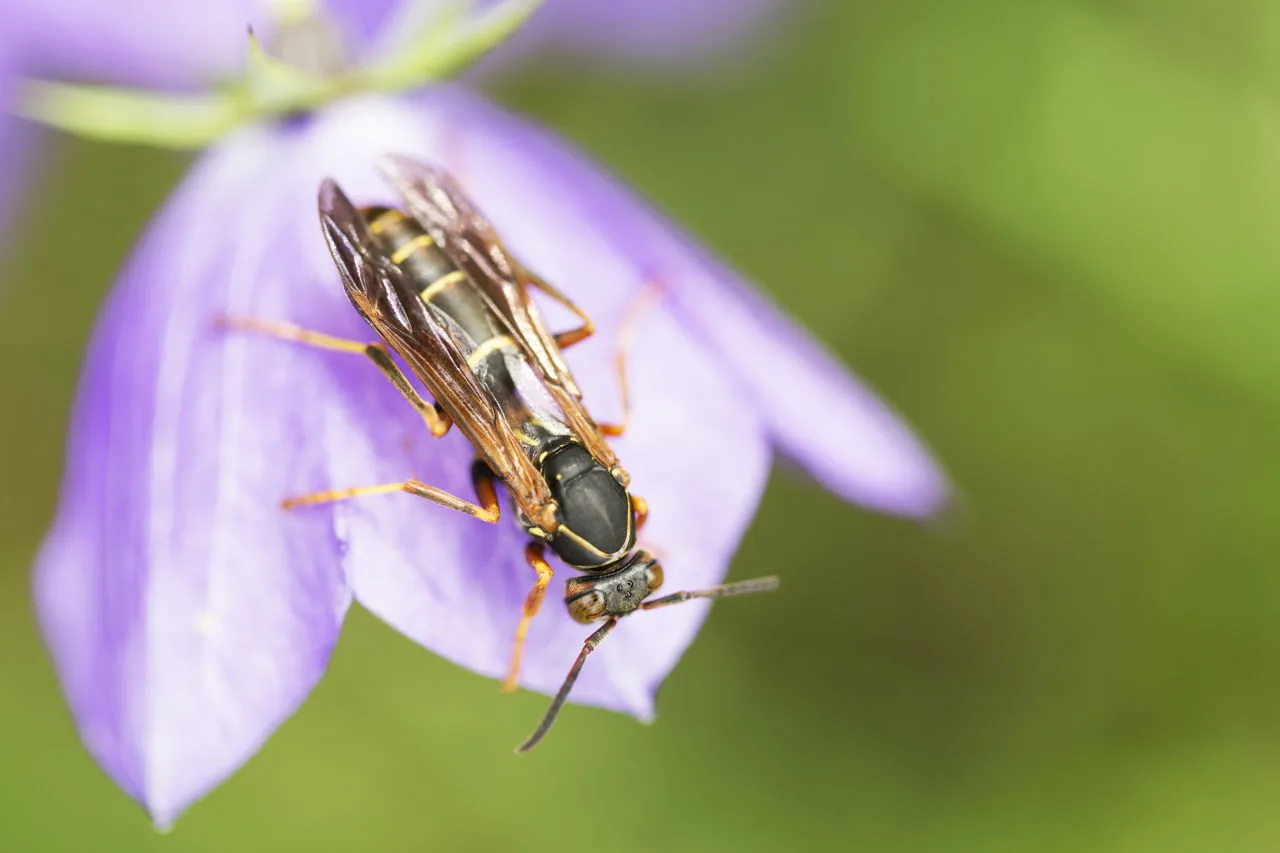
Marquee Amazon Insects
It's difficult to list all the insect species found here. Families of butterflies, termites, moths, ants, wasps, and bees dominate the region, breeding in specific seasons. Colorful butterflies and moths fly everywhere while the ground is ruled by armies of ants. Bees with sharp stings are found throughout the forests while wasps and termites dwell on old wooden trunks and broad leaves. Grasshoppers and caterpillars appear in all seasons. Large numbers of poisonous beetles and spiders also make up the insect kingdom of the Amazon rainforest.
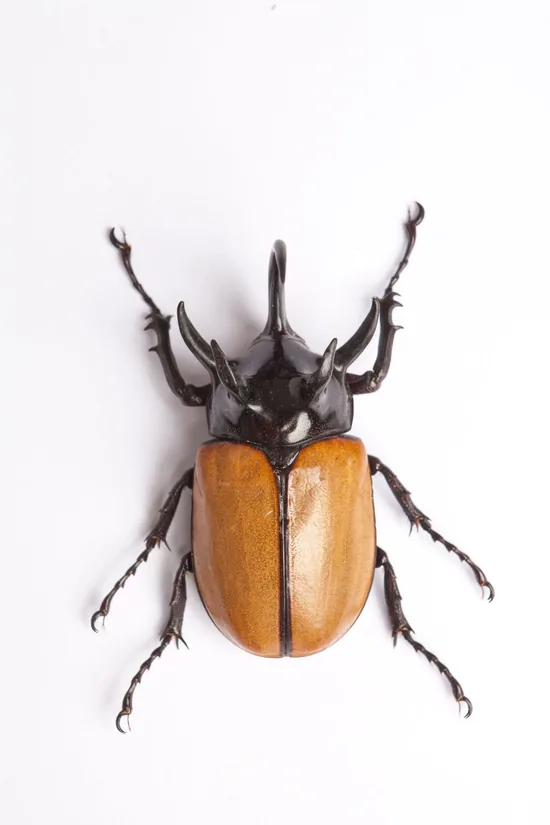
Rhino Beetle
One of the most spectacular Amazon insects, male rhino beetles sport an enormous curved horn (sometimes longer than their own body) used to fight rival males. These beetles are perfectly adapted to the forest floor, where they feed on fallen fruit and rotting wood.
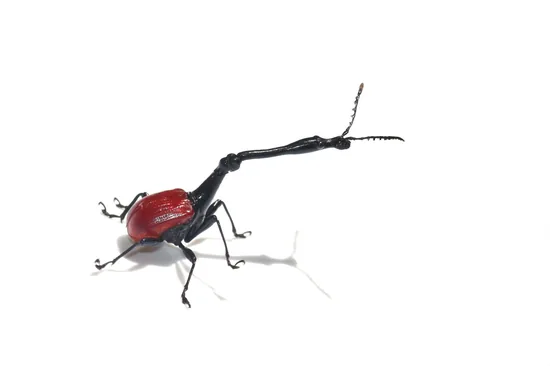
Giraffe-necked Weevil
This beetle's comically long neck is used by males to fight each other and roll up leaf tubes where females lay a single egg. The "neck" can be up to three times the length of the rest of the head, a remarkable example of sexual selection in the insect world.
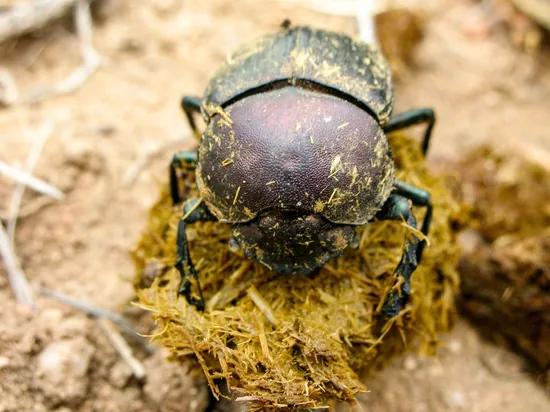
Dung Beetle
Dung beetles are nature's recyclers. They roll dung into perfect balls, then bury it as food and as a chamber to lay eggs. In the Amazon, these beetles play a critical role in nutrient cycling and seed dispersal in the forest floor ecosystem.
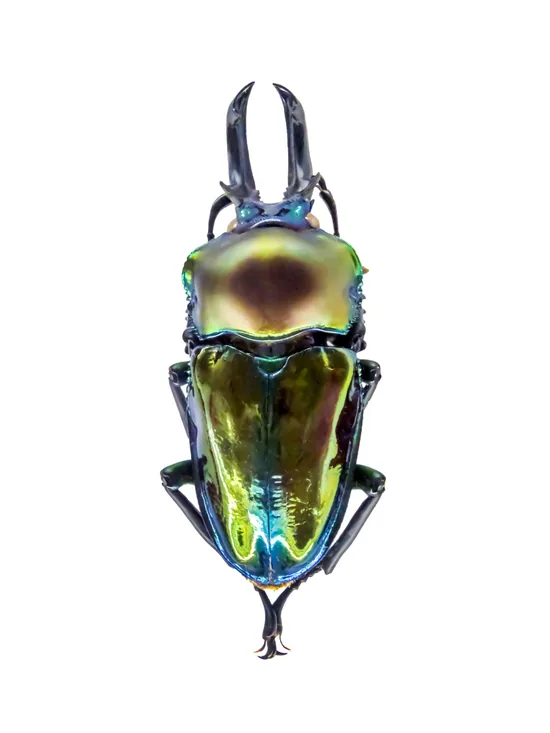
Stag Beetles
Male stag beetles carry enormous antler-like mandibles that look fearsome but are mainly used for wrestling rival males. Despite their intimidating appearance, they are harmless to humans. Amazon stag beetles are among the largest in the world.
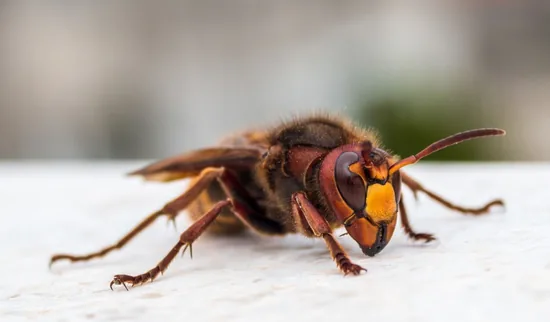
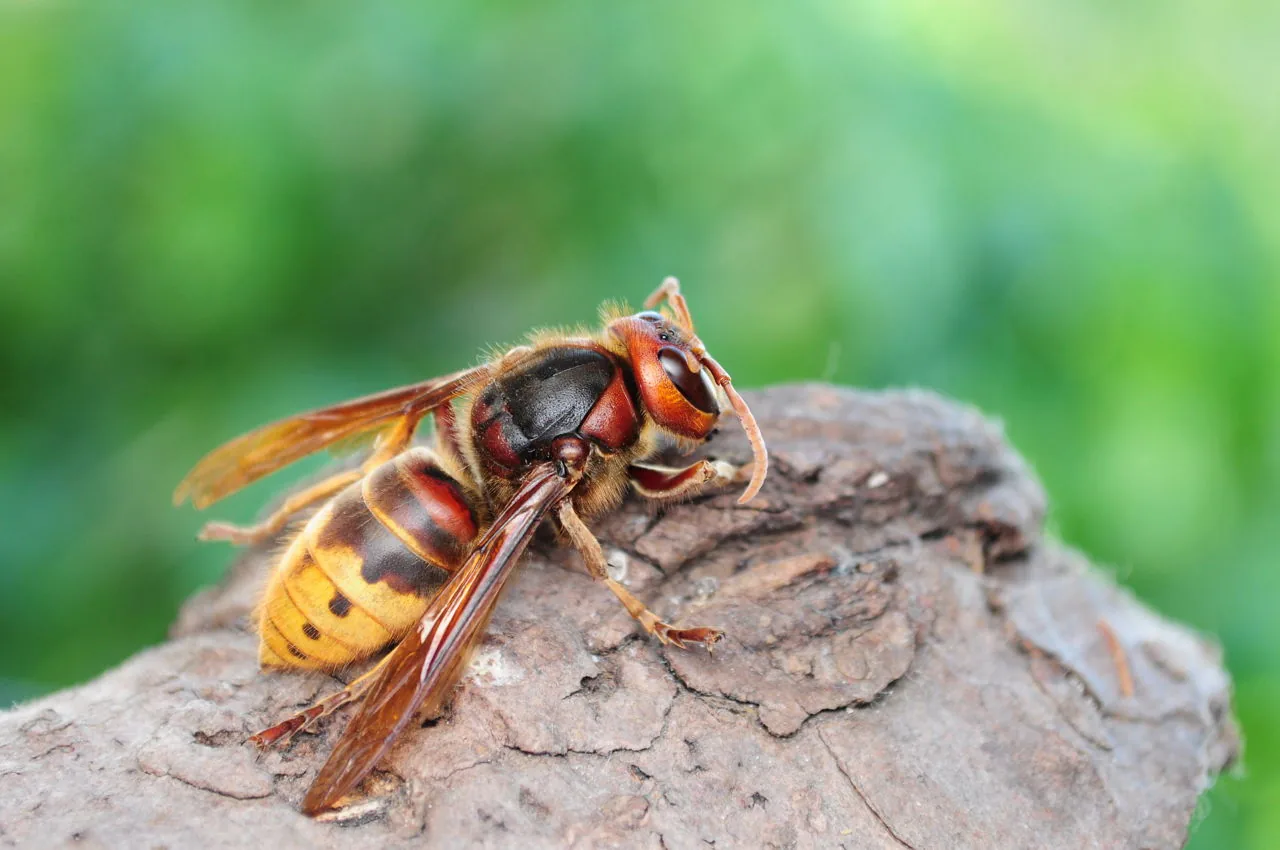
Hornet
Amazon hornets are among the largest wasps in the world. They build large paper nests in tree hollows and suspended from branches. A colony can contain thousands of workers and their sting, while painful, is rarely dangerous to healthy adults.
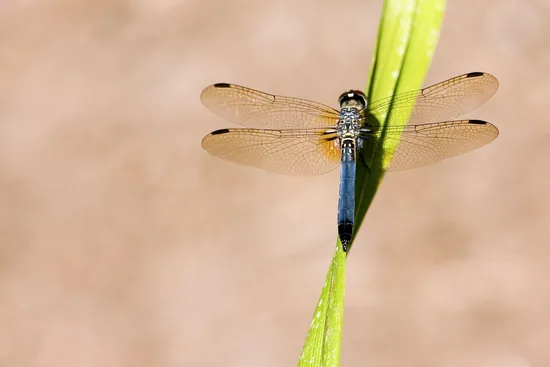
Brachydiplax Dragonfly
Dragonflies have hunted insects over water for over 300 million years, and the Amazon's countless streams and river edges make perfect habitat. The Brachydiplax species found here are expert aerial hunters, able to change direction mid-flight to intercept fast-moving prey.
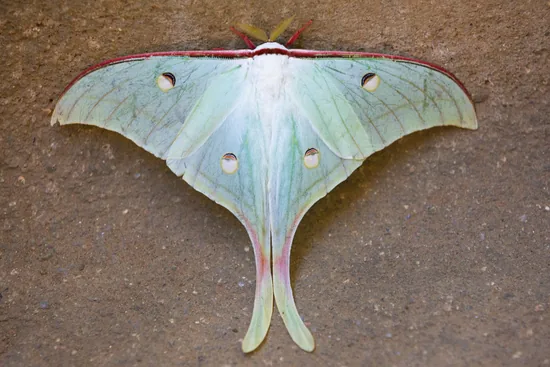
Comet Moth
One of the most beautiful moths in the world, comet moths have long sweeping tail streamers on their hindwings. Found in the Amazon's humid forests, the adults don't even have mouths, they live only to mate, surviving on energy stored as caterpillars.
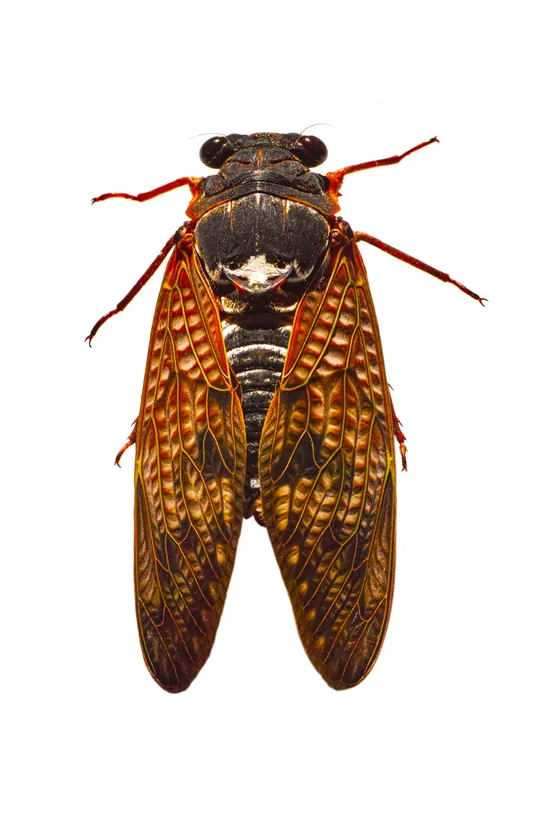
Brown Cicada
The sound of cicadas is one of the defining sounds of the Amazon rainforest. Male cicadas produce their deafening song by vibrating a drum-like membrane called a tymbal. Some Amazon cicada species spend years underground as nymphs before emerging as adults.
Test Your Amazon Insect Knowledge!
5 quick questions about the world's most insect-rich habitat.
Full Amazon Rainforest Insect List
Here is the most comprehensive list of commonly seen insects from the Amazon rainforest. The list, while not absolutely comprehensive, gives you an insight into the most common species. For identifying flying insects in more detail, additional guides are available.
Butterflies & Moths
- Metallic gold riodinidae
- Orange-striped paracaidas
- Black butterfly
- Iguaze butterfly
- Heliconius sara butterfly
- Black-winged heliconius
- Owl butterfly
- Comet moth
Beetles & Weevils
- Rhino beetle
- Black beetle
- Dung beetle
- Ceiba borer beetle
- Stag beetles
- Giraffe-necked weevil
Ants, Wasps & Bees
- Leaf-cutter ant
- Fire ants
- Army ants
- Paper wasps
- Scoliidae wasps
- Common wasps
- Honey bee
- Bumble bees
- Hornet
Termites & Other Insects
- Tropical termite
- Crooked jaw termite
- Copper grasshopper
- Long-horned grasshoppers
- Green mantid
- Praying mantis
- Brown cicada
- Brachydiplax dragonfly
- Leaf bugs
- Shield bug
- Stick insects
- Fire beast caterpillar
Spiders & Centipedes
- Huntsman spiders
- Red spider
- Deep red millipede
- Pill millipede ball
- Giant tiger centipede
The list, although not absolutely comprehensive, has given you an insight into the most common species of insects in the Amazon. If you are curious to know more about how they appear and behave, studying the geography and attributes of this jungle will enrich your knowledge further.
Explore More Animals
 Types of Flying Insects With PicturesThe complete kids' guide to flying insects, every main order from dragonflies and beetles to bees and butterflies, how their bodies and wings work, the species
 Amazon Rainforest AnimalsAbout 20% of all animals in the world are from the Amazon rainforest. Discover the birds, insects, and reptiles that make this jungle the most biodiverse place
 Tropical Rainforest Animals List: A Guide to the Jungle's WildlifeFrom jaguars and harpy eagles to poison dart frogs, orangutans and sloths, meet the astonishing animals of the world's tropical rainforests, the richest habita
 Extremely Rare and Unique Desert Insects You Didn't Know ExistedThe silent surroundings of the desert may give us a feeling that no living thing exists there, but there are various kinds of insects living in the desert that
Glossary
| Word | What it means |
|---|---|
| Biome | A large region of Earth with similar climate, plants, and animals. The Amazon rainforest is one of the world's richest biomes. |
| Biodiversity | The variety of living things in an area. The Amazon has some of the highest biodiversity on the planet. |
| Tymbal | A drum-like vibrating membrane used by cicadas to produce their loud, distinctive song. |
| Mandibles | The powerful jaw-like mouthparts of insects, which stag beetles use as antler-like weapons to wrestle rivals. |
| Bivouac | The temporary "living nest" formed by army ants linking their bodies together, the colony is its own shelter. |

 Fun fact for today!At least 2.5 million insect species have been scientifically classified in the Amazon region, making it the richest insect habitat on the planet!