

Meet the Wolf
Wolves are the great ancestors of dogs, our closest companions. Millions of years ago, wolves and dogs shared the same lineage, but they diverged genetically over time. Wolves are also related to jackals. They have keen senses of smell and hearing, powerful teeth, bushy tails, and round pupils.
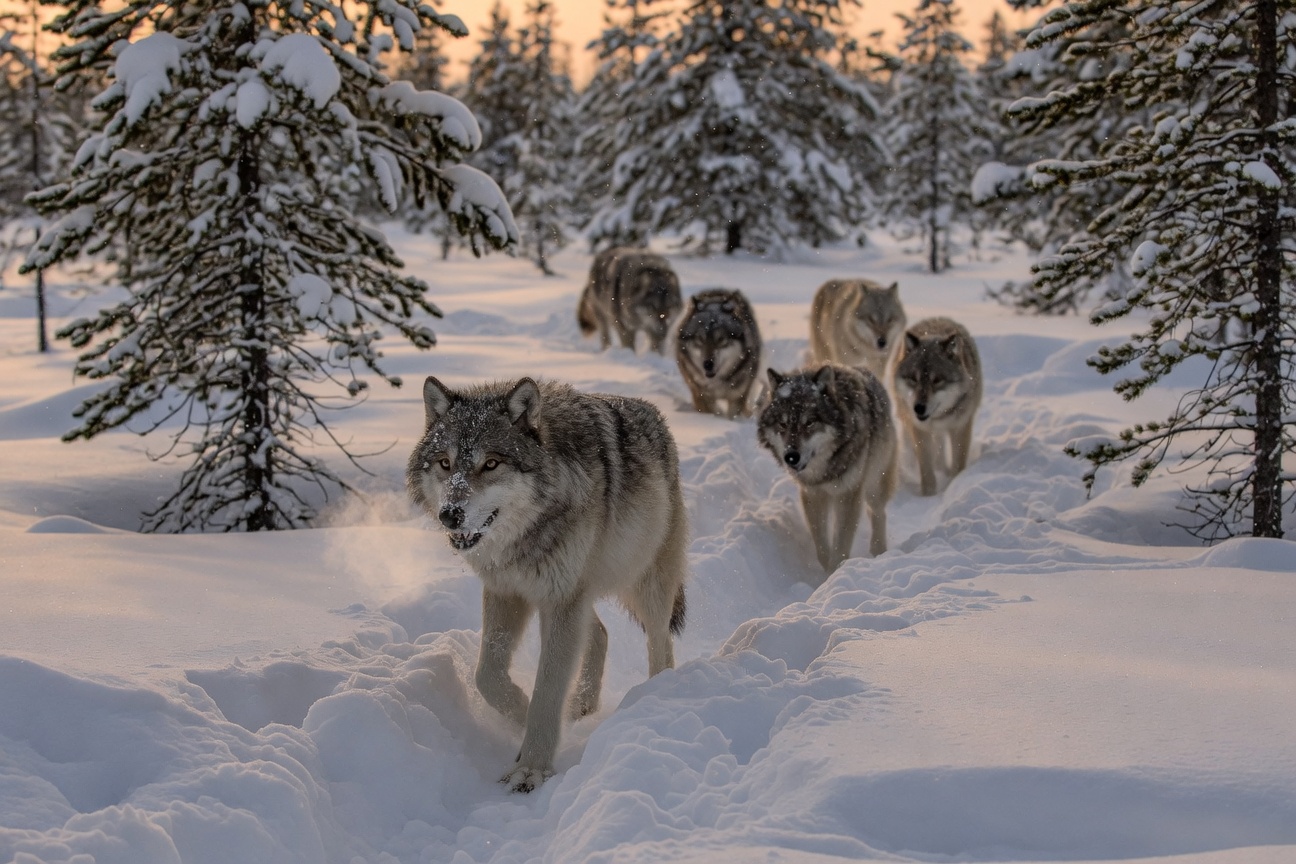
Wolves live in packs, groups of animals that are related to each other. A wolf pack may vary in size and have 4 to 23 wolves. The pack has a clear social structure. At the top are two mates who have the most social freedom. They resolve disputes, control resources, and lead the hunt.
Wolves usually hunt in packs. These carnivorous mammals often howl as a signal during hunts. They bring down large animals using intelligent, coordinated strategies, a remarkable display of teamwork that few animals can match.
Where Are Wolves Found in the Wilderness?
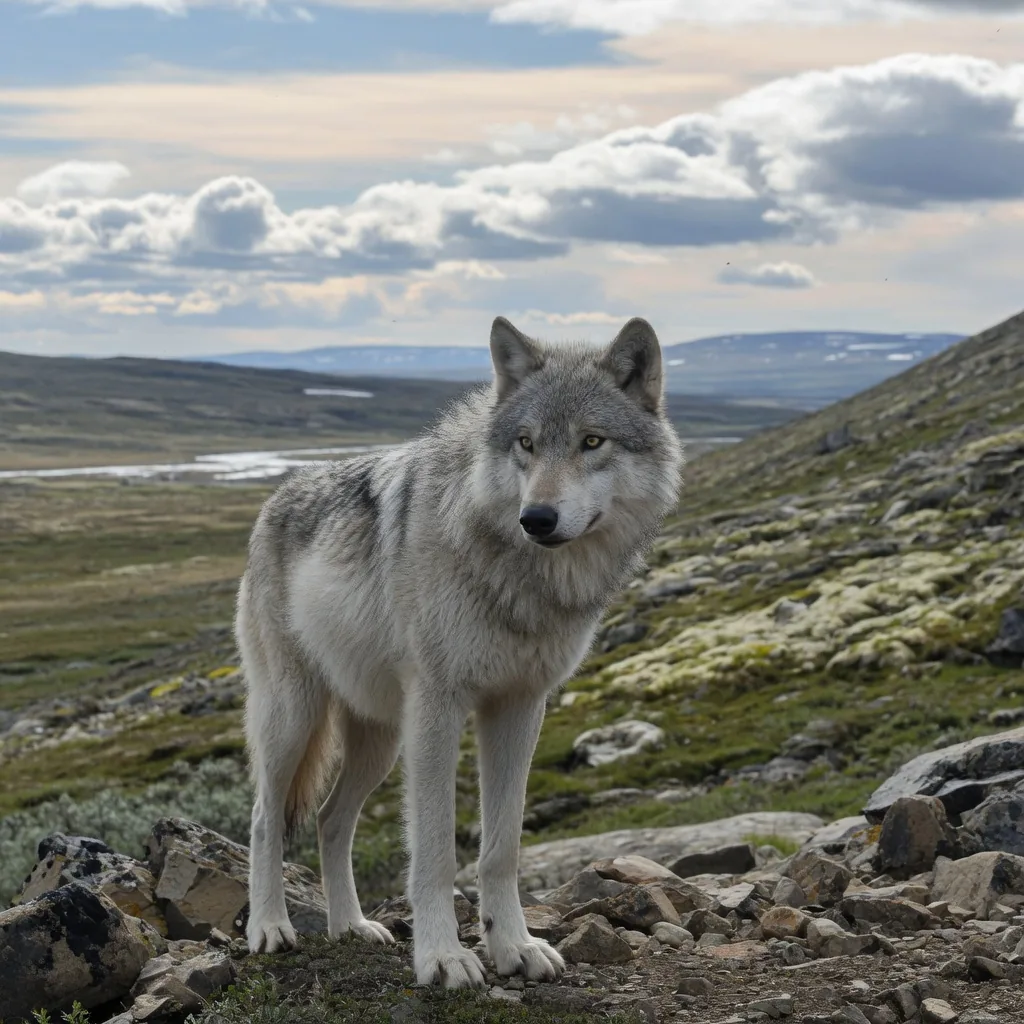
The Northern Hemisphere forms the main region of wolf habitat. Wolves live in Arctic tundra, plains, savannahs, and forests of hardwood, softwood, and mixed trees. Before they became an endangered species, they roamed in large numbers throughout North America, Europe, Asia, and Japan.
Gray wolves are found in Yellowstone National Park, Wyoming, Minnesota, Idaho, and Montana. They also live in Russia, Greenland, Turkey, Albania, and Spain, as well as parts of Asia. Some wolves are black in color, and yes, black wolves live in North America, particularly in Yellowstone National Park.
Timber wolves also inhabit the prairie region of eastern Europe and Asia. Their numbers have fallen in western Europe and America, but they remain plentiful in Alaska and Canada. They are also found in Russia and China, though their exact population count there is unknown.
Wolves Around the World
Not all wolves look the same. Several distinct wolf species and subspecies have adapted to very different environments across the globe.
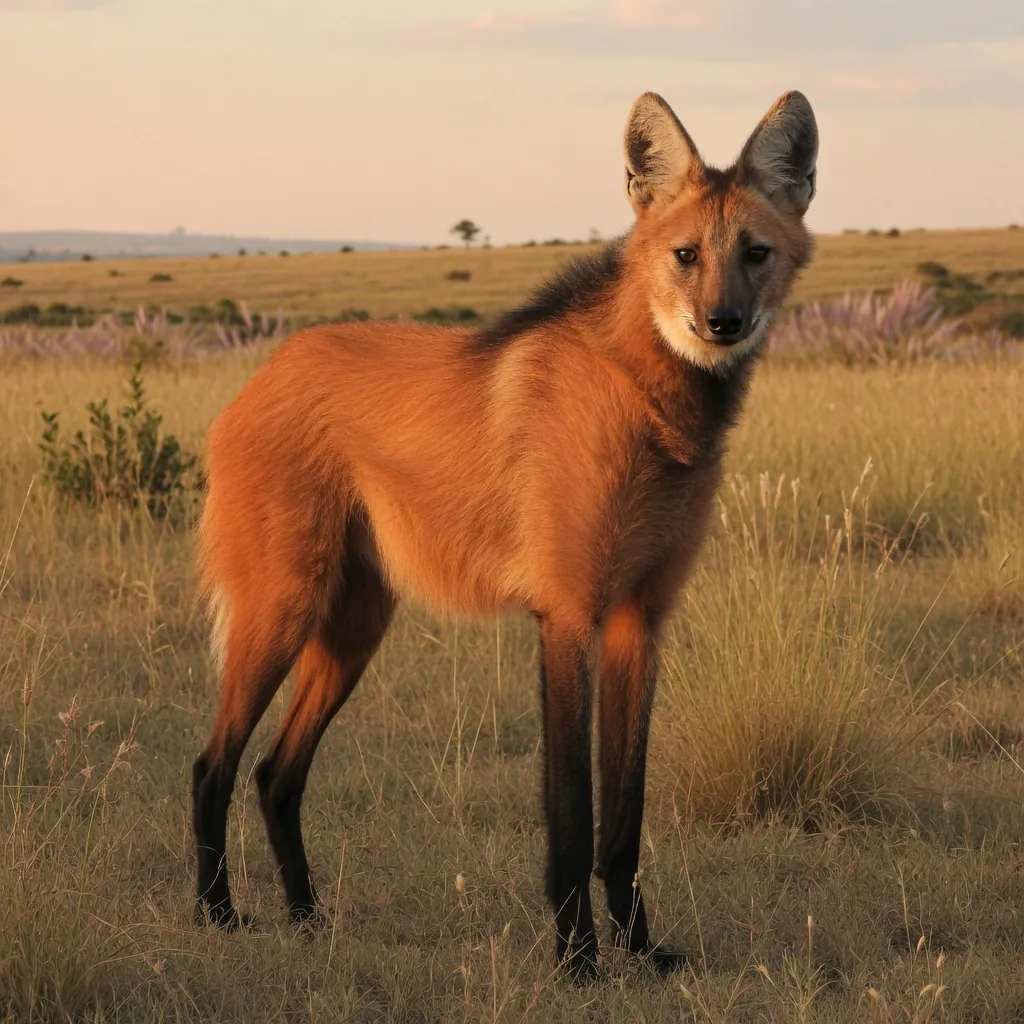
The Maned Wolf is found in South America, not Africa as its name might suggest. It is often mistaken for a red fox because of its bright red fur. Maned Wolves live in grasslands and open habitats, mostly in Brazil, Argentina (north), Paraguay, Bolivia (east), and the northern Andes. They are not only the largest wild dogs in South America but one of the tallest dogs in the world. They also emit an offensive odor from their fur, which is why they are nicknamed the 'Skunk wolf.'
The Ethiopian wolf (also called the Simien fox) lives in Africa at very high altitude, commonly in the Afro-alpine regions of Ethiopia. Hunting and human encroachment have pushed this wolf to the brink of extinction. It is estimated that only 500 Ethiopian wolves remain in the world.
Frequently Asked Questions
Where do wolves live?
Wolves live across the Northern Hemisphere, in North America, Europe, Asia, and even the Arctic. They thrive in forests, tundra, plains, and savannahs, but cannot survive in rainforests or deserts.
How many wolves are in a pack?
A wolf pack can have between 4 and 23 wolves, all related to each other.
What do wolves eat?
Wolves hunt sheep, goats, deer, caribou, moose, bison, and horses. They also prey on smaller animals like rabbits, beaver, and rodents.
Why do wolves howl?
Wolves howl to communicate with pack members across distances, mark territory, direct the pack, and simply as a form of social bonding, what the article calls a 'jungle opera.'
How many Ethiopian wolves are left?
Only an estimated 500 Ethiopian wolves remain in the world.
Test Your Wolf Knowledge!
5 quick questions about where wolves live and how they survive.
Different Species of Wolves
These carnivorous mammals are divided into six species. Wolves have survived since the ice ages and are highly adaptable animals. The gray wolf (commonly just called "wolf") has many subspecies, including:
- Arctic wolf
- Red wolf
- Eurasian wolf
- Coyote
- Maned wolf
- Indian wolf
- Eastern wolf
- Ethiopian wolf
Some wolf species have already been lost forever, the Japanese wolf and the Irish wolf were both hunted to extinction by humans. The gray wolf's only predator besides humans is the Brown bear.
Explore More Animals
 Gray Wolf Adaptations & HabitatThe complete kids' guide to the gray wolf: how its lean body, double-layered fur, powerful jaws, pack teamwork, and incredible senses help it survive, plus whe
 Coyote vs. Wolf vs. Fox: A Complete ComparisonCoyotes are often known to be the smaller cousins of gray wolves, and the foxes of the coyotes. This AnimalSake article does an analysis to put an end to the ag
 Facts about Coyote - Prairie WolfThe interesting facts about coyotes go well beyond the depiction of this species in popular culture. While there is no questioning that, what is even more inter
 Wondrous Facts About the Maned Wolf You Probably Never KnewUnlike other wolves, maned wolves do not live in packs and they do not harass human beings. Discover wondrous facts about the 'fox on stilts', and why we need
What Do Wolves Prey On?
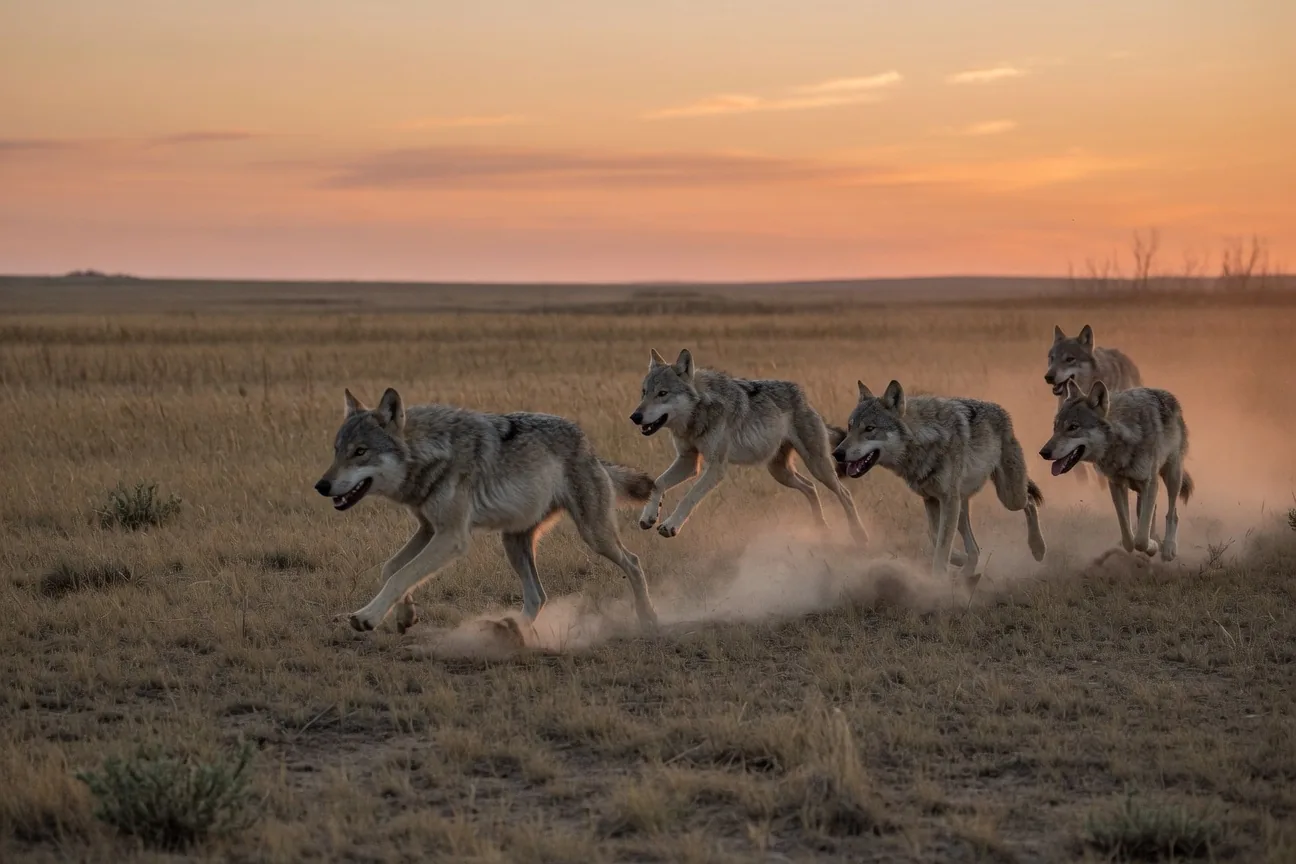
Wolf packs hunt sheep, goats, pigs, deer, antelopes, caribou, horses, moose, yak, and bison. They also go after smaller animals such as rabbits, beaver, snow hare, and white-tailed deer. Solitary wolves prefer smaller prey. Wolves may also eat salmon, rodents, and birds.
Why Do Wolves Howl?
In horror movies, wolves howl at a full moon. But the real reason is much more interesting. Howling is not just a hunting signal, it is a rich form of communication. It helps wolves keep in touch across thick forests and great distances. It directs pack members to a location, declares territory, and responds to rival wolves.
Howling is also social. Think of it as singing together, a type of recreation within the pack. Wolves howl at different tones and pitches, and they are so harmonized that it is nearly impossible to count how many wolves are howling. That is what makes it a genuine 'jungle opera.'

 Fun fact for today!A wolf pack can have anywhere from 4 to 23 wolves, all related to each other!