

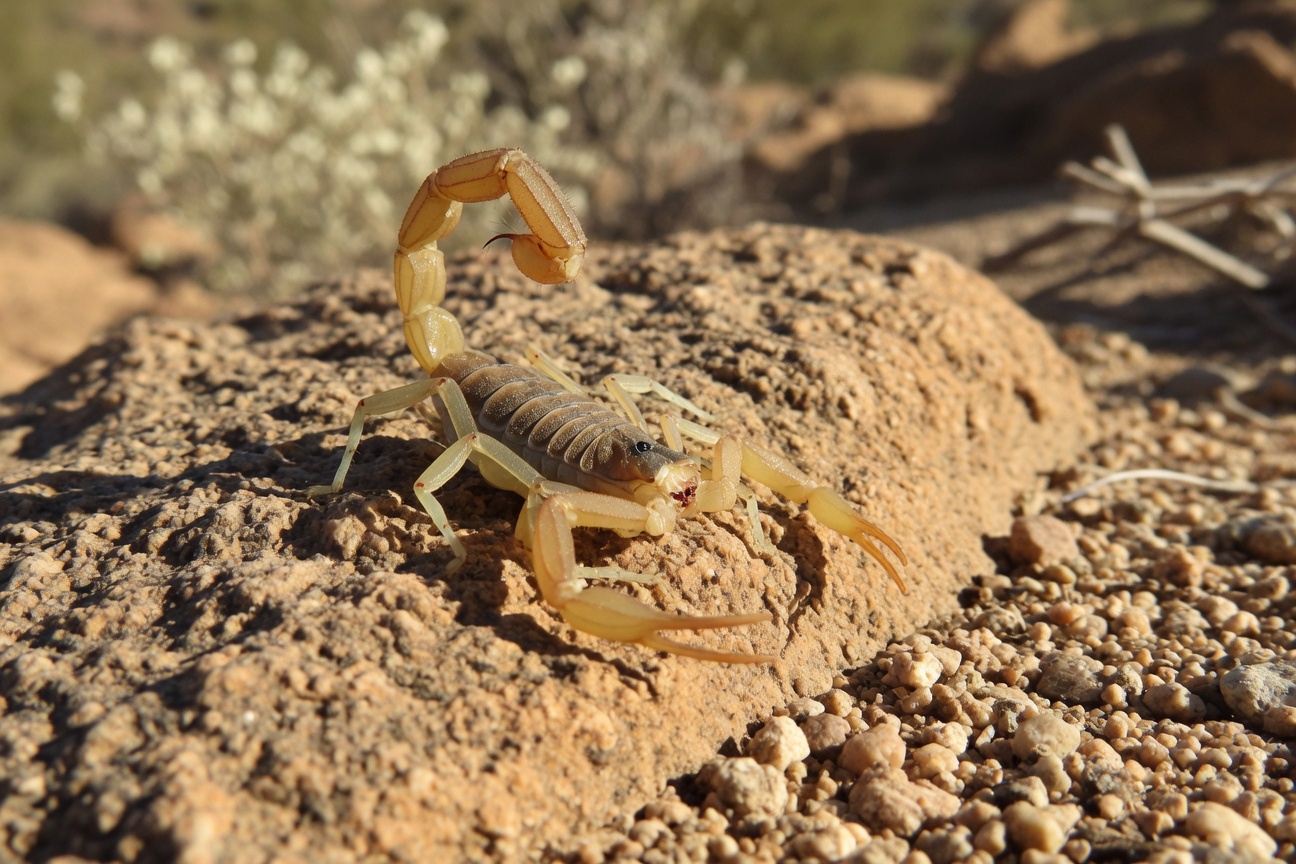
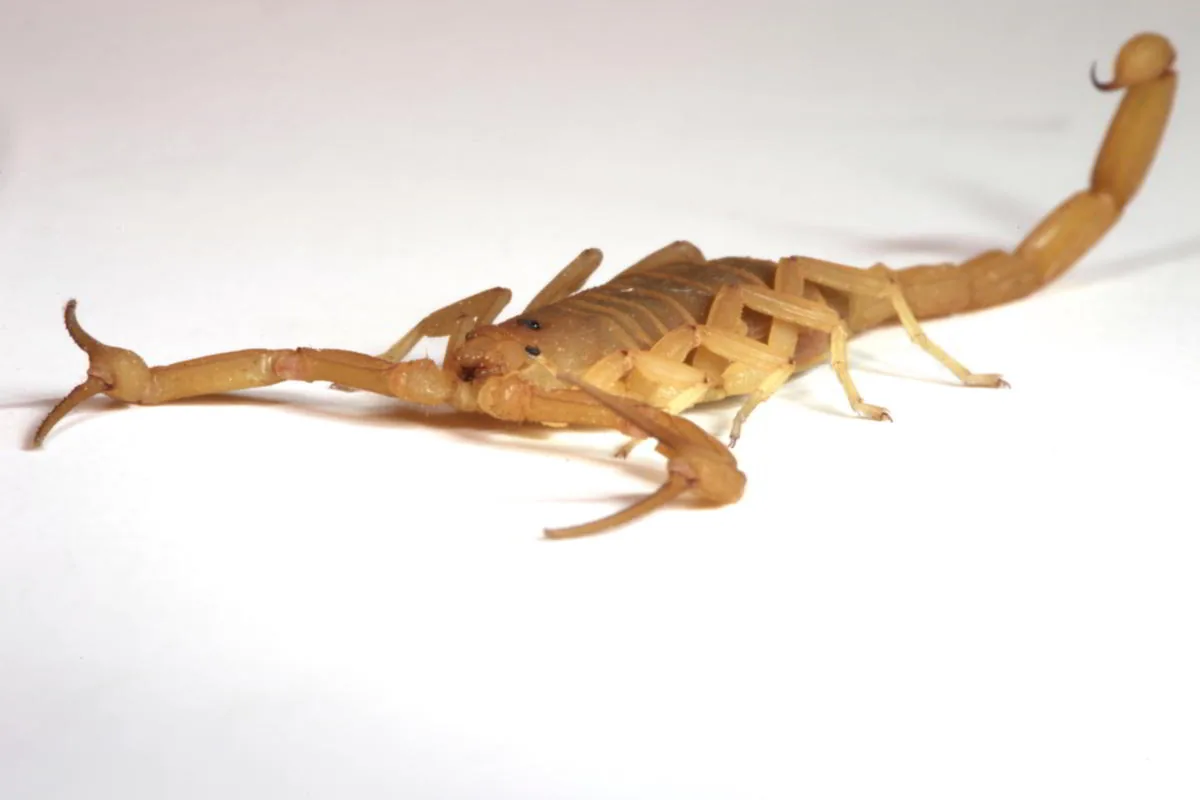
The Arizona bark scorpion Centruroides sculpturatus is the most venomous scorpion species found in the southwestern part of the United States.
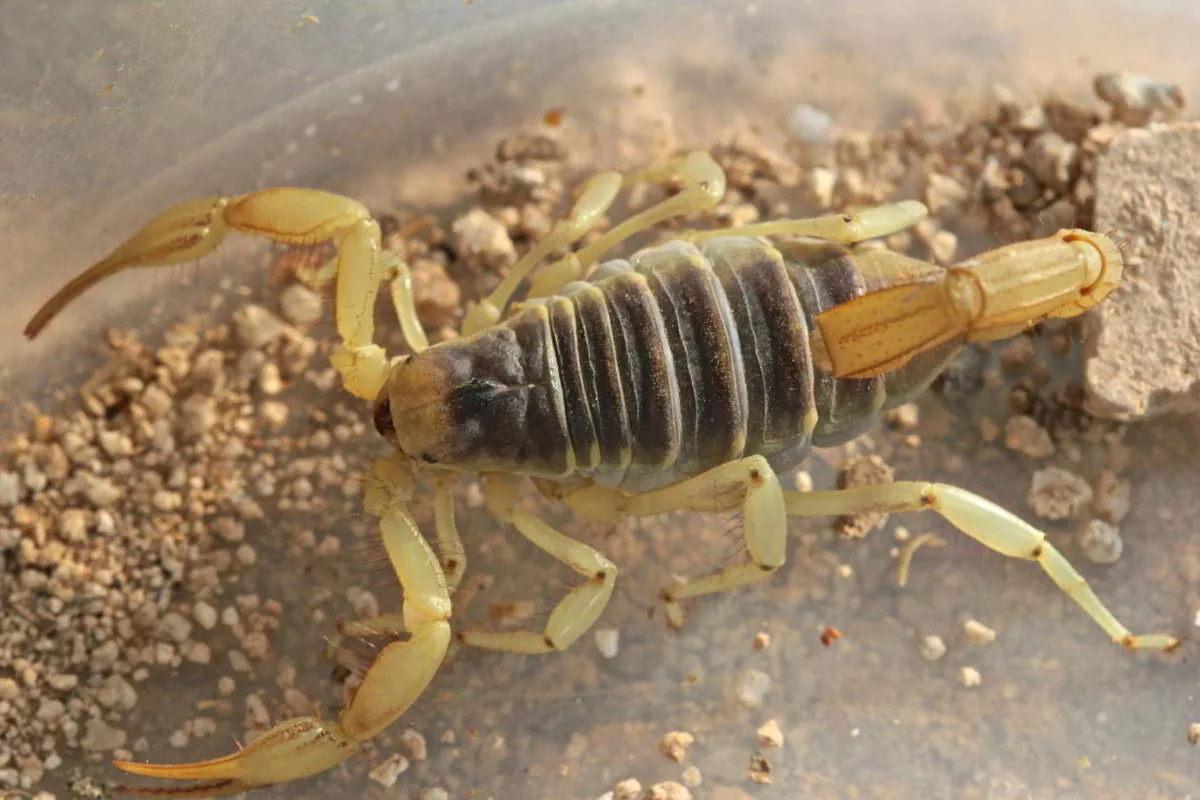
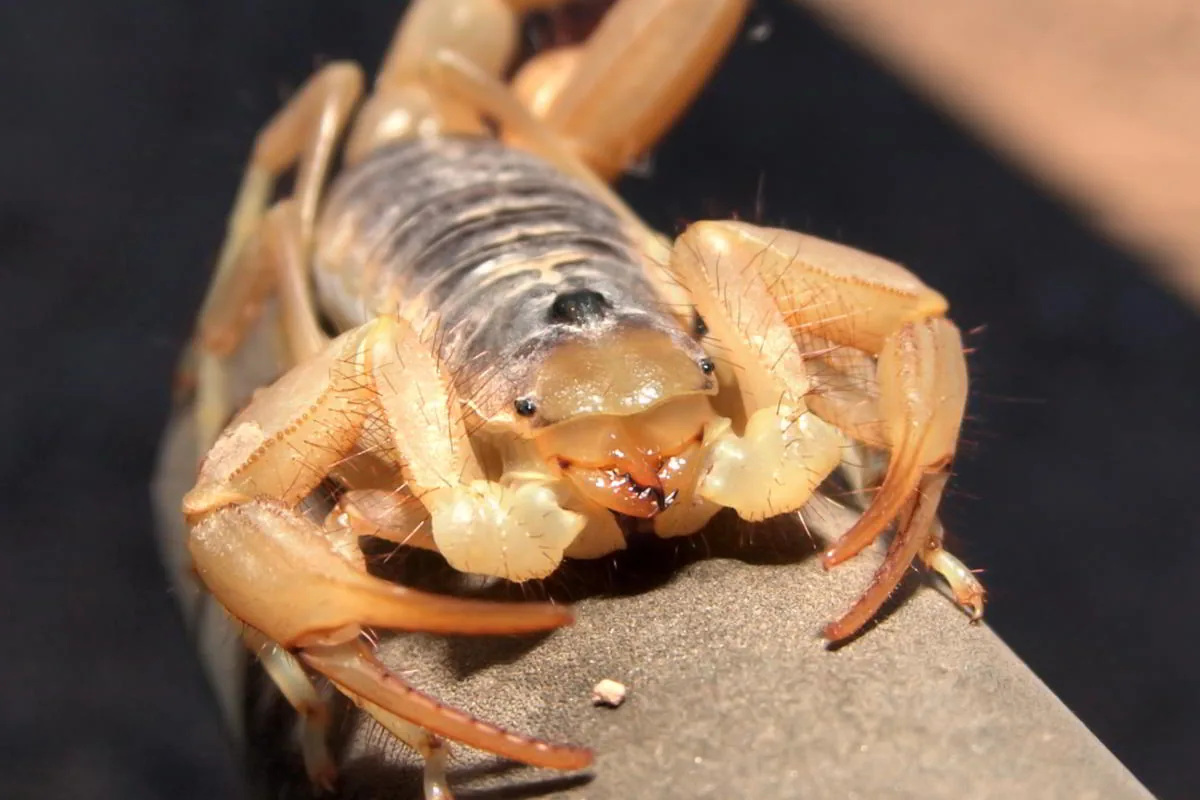
It lives all over the Sonoran Desert, in places like Arizona, Mexico, California, Colorado, Oklahoma, and Texas. Emergency scorpion stings in these areas add up to thousands every year. These scorpions are small and pale in color. Some are amber-colored, which makes them very hard to spot on rocky or sandy ground.
Interesting Facts
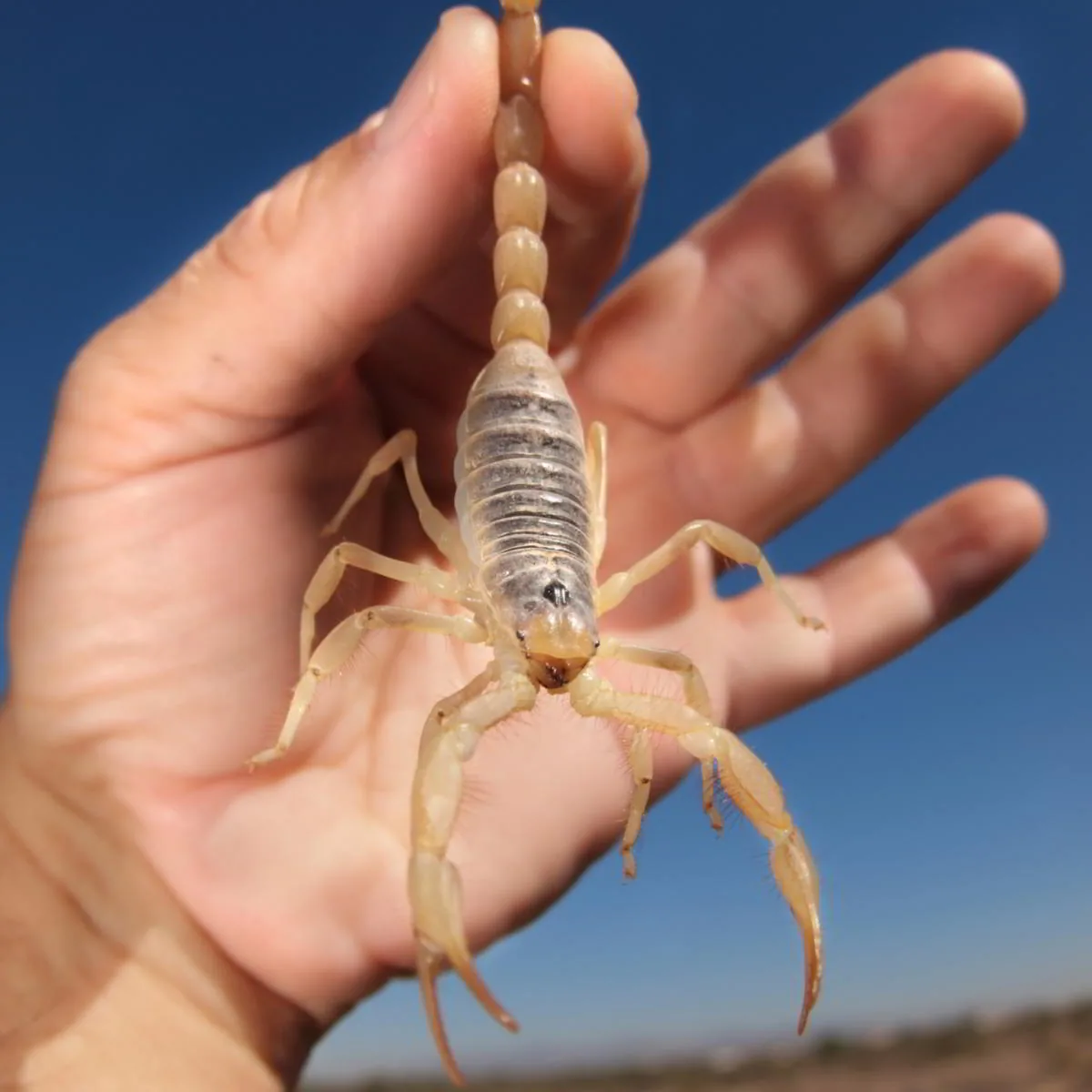
Male bark scorpions are slightly larger than females and grow to about 3 inches long. Newborn scorpions are actually more dangerous than adults, they can't control how much venom they inject, so every sting delivers a full dose.
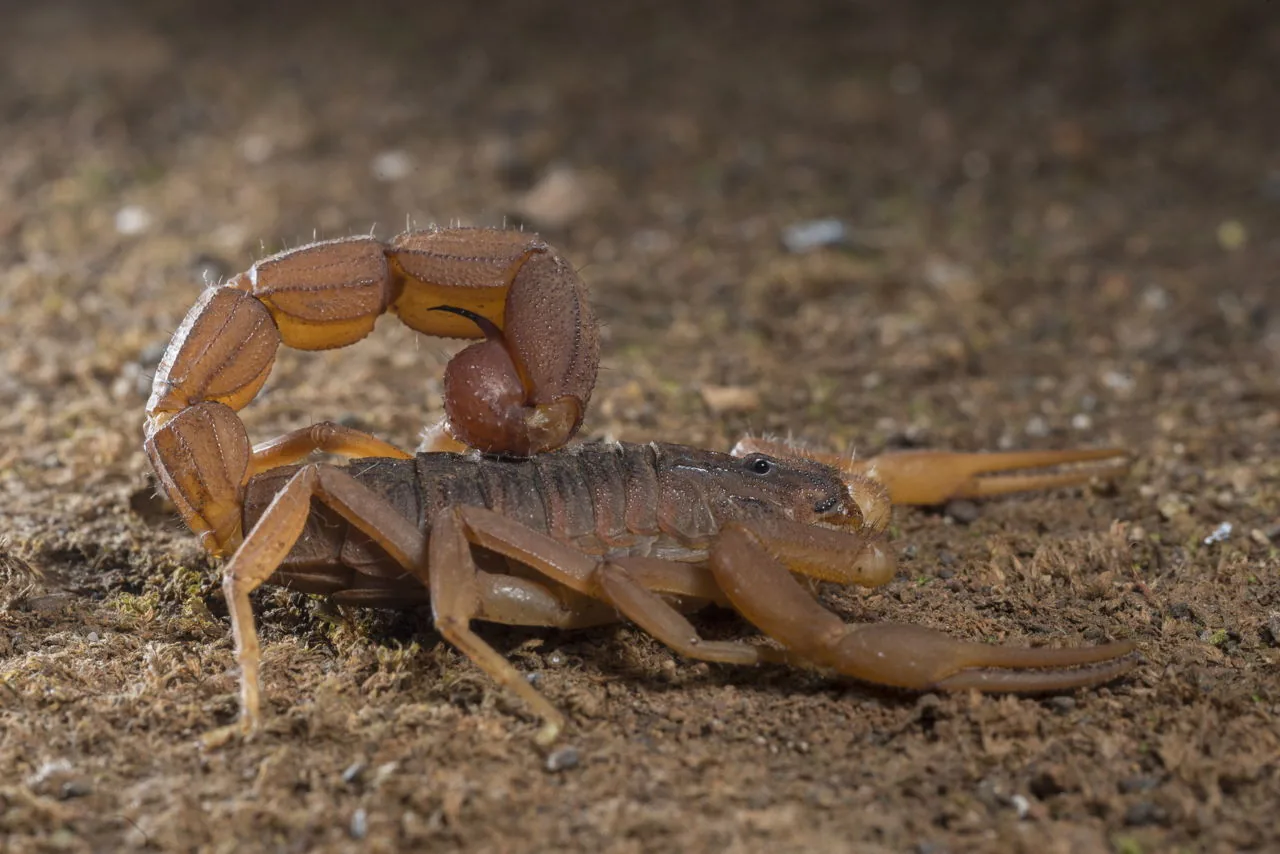
Like all scorpions, they are nocturnal, active only at night. They hide from the desert heat during the day and come out to hunt after dark. You can often find them sheltering under rocks, inside tree bark, or tucked into dense bushes.
They have a useful trick for people trying to find them: scorpions glow bright green under UV (ultraviolet) light. Anyone living in a scorpion-prone area should keep a UV flashlight handy. Shining one around dark corners and hidden surfaces at night is a quick way to check for scorpions before you step or reach somewhere dangerous.
The bark scorpion is one of many venomous Arizona animals found in the Sonoran Desert. It feeds mainly on crickets and cockroaches.
Unlike most scorpions, bark scorpions don't dig burrows. They hide inside existing cracks and holes, which is part of why they end up inside homes so easily. They love moisture too, so you'll often find them near gardens, house ponds, kitchen sinks, and bathrooms.
They are also expert clingers. A normal-looking rock in your garden might have a scorpion pressed flat against its underside, waiting in the shade. Most amazingly, they are the only scorpions in the world that can climb up walls and hide on ceilings, behind curtains, and on other vertical surfaces.

Take the Arizona Bark Scorpion Quiz!
5 quick questions. How much do you really know about this desert danger?
Arizona Bark Scorpion Venom Dangers
The venom of this scorpion can be fatal if not treated with an antidote. How serious it gets depends on how much venom was injected and where the sting happened. Small children face the greatest risk and must be treated right away. The venom can also kill small pets such as puppies, cats, and hamsters.
Here are the signs to watch for if you think someone has been stung:
- Extreme pain on the stung area and the area around it.
- Instant nerve poisoning syndrome
- Inability to breathe
- Body spasms and nerve imbalance through rapid convulsions of the eyes and body muscles
- Inability to use the body part and increased numbness spreading across the stung area.
- Feeling of electric surges in the body
- Body convulsions which seem very akin to seizure symptoms
Anti-Venom
Get to an emergency room as fast as possible. While you're waiting for help, you can rub the sting area with an iron piece, this is believed to help reduce the sting. Then wash the area with hot soapy water, followed by a cool compress (no ice).
A new anti-venom has been developed since the old antidote was banned. It has saved many lives and is available at hospitals and drug stores across Arizona and Mexico. Patients who don't receive anti-venom need to be heavily sedated for about 2 days while the convulsions and pain subside. This scorpion has claimed lives (especially those of small children and elderly people) so any signs of sting poisoning must be treated as an emergency.
Frequently Asked Questions
What is the scientific name of the Arizona bark scorpion?
Centruroides sculpturatus
Can an Arizona bark scorpion kill you?
Its venom can be fatal if untreated, especially in small children and the elderly. Anti-venom is widely available in Arizona and Mexico.
How do you detect Arizona bark scorpions at night?
Shine a UV (ultraviolet) blacklight, scorpions fluoresce and glow blue-green in the dark.
Can Arizona bark scorpions climb walls?
Yes, they are the only scorpions in the world that can climb vertical walls and even hide on ceilings, behind curtains and on other vertical surfaces.
Where in the world is the Arizona bark scorpion found?
Across the Sonoran Desert, including Arizona, Mexico, California, Colorado, Oklahoma, and Texas.
Preventing Arizona Bark Scorpion Sting
Never walk around the house or outdoors without proper shoes or boots. Sandals and slippers are a bad idea in scorpion country.
Always shake your shoes and look inside before putting them on. Check your clothes too, scorpions have been found hiding in clothing more than once.
Check your bathroom carefully, especially under the sink, around pipes, the drain, and the toilet seat. Do the same in your kitchen.
Never move around the house at night without your UV lamp. If any scorpions are nearby, the lamp will make them glow in the dark and easy to spot.
Cover your baby's crib with a net to stop a scorpion from dropping onto it from the ceiling or curtains.
Bark scorpions cannot climb smooth glass. Place all four legs of your bed into glass bowls, the scorpion can't get past smooth glass to climb up. You can do this with your baby's crib too.
Since scorpions hunt cockroaches and centipedes, keeping your home pest-free reduces the food supply. Call a professional exterminator if you see a lot of these insects.
Desert areas carry real risks because they are home to some of the world's most dangerous animals and plants. People living far from towns face greater danger when emergency services are far away. The Arizona health services have made sure that anti-venom is available at the nearest medical clinic, store, or hospital no matter where you are.
Explore More Animals
 Terrifically Petrifying Facts About the Deathstalker ScorpionLooking for some interesting Deathstalker scorpion facts? This article is filled with interesting facts and information about this venomous predator of the dese
 Arizona Desert AnimalsSurvival in the scorching Arizona desert is a Herculean task, yet wolves, lions, owls, eagles, rattlesnakes, elk, bears, coyotes, and scorpions all thrive acros
 Extremely Rare and Unique Desert Insects You Didn't Know ExistedThe silent surroundings of the desert may give us a feeling that no living thing exists there, but there are various kinds of insects living in the desert that
 A Complete List of Desert Animals (With Pictures)Meet the hardy animals that survive the world's hot and cold deserts: camels, fennec foxes, meerkats, rattlesnakes, polar bears and dozens more, plus a close-up

 Fun fact for today!The Arizona bark scorpion is the only scorpion in the world that can climb walls and hang from ceilings!