

Largest Snakes in the World
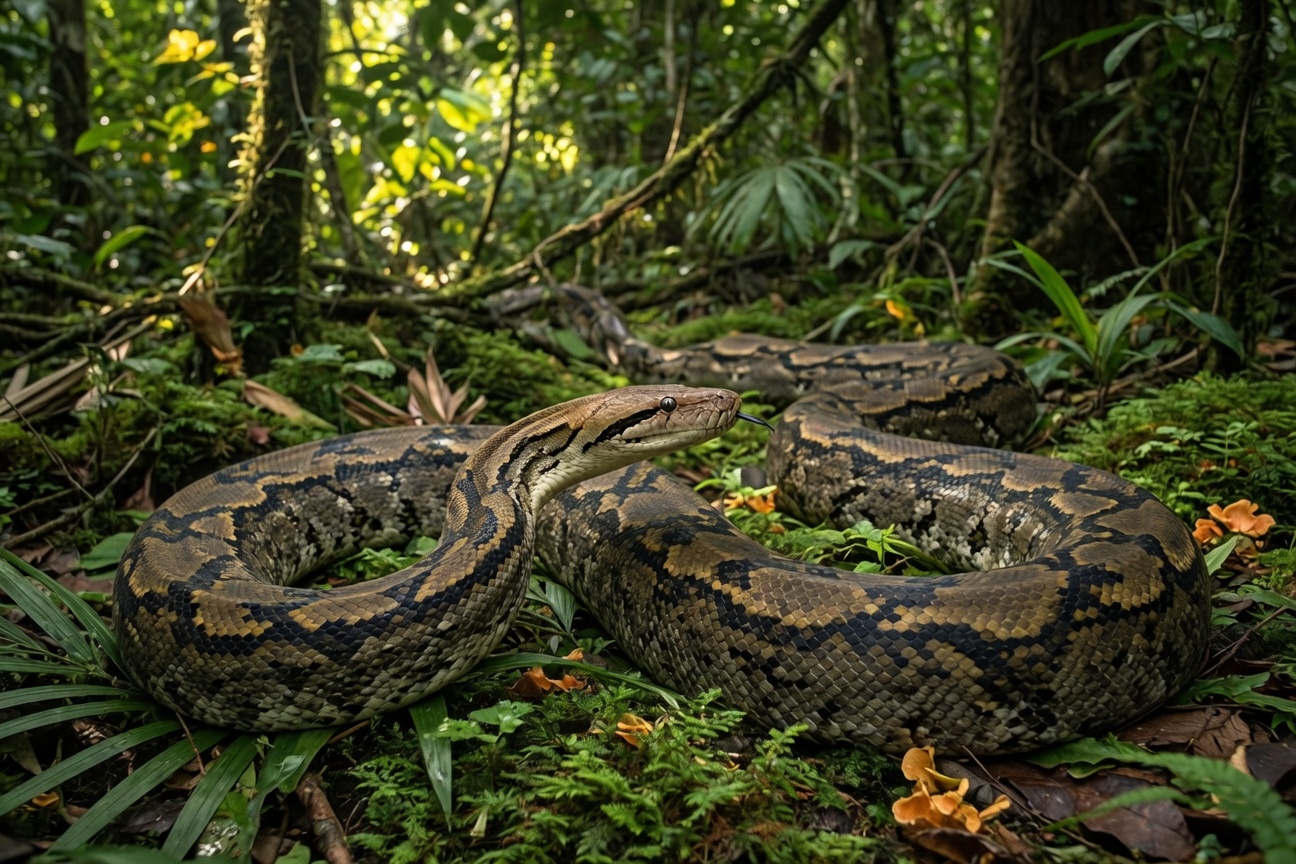
Among the types of snakes found on Earth today, species belonging to the python and boa families are the biggest ones. Here are some of the big snakes found on Earth, along with pictures.
Reticulated Python
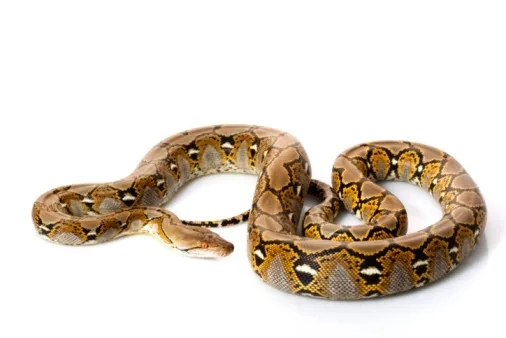
The reticulated python (Python reticulatus) is the largest of all pythons and the world's longest snake. Most adults grow over 20 feet (6 meters) long. The largest one ever found measured 28 feet (over 8 meters). Its scales form a striking net-like pattern in black, brown, orange, and yellow. It lives in Southeast Asia and the Philippines. Surprisingly, reticulated pythons are also popular as pets.
Burmese Python
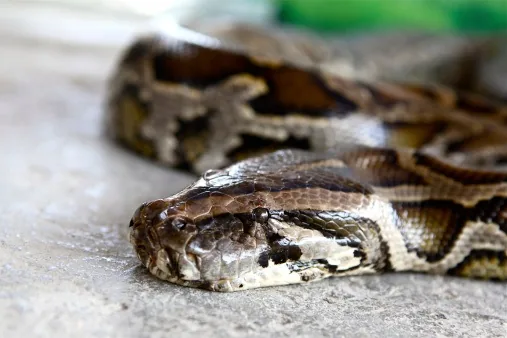
The Burmese python is also found in Southeast Asia and India. Its average length is 12 feet (3.7 meters), but it can grow up to 23 feet (7 meters). These snakes have attractive brown and yellow skin, and are sadly often hunted for their skin. Burmese pythons have also made headlines as big snakes in Florida, they are an invasive species there and have caused real problems for local wildlife.
African Rock Python
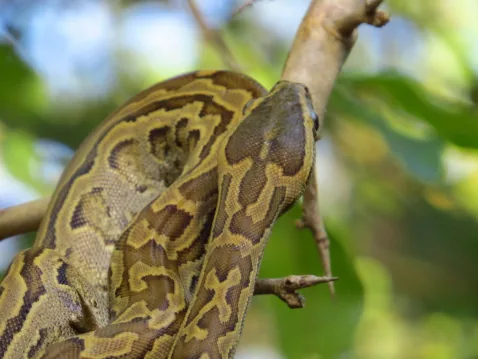
The African rock python (Python sebae) is a member of the python family and one of the world's largest snakes. On average, these pythons grow up to 20 feet (6 meters) long. Some individuals have been recorded at over 20 feet. As the name suggests, they are found only in Africa, making them the largest snakes on that continent. They are brown and olive in color, and like all pythons, they are carnivores and non-venomous.
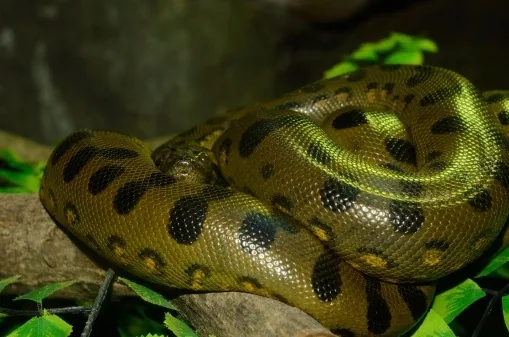
Green Anaconda
The green anaconda (Eunectes murinus) typically grows 17-20 feet long. The longest ones reported reach over 20 feet and up to 25 feet. What makes this snake really stand out is its weight, the green anaconda is the heaviest snake in the world, reaching 550 pounds (227 kilograms). Females grow larger than males. Like pythons, the green anaconda is also non-venomous.
Take the Big Snakes Quiz!
8 quick questions. How much do you know about the world's biggest serpents, living and prehistoric?
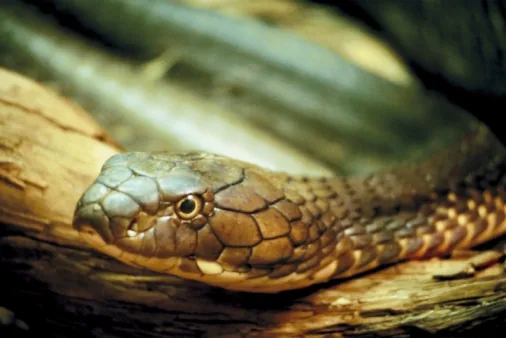
King Cobra
The king cobra is one of the deadliest snakes in the world and can grow up to 18 feet in length. It attacks only when it feels threatened and rarely approaches humans. King cobras are usually found in Asia, especially India, and are easy to identify by their wide, fan-shaped hood. They are venomous, a single bite can kill an animal or even a human!
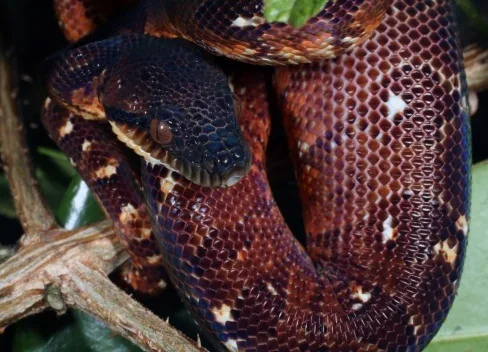
Madagascar Ground Boa
The Madagascar ground boa (Boa madagascariensis) is one of the big snakes from the boa family. Most adults grow up to 8 feet long, with the longest on record reaching 11-12 feet. You can identify it by the rhombus-shaped pattern along its sides, rather than on its back like most snakes. It comes in brown, yellow, and black. As you might guess from the name, it is native to the island of Madagascar.
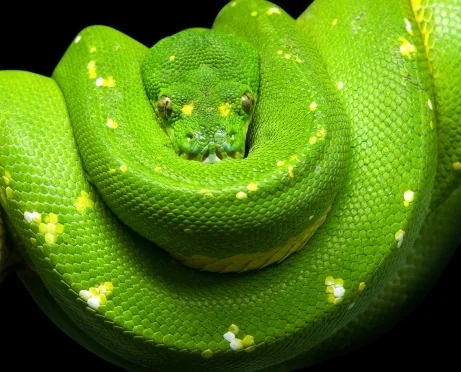
Green Tree Python
The green tree python (Morelia viridis) gets its name from its vivid green color. It is one of the most beautiful snakes in the world, with bright green and yellowish scales accented by blue stripes. If you are looking for a big snake as a pet, many keepers love this species. The average length is 7-7.5 feet, with the largest individuals reaching up to 8 feet.
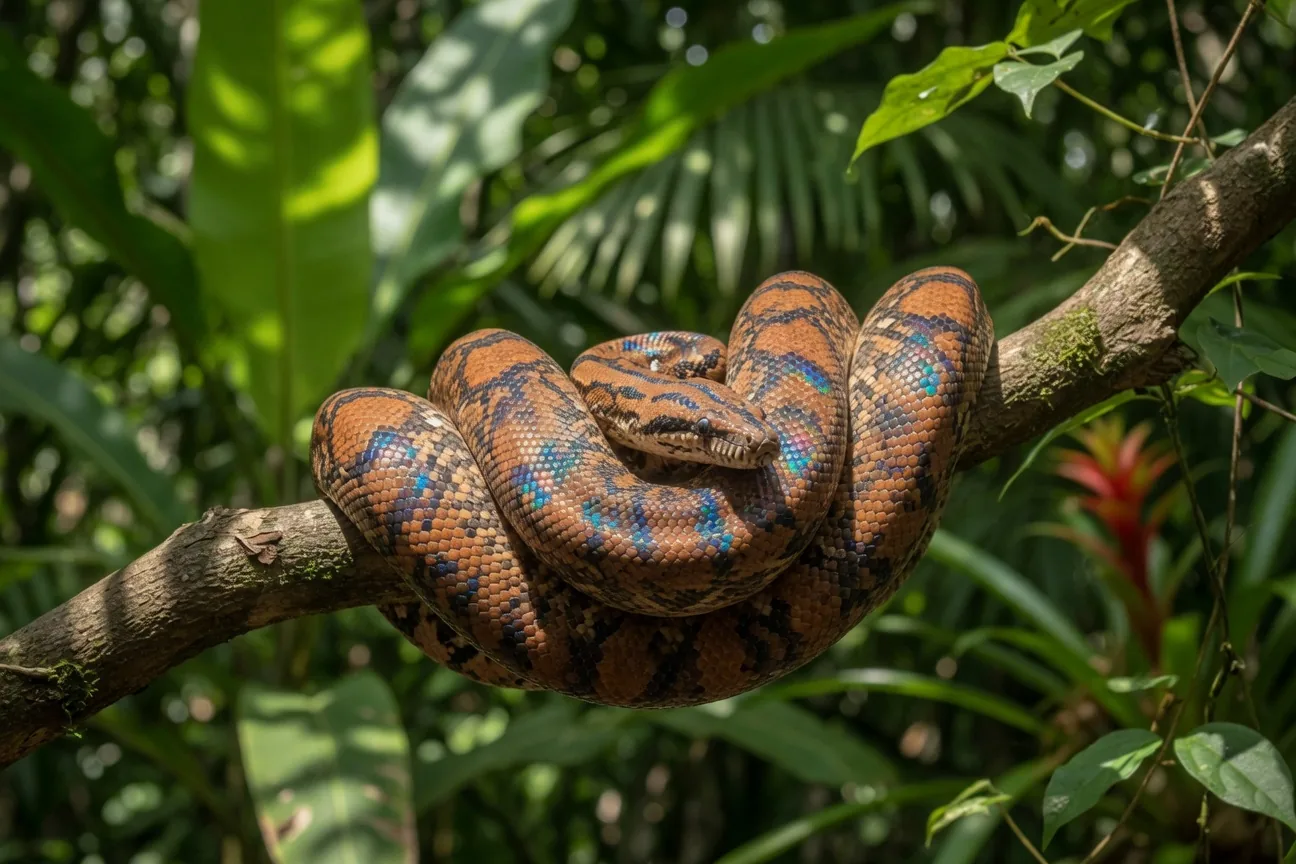
Rainbow Boa
The rainbow boa (Epicrates cenchria) is one of the most unusual snakes on Earth. At first glance, it looks plain, just orange-brown. But in the right light, its scales display iridescence: they split light into all the colors of a rainbow, just like a prism does. Rainbow boas are 5-6 feet long, but can reach up to 7 feet. They live in South America.
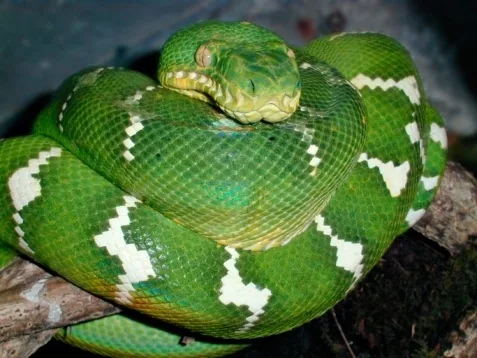
Emerald Tree Boa
If you look at the types of snakes with pictures, you will notice that the emerald tree boa and the green tree python look very similar. The emerald tree boa (Corallus caninus) gets its name from its emerald-green color and its treetop home. These snakes also grow up to 6 feet or slightly longer. The emerald tree boa mainly eats animals, and it hunts especially at night.
More Snakes Worth Knowing
Apart from these, the following snakes are also worth noting as they grow up to or more than 5 feet in length. They include:
- Green vine snake
- Milk snakes
- Red rat snake / corn snake
- Morelia spilota
- Amazon tree boa
- Red-tailed green rat snake
- Blue coral snake
- King snake
- Gopher snake
Many of the snakes found today are endangered. They are often hunted and killed for their skins. People who want to keep them as pets should learn a lot first and make sure they can give these amazing animals the proper care they need.
Frequently Asked Questions
What is the longest snake in the world?
The reticulated python, the largest recorded is over 28 feet (8+ meters) long. The longest in captivity is Medusa, a reticulated python in Kansas City, Missouri, at 25 feet 2 inches and about 350 pounds.
What is the heaviest snake in the world?
The green anaconda, which can weigh up to 550 pounds (227 kg) and grow more than 22 feet long, with a body up to 12 inches thick.
What was the biggest snake ever to exist on Earth?
Titanoboa cerrejonensis, a prehistoric snake discovered in a Colombian coal mine in 2009, was 42 to 45 feet long and weighed over 2,500 pounds. It lived about 60 million years ago.
Are anacondas and pythons venomous?
No, anacondas and pythons are non-venomous constrictors. They kill prey by squeezing it until it cannot breathe. The king cobra in this list is the only venomous species.
Why do female green anacondas grow larger than males?
Female green anacondas are larger because they carry eggs; larger body size helps them reproduce successfully.
What makes the rainbow boa look rainbow-colored?
Iridescence, the rainbow boa's scales refract light into different colors, similar to how a prism works.
Meet the Record-Breaking Giants
Two of the snakes above hold world records, and there's a third, long extinct, that beats them both. In modern times, the reticulated python holds the title of longest snake species in the world. When it comes to weight, though, the anaconda wins. But neither of them can compare to a prehistoric monster recently discovered, a bus-sized beast now named Titanoboa Cerrejonensis. Let's take a closer look at all three.
Biggest Snake by Length, The Reticulated Python
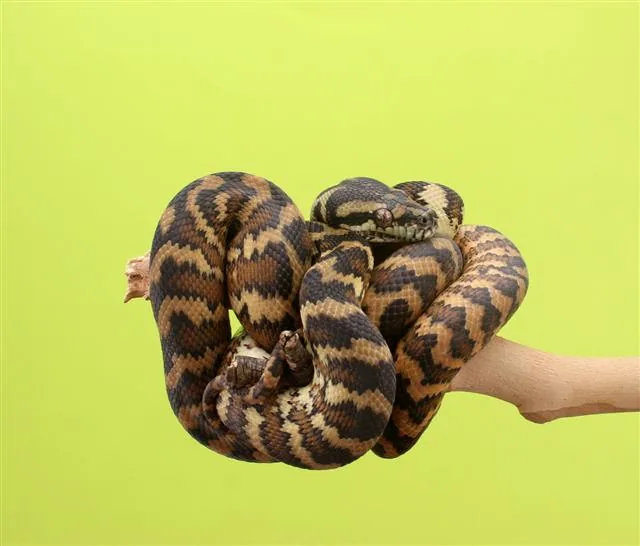
Python Reticulatus (better known as the reticulated python) is the longest snake species in the world. It gets its name from the beautiful crisscross patterns on its scales. These patterns look like a net, and "reticulated" means net-like in Latin. Reticulated pythons range from 15 to 25 feet in length. They are non-venomous. Instead of using venom, they kill prey by constriction, wrapping their coils tightly around an animal and squeezing.
These pythons are excellent swimmers. That ability has helped them spread across many islands in Southeast Asia. They prefer a tropical climate, with temperatures between 80 and 90 degrees Fahrenheit.
What They Eat
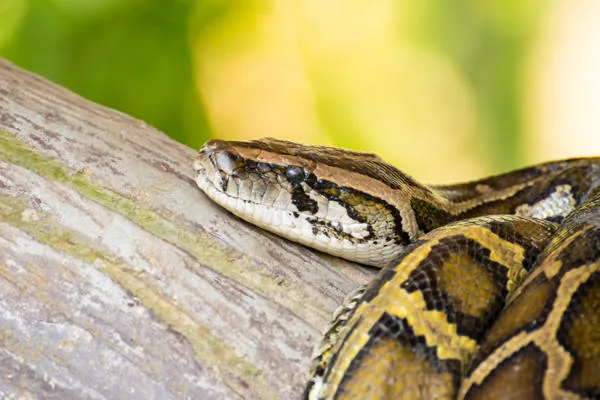
Reticulated pythons eat mammals and sometimes birds. There have been reports of them eating cats, dogs, and even large pigs. Their hunting style is to ambush prey and then kill by constriction.
A set of 100 sharp teeth gives them a powerful grip. In just a few minutes, a python can kill and swallow its prey whole. Then strong digestive juices (like hydrochloric acid) slowly dissolve the meat and bones over several days.
Where They Live
Reticulated pythons live in grasslands, swamps, rivers, woodlands, and even coastal areas. They are mostly found in the rainforests of Southeast Asia, including Indonesia and the Philippines.
In the wild, they live for about 23 years on average. They are night hunters and become most active at dusk. Although rare, reticulated pythons have been known to attack humans, and in some cases the attacks have been fatal.
Medusa, The Record Holder
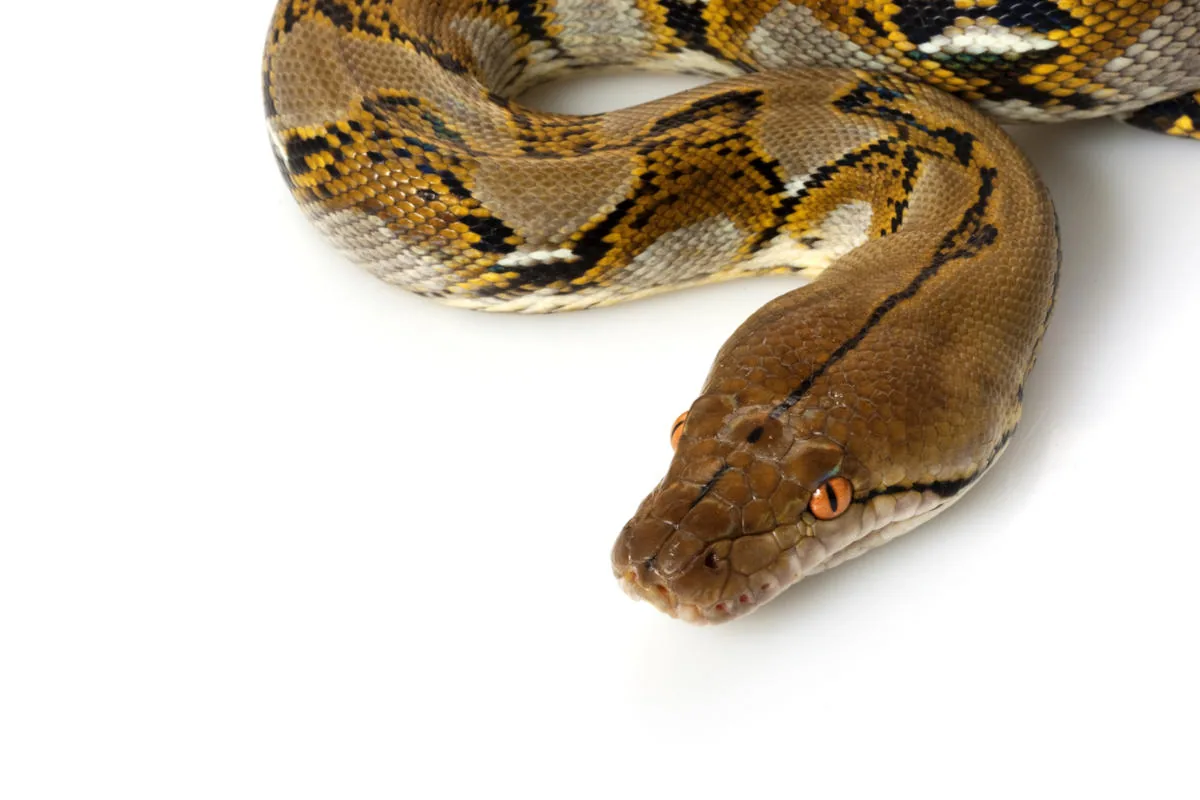
Medusa is the longest snake in the world in captivity. She lives in Kansas City, Missouri. It normally takes 15 people just to hold her up.
Medusa started life as a 24-inch baby python. In just 8 years, she grew into a 25-foot giant. She eats about 40 pounds of meat each week, a diet of rabbits, pigs, and rodents.
Biggest Snake by Weight & Thickness, The Green Anaconda
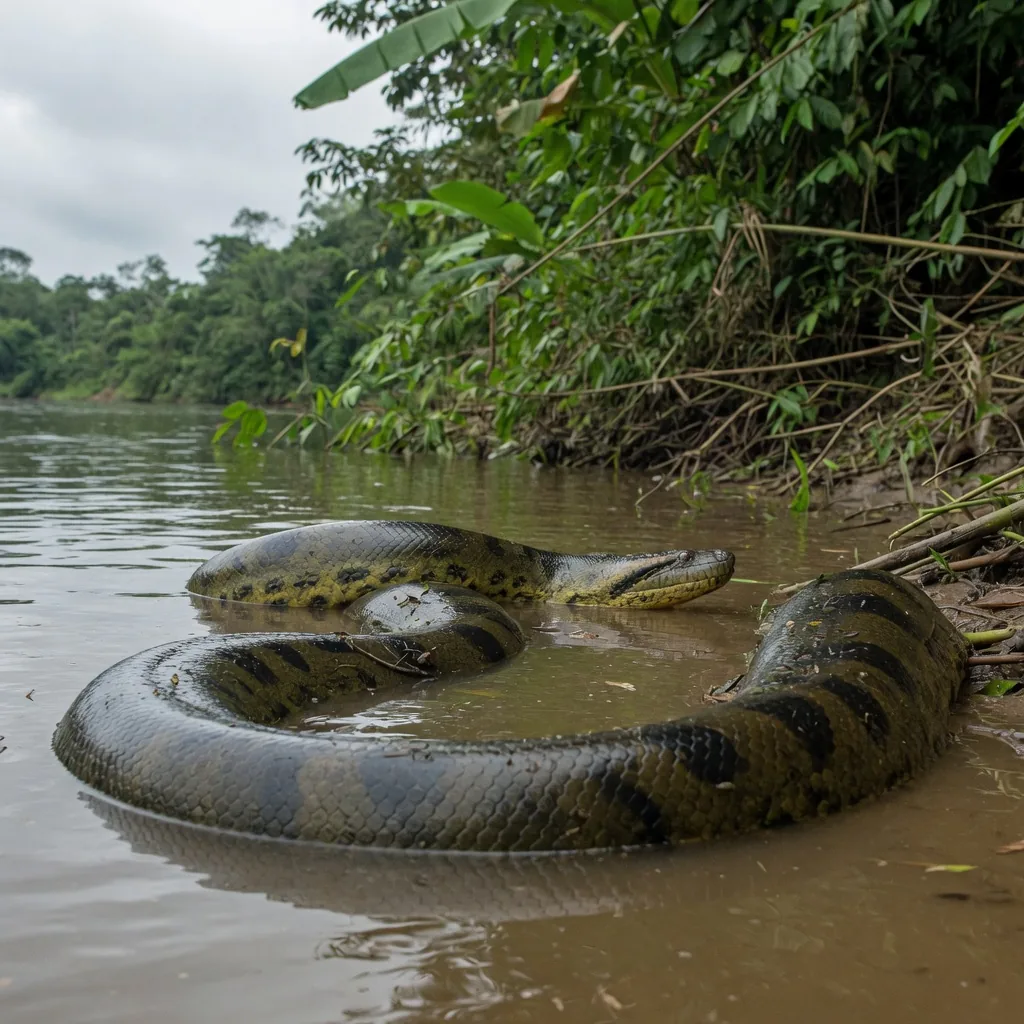
When it comes to weight and thickness, the green anaconda of South America is the biggest snake in the world. Anacondas belong to the Boa family of snakes. In the Amazon rainforest, they have no rivals except humans. They are the top predators of their habitat and hunt almost anything they can overpower. After a big meal, they can go weeks without eating.
Green anacondas are found in Brazil, Peru, Bolivia, Ecuador, Venezuela, and Colombia, all countries east of the Andes mountains.
The Anaconda's Watery Home
Green anacondas prefer swamps and marshlands in tropical rainforests. They can grow to more than 22 feet in length. Their weight can reach 550 pounds (227 kg) or more. Because of their weight and thickness (up to 12 inches across) anacondas spend most of their time in water.
How Long They Live & What They Eat
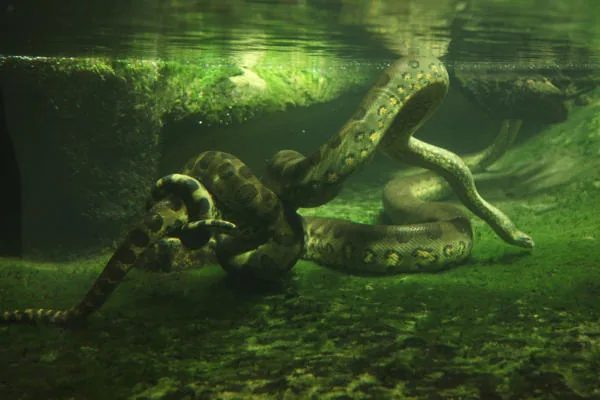
In the wild, green anacondas live for about 10 years on average. They eat fish, mammals, reptiles, and almost any creature they can overpower. They have even been known to eat deer and caimans.
The Biggest Snake of All Time, Titanoboa
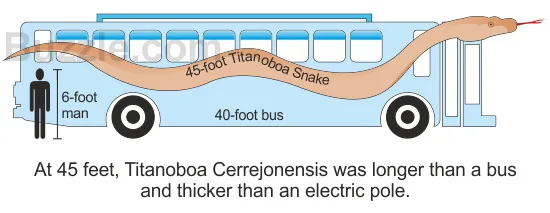
In February 2009, scientists discovered the fossilized remains of a truly enormous prehistoric snake. It lived in what is now north-eastern Colombia, about 60 million years ago. The remains were found in a coal mine. This ancient beast was 42 to 45 feet long and weighed over 2,500 pounds (1,140 kg), about as long as a bus.
Scientists named it Titanoboa Cerrejonensis, "Titanic boa from Cerrejón." It is a prehistoric ancestor of the Boa Constrictor. In its time, it was the undisputed king of snakes. It was large enough to eat a cow, and most likely feasted on the distant ancestors of crocodiles.
Nature has always favored giant species, from the anaconda and reticulated python to the blue whale and the Titanoboa. Large size helps animals survive and dominate. But disasters can wipe out even the biggest creatures. The meteor collision that killed the dinosaurs, for example, favored smaller animals that were easier to feed and hide. Our "King Kong" obsession with enormous animals is not a product of 20th century filmmaking, it is an ancient fear passed down from ancestors who actually had to live alongside these giants. In the end, what gave humans the edge was intelligence, which makes us the most effective creatures on the planet.
Explore More Animals
 Types of Snakes With PicturesMeet every type of snake, from the deadliest venom-injecting cobras and vipers to record-breaking constrictors, tiny thread snakes, and ocean-going sea snakes.
 List of Nonvenomous Snakes With PicturesMost snakes won't hurt you: about 85% are nonvenomous. Meet pythons, boas, kingsnakes, rat snakes and more harmless snakes, with pictures of each.
 Things You Never Knew About Cobras, the Snakes with HoodsThe cobra is one of the most venomous snakes found in the world. Discover cobra pictures, detailed species information, hood anatomy, venom facts, and identific
 World's Most Aggressive Snakes That'll Scare the Life Out of YouWhich is the most aggressive snake in the world? Is it the large black mamba or the small carpet viper? Let's find out...

 Fun fact for today!The reticulated python can reach over 28 feet, longer than a school bus!