

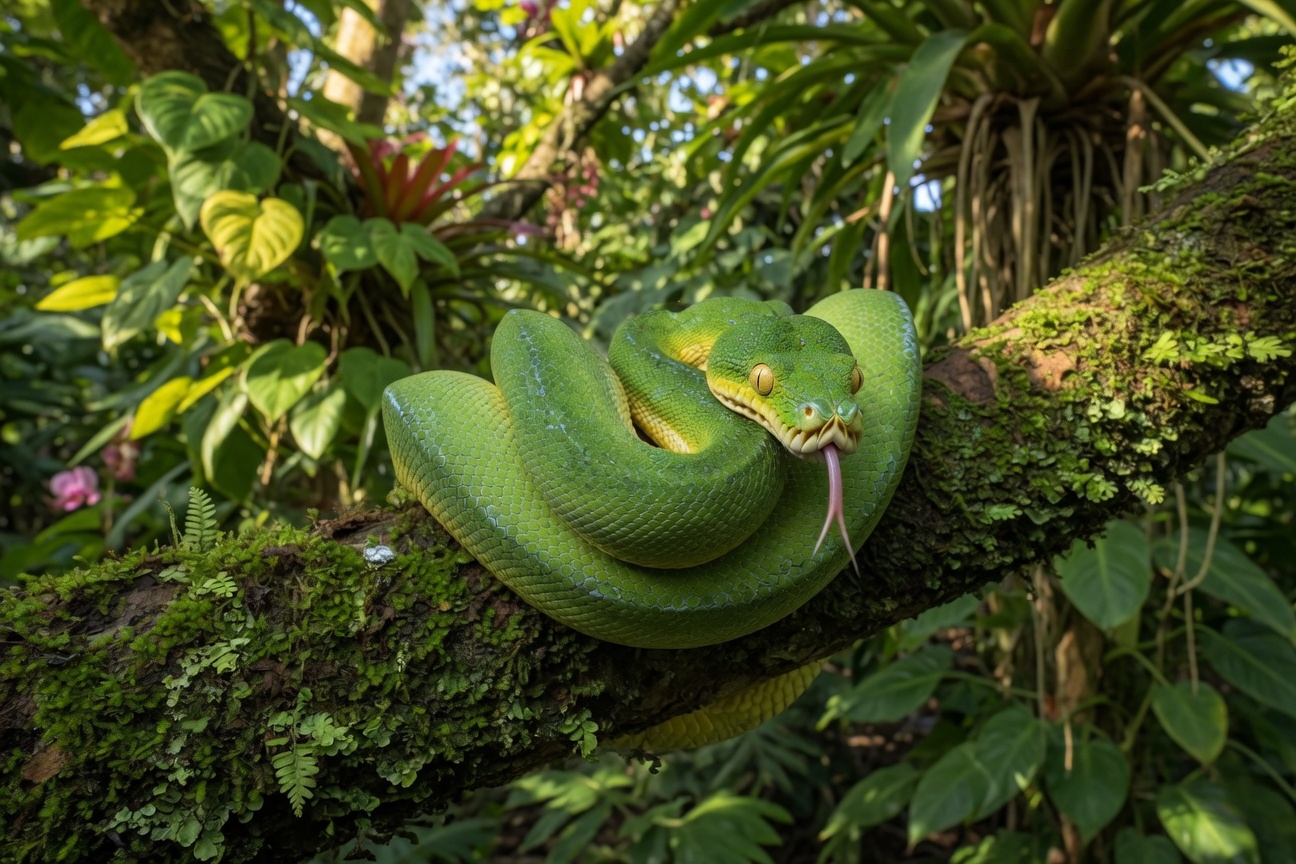
Quick Facts
The word snake is derived from Old English snaca, meaning to crawl or to creep. Snakes are said to have descended from lizards.
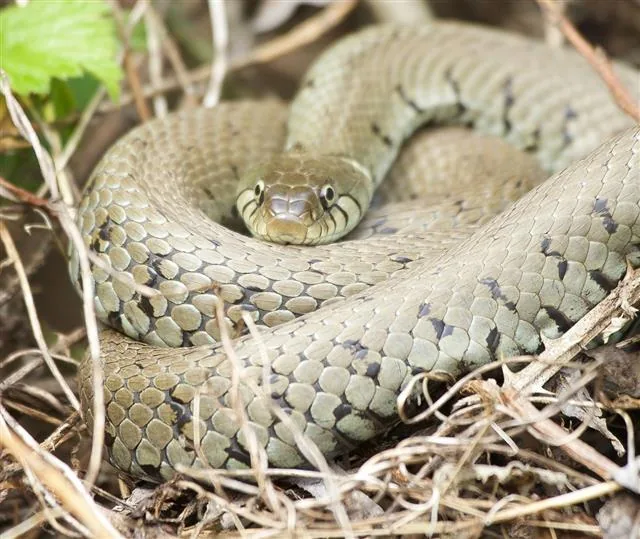
A snake's vision is adequate, although not sharp, allowing them to only distinguish light from dark, and track movements.
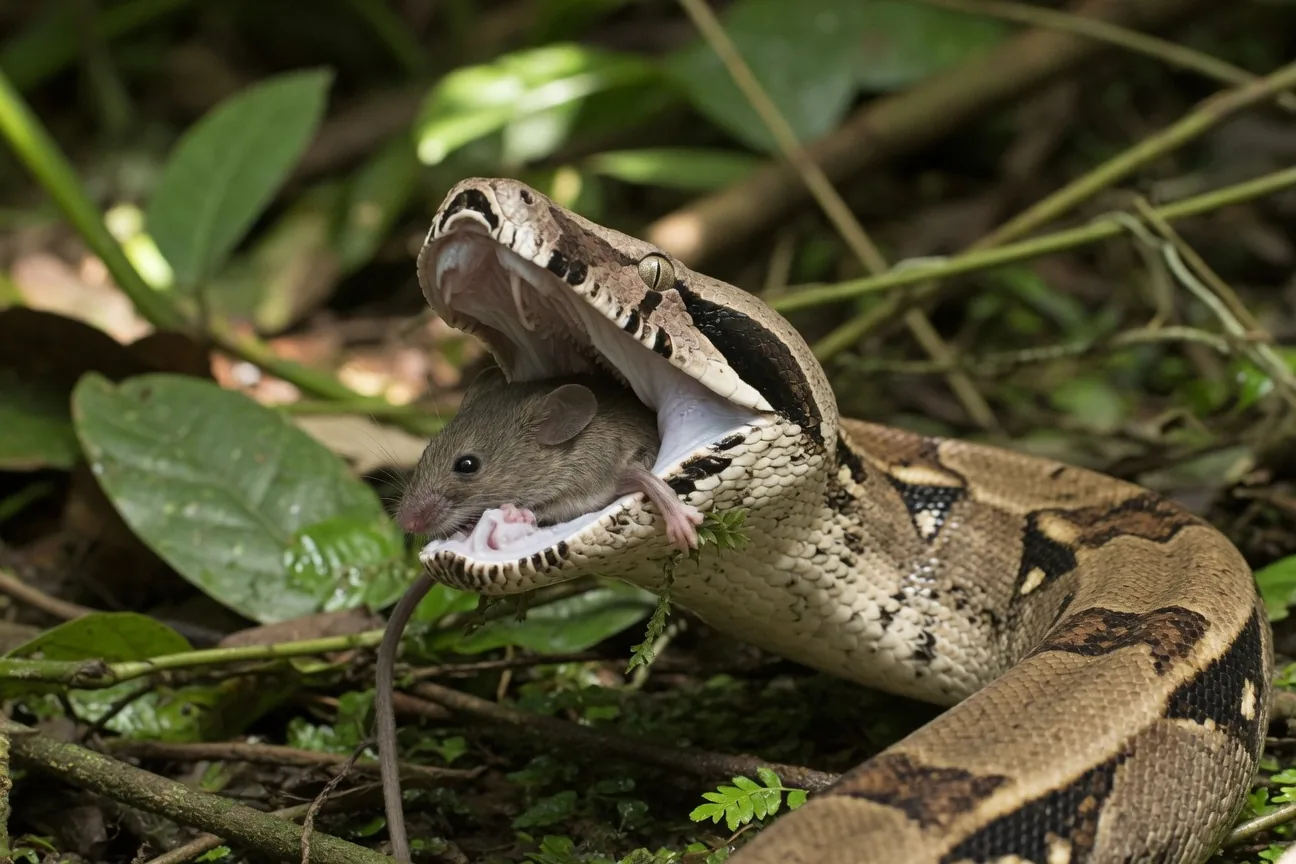
Some snakes kill their prey by biting it and releasing their toxic venom. The venom works in two ways: it kills the prey and also starts digesting it before the snake actually eats it. Other snakes squeeze their prey tightly until it can no longer breathe, or until the spinal cord breaks. These constrictors have sometimes swallowed prey that was still alive.
There are around 3000 snake species in the world, and about 375 of these are venomous. The venom of a king cobra, the world's largest poisonous snake is capable of killing an elephant.
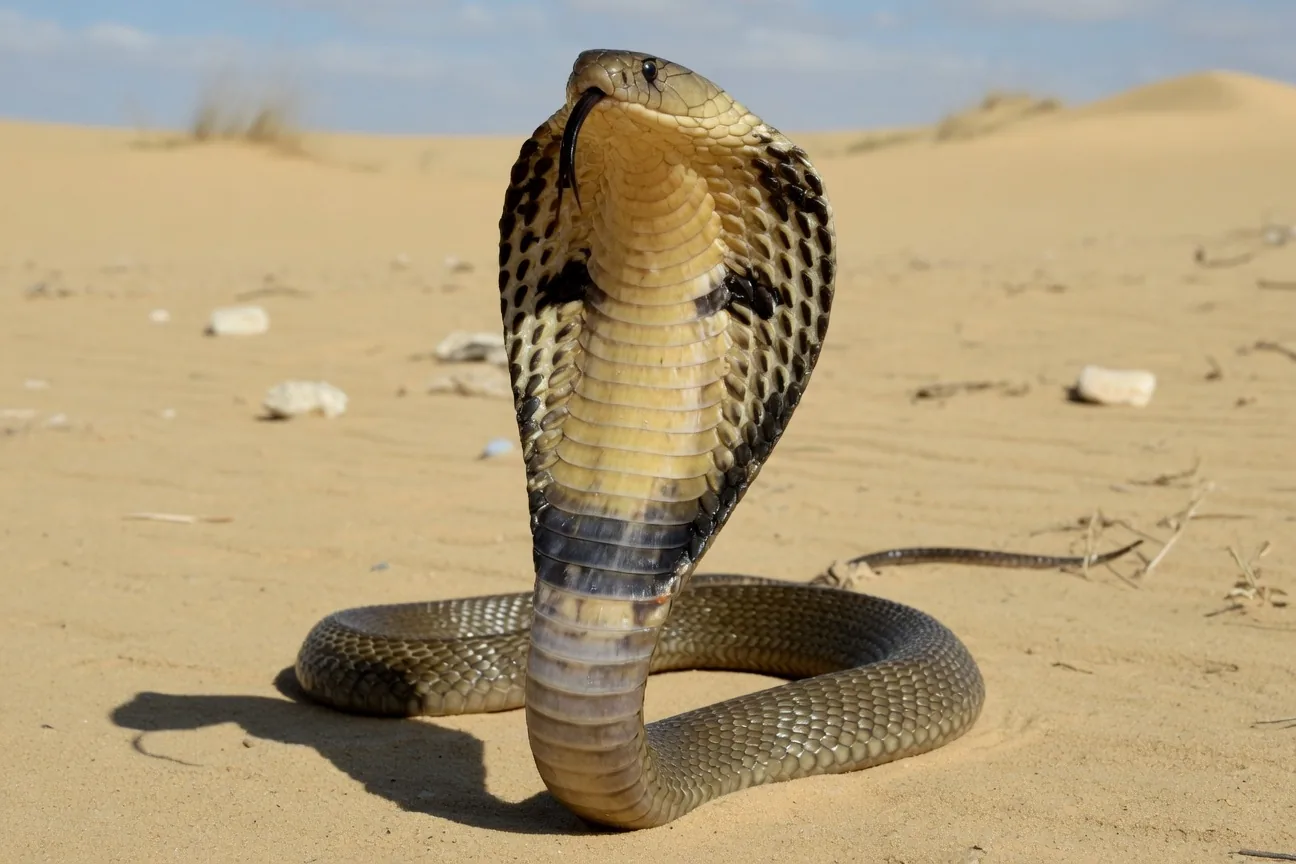
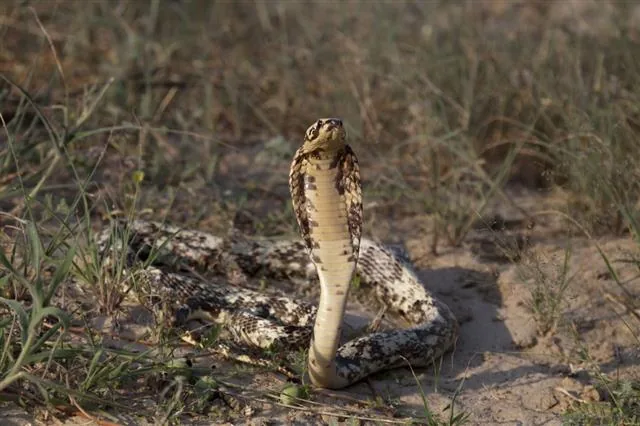
A spitting cobra can spit venom at a target about 5-7 feet away. If it lands in someone's eye, it can cause permanent blindness.
All snakes are born swimmers. They swim by moving their body in lateral, wavelike movements, which start from their head continuing down to their tail.
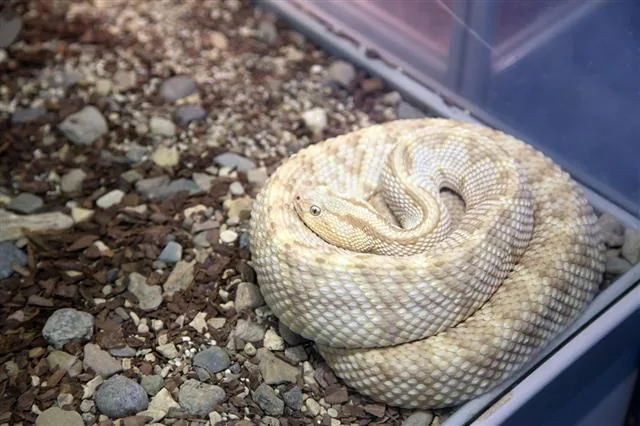
Snakes sleep with their eyes open because they have no eyelids. After a heavy meal, they can sleep for days or even weeks. In cold winters, some species fall into a deep sleep that lasts for months.
Most snakes usually reproduce once in a year. Sea snakes can mate only once every 10 years!
Snakes come in an astonishing range of sizes. Some, like the python, can swallow animals as large as a deer whole. Others are just a few inches long. They live in all kinds of habitats too, some climb trees, others tunnel underground, and still others swim in lakes and seas.
Interesting Facts about Snakes
Snakes occur in a large variety of colors, ranging from dull to brilliant hues with striking patterns. Snakes that have dull coloring use it for camouflage, while those that are brightly colored are usually poisonous. They use their bright colors to warn predators to stay off.
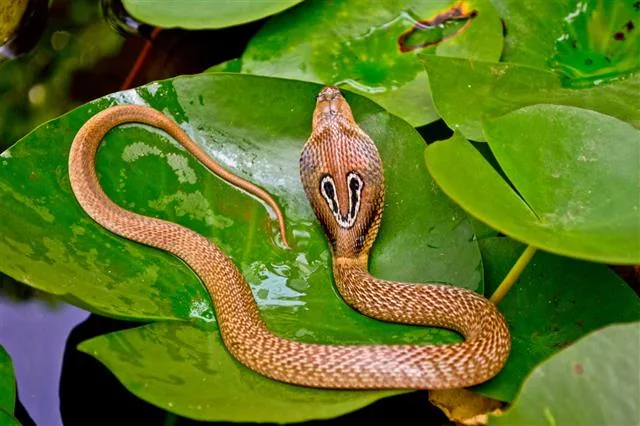
Some non-venomous snakes copy the bright colors and patterns of venomous ones to fool predators. The scarlet snake is one example, it mimics the deadly coral snake's bold red, black, and yellow banding.
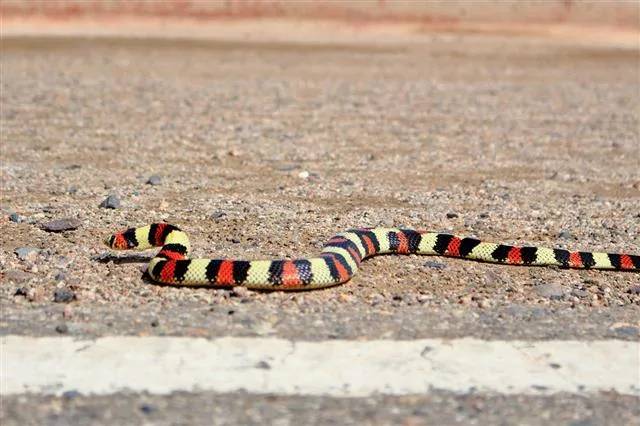
As for the size, while the anaconda can grow up to 38 feet in length, the Brahminy blind snake is just 2 inches long, making it the smallest snake.
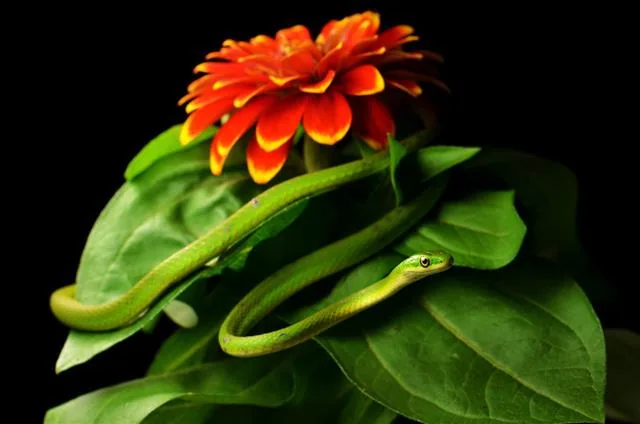
Snakes occur practically all over the world, apart from places like Greenland, Iceland, and Antarctica. However, it is in the tropical regions of the world where most snakes are found.

Like all reptiles, snakes are cold-blooded. This means they cannot make their own body heat. Instead, they rely on sunlight and warm surroundings to warm up. That is why most snake species are found in the hot, humid tropics.
Snakes are reptiles with long, flexible, limbless bodies. The shape of a snake's body depends on where it lives. Burrowing snakes tend to be short and compact for pushing through soil. Tree-dwellers are long and slender, with a prehensile tail for gripping branches. Aquatic snakes have a flattened body that helps them swim.
Take the Snake Facts Quiz!
5 quick questions. How much do you really know about snakes?
Snakes have no eyelids. Instead, a clear scale covers each eye to protect it. They also cannot hear sounds traveling through the air. Instead, they "hear" by picking up vibrations through their jawbones. The part of the body touching the ground acts like a super-sensitive ear, letting the snake detect exactly where prey is located.
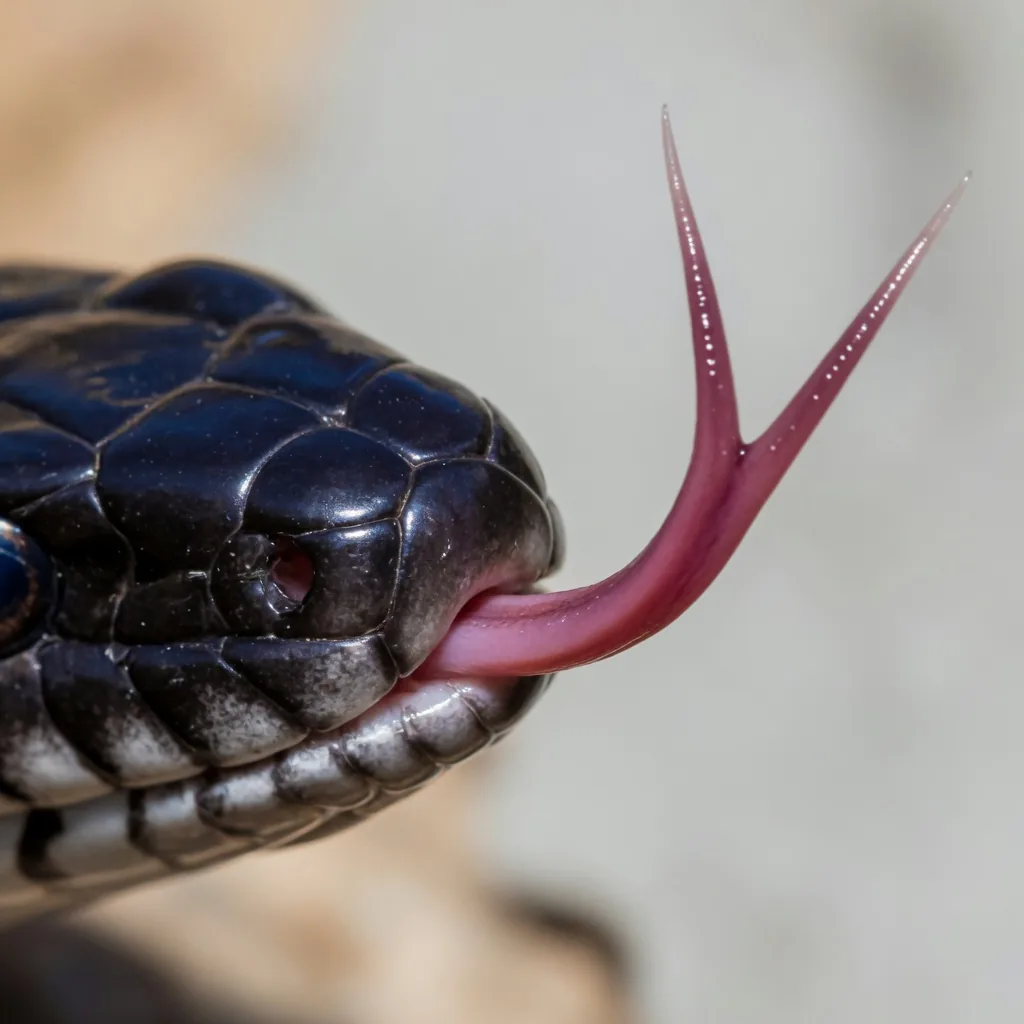
Snakes use their forked tongue to smell. The tongue picks up tiny airborne particles and delivers them to the Jacobson's Organ, a special structure on the roof of the mouth that can detect both smell and taste at the same time. Because each fork samples a slightly different area of air, the snake gets a stereo sense of where a smell is coming from. To stay aware of prey and predators nearby, snakes keep their tongue constantly flicking in and out.
Frequently Asked Questions
What do snakes use their forked tongue for?
To smell, the tongue collects airborne particles and passes them to the Jacobson's Organ for directional scent detection.
How many snake species are venomous?
About 375 out of around 3,000 known species, roughly one in eight.
Can snakes hear?
Not airborne sounds, they lack external ears. Instead they 'hear' by picking up ground vibrations through their jawbones.
How do snakes shed their skin?
They rub their head against a rough surface until the stretched skin splits, then crawl out, turning it inside out like a sock.
Where are snakes NOT found?
Snakes are absent from Greenland, Iceland, Ireland, and Antarctica.
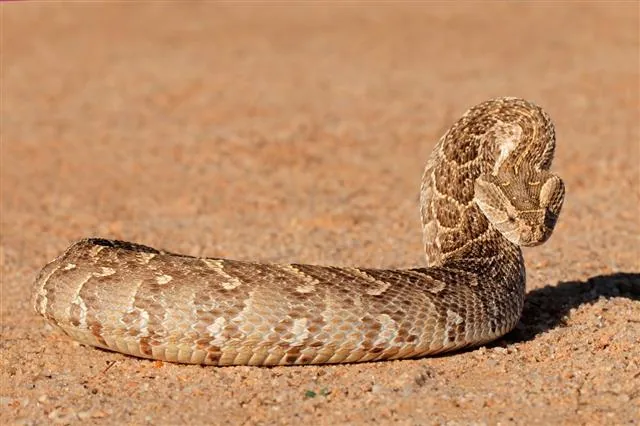
A venomous snake usually has a broader head that bulges out behind its eyes where it stores its venom.
All snakes are purely carnivorous. They cannot bite or chew their food into pieces, so they must swallow prey whole. Snakes have more than 230 teeth that point backwards, perfect for gripping struggling prey and guiding it down the throat.
Snakes have a unique ability to swallow prey three times larger than their own mouth. This is possible because of highly stretchable tendons in the jaw, and because the two halves of their lower jaw are not rigidly joined, they can spread apart to open extra wide.
After a big meal, a snake can survive for many days without eating again. Snakes have a very slow metabolism, which means they burn energy slowly. The King Cobra, for example, can go for months without food.
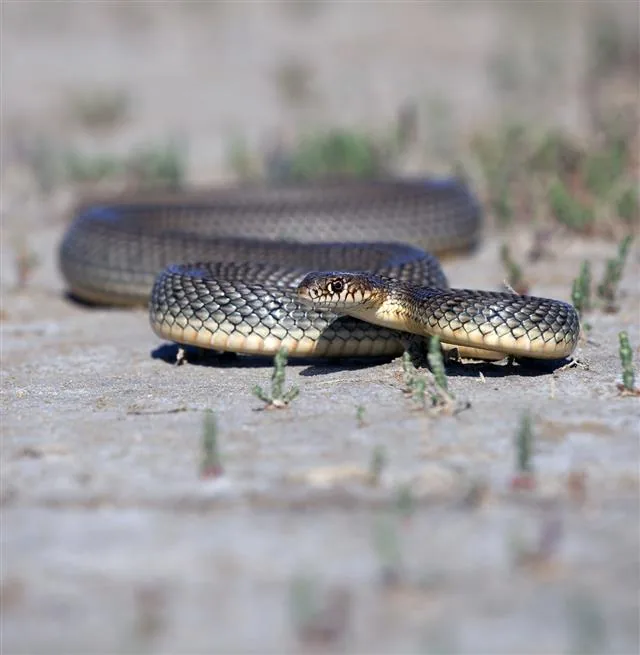
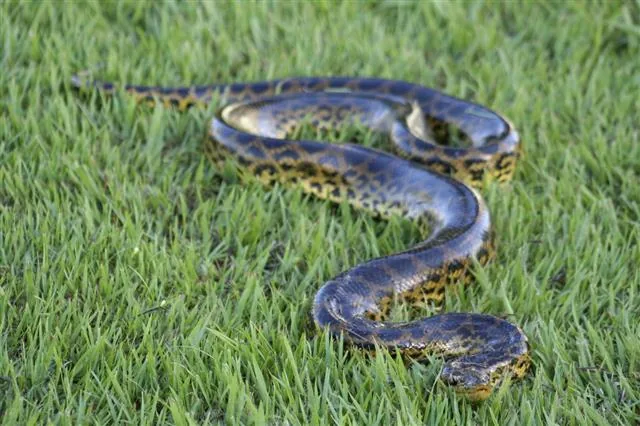
A snake becomes still and inactive after eating while digestion takes place. Digestion uses a lot of energy, so if a snake is disturbed during this time, it may vomit its meal to escape quickly. If left undisturbed, the snake's powerful digestive enzymes dissolve almost everything, bones, organs, and all. Only the prey's hair and claws pass out as waste.
In some countries, snakes are also eaten as food. Snake soup is considered a warming dish in cold weather. In some parts of Asia, snake blood is mixed with liquor as a traditional drink.
Snakes shed their skin regularly as they grow, a process called molting. To shed, a snake rubs its head against something rough, like a rock or a log. This splits the old skin open at the head. The snake then crawls forward, peeling the skin off and turning it inside out like a sock. Older snakes may shed only twice a year, but younger snakes grow faster and can shed up to 4 times a year.
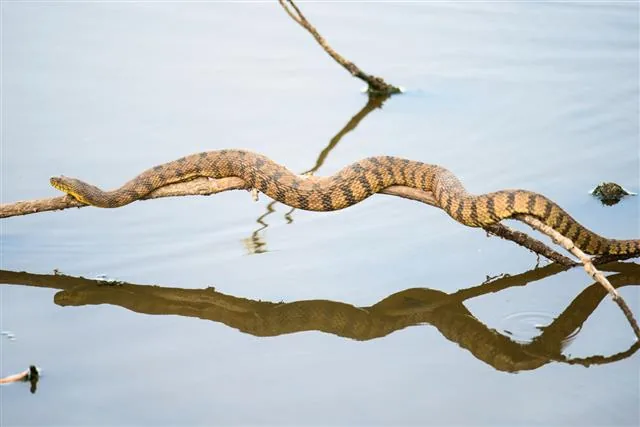
Snakes usually mate in cooler seasons. Male snakes compete for females by wrestling with rival males. They push and twist against each other, trying to pin the other down. Importantly, they are not trying to kill each other, only to win the contest.
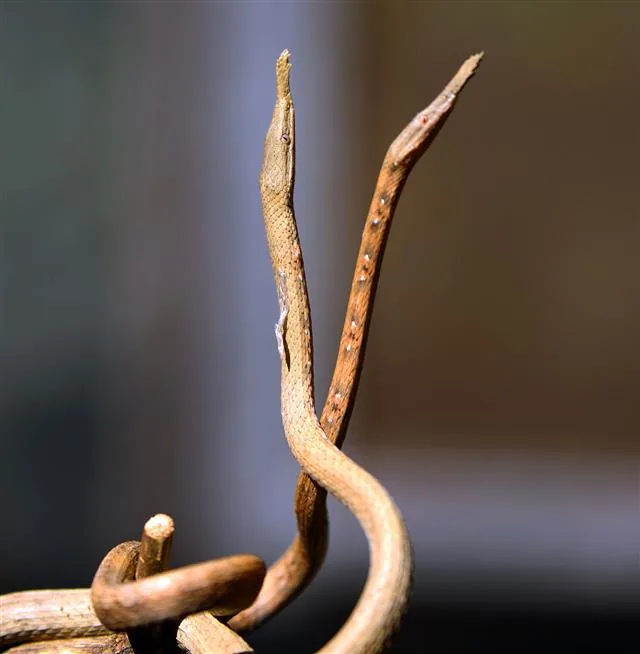
Female snakes lay eggs in about 2 months, but they usually leave the eggs shortly after. Some species keep the eggs inside their body until they are ready to hatch, giving birth to live young. Each baby snake is wrapped in a thin membrane. To break free, the hatchling uses a special egg tooth on its snout to tear the membrane open, then it crawls out on its own.
In some parts of the world, snake charming is a roadside performance in which a charmer plays a flute-like instrument while a cobra sways in front of them. It looks like the snake is listening to the music. In reality, the snake is following the movement of the flute with its eyes, it cannot hear the sound at all, since it has no external ears.

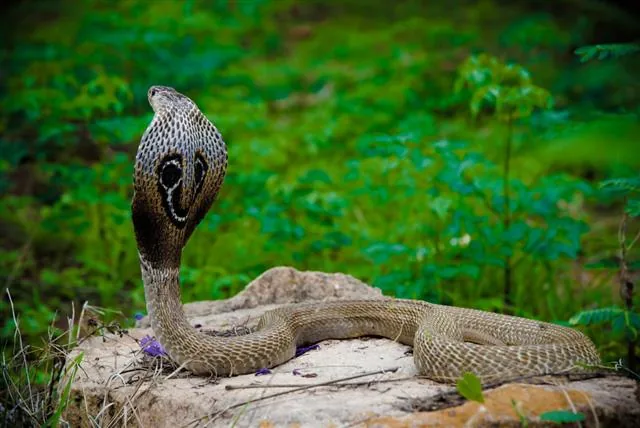
Snakes are naturally shy animals, and scientists are still discovering new things about them every year. Sadly, many species are disappearing. Some are killed out of fear or hunted for their skins. Others lose their homes as forests and wetlands are cleared by humans.
Explore More Animals
 Types of Snakes With PicturesMeet every type of snake, from the deadliest venom-injecting cobras and vipers to record-breaking constrictors, tiny thread snakes, and ocean-going sea snakes.
 Spitting Cobra Facts: The Snake That Shoots VenomSpitting cobras spray venom straight at their predator's eyes with shocking accuracy. Learn how they do it, how far they can spit, and which is the biggest spec
 Top 10 Deadliest Snakes That'll Chill You to the CoreAccording to the WHO, approximately 5 million people get bitten by snakes every year. Which snakes are truly the deadliest? Meet the top 10, ranked by toxicity
 3 Stages in the Life Cycle of a SnakeThe life cycle of a snake starts with the egg stage and ends at the adult stage. In some species the female gives birth to live young. Discover all three stages

 Fun fact for today!Snakes can swallow prey three times larger than their own mouth, without chewing a single bite!