

What Exactly Is a Zoo?
The word 'zoo' is an abbreviated form of 'zoological garden', and it was coined in the nineteenth century. A zoo can be described as a collection of animals found in nature. The reasons behind keeping animals in captivity are linked to education, research, recreation, and conservation. The 'zoo culture' can be traced back to the early period of Chinese, Egyptian and Mesopotamian civilizations. The common types of zoos that we know are urban cage-zoos, safaris, and sanctuaries.
For a long time, zoo authorities claimed to have contributed to the conservation of endangered animal species. However, with animal rights organizations becoming vocal on the issue of abuse of zoo animals, people are beginning to understand how zoos actually function.
Whether animals should be kept in captivity or not is debated on many platforms and forums. The issue is indirectly related to environmental problems and is the source of heated debates taking place the world over. Let's try to understand the pros and cons of zoos through the following arguments.
Natural Habitat and Animal Rights
Should a wild animal ever be taken from the wild? This is where the debate begins. Here are the two sides:
| Pros | Cons |
|---|---|
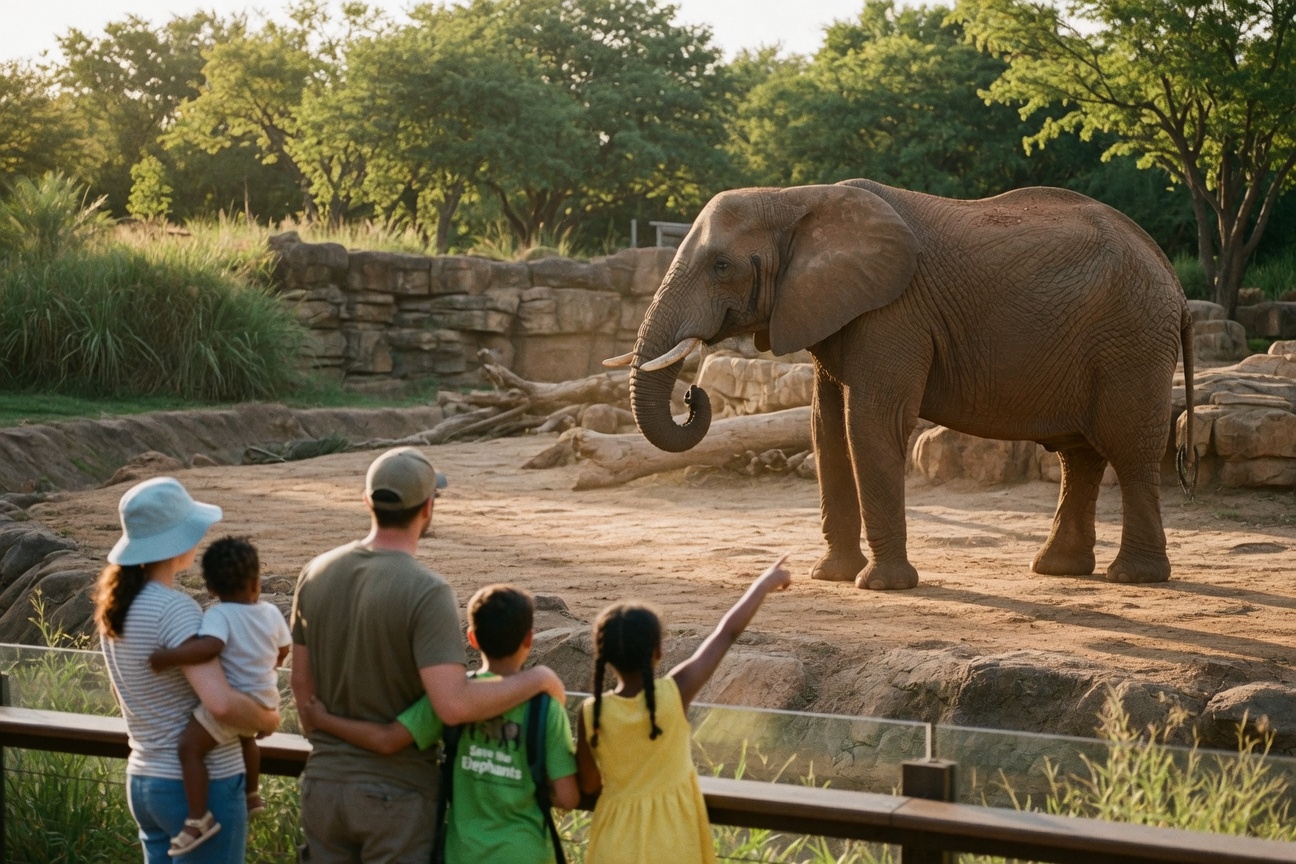
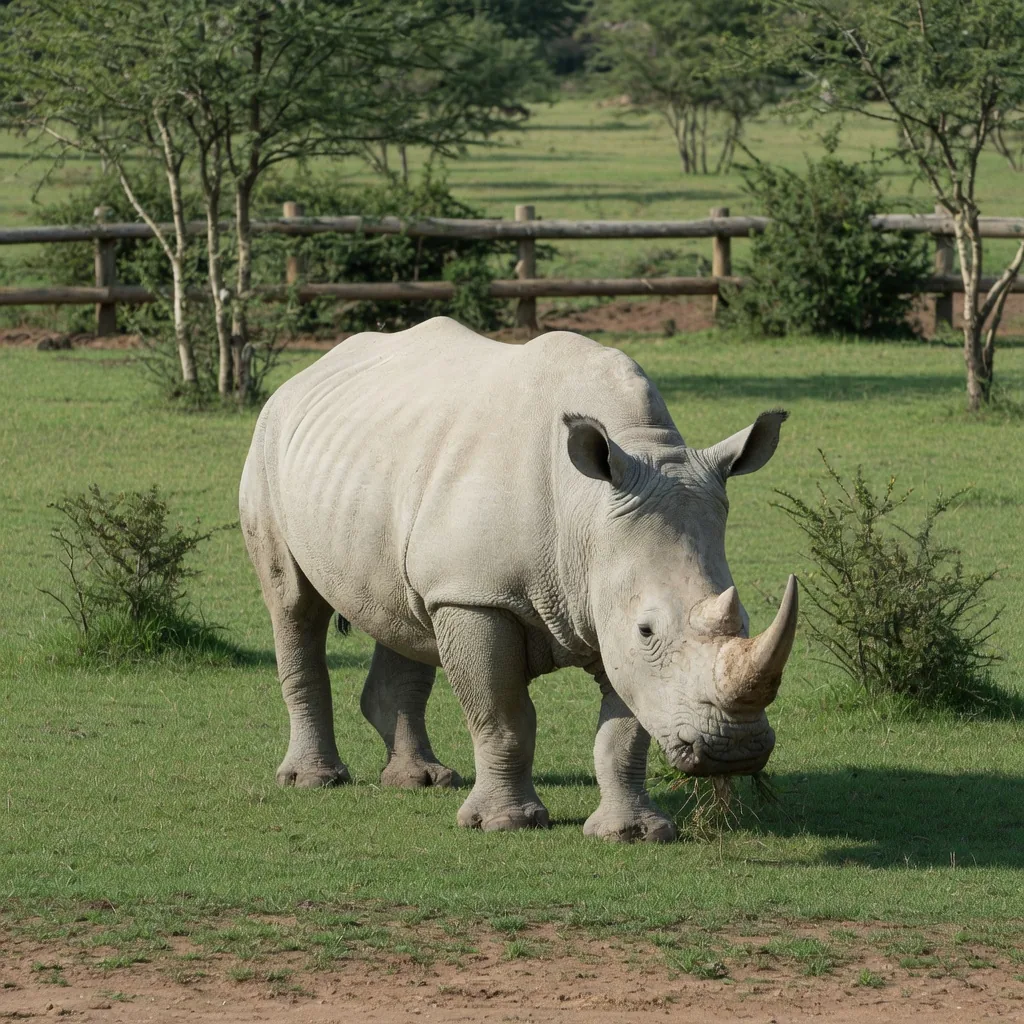
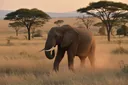
| It is argued that animals don't have rights as such. To protect and take care of endangered wild animals, they need to be captured and confined to secure places. With the rise in poaching of wild animals for fur, ivory, and supposed medicinal benefits, zoos appear to be the safe havens for animals. Moreover, captive breeding can help raise the number of endangered wild animals. | Animals have their own, natural rights, and capturing them for any reason is wrong. For example, elephants are known to travel long distances when they are in the wild; in fact, they follow migratory routes and travel in herds called 'bond groups'. Restricting their movements by keeping them in the confines of a zoo is unnatural. Wild animals are, in a way, connected to their natural surroundings, and this bond is broken when they are put into the artificial settings of a zoo. |
The Good and Bad Zoos
Not every zoo is the same. Some are modern and caring; others have a darker past. So how should we judge them?
| Pros | Cons |
|---|---|
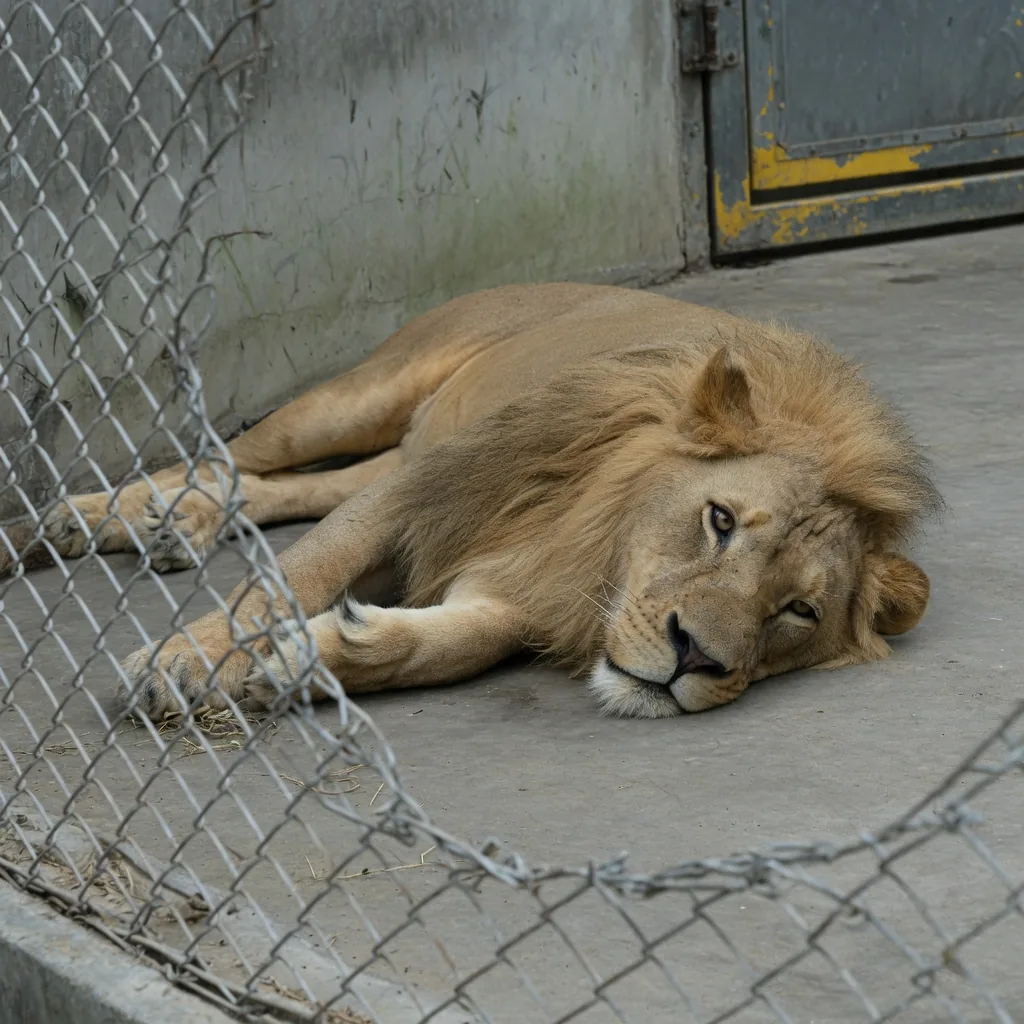
| It is true that in the past, many zoos subjected animals to cruel treatment. However, there is continuous improvement in the way zoos operate. It wouldn't be fair to shut down all the zoos for the mistakes committed by a few in the past. Not all zoos treat animals cruelly. With reforms brought about in this sector, animals are given much better treatment today. | No matter how good the facilities in a zoo are, animals tend to suffer in the confines and constantly live under psychological pressure, which tends to show in their abnormal behavior. Animals born in a captive environment never get to see the world outside; locking them up deprives them of the much-needed freedom. If and when they are released into the wild, they find it difficult to adapt to the 'foreign' environment, which is far different from the zoos. |
The Role of Zoos in Education
Can a trip to the zoo really teach you something? Supporters say yes, but critics aren't so sure.
| Pros | Cons |
|---|---|
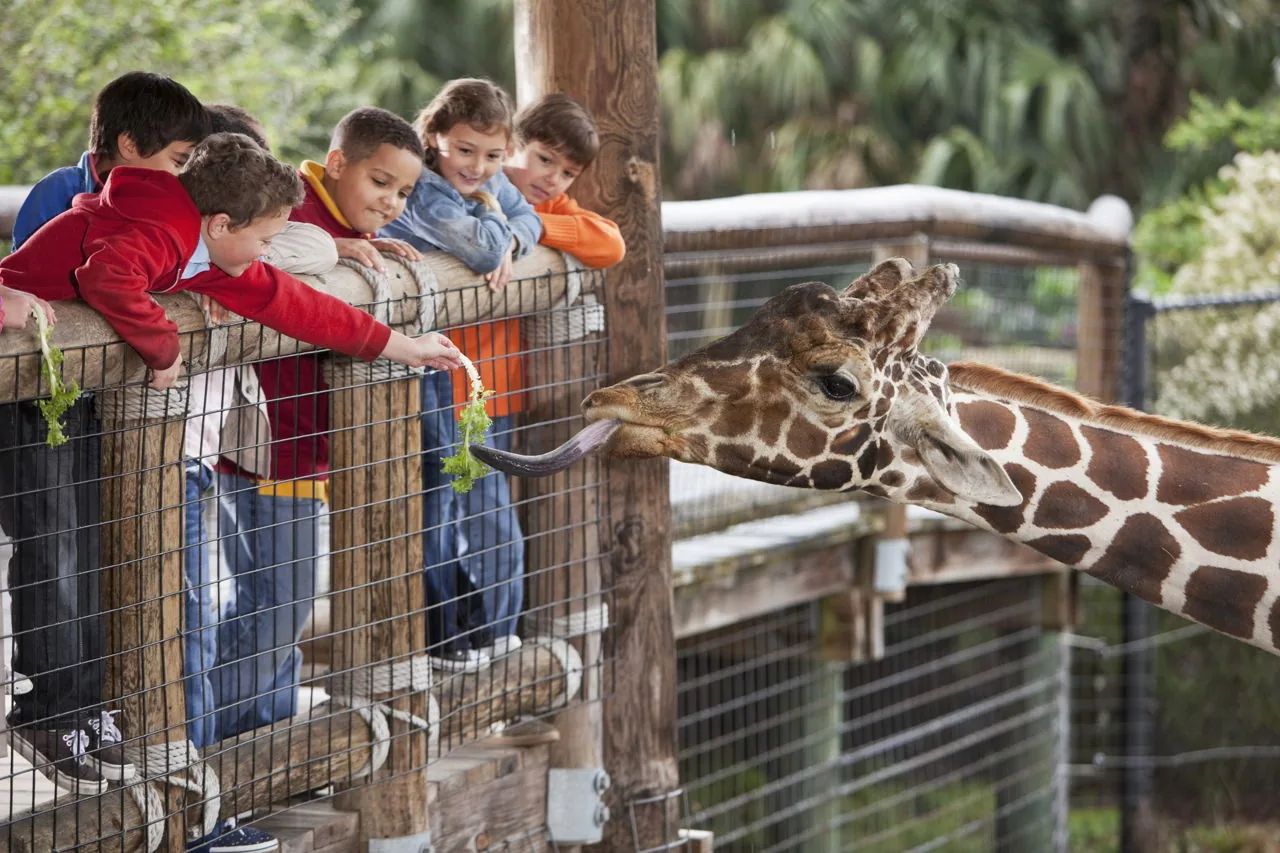
| These days, zoo authorities place greater emphasis on educating people about environmental problems and conservation, rather than serving as merely a recreation. Many school children visit zoos to learn more about endangered species and how to conserve them. The signboards in zoos give useful details about animals, including their scientific name, habitat, origin, diet, and more. Students can study many different kinds of wild animals without having to travel to far-off places. | Most zoos do not emphasize studying animal behavior. Also, some visitors abuse animals by throwing objects at them; this irresponsible behavior has a negative effect, resulting in greater harm to the animals and the visitors. Generally, tigers and lions are at the receiving end of abuse by visitors. Captive animals do not show their natural behavioral traits in zoos, so studying a zoo animal won't reveal much about its natural living style. |
Frequently Asked Questions
What does the word "zoo" actually mean?
It is short for "zoological garden," a name coined in the nineteenth century.
What is a "surplus animal" in a zoo?
An extra animal a zoo has no room for. Surplus animals are usually sold to other zoos, but in some cases they are killed.
Why do people say zoos help animals?
Zoos can protect endangered animals from poaching and raise their numbers through captive breeding, and they teach visitors about conservation.
Why do people say zoos are bad for animals?
Captivity restricts natural movement and can cause stress and abnormal behavior, and animals born in captivity struggle to adapt if released to the wild.
Zoos: Good or Bad? Take the Quiz!
5 quick questions on the great zoo debate. Which side do the facts land on?
Conservation of Endangered Species
Saving endangered animals is the reason zoos give most often. But does it really work? Even people who love wildlife disagree. If you want to see which animals zoos try hardest to protect, take a look at this list of endangered animals.
| Pros | Cons |
|---|---|
| Zoo owners claim that conservation of endangered species is their prime objective. They also say that zoos are a safer place for animals than being threatened by poaching. Zoo authorities admit that the functioning of zoos is not flawless, and that captive animals do suffer from problems; however, they also expect people to appreciate the sincere efforts taken by them to protect and preserve wild animals. | The people and activists who oppose the very idea of setting up zoos argue that even if zoo owners make sincere efforts to conserve wild animals, the success attained in protecting them is insignificant. According to animal rights activists, you don't need to exhibit animals for recreational purposes if the sole objective behind setting up a zoo is conservation. |
So… Should Animals Live in Zoos?
The debate over whether zoos are good or bad is an endless one. There is no doubt whatsoever that efforts need to be taken to study, protect, and preserve animals. However, care should be taken to see that, in the process, animals suffer the least. One also cannot deny that some zoo authorities violate animal rights.
Creating awareness about animal rights and devising efficient ways to control animal population is necessary. Conservation efforts should be undertaken with a broader perspective of maintaining the ecological balance as a whole. The study of the pros and cons of zoos should give us a balanced view of the debate. In the end, it is up to us to decide whether we want to see animals in zoos, or in their natural surroundings.
Explore More Animals
 Pros and Cons of Keeping Wild Animals as PetsShould a wild animal ever live in your home? Weigh the real pros and cons of keeping exotic pets (from tiny hedgehogs to bears and big cats) with a side-by-si
 These Bone-chilling Animal Cruelty Facts Will Move You to TearsAnimal cruelty, often viewed with subdued interest, is perhaps the most neglected fact on a humanitarian level. Learn the facts, the statistics, and what you ca
 A List of Endangered Animals From Every ContinentFrom the Bengal tiger and giant panda to the mountain gorilla and polar bear: a continent-by-continent list of the world's endangered animals, with photos.
 Animal Abuse & Cruelty Statistics: The Facts, Laws & How to HelpAnimal abuse statistics reveal a grave picture of suffering at human hands, circuses, labs, fashion, fighting and neglect. Here are the key facts, the laws tha

 Fun fact for today!The word zoo is just a short form of "zoological garden", a name first used in the nineteenth century!