

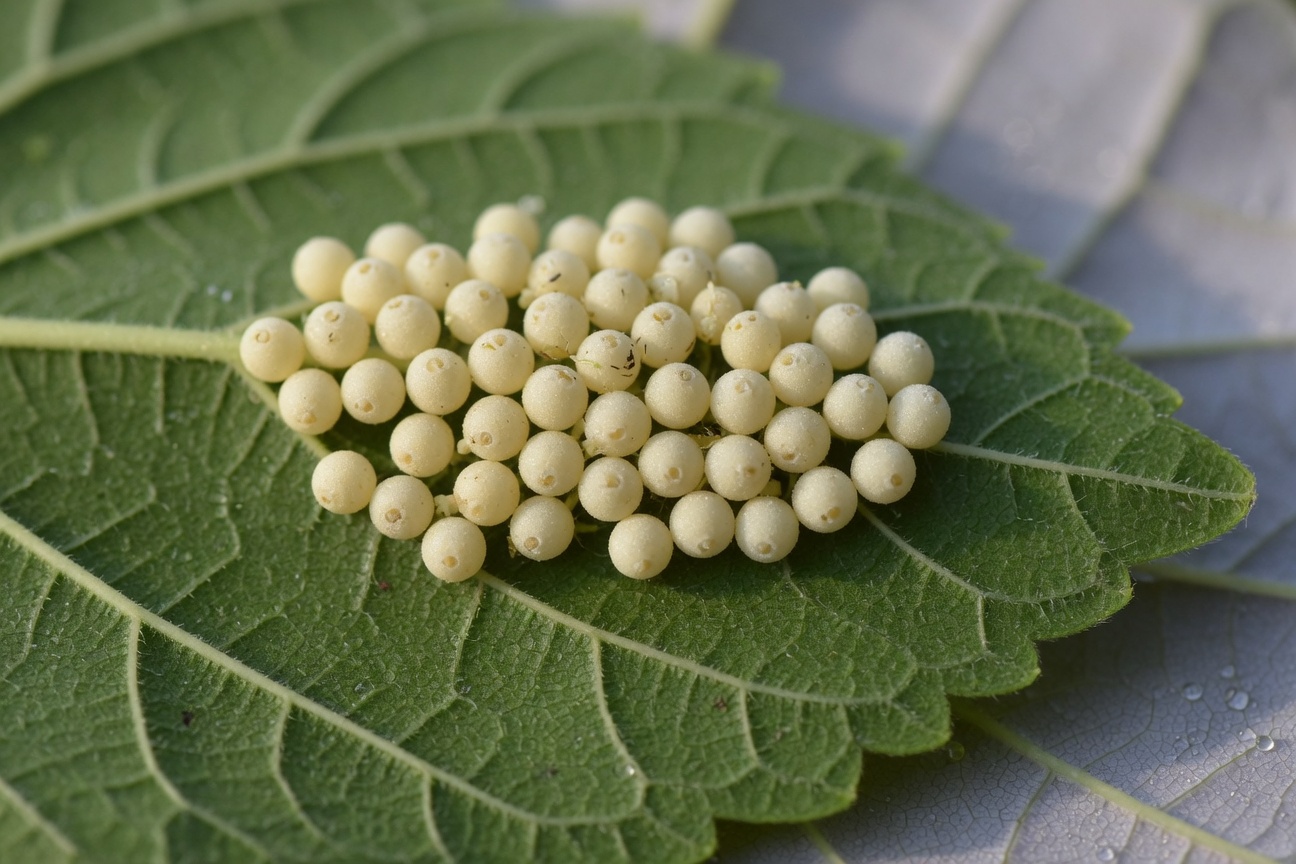
Silk is a biological secretion of a moth named Bombyx mori. This particular moth has become so domesticated over centuries that it has now lost its ability to fend for itself in the wild. Human intervention has had a big impact on this species.
The silkworm metamorphoses into a beautiful moth from its first stage as a tiny egg. The entire life cycle of a silkworm does not last for more than a couple of months.
Life Cycle of a Silkworm
The silkworm life cycle goes through several stages, from egg to adult moth. Each stage is explained in detail below.
Stage 1: Egg
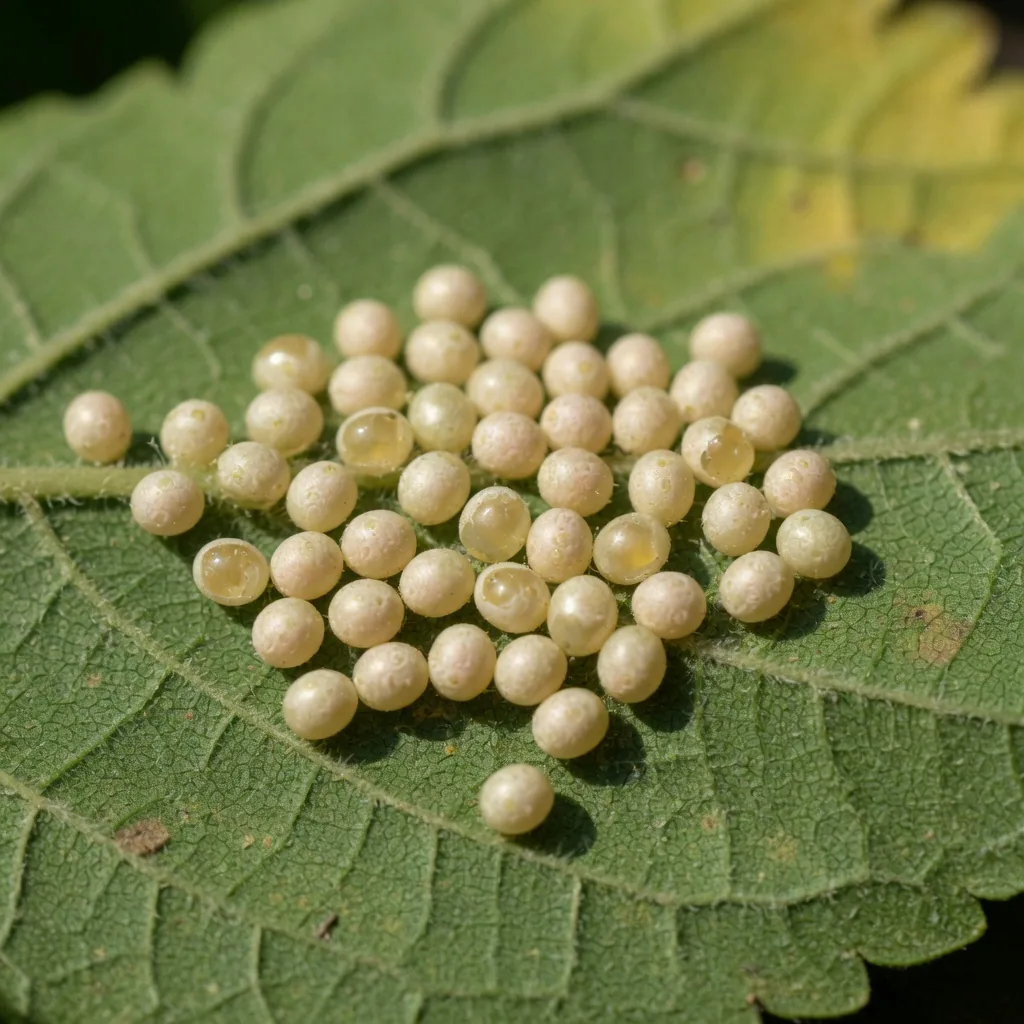
The egg is the first stage of a silkworm's life cycle. The female moth lays an egg about the size of an ink dot during summer or the early fall. The egg stays dormant until spring arrives. The warmth of spring then stimulates the egg to hatch.
Stage 2: Larvae
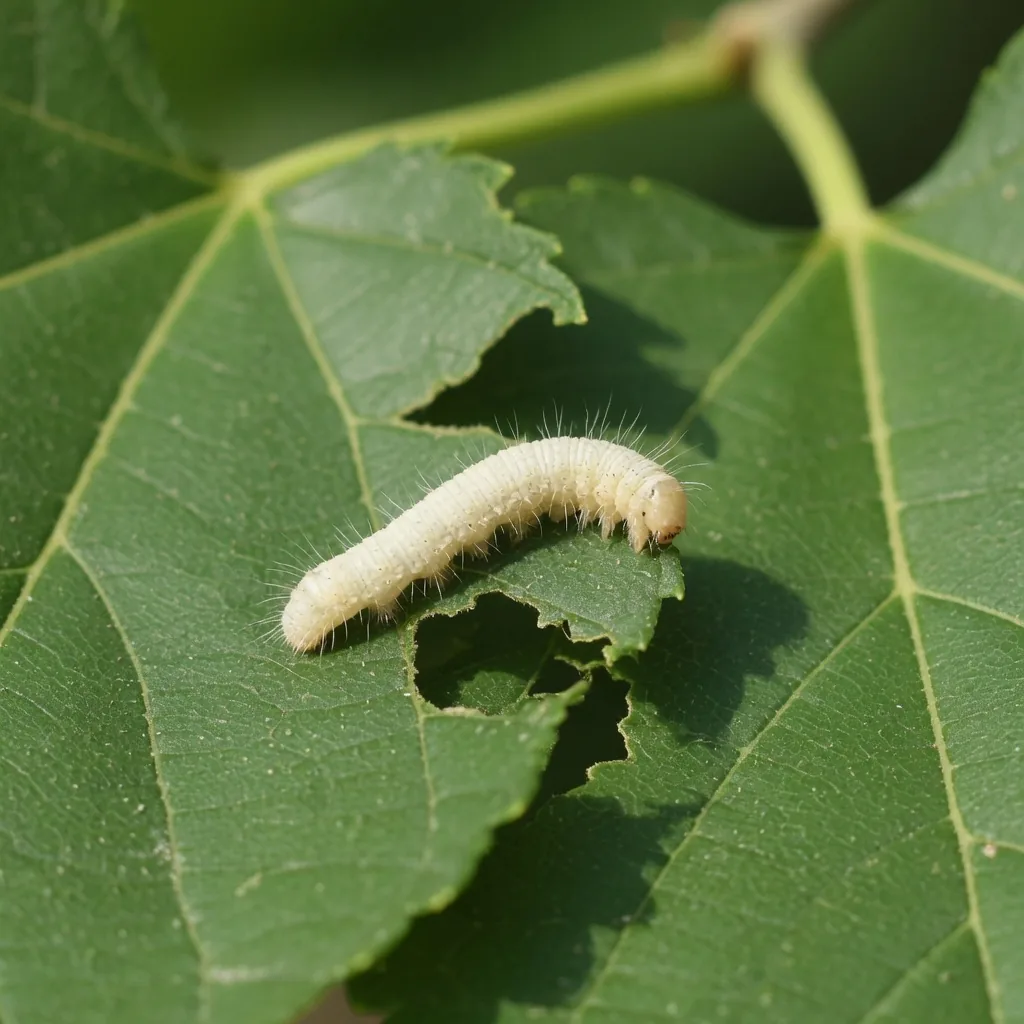
When a silkworm hatches, it is about 1/8th of an inch long and extremely hairy. Young silkworms can only feed on tender mulberry leaves. During the growth phase, however, they can eat tougher mulberry leaves as well.
The larval stage lasts for about 27 days. During this time the silkworm goes through five growth stages called instars. During the first molting, the silkworm sheds all its hair and gains a smooth skin.
Stage 3: Cocoon
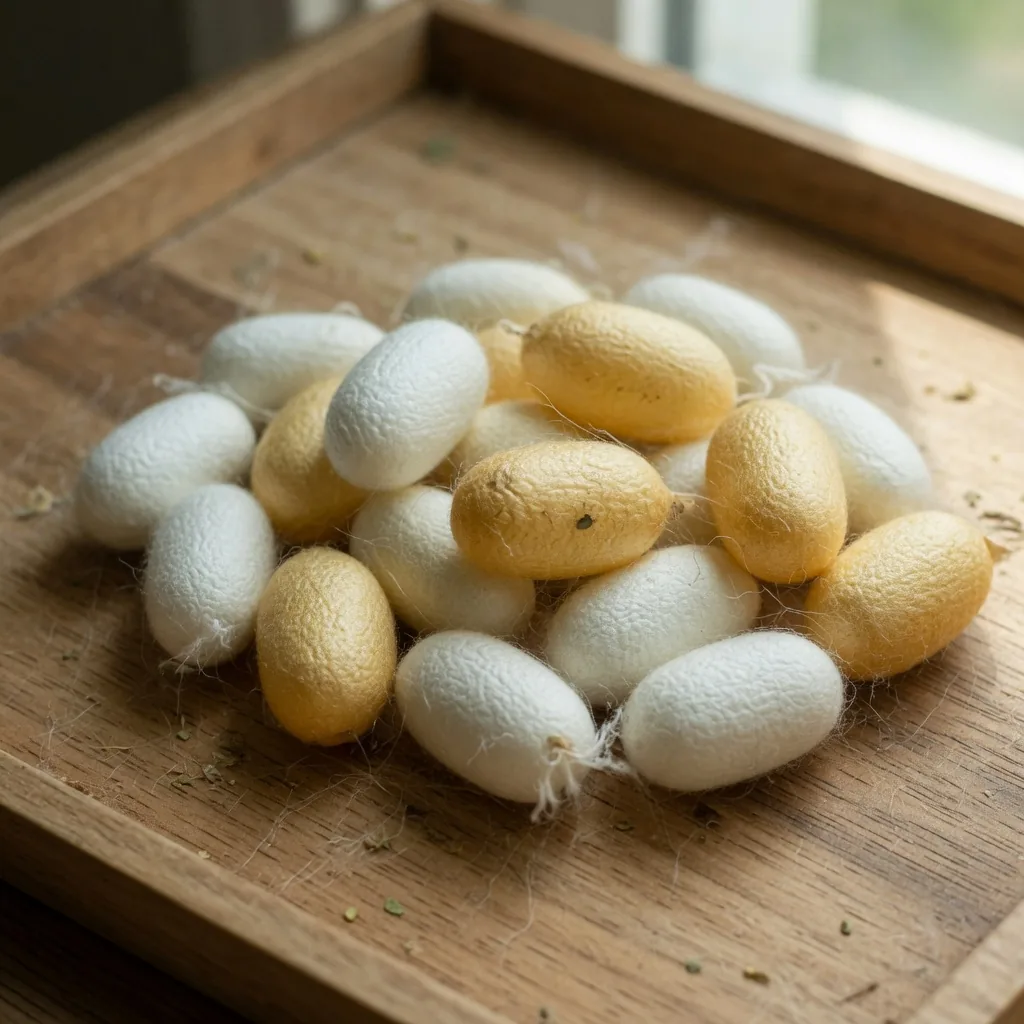
The cocoon is the stage in which the larva spins silk threads around itself to protect against predators. The larva traps itself inside the cocoon in order to pupate. The color of the cocoon varies depending on what the silkworm ate. It can range from white to golden yellow.
The second molting occurs inside the cocoon, when the larva turns into a brown pupa. It takes about 2-3 weeks for the pupa to metamorphose into an adult moth.
Test Your Silkworm Knowledge!
5 quick questions about the silkworm life cycle. How much do you know?
Stage 4: Adult Moth
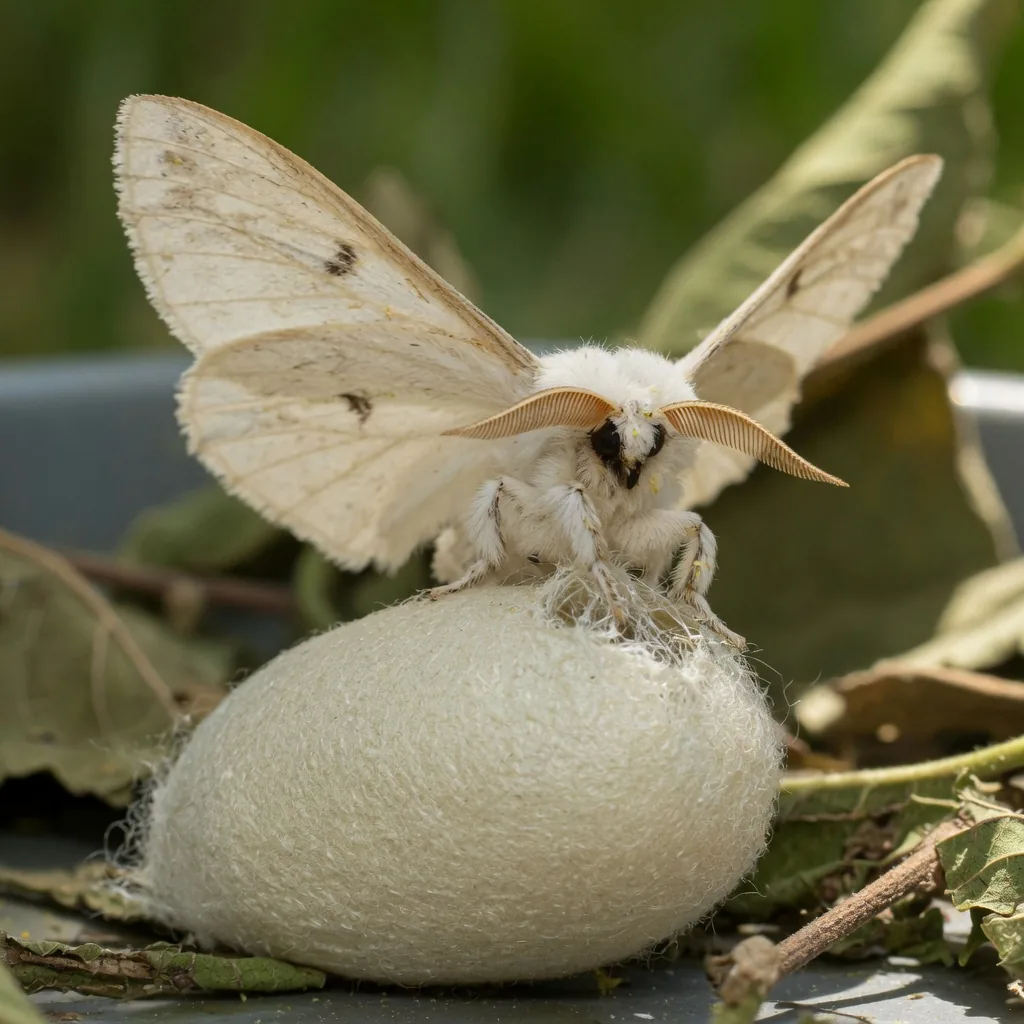
Once the adult moth comes out of its cocoon, its only purpose is to find a mate. Males are larger than females and more active. They flap their wings rapidly to attract the females. Within 24 hours of mating, the male moth dies, while the female lays abundant eggs, after which she dies as well. A new life cycle then begins.
Silkworms and Silk Production
Normally, there is only one season in a year when silkworms reproduce, giving one generation. However, in countries like India and China, silkworms reproduce continuously throughout the year. When silkworms are bred for commercial purposes, they are kept reproducing all year round.
Commercially, these insects must be raised very carefully. They cannot eat or drink on their own, so everything from their food to their habitat has to be organized by people. Although silkworms feed on mulberry leaves, it is not always possible to find them, especially during fall and winter. Commercial silkworm breeders feed larvae a substance called silkworm chow, which is a good alternative to mulberry leaves.
Silkworm life cycle is short and simple. Yet the stages it goes through during its brief life span are simply mesmerizing.
Explore More Animals
 Striking Facts About SilkwormsSilk, one of the most exotic fabrics is created by silkworms. This AnimalSake article is a compilation of some interesting silkworm facts.
 How Do Silkworms Make Silk? You'll Be Amazed to KnowHave you ever wondered what goes into the making of that fine, lustrous silk thread? Discover how silkworms spin their cocoons, the four types of natural silk,
 An Awesome Explanation of the Life Cycle of a CaterpillarThe caterpillar life cycle is explained in short in this article, along with some interesting facts about caterpillars.
 Interestingly Gripping Facts About the Lifespan of a ButterflyThe lifespan of a butterfly varies according to the species. Learn about the four life stages, species records from the tiny copper butterfly to the mighty mona

 Fun fact for today!The Chinese mastered the art of making silk from silkworms about two thousand years ago, while the rest of the world had no idea!